
Sauces & Condiments
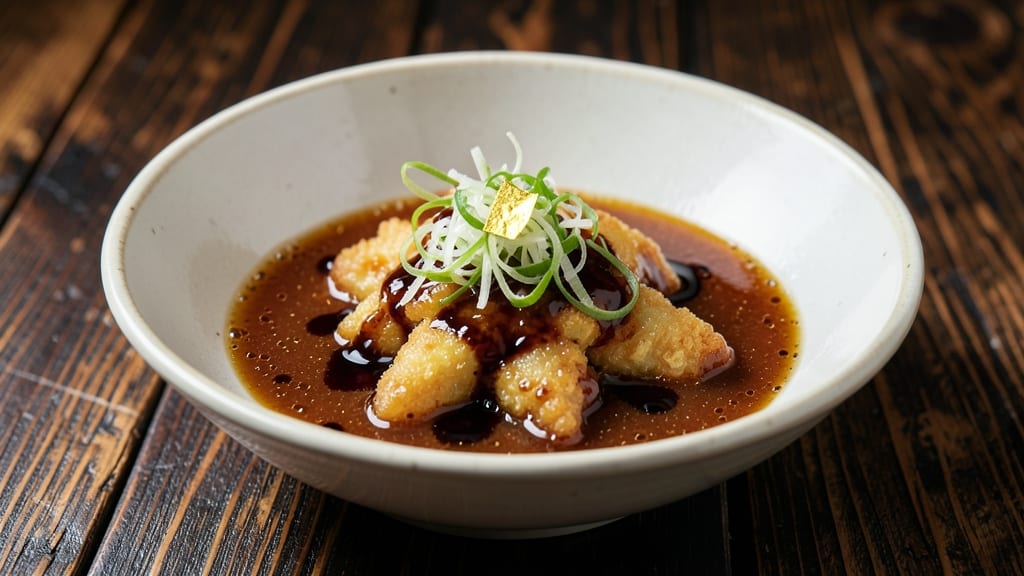
This easy tempura sauce recipe transforms any crispy tempura into a restaurant-worthy experience with just five minutes of prep. The secret lies in balancing umami-rich dashi with sweet mirin and a smooth cornstarch slurry—no complicated techniques required.
I’ve perfected this version to stay light enough to complement golden, airy tempura while adding depth that cuts through the oil’s richness.
The sauce’s magic comes from its simple yet precise technique: simmering the base until glossy, then thickening it just enough to coat a spoon without losing its silky texture. No clumping, no lumps—just a velvety dip that enhances every bite of your tempura.
The key ingredient? A cornstarch slurry made with cold water, which blends seamlessly into the hot liquid for a flawless finish.
What you’ll end up with is a sauce that’s crispy-friendly—bright enough to stand up to tempura’s crunch while mellow enough to let its natural flavors shine. The balance of salty soy, sweet mirin, and savory dashi creates a flavor profile that’s addictive yet effortless.
Perfect for dipping, drizzling, or even as a quick glaze for other fried dishes.
Scalable for any batch size, this sauce comes together in one pot with minimal cleanup. Whether you’re serving a crowd or just treating yourself, it’s the foolproof finishing touch that turns good tempura into unforgettable tempura. Let’s make it—your taste buds will thank you.
Ingredients for tempura sauce recipe easy
Five ingredients, one pot, restaurant-style tempura sauce in minutes—no fancy skills needed.
| Ingredient | Amount | Notes |
|---|---|---|
| Dashi Stock 🍜 | 2 cups | Instant or homemade preferred |
| Mirin 🍶 | ¼ cup | Sweet cooking wine (not table mirin) |
| Soy Sauce 🧂 | ¼ cup | Light or regular, not low-sodium |
| Cornstarch 🌾 | 1 tbsp | For smooth, lump-free thickening |
| Cold Water 💧 | 1 tbsp | Essential for flawless slurry |
| Rice Vinegar 🍶 | 1 tbsp | Adds brightness (sub white vinegar) |
| Sesame Oil 🥜 | 1 tsp | Toasted for nutty aroma (optional) |
| Sugar 🍬 | 1 tsp | Balances acidity (sub honey) |
The dashi is your flavor foundation—Hondashi brand is my go-to for instant, but homemade (kombu + bonito) adds depth. Mirin isn't table mirin; grab the sweet cooking wine version from the Asian aisle (or Trader Joe's if you're short on time). Soy sauce should be light—Kikkoman works, but avoid low-sodium if you want that classic umami punch. Cornstarch is non-negotiable here; arrowroot won't give the same crisp finish. For the slurry, cold water is key—room temp water will clump when it hits the hot sauce. Pro tip: Measure everything first—this sauce comes together fast, and you don't want to be scrambling for ingredients mid-simmer.
No mirin? Substitute 1 tbsp sugar + 1 tbsp dry white wine, but you'll lose that signature sweet-savory balance. Running low on dashi? Double the soy sauce and add 1 tsp fish sauce (if you eat fish) or 1 tsp mushroom powder for a vegetarian version. Sesame oil optional but worth it—toast it first in a dry pan for 30 seconds to deepen the flavor. The rice vinegar adds tang; if you've only got apple cider vinegar, use half the amount. Sugar can be swapped for maple syrup or agave, but white sugar gives the cleanest finish. And for the love of crispy tempura, don't skip the cornstarch slurry—this is what keeps the sauce silky and prevents clumping.
This sauce keeps 5 days in the fridge, sealed tightly in a jar. The flavor actually improves after a day as everything melds. Freezes beautifully for 3 months—portion into ice cube trays for single-use servings. Reheat gently in a saucepan over low heat, stirring constantly, until just warmed through. Never boil—you want to preserve that glossy, velvety texture. Leftovers? Drizzle over ramen, toss with noodles, or use as a quick glaze for grilled meats. And if you make extra, freeze half immediately—you'll want to make this again.
Why You'll Love This Recipe
- Five-Ingredient Magic: I swear by this—just dashi, mirin, soy, and a cornstarch slurry. No chopping, no peeling, no stress. The only "hard" part is waiting for the sauce to thicken, and honestly? That’s the best part.
- Umami Bomb: That first spoonful? Chef’s kiss. The dashi brings depth, the mirin adds sweetness, and the soy ties it all together—like a flavor hug for your tempura. It’s the kind of sauce that makes you go back for seconds without even thinking.
- Weeknight Hero: Dinner with friends? Date night? Leftovers for lunch? This sauce handles it all. Make a big batch—it keeps well in the fridge and reheats like a dream. I’ve served it over noodles, drizzled on grilled fish, even used it as a quick glaze for tofu.
- Budget Win: No fancy ingredients, no markup—just pantry staples that pack a punch. A little dashi goes a long way, and the cornstarch slurry is my secret for a glossy finish without breaking the bank. This is the kind of recipe that makes me feel like I’m feeding a crowd without emptying my wallet.
Step-by-step instructions for tempura sauce
This sauce comes together in minutes—crispy tempura deserves this light, umami-rich dip.
Combine the Base Ingredients
In a medium saucepan, pour in the 2 cups dashi stock, 0.25 cup mirin, 0.25 cup soy sauce, and 1 tbsp rice vinegar. Bring everything to a gentle simmer over medium heat. You'll see small bubbles forming around the edges—this is your signal to proceed. The mirin will add a subtle sweetness while the soy sauce deepens the umami flavor.
Let the mixture simmer uncovered for 3-4 minutes until it reduces slightly and the aromas become more concentrated. You're not trying to make a thick sauce yet—just building flavor. If you notice the sauce starts to smell too strong, reduce heat slightly to prevent over-reduction. This step ensures your sauce has that perfect balance of savory and slightly tangy notes.
Add Sugar and Sesame Oil
Once the base has reduced, stir in the 1 tsp sugar and 1 tsp sesame oil. The sugar will help balance the acidity from the rice vinegar, while the sesame oil adds a nutty aroma that complements tempura beautifully. Stir well to combine—you want the sesame oil to be evenly distributed throughout the sauce.
Let the sauce simmer gently for another 2 minutes. You'll notice the sesame oil will infuse its aroma into the mixture, creating that signature tempura sauce fragrance. If you're using toasted sesame oil, you'll detect even more depth of flavor. This is also when you can taste the sauce—it should be light, slightly sweet, and umami-rich but not overly salty.
Prepare the Cornstarch Slurry
In a small bowl, whisk together the 1 tbsp cornstarch and 1 tbsp cold water until completely dissolved. This creates a smooth slurry that will thicken your sauce beautifully without creating lumps. The cold water is crucial here—it prevents the cornstarch from activating too quickly and creating a gummy texture.
I like to whisk vigorously for about 30 seconds to ensure there are no clumps at all. Even a tiny bit of undissolved cornstarch can create a pasty texture in your sauce. Keep this mixture nearby—you'll add it to the simmering sauce in the next step. The slurry should look like a thin, pale yellow liquid with no visible particles.
Thicken the Sauce
With the sauce still simmering gently, slowly pour in the cornstarch slurry while stirring continuously with a wooden spoon or silicone spatula. The sauce should begin to thicken almost immediately—keep stirring for about 1-2 minutes until it reaches a glossy, slightly syrupy consistency. You're aiming for a sauce that coats the back of a spoon but still flows easily.
Here's the thing—tempura sauce should be light enough to dip crispy tempura in without making it soggy. If the sauce becomes too thick, you can thin it with a splash of hot water. Conversely, if it's too thin, simmer it for another 30 seconds to reduce slightly. The perfect tempura sauce should cling lightly to tempura without overwhelming it.
Adjust and Serve
Remove the sauce from heat and let it cool slightly for 2-3 minutes. Taste and adjust the seasoning if needed—you might want to add a touch more soy sauce for saltiness or a bit of mirin for sweetness. The sauce should be balanced with a hint of sweetness, umami depth, and a touch of acidity from the rice vinegar.
Pour the sauce into a small serving bowl or dish. The sauce will continue to thicken slightly as it cools, so don't worry if it looks a bit runny when you first take it off the heat. Serve immediately with your crispy tempura—this sauce is best enjoyed fresh when the tempura is still at its peak crunch. The contrast of the light, flavorful sauce with crispy tempura is what makes this dish truly special.
Pro Tips For Making Tempura Sauce Recipe Easy
- Simmer Slow and Steady: I learned this the hard way—tempura sauce isn’t a race. After burning the mirin in two batches, I finally got it: bring the dashi and soy sauce to a gentle simmer (small bubbles, barely there) before adding mirin. Too much heat, and you’ll end up with a bitter, alcohol-heavy sauce instead of that glossy, balanced flavor.
- Chill the Cornstarch Mix: Skip the clumpy mess by making a cornstarch slurry the right way: whisk the cornstarch with cold water first, then let it sit for 5 minutes. This isn’t just about avoiding lumps—it guarantees a silky finish. (Yes, even if you’re impatient like me, give it those 5 minutes.)
- Balance the Salt Early: Taste the sauce before it thickens. If you wait until the end, you’re stuck with either too salty or too bland. The mirin and dashi already add depth, so add the soy sauce gradually—start with half the amount, simmer, then adjust. Trust me, your future self will thank you for not guessing at the end.
- Use Real Dashi, Not Powder: I was skeptical until I tried it: homemade or high-quality instant dashi makes a real difference in tempura sauce. The umami depth is unmatched. If you’re short on time, at least use a good brand of instant dashi—those cheap knockoffs leave the sauce tasting flat. (Your taste buds will notice.)
Essential equipment for tempura sauce recipe easy
Saucepan Essentials
Start with a medium-sized saucepan—I recommend a 3-quart stainless steel like All-Clad or Cuisinart for even heat distribution. The flat bottom prevents hot spots that can scorch your sauce. If you're short on space, a 2-quart saucepan works too, but leave extra room for stirring.
Avoid nonstick pans—they can react with the acidic rice vinegar and ruin the delicate flavor. 🔥
Whisk for Perfection
A balloon whisk is your best friend here—it dissolves the cornstarch slurry smoothly and prevents lumps. I use a OXO Good Grips for its sturdy build and comfortable handle. If you don’t have one, a silicon spatula works in a pinch, but you’ll need to stir more vigorously.
For small batches, a chopstick (traditionally used in Japanese cooking) adds authenticity while whisking the slurry.
Measuring Tools
Precision matters with tempura sauce, so invest in a set of digital kitchen scales (like Escali Primo) for accurate measurements—especially for the 1 tbsp cornstarch.
A measuring spoon set (I love West Bend) ensures you get the exact 1 tsp sesame oil and 1 tbsp rice vinegar without guesswork. For liquids, a graduated measuring cup with clear markings helps track the 2 cups dashi and 0.25 cup mirin effortlessly.
Slurry Mixing Bowl
Use a small mixing bowl (about 6-8 oz) for the cornstarch slurry—it should be deep enough to whisk thoroughly. I prefer glass or ceramic (like Pyrex) because they’re non-reactive and easy to clean.
Avoid plastic if you’re using sesame oil, as it can absorb flavors. A whisk attachment for your stand mixer (if you have one) works too, but hand-whisking gives you better control over the slurry’s consistency.
Heat Control Tools
Monitor your sauce’s temperature with a candy or instant-read thermometer (I swear by Thermoworks Thermapen). The ideal simmer range is 180–190°F—any hotter, and you risk burning the sauce. A kitchen timer (set for 3–4 minutes) keeps you from overcooking the base.
For stovetop control, a gas burner with a diffuser (like Weck) or an electric burner with adjustable heat prevents temperature spikes.
Serving Essentials
Serve your sauce in a wide, shallow dish (like a ceramic tempura bowl) to showcase its glossy texture. I love hand-painted Japanese lacquerware for authenticity, but any heat-resistant glass or ceramic works.
For dipping, use small individual bowls (about 4 oz each) so guests can enjoy the sauce fresh. A small ladle (like a mini rice ladle) makes it easy to drizzle over tempura without overloading it. 💫
Nutrition facts
Frequently asked questions
Can I make this tempura sauce without mirin?
Yes! Substitute 1 tbsp sugar plus 1 tbsp dry white wine for the mirin, but expect slightly less depth of flavor. For a vegetarian version, use 1 tbsp sugar + 1 tbsp apple cider vinegar instead. The sauce will still work beautifully—just taste as you go and adjust sweetness with additional sugar if needed.
Why did my sauce turn cloudy or separate?
Cloudiness usually means the cornstarch didn't dissolve fully in cold water. Whisk the slurry more vigorously for 30-60 seconds until completely smooth before adding to the sauce. If it separates after cooking, gently reheat the sauce while whisking constantly—this helps re-emulsify the ingredients. For best results, always use cold water for the slurry.
How do I adjust the thickness of the sauce?
For a thinner consistency, add 1 tsp hot water at a time while stirring. Need it thicker? Simmer the sauce for an extra 30 seconds to reduce. The ideal tempura sauce should coat the back of a spoon but still flow easily—aim for a glossy, syrupy finish that won't make your tempura soggy. Remember, the sauce will thicken slightly more as it cools.
Can I make this sauce ahead of time?
Store the sauce in an airtight container in the fridge for up to 5 days. The flavors actually improve as they meld together. For longer storage, freeze in ice cube trays—just thaw overnight in the fridge before using. Reheat gently over low heat, stirring constantly, until just warmed through. Never boil to preserve that velvety texture.
What can I use if I don't have dashi?
Create a quick substitute by combining 2 cups water with 1 tsp fish sauce (or 1 tsp mushroom powder for vegetarian) and 1 tsp soy sauce. For a simpler version, just use 2 cups water + 1 tsp soy sauce + 1 tsp sugar. While it won't have the same depth, it'll still give you that essential umami base for your sauce.