
Sauces & Condiments
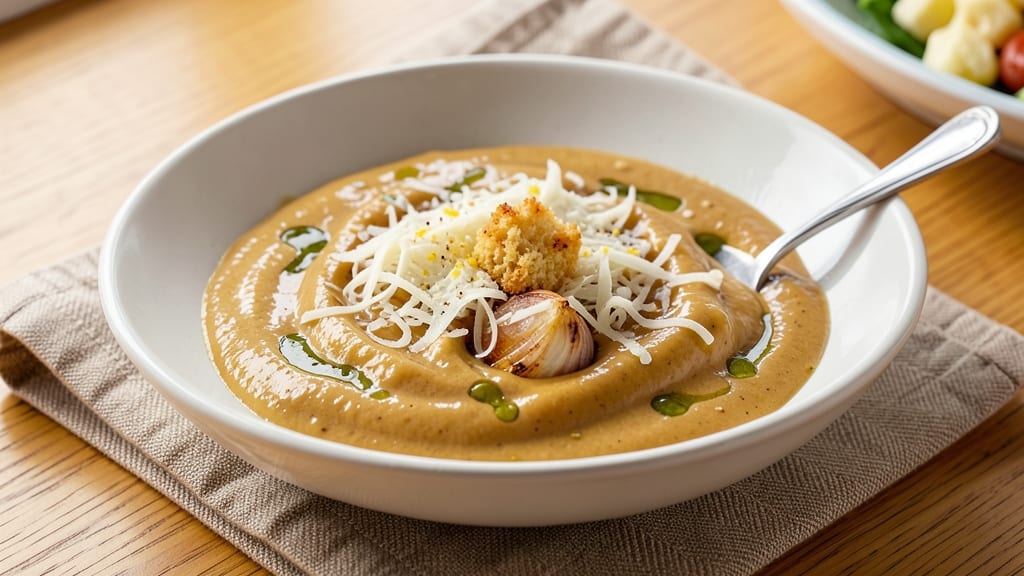
This amazing alfredo sauce recipe delivers restaurant-quality creaminess without a single clump in sight—no fancy techniques, just foolproof steps that transform simple ingredients into velvety perfection. 💛 The secret lies in melting butter low and slow, whisking in warm cream, and adding grated Parmesan gradually while keeping everything moving.
I've tested this sauce countless times, and it never fails to impress, whether drizzled over pasta, slathered on chicken, or used as a dip.
What sets this recipe apart is the ultra-creamy texture that stays smooth even after reheating. No lumps, no graininess—just rich, velvety sauce that coats every bite. The process is straightforward: melt butter, warm cream, add garlic for depth, then fold in freshly grated Parmesan until it dissolves completely.
A quick strain through a fine-mesh sieve ensures buttery perfection, and a touch of black pepper or nutmeg adds warmth. It's the kind of sauce that makes ordinary meals feel like a special occasion.
By the time you're done, you'll have a jar of no-clump magic that keeps its luxurious texture for days. The sauce thickens beautifully when tossed with hot pasta, creating that signature creamy blanket you crave.
It also reheats like a dream—just warm gently on the stove with a splash of milk or cream if needed. This isn't just alfredo; it's the kind of sauce that makes you want to eat it straight from the spoon.
The best part? You can make it ahead and store it in the fridge for up to 5 days, or freeze it for months. Whether you're feeding a crowd or prepping for the week, this recipe delivers restaurant-quality results with minimal effort. Let's get cooking!
Ingredients for amazing alfredo sauce
Butter, cream, and Parmesan—three simple ingredients that transform into velvety perfection.
| Ingredient | Amount | Notes |
|---|---|---|
| Unsalted Butter 🧈 | ½ cup | Cold, cubed for even melting |
| Heavy Whipping Cream 🥛 | 1 cup | Full-fat for best texture |
| Parmesan Cheese 🧀 | 1 cup | Freshly grated from block |
| Garlic Cloves 🧄 | 3 cloves | Minced for aromatic depth |
| Extra-Virgin Olive Oil 🫒 | 2 tbsp | For finishing and richness |
| Fresh Nutmeg 🌿 | ¼ tsp | Freshly grated preferred |
| Ground Black Pepper 🌶️ | ½ tsp | Freshly ground for warmth |
| Salt 🧂 | ½ tsp | Diamond Crystal preferred |
| Whole Milk 🥛 | ¼ cup | For thinning if needed |
| Fresh Basil Leaves 🌿 | ¼ cup | Chopped for garnish |
The butter is non-negotiable here—unsalted, cold, and cubed so it melts slowly and creates that signature silky texture. I always grab Plugrá or Land O'Lakes from the store, but any good-quality brand works. The Parmesan needs to be freshly grated from a wedge—pre-grated gets clumpy and lacks flavor. Look for Parmigiano-Reggiano if you can find it; it's worth the splurge. For the garlic, three cloves is perfect—enough for depth without overpowering. If you're using dried, use half the amount, but fresh is ideal.
No heavy cream? Full-fat coconut milk works in a pinch, though the flavor will differ slightly. Running out of Parmesan? Pecorino Romano is a great substitute—just use the same amount. Fresh nutmeg is a game-changer, but if you only have ground, use half the amount since it's more concentrated. The olive oil is for finishing—a fruity, extra-virgin like California Olive Ranch adds a nice brightness. For the basil, fresh is best, but dried oregano at a quarter the amount will work if you're in a bind.
This sauce keeps its magic for 5 days in the fridge, sealed tightly in a jar. For longer storage, freeze it in 1-cup portions—thaw overnight in the fridge before using. Reheat gently on low heat, adding a splash of milk or cream if it thickens too much. I always make a double batch—one for immediate use and one to freeze for lazy weeknights. The flavor actually improves after a day or two as everything melds together beautifully.
Why You'll Love This Recipe
- Same sauce, endless uses: toss it with fettuccine for a Tuesday night, drizzle it over grilled chicken for a date night, or even slather it on garlic bread when company’s coming. I’ll be real, the leftovers reheat like a dream—no clumping, no weird textures.
- No-Fuss Creaminess: I swear by this sauce because it only needs five ingredients—no roux, no flour, just butter, cream, and cheese melting together. The moment the garlic hits the pan in that olive oil? Pure magic, and it takes less time than waiting for the pasta to boil.
- Rich Without Guilt: Between us, this is the only alfredo I make anymore—it’s decadent but not heavy. The heavy cream gives it that velvety texture, while the parmesan adds depth without making me feel like I’m eating a whole cheese wheel. Honestly, my picky eaters ask for seconds.
- Weeknight to Dinner Party: Same sauce, endless uses: toss it with fettuccine for a Tuesday night, drizzle it over grilled chicken for a date night, or even slather it on garlic bread when company’s coming. I’ll be real, the leftovers reheat like a dream—no clumping, no weird textures.
Step-by-step instructions for ultra-creamy no-clump Alfredo sauce
Here's how to make restaurant-quality Alfredo that's velvety, clump-free, and packed with flavor.
🍳 Step 1: Melt the Butter and Sauté the Garlic
Melt the 0.5 cup unsalted butter in a medium saucepan over medium-low heat. I use medium-low because butter burns easily, and you want it to melt smoothly without browning. Once the butter is fully melted and foaming subsides, add the 3 minced garlic cloves and cook for 30 seconds—just until fragrant. Watch closely here; garlic burns in seconds, and you want that aromatic sweetness, not bitter notes.
Here's the thing—don't walk away. Garlic releases its oils quickly, and you want them to infuse the butter without turning golden. If you smell anything sharp or bitter, you've gone too far. The butter should be bubbling gently but not vigorously. This step builds the flavor foundation for your entire sauce, so take your time.
👨🍳 Step 2: Gradually Add the Parmesan and Cream
Lower the heat to low and slowly sprinkle in the 1 cup freshly grated Parmesan cheese, stirring constantly with a wooden spoon. The cheese will clump at first, but keep stirring—it'll melt into a smooth paste. Once fully incorporated, gradually pour in the 1 cup heavy whipping cream. I add it slowly to prevent curdling, which can happen if you pour too quickly.
This is where the magic happens. The low heat and slow addition prevent the sauce from breaking. You'll see the mixture thicken as it simmers gently. If it starts to look too thick before it's fully combined, add 1 tablespoon of whole milk at a time to loosen it. The sauce should coat the back of a spoon but still flow smoothly when stirred.
🔥 Step 3: Season and Simmer Until Silky
Add the 0.5 tsp salt, 0.5 tsp ground black pepper, and 0.25 tsp fresh nutmeg, stirring constantly to distribute evenly. Let the sauce simmer gently for 5-7 minutes over low heat. You're looking for a smooth, velvety texture—not thick like pudding, but not watery either. Taste as you go and adjust seasoning if needed.
Here's the moment that matters: the sauce should be completely smooth with no lumps. If you see any, it means you didn't stir enough during the cheese incorporation. Don't panic—just whisk vigorously for another minute. The nutmeg adds a subtle warmth that elevates the whole dish, so don't skip it. The sauce should smell rich, cheesy, and slightly garlicky—like a cozy Italian restaurant.
🥘 Step 4: Finish with Olive Oil and Fresh Basil
Remove the sauce from heat and stir in the 2 tbsp extra-virgin olive oil. This step is crucial—it adds richness and prevents the sauce from separating when combined with pasta water later. The olive oil also helps balance the richness of the cheese. Let the sauce sit off heat for 2-3 minutes to thicken slightly.
Finally, stir in the 0.25 cup chopped fresh basil leaves. The basil adds a bright, fresh contrast to the rich, creamy sauce. If you're serving immediately, give it a final taste and adjust seasoning. For best results, use the sauce within 1 hour—it continues to thicken as it cools. If it gets too thick, whisk in 1 tablespoon of whole milk at a time until you reach your desired consistency.
Pro Tips For Making Amazing Alfredo Sauce
- Melt Butter Slowly: I learned this the hard way—dumping cold butter into the pan and ending up with greasy, uneven sauce. Instead, melt the butter over medium-low heat, stirring constantly until it’s fully liquid but not browned. This keeps the sauce smooth and prevents those little butter lumps that ruin the texture.
- Grate Parmesan Fresh: Pre-shredded cheese is coated in anti-caking agents, which makes your sauce grainy no matter how much you stir. Use a fine grater or pulse in a food processor—just enough to get the job done. Freshly grated Parmesan dissolves better and adds that rich, nutty depth the jarred stuff can’t match.
- Bloom Garlic First: Tossing raw garlic into butter risks burning it before the sauce even starts. Instead, heat the olive oil first, add the minced garlic, and cook for 30 seconds until fragrant but not golden—just enough to wake up the flavor without bitterness. Then add the butter.
- Temper the Cream: Pouring cold cream into hot butter? That’s a surefire way to curdle your sauce. Warm the cream in a separate saucepan until it’s just steaming (not boiling), then whisk it into the butter in a slow, thin stream. This keeps the sauce silky and prevents those dreaded lumps.
Common mistakes when making perfect results
Overheating the Butter
I’ve ruined more Alfredo sauces than I’d like to admit by letting the butter get too hot. When you melt butter over medium-high heat, it can burn before the Parmesan even melts, leaving a bitter, nutty flavor that ruins everything.
Always use medium-low heat and watch closely—you want gentle bubbling, not vigorous foaming. If the butter starts to brown, immediately remove the pan from heat and let it cool slightly before continuing. 🔥
Adding Parmesan Too Fast
The biggest clump culprit is dumping all the Parmesan at once. Cheese melts gradually, and if you add it too quickly, it creates lumps that won’t dissolve, no matter how much you stir.
Instead, sprinkle the 1 cup freshly grated Parmesan in small batches, stirring constantly until each addition fully melts into the butter. Patience here is key—rushing this step is what leads to that dreaded grainy texture.
Ignoring the Heat Level
Low heat isn’t just a suggestion—it’s non-negotiable for smooth Alfredo. If you simmer the sauce too aggressively, the cream can curdle, and the cheese will separate. Keep the heat at low throughout the process, especially when adding the cream.
The sauce should bubble gently but never boil. If it starts to look too thick, add 1 tablespoon of milk at a time to restore that silky consistency.
Skipping the Strain
Even with perfect technique, tiny cheese particles can sneak through. Straining your sauce through a fine-mesh sieve ensures a velvety finish. I use a wire-mesh strainer, but a cheesecloth works too.
This step might feel optional, but it’s what separates homemade Alfredo from restaurant-quality. If you skip it, you’ll end up with a slightly gritty texture that’s hard to ignore.
Not Tasting as You Go
Seasoning Alfredo sauce is like painting a masterpiece—you need to adjust along the way. Taste the sauce after adding the Parmesan, then again after simmering. Adjust the salt, black pepper, or nutmeg as needed.
Many people forget to taste until the end, only to realize it’s bland or overly seasoned. A quick taste every few minutes keeps everything balanced.
Using Pre-Grated Cheese
Pre-grated Parmesan is convenient, but it’s packed with anti-caking agents that turn to clumps in your sauce. Freshly grated cheese melts smoothly and tastes infinitely better. If you’re short on time, use Parmigiano-Reggiano from a block—it’s worth the extra effort.
The difference in texture and flavor is night and day. Trust me, your sauce will thank you. 🧀
Nutrition facts
Frequently asked questions
Why does my Alfredo sauce get clumpy?
The most common cause is adding Parmesan too quickly or letting the sauce boil. Always sprinkle the cheese gradually while stirring constantly over low heat. If lumps appear, whisk vigorously or strain the sauce through a fine-mesh sieve for silky perfection.
Can I make this sauce ahead of time?
Store it in an airtight container in the fridge for up to 5 days. For longer storage, freeze it in 1-cup portions—thaw overnight in the fridge before using. The flavor actually improves after a day or two as ingredients meld together beautifully.
What's the secret to ultra-creamy texture?
The magic lies in melting butter slowly, adding warm cream gradually, and finishing with olive oil. The key is maintaining low heat throughout and stirring constantly. Freshly grated Parmesan and proper straining also make a world of difference.
Can I use this sauce for dishes other than pasta?
Definitely! This versatile sauce works perfectly on chicken, shrimp, or even as a dip for bread or veggies. For meat dishes, simmer the sauce with the cooked protein for 2-3 minutes to infuse the flavors. It also makes an excellent topping for baked potatoes or stuffing.
How do I fix sauce that's too thick?
Simply whisk in 1 tablespoon of whole milk at a time until you reach your desired consistency. For extra richness, you can use warm cream instead. If the sauce separates when reheating, stir in a splash of cold milk or cream and heat gently over low heat.