
Sauces & Condiments
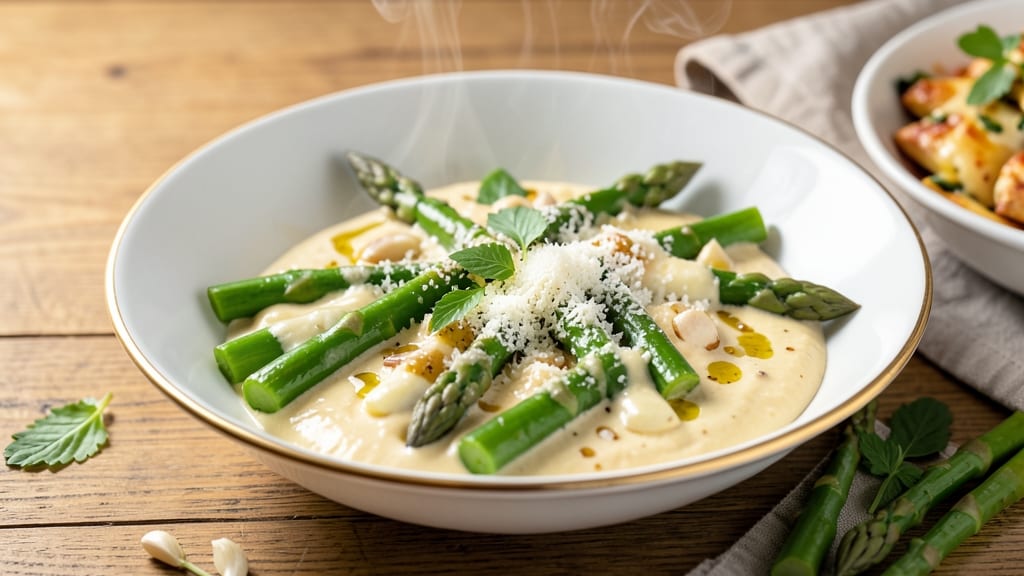
This asparagus alfredo sauce recipe transforms classic comfort into something unexpectedly vibrant—where earthy greens meet velvety richness in every spoonful. The secret lies in puréeing fresh asparagus into the sauce base, infusing it with subtle sweetness while maintaining that signature creamy texture.
What sets this apart is the balance: tender asparagus adds depth without overpowering the buttery, cheesy foundation.
Perfect for pasta lovers who crave something beyond traditional Alfredo, this sauce delivers restaurant-quality creaminess with a sophisticated twist. The asparagus purée blends seamlessly into the sauce, creating a velvety consistency that clings beautifully to noodles.
It's ideal for fettuccine, but works equally well as a dip for breadsticks or a topping for grilled chicken.
The process is straightforward yet precise: simmering cream and butter until smooth, then incorporating the puréed asparagus for that signature earthy note. A touch of parmesan and garlic ensures the sauce remains rich and flavorful.
What you'll end up with is a sauce that's creamy, aromatic, and packed with subtle asparagus flavor—perfect for elevating any dish.
This versatile sauce keeps well in the refrigerator for up to 5 days, making it perfect for meal prep. Whether you're serving it over pasta, using it as a dip, or drizzling it over grilled vegetables, this asparagus alfredo sauce brings a fresh, elevated twist to a classic favorite.
Let's get started!
Ingredients for asparagus alfredo sauce
Eight essential ingredients transform ordinary Alfredo into something extraordinary—where velvety cream meets vibrant asparagus.
| Ingredient | Amount | Notes |
|---|---|---|
| Fresh Asparagus Spears 🌱 | 1 lb | Trimmed, tough ends removed |
| Heavy Whipping Cream 🥛 | 1 ½ cups | Full-fat for maximum richness |
| Unsalted Butter 🧈 | ½ cup | Cold, cubed for even melting |
| Parmesan Cheese 🧀 | ¾ cup | Freshly grated, high-quality |
| Garlic Cloves 🧄 | 3 cloves | Minced, for aromatic depth |
| Extra-Virgin Olive Oil 🫒 | ¼ cup | For smooth blending |
| Diamond Crystal Kosher Salt 🧂 | ½ tsp | Adjust to taste |
| Ground Black Pepper 🌶️ | ¼ tsp | Freshly cracked for heat |
| Fresh Lemon Juice 🍋 | 1 tbsp | Brightens the sauce |
The asparagus is the star—look for bright green, firm spears at the grocery store, not those wilted ones lurking in the back. Whole Foods or Trader Joe's carry the freshest cuts, but any reputable market will do. Trim the woody ends with a sharp knife (about 1 inch off)—they're tough no matter how you cook them. For the Parmesan, skip the pre-grated stuff—it's full of anti-caking agents and lacks that fresh, nutty punch. Grate it yourself from a wedge; it makes all the difference in that final flavor boost. The heavy cream? Don't skimp on the full-fat version—this sauce is all about that luxurious creaminess, and non-fat just won't cut it.
No fresh asparagus? Steamed frozen asparagus works in a pinch—just thaw and purée it like you would fresh. Running low on Parmesan? Pecorino Romano is a fantastic substitute, though it's slightly sharper. The olive oil can be swapped for avocado oil if you prefer a milder flavor, but stick with extra-virgin for that fruity depth. Short on garlic? Garlic powder at half the amount gets you close, but fresh minced is worth the extra minute. Want to amp up the brightness? A splash of white wine (about 2 tbsp) adds complexity without overpowering. And if you're watching calories, half-and-half can replace some of the cream, though the texture will be slightly lighter.
This sauce is a meal-prep dream—stores beautifully for up to 5 days in the fridge, though it's best used within 3 for peak creaminess. To reheat, warm gently on the stove over low heat, stirring often to prevent curdling. Freezes for up to 3 months if you pour it into ice cube trays first—perfect for single-serving portions. For extra richness, stir in a knob of cold butter just before serving. And if you're feeling fancy, top with toasted breadcrumbs or a sprinkle of freshly cracked black pepper right before eating. Every spoonful should feel like a little indulgence.
Why You'll Love This Recipe
- Five-Ingredient Magic: I swear, this sauce comes together with zero fuss—just wilted asparagus, cream, butter, garlic, and cheese. That’s it. No blenders, no strainers, no waiting for the perfect al dente. Honestly, the hardest part is deciding whether to toss in the whole spears or chop them first.
- Creamy Crunch Contrast: The texture is where this sauce steals the show: silky-smooth Alfredo with those delicious charred asparagus tips poking through. Between us, that crispy edge with the creamy center? Chef’s kiss. And the garlic? Just enough to make it sing without overpowering.
- Weeknight to Dinner Party: Between us, this sauce works for everything—pasta, roasted chicken, even as a dip with crusty bread. I’ve made it for lazy Mondays and fancy date nights, and no one’s ever blinked. (Yes, even on a Tuesday night.)
- Leftovers That Don’t Suck: Unlike most rich sauces, this one actually improves the next day—thicker, deeper flavor, and still creamy. I double the batch on Sundays, freeze half, and pull it out for quick weeknight meals. Budget-friendly? Absolutely. Waste-free? Even better.
Step-by-step instructions for asparagus Alfredo sauce
This creamy, vibrant sauce transforms simple pasta into a luxurious dish with earthy asparagus depth.
Blanch and Prep the Asparagus
Bring a medium pot of salted water to a boil. Trim the tough ends from the 1 lb fresh asparagus spears and cut them into 2-inch pieces. Add them to the boiling water and blanch for exactly 2 minutes—they should turn bright green and remain crisp-tender. Immediately drain and transfer to an ice bath to stop cooking. This preserves their vibrant color and prevents overcooking.
Once cooled, drain again and pat completely dry with paper towels. Transfer the asparagus to a food processor and pulse until finely chopped—you want a smooth, almost paste-like consistency. This will blend seamlessly into the sauce without visible chunks. Set aside for the next step.
Build the Creamy Base
In a large saucepan, melt the 0.5 cup unsalted butter over medium heat until foamy. Add the 3 cloves minced garlic and sauté for 30 seconds until fragrant—don't let it brown or it'll turn bitter. Pour in the 1.5 cups heavy whipping cream and bring to a gentle simmer, stirring occasionally to prevent scorching.
Simmer for 5 minutes until the cream thickens slightly and small bubbles form around the edges. This creates a velvety foundation for the sauce. Here's the thing—if you rush this step, the sauce will separate later. Patience now ensures silky perfection.
Blend the Asparagus into the Cream
Reduce the heat to low and add the chopped asparagus in one go. Stir constantly for 3-4 minutes until the asparagus is completely incorporated and the mixture becomes a vibrant green. The sauce should thicken noticeably as the asparagus releases its moisture and flavors. If it gets too thick, whisk in 1-2 tablespoons water to loosen it.
This is where the magic happens—the asparagus infuses the cream with its earthy sweetness, creating a sauce that's both rich and refreshing. Taste and adjust seasoning with the 0.5 tsp diamond crystal kosher salt and 0.25 tsp ground black pepper. The sauce should be well-seasoned but not overpowering.
Finish with Cheese and Brightness
Remove the saucepan from heat and stir in the 0.75 cup freshly grated parmesan cheese and 1 tbsp fresh lemon juice. The lemon juice brightens the sauce and cuts through the richness of the cream and cheese. Return the pan to low heat and stir for 1-2 minutes until the cheese melts completely and the sauce becomes glossy and smooth.
For the perfect consistency, the sauce should coat the back of a spoon but still be pourable. If it's too thick, whisk in a splash of pasta water—this also helps the sauce cling beautifully to the noodles. The final sauce should be vibrant green, rich, and perfectly balanced between creamy and fresh.
Serve Immediately
Transfer the sauce to a serving bowl and keep it warm over low heat or in a warm water bath. Toss with cooked fettuccine or your favorite pasta until fully coated. The sauce should cling to every strand, creating a luxurious, earthy, and creamy masterpiece. Serve immediately while the sauce is at its peak temperature and texture—this dish doesn't wait!
Garnish with additional parmesan cheese and cracked black pepper for a professional touch. Each bite delivers a perfect harmony of creamy richness and asparagus's natural sweetness, making this sauce a standout centerpiece for any pasta dish.
Pro Tips For Making Asparagus Alfredo Sauce
- TRIM THE ASPARAGUS RIGHT: Cut the woody ends at a sharp angle—no need to peel the spears unless they’re thicker than a pencil. I learned this the hard way: leaving the tough bases in turns your sauce into a textural nightmare when you bite into them.
- MELT BUTTER LOW AND SLOW: Don’t rush the butter—simmer it over medium-low heat until it’s just golden, not browned. After burning three batches, I finally figured out that patience here keeps the sauce from tasting bitter, especially when you’re adding garlic next.
- GRATE PARMESAN FRESH: Skip the pre-grated stuff—it’s full of anti-caking agents that make your sauce grainy. Use a microplane or fine grater and grate it right into the sauce while it’s still warm, so it melts in smoothly. (Yes, even if you’re impatient like me.)
- STRAIN THE CREAM: Heat the heavy cream gently, then strain it through a fine-mesh sieve to remove any stray bits of milk solids. I was skeptical until I tried it—suddenly, the sauce looked silky instead of speckled, and it clung better to the asparagus. Worth the extra 30 seconds.
Best sauces and condiments for these flavors
Classic Alfredo Pairings
This asparagus-infused Alfredo sauce shines best with fettuccine or tagliatelle—their flat, wide surfaces create the perfect canvas for the sauce to cling. I always use Bronze Die pasta from De Cecco because the ridges catch every creamy bite.
For a lighter option, try whole wheat spaghetti—it adds subtle texture without overpowering the sauce's richness.
Unexpected Dips and Toppings
Don't limit this sauce to pasta! Use it as a dip for warm breadsticks or crudité sticks—the asparagus adds a fresh, earthy contrast. I love drizzling it over grilled chicken breasts or seared scallops for a luxurious finish.
For extra flair, top with toasted pine nuts or crispy prosciutto—the salty crunch balances the creamy sauce beautifully. 🌟
Vegetable Enhancements
Roasted asparagus (the same variety used in the sauce) makes an excellent side—toss with olive oil, salt, and lemon zest before roasting at 400°F for 12 minutes.
The caramelized edges complement the sauce's creaminess. For a pop of color, add sautéed mushrooms or spinach—both wilt beautifully in the sauce's warmth while adding depth.
Protein Pairings
This sauce elevates pan-seared shrimp or baked salmon—the buttery richness pairs perfectly with seafood's natural sweetness. For meat lovers, grilled steak or braised short ribs become decadent when topped with this sauce. I often serve it with crispy polenta for a heartier dish.
The key is to cook proteins to medium-rare (for steak) or just done (for shrimp) to maintain their texture under the sauce's weight.
Beverage Matchups
A crisp Sauvignon Blanc from New Zealand cuts through the sauce's richness with its citrus notes—Kim Crawford is my go-to. For red wine lovers, a Pinot Noir from Oregon offers enough acidity to balance the creaminess.
If you prefer beer, a Belgian witbier like Hoegaarden adds a refreshing contrast with its coriander and citrus undertones. 🍷
Global Twists
For an Italian-inspired twist, add sun-dried tomatoes and basil to the sauce for a Caprese Alfredo vibe. A Thai-inspired version swaps parmesan for peanut butter and adds lime juice, fish sauce, and cilantro—trust me, it’s a game-changer.
For a Mexican fusion, stir in chipotle powder and cotija cheese to create a smoky, creamy sauce perfect over tortellini. Each variation keeps the creamy base while adding exciting new flavors.
Nutrition facts
Frequently asked questions
Can I make this sauce without fresh asparagus?
Use 1 cup steamed frozen asparagus instead—just thaw it first and purée until smooth. For an even deeper flavor, try 1 cup spinach or broccoli florets steamed and blended. The key is to maintain the same 1 cup puréed vegetable ratio for balanced flavor.
Why did my sauce separate or get grainy?
This usually happens from overheating or adding cheese too quickly. Always cook the cream on medium-low heat and whisk constantly. For graininess, strain the sauce through a fine-mesh sieve before adding cheese. If it separates, whisk in 1-2 tablespoons cold water while off heat to re-emulsify.
How can I make this sauce lighter?
Swap half the heavy cream for evaporated milk or Greek yogurt (use ½ cup instead of cream). For extra protein, add ¼ cup ricotta cheese while blending. The sauce will still be creamy but with 30-40% fewer calories. Don't skip the butter completely—it's essential for flavor!
Can I make this sauce ahead of time?
Yes! Store it in an airtight container in the fridge for up to 5 days. Reheat gently on low heat, stirring often to prevent curdling. For freezing, portion into ice cube trays, freeze, then transfer to a bag—this makes perfect single-serving portions. Thaw overnight in the fridge before reheating.
What's the best pasta shape for this sauce?
Fettuccine or tagliatelle are ideal—their wide, flat surfaces create maximum surface area for the sauce to cling. For extra texture, try pappardelle or bronze-cut rigatoni. Avoid thin noodles like spaghetti—the sauce may slide right off! Pro tip: Toss the sauce with 1 tbsp pasta water to help it coat better.