
Sauces & Condiments
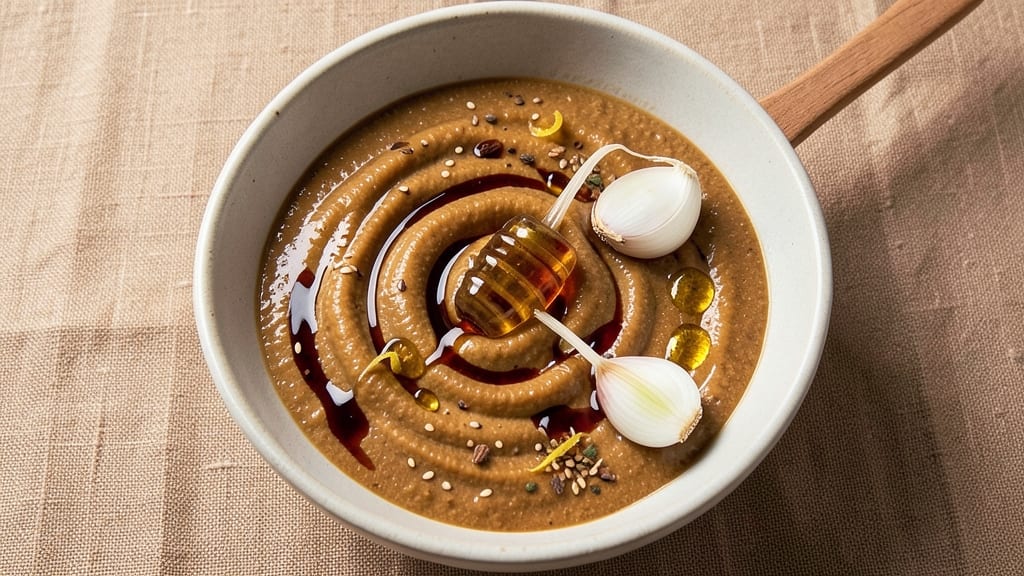
This Asian mustard dipping sauce recipe transforms ordinary spring rolls into an unforgettable experience with its perfect balance of tangy, umami, and subtle sweetness. The secret lies in combining Dijon mustard with rice vinegar and soy sauce, creating a sauce that's bold yet refined.
I developed this recipe after searching for the ideal dipping sauce that could stand up to crispy egg rolls without overwhelming their delicate flavors.
The magic happens when you let the sauce sit for at least 30 minutes before serving, allowing the flavors to meld into a harmonious blend. This isn't just another sweet-and-sour sauce—it delivers complex layers of flavor with each dip.
The addition of sesame oil and a touch of honey adds depth and prevents the mustard from being too sharp.
What you'll end up with is a versatile sauce that works perfectly with spring rolls, dumplings, or even as a marinade for meats. The texture is smooth yet slightly textured from the mustard, clinging beautifully to crispy foods.
Store it in an airtight container in the refrigerator for up to two weeks, making it perfect for meal prep.
Use this sauce to elevate any Asian-inspired dish or as a quick condiment for grilled meats and vegetables. The balance of flavors makes it equally delicious with both sweet and savory components, proving that sometimes the simplest recipes deliver the most impressive results.
Ingredients for asian mustard dipping sauce
Pantry staples plus a few specialty finds for that perfect umami-zing dip.
| Ingredient | Amount | Notes |
|---|---|---|
| Dijon Mustard 🌶️ | ½ cup | High-quality for best flavor |
| Rice Vinegar 🍶 | ⅓ cup | Seasoned preferred for depth |
| Soy Sauce 🍜 | ¼ cup | Light or dark variety |
| Sesame Oil 🫒 | 1 tbsp | Toasted for nutty aroma |
| Honey 🍯 | 1 tbsp | Wildflower preferred |
| Garlic Cloves 🧄 | 2 cloves | Minced for subtle flavor |
| Fresh Ginger 🌿 | 1 tbsp | Grated, fresh preferred |
| Water 💧 | ¼ cup | Room temperature |
| Salt 🧂 | ½ tsp | Kosher or sea salt |
| Sesame Seeds 🌾 | 1 tsp | Toasted for garnish |
The Dijon mustard is non-negotiable here—Maille or whole-grain varieties add that signature texture. Grab seasoned rice vinegar if you can find it at Asian grocery stores—it cuts through the mustard's sharpness better. For soy sauce, Kikkoman or Pearl River Bridge are my go-tos, but any good-quality light soy works. The sesame oil? Trader Joe's or Costco have the best-priced toasted versions—look for the dark amber color. Fresh ginger and garlic? Buy them whole and grate/mince right before mixing—they lose punch fast once prepped.
No Dijon? Whole-grain mustard thinned with water works in a pinch, but the texture won't be quite right. Swap honey for maple syrup if you're avoiding it, but the floral notes are worth it. Short on sesame oil? Avocado oil at half the amount gives you neutral fat, though you'll miss the nutty depth. The garlic can be garlic powder (half the amount), but fresh is always better. For the ginger, powdered works at one-third the quantity—just don't skip it entirely. And if you're out of sesame seeds for garnish, crushed peanuts add a nice crunch instead.
This sauce keeps beautifully—2 weeks in the fridge in an airtight jar, and up to 3 months frozen if you portion it into ice cube trays first. I always make double batches because it disappears fast. The flavors actually improve after 24 hours as everything melds, so don't rush it. For serving, I drizzle it over spring rolls and keep a small bowl on the table—everyone always asks for the recipe. Pro tip: Add a splash of water if it gets too thick after refrigeration.
Why You'll Love This Recipe
- Five-Ingredient Magic: I swear by this recipe because it’s the kind of sauce that proves you don’t need a pantry full of exotic ingredients. Dijon mustard and rice vinegar do the heavy lifting—sharp, bright, and tangy—while a single drizzle of sesame oil adds that unmistakable nutty warmth. Honestly, I keep a jar in my fridge because it’s that good.
- No-Brainer Balance: Between us, this sauce is the perfect marriage of sweet and savory. The honey rounds out the soy sauce’s saltiness, and the Dijon mustard keeps it from tasting cloying. It’s the kind of flavor that makes you pause mid-bite—like when you realize you’ve just found the missing piece to your favorite takeout dishes.
- Weeknight Swiss Army Knife: This isn’t just for spring rolls or dumplings—it’s my go-to for everything. Slather it on grilled chicken, toss it with noodles, or drizzle it over a simple salad. I’ll be real: it’s saved more than one boring meal, and it’s the reason my fridge is always stocked with soy sauce.
- Leftovers That Last: Make a big batch and thank me later. This sauce keeps for weeks in the fridge, and the flavors only get better as the ingredients meld. Between us, I’ve had it last through three grocery store trips, and it’s still fresh enough to use. Budget-friendly? Absolutely. Reliable? Even more so.
Step-by-step instructions for Asian mustard dipping sauce
This vibrant sauce comes together in minutes with simple ingredients.
Combine Wet Ingredients in a Bowl
In a medium bowl, whisk together the 0.5 cup Dijon Mustard, 0.33 cup Rice Vinegar, and 0.25 cup Soy Sauce until smooth. This trio forms the flavor foundation—Dijon adds tangy depth, vinegar brightens, and soy sauce brings umami richness. I like to whisk vigorously for about 30 seconds to fully emulsify the mustard and create a silky base.
Next, add the 1 tbsp Sesame Oil and 1 tbsp Honey, whisking again until everything is perfectly blended. The sesame oil contributes nutty warmth while the honey balances sharpness with subtle sweetness. If you're using a high-quality Dijon, you'll notice its complex flavor profile shining through here.
Add Aromatics and Water
To the bowl, add the 2 cloves minced Garlic Cloves and 1 tbsp grated Fresh Ginger, whisking to incorporate. These aromatics infuse the sauce with fresh, zesty character. I prefer to use a microplane for the ginger—it creates ultra-fine particles that dissolve completely rather than sitting as chunks.
Pour in the 0.25 cup Water and 0.5 tsp Salt, whisking until the salt dissolves and the mixture reaches your desired consistency. The water helps thin the sauce slightly for dipping, while the salt enhances all the flavors. Taste at this stage—you should notice the balance of tang, umami, and sweetness, with just a hint of garlic's pungency.
Simmer for Enhanced Flavor Development
Transfer the sauce to a small saucepan and place it over medium-low heat. Bring to a gentle simmer, then reduce heat to maintain a barely bubbling state. Let it cook for 5-7 minutes, stirring occasionally with a silicone spatula. This step allows the flavors to meld and the sauce to thicken slightly from evaporation.
Watch carefully—you want just enough reduction to create a glossy, coatable consistency without letting it separate. If it starts to look too thick, add 1-2 teaspoons of water to adjust. The sauce should be smooth, with no visible separation between ingredients.
Cool and Garnish
Remove the saucepan from heat and let the sauce cool completely to room temperature. This cooling step is crucial—it allows flavors to fully develop and the sauce to reach its ideal texture. I often find that letting it sit for 10-15 minutes makes a noticeable difference in flavor complexity.
Once cooled, transfer the sauce to a serving bowl or small pitcher. Garnish with 1 tsp toasted Sesame Seeds, sprinkling them evenly over the surface. The seeds add visual appeal and a subtle crunch that contrasts beautifully with the smooth sauce. For extra presentation, I sometimes press a few seeds into the surface to create a decorative pattern.
Adjust and Serve
Taste the sauce one final time and make any necessary adjustments. If it needs more sweetness, add a touch more honey. For extra tang, a splash of rice vinegar works well. The sauce should be balanced—bright from the vinegar, rich from the mustard and soy, with just a hint of heat from the ginger and garlic.
Serve immediately with spring rolls, egg rolls, or any Asian-inspired dishes. The sauce keeps well in the refrigerator for up to 5 days, though I find it's best enjoyed fresh. For an extra layer of flavor, let it sit at room temperature for 15-20 minutes before serving to allow all the components to harmonize perfectly.
Pro Tips For Making Asian Mustard Dipping Sauce
- STIR IN STAGES: Mix the Dijon and rice vinegar first—this smooths out the mustard’s graininess before adding the soy sauce. I learned this the hard way when I dumped everything in at once and ended up with a clumpy mess.
- USE COLD SESAME OIL: Add the sesame oil last, right when you’re ready to serve, or it’ll overpower the sauce with a harsh, bitter edge. A few drops are enough—no need to go heavy-handed.
- BALANCE THE HONEY: Taste before adding honey, then adjust in tiny increments. Too much makes it cloying; too little leaves it sharp. I now measure it by the teaspoon (start with 1) and adjust as I go.
- SKIP THE WHISK: A fork works just fine for this sauce—no need to pull out your whisk. Overmixing can emulsify the oil wrong, turning your smooth sauce into a greasy separation disaster.
Common mistakes when making this dish
Over-Mixing Mustard
Whisking too vigorously or for too long can make your sauce grainy or separate. Dijon mustard is delicate—once you've combined it with vinegar and soy sauce, give it just 30 seconds of whisking to emulsify.
Over-mixing introduces air bubbles and can break down the mustard's texture. I've ruined batches by whisking for 2 minutes straight—trust the process and stop when it's smooth but not frothy. 🌶️
Skipping the Simmer
Rushing to serve without simmering means missing out on flavor development. The 5-7 minute simmer lets the ingredients meld and thickens the sauce naturally. I once served this sauce without simmering—it tasted flat and one-dimensional. The heat helps the honey and soy sauce integrate properly, creating that signature umami-zing depth.
Using Low-Quality Ingredients
Cheap mustard, old vinegar, or generic sesame oil will ruin your sauce. Stick with Maille Dijon or similar high-quality mustards, and use seasoned rice vinegar for that authentic tang.
I learned this the hard way when I used store-brand mustard—it left a bitter aftertaste. Invest in good ingredients; your taste buds will thank you.
Ignoring the Resting Time
Letting the sauce sit for 10-15 minutes after simmering is crucial. This resting period allows flavors to fully develop and the texture to stabilize. I've served this sauce immediately after simmering, and it always tasted rushed. The patience pays off—waiting ensures that first dip is perfect every time.
Adding Too Much Water
While water helps thin the sauce, adding too much can dilute the flavors. Start with the 0.25 cup called for, then adjust only if needed. I once added 0.5 cup extra water to a batch, and the sauce lost its bold character.
Taste as you go—you can always add more later if needed, but you can't take water out.
Forgetting the Garnish
Toasted sesame seeds aren't just for looks—they add crunch and visual appeal. Skipping them means missing out on that perfect textural contrast. I've served this sauce without garnish, and while it still tasted great, the presentation suffered.
A simple sprinkle of seeds elevates the whole dish and makes it feel restaurant-worthy. 🌾
Nutrition facts
Frequently asked questions
Can I make this sauce without Dijon mustard?
Yes, but the texture will differ. Use whole-grain mustard thinned with 1-2 teaspoons of water to mimic Dijon's consistency. For a smoother sauce, blend the mustard with a splash of water first. The flavor won't be identical, but it'll still work well for dipping.
How spicy is this sauce?
The recipe is mild with just ginger and garlic for subtle heat. For extra spice, add ½ teaspoon of red pepper flakes or 1 teaspoon of gochujang (Korean chili paste) to the simmering sauce. Adjust to taste—this version works perfectly for kids and adults alike.
Can I use this sauce for cooking instead of just dipping?
This sauce makes an excellent marinade for grilled chicken or pork skewers, or as a glaze for roasted vegetables. Simmer it for 10 minutes to reduce it further, then brush onto proteins during the last 5 minutes of cooking. The flavors will caramelize beautifully.
Why does my sauce separate when I refrigerate it?
This happens when the mustard and oil separate after cooling. Fix it by gently whisking in 1 teaspoon of water or sesame oil to re-emulsify. For prevention, let the sauce cool to room temperature before refrigerating, and avoid storing it in metal containers. The texture should return to smooth after a quick whisk.
What's the best way to serve this sauce?
Keep it in a small ceramic dipping bowl at room temperature for the best experience. The sauce pairs perfectly with spring rolls, egg rolls, dumplings, and grilled meats. For an elegant touch, drizzle a thin line of sauce across the plate before serving your dish. The visual contrast makes it look restaurant-quality!