
Sauces & Condiments
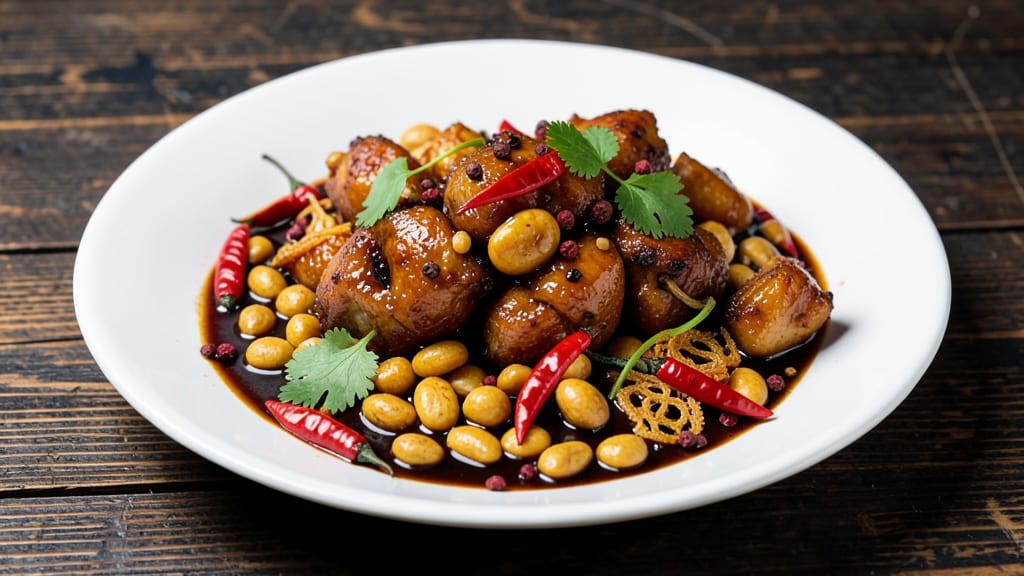
This authentic kung pao sauce recipe delivers the smoky, spicy, and umami-rich flavor that defines Sichuan cuisine—without the shortcuts that compromise authenticity.
The secret lies in fermented chili bean paste, which brings that signature deep, slightly funky heat, while vinegar and soy sauce balance the intensity with bright acidity and savory depth.
I’ve perfected this version after years of tasting homemade and restaurant-made sauces, ensuring every spoonful captures the complexity of a proper Sichuan kitchen.
The sauce starts with a dry stir-fry of garlic, ginger, and Sichuan peppercorns, which infuse the oil with aromatic heat. Fermented chili bean paste, the star ingredient, adds that unmistakable smoky-sweet chili flavor, while a splash of Shaoxing wine and dark soy sauce deepen the umami.
The result is a versatile sauce that clings to proteins like chicken or tofu, creating a sticky, slightly charred crust with every bite. Unlike store-bought versions, this one builds flavor gradually—ideal for tossing with stir-fried vegetables or drizzling over noodles.
What sets this recipe apart is the balance of textures and heat levels—smooth yet slightly grainy from the bean paste, with a lingering warmth from the Sichuan peppercorns.
The sauce keeps well in the refrigerator for up to 2 weeks or can be frozen for months, making it a pantry staple for anyone craving authentic Chinese flavors. Whether you’re cooking for a weeknight dinner or prepping for a gathering, this sauce transforms simple ingredients into something extraordinary.
For those new to Sichuan flavors, start with a smaller batch to adjust the heat to your preference. The sauce’s intensity mellows slightly as it cools, so taste as you go.
Pair it with your favorite proteins or vegetables, and don’t forget the classic garnish of toasted peanuts and scallions—it’s the finishing touch that elevates every dish. Let’s get cooking!
Ingredients for authentic kung pao sauce
Nine essential ingredients transform into Sichuan's iconic umami-spicy sauce magic.
| Ingredient | Amount | Notes |
|---|---|---|
| Vegetable Oil 🫒 | ½ cup | High smoke point for stir-frying |
| Garlic Cloves 🧄 | 6 whole | Freshly minced for aromatic depth |
| Fresh Ginger 🌿 | 1 ½ tbsp | Finely grated, skin on |
| Sichuan Peppercorns 🌶️ | 1 tbsp | Lightly toasted for aroma |
| Fermented Chili Bean Paste 🌶️ | ½ cup | Doubanjiang, essential for smoky heat |
| Light Soy Sauce 🥫 | ¼ cup | For umami balance |
| Dark Soy Sauce 🥫 | 1 tbsp | Color enhancer, rich flavor |
| Shaoxing Wine 🍷 | 2 tbsp | Dry, aromatic Chinese wine |
| Rice Vinegar 🍶 | 1 ½ tbsp | Bright acidity balance |
| Granulated Sugar 🍚 | 1 tbsp | Cuts heat, balances flavors |
The fermented chili bean paste is non-negotiable—look for authentic doubanjiang in Asian markets, not the red chili paste substitutes. Lao Gan Ma or Lee Kum Kee brands are reliable, but the funkier, the better. Sichuan peppercorns? Toast them lightly in a dry pan first—this releases their signature numbing aroma. Fresh ginger and garlic should be vibrant, not woody. For the soy sauces, Japanese light soy and Chinese dark soy make all the difference over generic brands. Shaoxing wine can be found in the international aisle at most grocery stores, but if you can't, dry sherry works in a pinch.
No Sichuan peppercorns? Substitute with a pinch of cayenne plus black pepper, but you'll lose that signature tingling. Out of fermented bean paste? Mix 1 tbsp gochujang with 1 tbsp tomato paste—it's not the same, but it adds depth. Shaoxing wine missing? Dry white wine or mirin works, though the flavor profile shifts slightly. The sugar can be swapped for honey or maple syrup, but granulated keeps it authentic. For the vinegar, apple cider vinegar is a decent substitute if rice vinegar isn't available. Remember: the bean paste is the soul of this sauce—don't skimp on quality there.
This sauce builds flavor as it sits, so make it a day ahead if possible. Store in an airtight jar in the fridge for up to 2 weeks, or freeze for 6 months in ice cube trays for single-use portions. The sauce thickens as it cools, so add a splash of water when reheating. For extra authenticity, toast raw peanuts and scallions separately to garnish—this isn't part of the sauce itself, but it's the perfect finishing touch that restaurant versions always include.
Why You'll Love This Recipe
- No Chopping Chaos: I swear by this—just minced garlic, a quick ginger grate, and a handful of Sichuan peppercorns. No dicing, no julienne, no stress. The fermented chili bean paste does all the heavy lifting while you stir.
- Fiery-Garlicky Magic: That moment when the oil shimmers and the Sichuan peppercorns hit? Chef’s kiss. The garlic and ginger sing, the chili paste adds depth, and suddenly your stir-fry tastes like it came from a dim sum cart. Honestly, I’ve tried store-bought sauces—this beats them every time.
- Weeknight Wonder: Dinner with friends? Meal prep for the week? This sauce works for both. Toss it with chicken, tofu, or even noodles—it’s my go-to when I’m too tired to think. (Yes, even on a Tuesday night.)
- Budget Booster: A tiny jar of fermented chili bean paste and a few cloves of garlic stretch into so much sauce. I make a big batch, freeze half, and still have leftovers for weeks. My wallet and my taste buds thank me.
Step-by-step instructions for authentic kung pao sauce
Here's how to build that signature smoky, spicy, umami-packed sauce from scratch.
Toast the Sichuan Peppercorns for Maximum Aroma
Heat a dry skillet over medium heat and add the 1 tablespoon Sichuan peppercorns. Toast them for 1-2 minutes until fragrant and slightly puffed, shaking the pan frequently to prevent burning. That nutty, citrusy aroma is what makes this sauce authentic—don't skip this step!
Once toasted, transfer the peppercorns to a spice grinder or mortar and pestle and grind them into a fine powder. You'll need about 1 teaspoon of the ground peppercorns for the sauce, but keep the rest for garnish or future recipes. The heat from toasting intensifies their flavor, which carries through the entire dish.
Bloom the Fermented Chili Bean Paste in Oil
Pour the 0.5 cup vegetable oil into a clean skillet and heat over medium heat until shimmering but not smoking. Add the 0.5 cup fermented chili bean paste and stir constantly for 2-3 minutes until it darkens slightly and releases its deep, smoky aroma.
This step is crucial—it develops the complex, fermented flavors that define authentic Kung Pao sauce. If you smell the oil starting to smoke, reduce the heat immediately. The paste should coat the back of a spoon and have a thick, almost paste-like consistency. This is your flavor foundation.
Add Aromatics and Build the Sauce Base
Push the chili paste to one side of the pan and add the 6 whole garlic cloves and 1.5 tablespoons fresh ginger to the empty space. Sauté for 30 seconds until the garlic turns golden and the ginger becomes fragrant. Then stir everything together and cook for another 1 minute.
Next, add the 2 tablespoons Shaoxing wine and 1.5 tablespoons rice vinegar. Let the wine simmer for 30 seconds to cook off the alcohol, then add the 0.25 cup light soy sauce, 1 tablespoon dark soy sauce, and 1 tablespoon granulated sugar. Stir constantly and let the mixture reduce by about half—this should take 3-4 minutes.
The dark soy sauce adds that signature deep color, while the sugar balances the heat. If the sauce starts to stick, add 1-2 tablespoons water to keep it moving. You're building layers of flavor here—don't rush it.
Finish with Toasted Peppercorns and Adjust Seasoning
Remove the skillet from heat and stir in the 1 teaspoon ground Sichuan peppercorns you reserved earlier. Let the sauce sit off the heat for 1 minute to allow all the flavors to meld together. Taste and adjust seasoning if needed—you might want to add a bit more soy sauce for saltiness or sugar to balance the heat.
For an authentic touch, I like to finish with a pinch of white pepper—it complements the Sichuan peppercorns beautifully. The sauce should be thick enough to coat the back of a spoon but still pourable. If it's too thick, thin it with a splash of hot water; if too thin, simmer it longer to reduce.
Use Immediately for Maximum Flavor Impact
This sauce is best used fresh, so keep it warm over low heat until you're ready to use it. It's perfect for tossing with stir-fried chicken, tofu, or vegetables. The flavors will continue to develop as they cook, so don't be afraid to let it simmer gently in the pan with your protein.
For the best results, use this sauce within 24 hours—the freshness makes all the difference. If you have leftovers, store them in an airtight container in the refrigerator for up to 5 days, but reheat gently to preserve the texture and prevent separation.
Pro Tips For Making Authentic Kung Pao Sauce
- Bloom the Chili Paste: Heat your oil until it shimmers at 300°F (150°C)—just before it smokes—and toss in the fermented chili bean paste immediately. Let it sizzle for 30 seconds without stirring; this blooms the deep, nutty flavors instead of burning them. I learned this the hard way when my sauce tasted flat because I rushed the step.
- Toast Sichuan Peppercorns: Dry-toast the whole Sichuan peppercorns in a separate pan over medium heat for 1-2 minutes until fragrant and slightly puffed. Crush them after toasting—this releases their citrusy, numbing oils fully. Skipping this means missing half the aroma.
- Minimize Moisture Before Stir-Fry: Pat your protein (chicken, pork, or tofu) and any veggies (bell peppers, onions) bone-dry with paper towels before hitting the wok. Extra moisture steams instead of sears, turning your sauce into a soggy glaze. Even if you’re impatient, take the 30 seconds—it’s non-negotiable for that signature char.
- Save Time with Pre-Minced Garlic: Use pre-minced garlic (not chopped) to shave 5 minutes off prep—just drain it well and pat dry. Freshly minced works better, but if you’re making this mid-week, the pre-minced version still delivers when tossed in at the right moment (after the chili paste but before the ginger).
Dietary considerations for this dish
Gluten-Free Adaptation
Skip the soy sauces entirely and replace them with 3 tablespoons gluten-free tamari (like San-J Tamari) for the same umami depth. Tamari has a similar profile to soy sauce but is naturally gluten-free.
Use 1 tablespoon dark soy sauce substitute—look for gluten-free versions of Lee Kum Kee Dark Soy Sauce—to maintain the signature color and richness. The sauce will still cling beautifully to proteins while keeping the dish safe for gluten-sensitive diners. 🥄
Spicy-Free Version
For a milder heat profile, reduce the fermented chili bean paste to 0.25 cup (half the original amount) and replace the remaining 0.25 cup with smooth tomato paste (like Muir Glen). This removes the intense chili heat while keeping the smoky depth.
Adjust the sugar to 1.5 tablespoons to balance the flavors. The sauce will still have complexity but without the fiery kick. 🌶️
Vegetarian Considerations
This sauce is already vegetarian-friendly, but ensure your fermented chili bean paste is vegan (some contain fish sauce). For extra umami, add 1 tablespoon miso paste (white or red) when combining the aromatics.
The miso enhances the savory notes, making it perfect for tossing with tofu or mushrooms. Store-bought versions often contain meat-based ingredients, so always check labels. 🌱
Low-Sodium Options
Cut the sodium dramatically by using low-sodium soy sauces (like Kikkoman Low-Sodium) and reducing the light soy to 0.125 cup. Add extra 1 teaspoon sugar to compensate for the lost saltiness.
Balance the acidity with an extra 0.5 tablespoon rice vinegar to keep the flavors vibrant. This version works well for heart-healthy diets without sacrificing flavor. ❤️
Nut-Free Garnish
Skip the traditional toasted peanuts and use crispy fried shallots (like La Choy) or toasted sesame seeds instead. These add crunch and visual appeal without nuts.
For extra texture, lightly fry thin potato slices until crispy—this mimics the crunch of peanuts while keeping the dish nut-free. Garnish with extra scallions for freshness. 🥔
Allergy-Friendly Adjustments
For soy allergies, replace both soy sauces with 3 tablespoons coconut aminos (like Annie Chun's). Use 1 tablespoon gluten-free dark soy sauce substitute for color. For sesame allergies, omit sesame seeds and use popped rice cereal (like Rice Chex**) for crunch instead.
Always double-check labels—many Asian sauces contain hidden allergens. Safety first! 🛡️
Nutrition facts
Frequently asked questions
What makes this sauce different from store-bought kung pao sauce?
This recipe uses authentic fermented chili bean paste (doubanjiang) and toasted Sichuan peppercorns—key ingredients missing in most store versions. The homemade version builds complex flavors through slow reduction, while commercial sauces often rely on artificial colors and preservatives. The texture is also richer, clinging perfectly to proteins.
Can I make this sauce without Sichuan peppercorns?
Yes, but you'll lose the signature tingling numbing sensation. Substitute with 1/4 teaspoon cayenne plus 1/4 teaspoon black pepper, though the flavor won't be identical. For authenticity, try to find Sichuan peppercorns—they're essential for that true Sichuan profile. The toasted aroma is what makes this sauce special!
How long does this sauce keep and can I freeze it?
Store in an airtight container in the fridge for up to 2 weeks, or freeze in ice cube trays for 6 months. Thaw overnight in the fridge before using. The sauce thickens when chilled, so add a splash of water when reheating. Freezing preserves all the flavors perfectly for future use!
What's the best way to use leftover kung pao sauce?
Use it within 24 hours for best flavor, but it works well for up to 5 days refrigerated. Toss with stir-fried chicken, tofu, or vegetables—it's perfect for noodles too! For extra depth, simmer the sauce with your protein for 2-3 minutes to let the flavors meld. Garnish with toasted peanuts and scallions for authenticity.
Why does my sauce taste too salty?
Most likely, the soy sauces overpowered the balance. Next time, reduce light soy to 0.125 cup and use low-sodium versions if needed. The sugar and vinegar help balance saltiness—add 0.5 tablespoon extra vinegar to cut through salt. Taste as you go to adjust!