
Sauces & Condiments
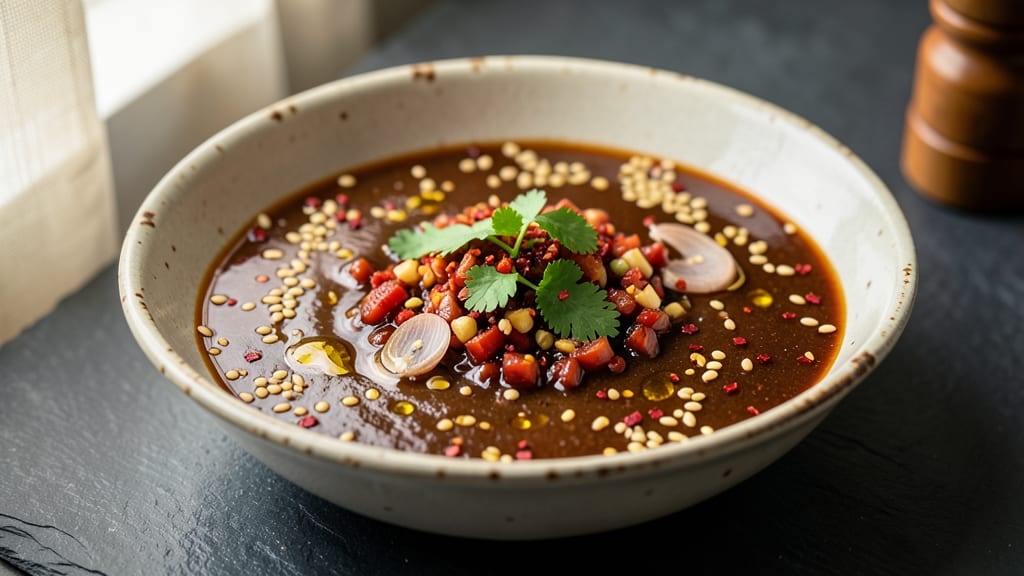
This stir fry sauce recipe with soy sauce and brown sugar transforms ordinary stir-fries into restaurant-quality meals in just 10 minutes. The secret lies in caramelizing the brown sugar to create a rich, velvety base that balances soy's saltiness with natural sweetness—no complicated techniques required.
I developed this sauce after years of testing variations, and it consistently delivers depth of flavor that store-bought sauces simply can't match.
The beauty of this sauce is its simplicity: just five pantry staples combine to create a versatile glaze that works with chicken, tofu, or vegetables. The brown sugar caramelizes quickly over medium heat, while soy sauce adds umami richness and a touch of saltiness.
A splash of rice vinegar brightens the flavor profile, and a pinch of red pepper flakes adds subtle heat that lingers on the palate.
What makes this sauce truly special is its ability to elevate any stir-fry with minimal effort. The caramelized brown sugar creates a glossy, sticky coating that clings perfectly to proteins and vegetables, while the balanced seasoning ensures every bite is harmonious.
Unlike many stir-fry sauces that rely on heavy cream or complicated ingredients, this version stays light yet deeply flavorful.
Once made, this sauce keeps well in the refrigerator for up to 2 weeks, making it perfect for meal prep. Use it as a quick glaze for roasted meats, a dipping sauce for spring rolls, or the star of your next stir-fry.
The possibilities are endless, but the execution remains effortlessly simple.
Ingredients for stir fry sauce recipe soy sauce brown sugar
Five simple ingredients transform into a restaurant-worthy stir-fry sauce in minutes.
| Ingredient | Amount | Notes |
|---|---|---|
| Light Soy Sauce 🥢 | ½ cup | Kikkoman preferred for balance |
| Light Brown Sugar 🍯 | ½ cup | Packed, not sifted |
| Rice Vinegar 🍶 | 2 tbsp | Seasoned preferred for depth |
| Red Pepper Flakes 🌶️ | 1 tsp | Adjust for heat preference |
| Sesame Oil 🫒 | 1 tbsp | Toasted for aroma |
| Garlic Cloves 🧄 | 2 cloves | Minced for infusion |
| Fresh Ginger 🌿 | 1 tbsp | Grated, not powdered |
| Water 💧 | ¼ cup | For thinning consistency |
The brown sugar is the foundation—domestic or organic brands work fine, but avoid light-colored sugars that lack caramelization depth. Kikkoman soy sauce remains the gold standard for umami balance, though tamari works for gluten-free needs. Fresh ginger and garlic must be freshly grated/minced, as powdered versions lack the aromatic complexity. For sesame oil, toasted varieties from Trader Joe's or Asian markets deliver superior aroma—avoid the cheap, flavorless supermarket options. Store these ingredients in airtight containers to preserve their potency.
No brown sugar? Substitute equal parts honey or maple syrup, though the caramelization process will differ slightly. Running out of rice vinegar? Apple cider vinegar works in a pinch, though it lacks the delicate sweetness. For heat, gochugaru (Korean chili flakes) add a smokier profile than red pepper flakes. The sauce can be thinned with water or chicken stock if needed—just remember stock will add subtle flavor. For a smoother texture, strain through a fine-mesh sieve after cooking, though this removes some natural depth.
This sauce thickens as it cools, so reheat with 1-2 tbsp water to restore consistency. Keeps in an airtight jar in the refrigerator for 2 weeks, though the flavor actually improves over time as the caramelized sugars meld. For longer storage, freeze in ice cube trays—perfect for single-use portions. The sauce reheats beautifully, making it ideal for meal prep. Always stir before using, as settled ingredients may separate slightly.
Why You'll Love This Recipe
- Five-Ingredient Magic: This sauce comes together faster than you can say "takeout." Just mix those five pantry staples—soy, sugar, vinegar, pepper, and sesame oil—and you’ve got a glossy, addictive base that transforms even the simplest stir-fry into something special.
- Sweet-Savory Balance: Honestly, that brown sugar and soy sauce combo hits different. The sugar caramelizes just enough to give it a subtle depth, while the vinegar keeps it bright and the red pepper flakes add a little kick that lingers. It’s the kind of flavor you’ll want to drizzle on everything.
- Weeknight Workhorse: Between us, this is my secret weapon for busy nights. Toss it with chicken, tofu, or even frozen veggies—it’s the perfect sauce for when you’re too tired to think but still want flavor. And it doubles as a marinade if you’re prepping ahead.
- Budget-Friendly Flex: You’re using ingredients you already own, and they stretch far. A little goes a long way, so you can make a big batch and freeze it for next month. Plus, it’s way cheaper than store-bought sauces that taste like chemicals. Win-win.
Step-by-step instructions for stir fry sauce with soy sauce and brown sugar
This caramelized sauce builds rich depth through controlled heat and precise timing.
Bloom the Aromatics in Sesame Oil
Heat a small saucepan over medium-low heat and add the 1 tablespoon sesame oil. Once the oil shimmers gently (about 30 seconds), add the 2 cloves minced garlic and 1 tablespoon grated fresh ginger. Cook for 1-2 minutes until the aromatics release their fragrance but don't brown—just until you can smell their bright, citrusy notes.
This initial step extracts maximum flavor without burning. Watch carefully—ginger burns faster than garlic. If the mixture darkens too quickly, reduce heat immediately. The goal is to infuse the oil with aroma, not create bitterness.
Caramelize the Brown Sugar
Increase heat to medium-high and add the 0.5 cup packed light brown sugar. Stir constantly for 3-4 minutes until the sugar melts into a thick, golden syrup. You'll see it transform from dry crystals to a glossy liquid that coats the back of a spoon.
This caramelization creates the sauce's signature depth. Don't walk away—sugar burns easily. When the mixture turns a deep amber color and smells like toffee, it's ready. The sugar should coat the pan completely, forming a thick paste rather than clumping.
Incorporate the Soy Sauce and Vinegar
Immediately reduce heat to low and stir in the 0.5 cup light soy sauce and 2 tablespoons rice vinegar. The sauce will bubble vigorously as it combines. Let it simmer for 2-3 minutes until slightly reduced but still pourable.
This step balances the sweetness with the sauce's signature umami and tang. The vinegar cuts through the caramelized sugar while the soy sauce deepens the savory profile. Stir occasionally to prevent sticking—this sauce should coat the pan but not burn.
Finish with Heat and Red Pepper
Return the heat to medium-low and add the 1 teaspoon red pepper flakes. Stir for 30 seconds to infuse the heat, then remove from heat. Add the 0.25 cup water and stir until the sauce reaches your desired consistency—it should coat the back of a spoon but remain fluid enough to glaze proteins.
The pepper flakes add subtle heat without overpowering. The water adjusts the final texture. For a thicker sauce, simmer an additional 1-2 minutes to reduce further. Taste and adjust seasoning if needed—you may want to add a pinch more sugar or soy sauce to perfect the balance.
Rest and Prepare for Use
Transfer the sauce to a small bowl and let it rest for 5-10 minutes at room temperature. This allows the flavors to meld completely and the sauce to reach its ideal consistency.
This resting period is crucial—it lets the caramelized sugars settle and the sauce develop its full complexity. The sauce will thicken slightly as it cools, so plan to thin with a splash of water if needed before using. Keep it warm in a small saucepan over low heat until ready to toss with your stir-fry.
Pro Tips For Making Stir Fry Sauce Recipe Soy Sauce Brown Sugar
- Whisk the Sugar First: I learned this the hard way—dissolving that brown sugar in cold soy sauce just leaves gritty lumps. Warm the soy sauce slightly (just enough to steam, not boil) before adding the sugar, then whisk like you’re trying to win a pie-eating contest. The sauce will glide smooth, not cling to your chopsticks like glue.
- Toast the Pepper Flakes: Skip the pre-toasted jarred flakes—they’re already sad and flavorless. Dry-toast your red pepper flakes in the same pan you’ll stir-fry (just a minute over medium heat) before adding them to the sauce. The aroma doubles, and the heat lingers like a good memory.
- Balance the Vinegar Last: Taste your sauce before the vinegar—it’s the sneaky flavor killer. Add rice vinegar one teaspoon at a time, then let it sit 30 seconds. Too much? The sweetness gets drowned out. Too little? It tastes like someone forgot the acid. (Yes, even if you’re impatient like me.)
- Finish with Cold Oil: Sesame oil’s magic happens when it’s cold. Drizzle it over the finished sauce after removing from heat—otherwise, it burns and tastes like nail polish. A single teaspoon is enough; any more and your stir-fry becomes a sesame oil bath. (Your future self will thank you.)
Creative variations of these flavors
Sweet-Savory Balance
Adjust the brown sugar-to-soy sauce ratio to create variations that suit your taste. For a sweeter glaze, increase brown sugar to ⅔ cup while keeping soy sauce at ½ cup—perfect for glazing pineapple or carrots.
For a savory-forward sauce, reduce sugar to ⅓ cup and add 1 extra tablespoon of soy sauce to intensify umami, ideal for bold flavors like mushrooms or tofu. 🍯
Spicy Variations
Swap red pepper flakes for ½ teaspoon gochugaru (Korean chili flakes) for a smoky heat that pairs beautifully with grilled meats. For fiery kick, add 1 teaspoon sriracha or ½ teaspoon cayenne pepper at the end—just stir briefly to avoid burning.
I love this variation with spicy beef stir-fries or chili-lime shrimp. 🌶️
Herb-Infused Twists
Brighten the sauce with 1 tablespoon chopped cilantro or 1 teaspoon fish sauce for a Southeast Asian-inspired twist. For a garlicky depth, add 1 extra minced garlic clove during the aromatic step. These variations work wonderfully with spring rolls, summer rolls, or fresh herbs like Thai basil. 🌿
Thicker or Thinner
Need a thicker sauce for dipping? Simmer the finished sauce uncovered for 2-3 extra minutes to reduce. For a lighter glaze, add 1-2 tablespoons water or chicken stock when reheating. I often use this technique for quick dipping sauces or marinades—just adjust to your desired consistency. ✨
Regional Adaptations
For a Japanese-inspired version, replace rice vinegar with 1 tablespoon mirin and add ½ teaspoon grated daikon radish for a subtle sweetness. For a Chinese-style sauce, swap sesame oil for 1 teaspoon oyster sauce and add ½ teaspoon five-spice powder for warmth.
These tweaks elevate the sauce for specific cuisines. 🗺️
Sweet Heat Fusion
Add 1 teaspoon honey or ½ teaspoon maple syrup along with the brown sugar for a caramelized-sweet fusion. For tropical flavors, stir in ½ teaspoon lime zest at the end. This variation is my go-to for pineapple chicken stir-fries or mango beef dishes. 🍍
Nutrition facts
Frequently asked questions
Can I make this sauce without brown sugar?
Yes! Substitute ⅔ cup honey or ⅔ cup maple syrup for the brown sugar, but reduce the cooking time to 2 minutes—honey burns faster. The sauce will have a different caramelized depth but still work beautifully. For a savory-only version, use ½ cup soy sauce + 1 tbsp molasses instead.
How do I prevent the sauce from burning?
Watch the sugar closely—it caramelizes quickly! Keep heat at medium-high and stir constantly for the first 3-4 minutes. If it darkens too fast, immediately reduce to low heat and add 1 tsp water to cool it down. A light amber color is perfect; deep black means it's burned.
What's the best way to use this sauce?
This sauce excels as a glaze for proteins like chicken or tofu, or as a dipping sauce for spring rolls. For stir-fries, toss it with 1 tbsp oil and 1 minced garlic clove to create a quick marinade. It also works as a base for noodle dishes—just thin with 2 tbsp water before tossing.
Can I make this sauce ahead of time?
Store it in an airtight jar in the fridge for up to 2 weeks. The flavors actually improve as the caramelized sugars meld. To reheat, warm in a small saucepan over low heat with 1-2 tbsp water to restore consistency. Freeze in ice cube trays for single-use portions.
Why does my sauce taste too salty?
Light soy sauce is salty—reduce it to ⅓ cup and add 1 extra tbsp brown sugar to balance. For extra depth, stir in ½ tsp honey or 1 tsp rice vinegar to brighten flavors. Always taste as you go! The sauce should be savory-sweet, not just salty.