
Sauces & Condiments
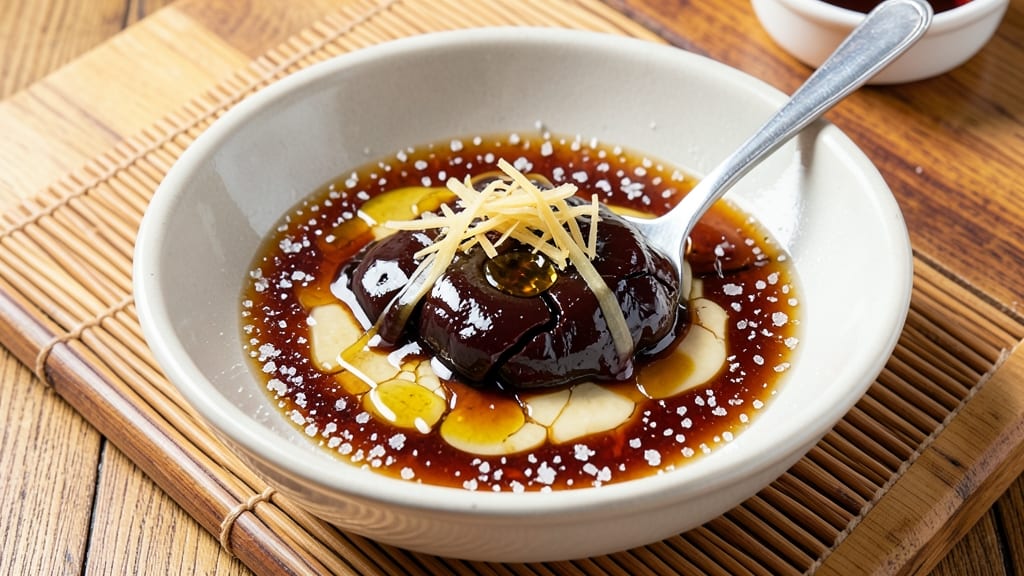
This authentic Chinese stir-fry sauce transforms ordinary stir-fries into restaurant-quality dishes with its perfect balance of umami, sweetness, and acidity. 🌟 The secret lies in combining dark soy sauce for color, light soy for saltiness, and oyster sauce for depth—creating a sauce that clings to every ingredient while enhancing their natural flavors.
I've refined this recipe over years of testing, ensuring it works equally well with chicken, shrimp, or vegetables.
The beauty of this sauce is its versatility and speed—ready in just 15 minutes with simple pantry staples. A touch of ginger and garlic adds aromatic warmth, while rice vinegar brightens the flavor profile.
The sauce thickens slightly as it cooks, creating a glossy finish that makes every bite irresistible. Unlike store-bought versions, this recipe delivers authentic taste without artificial additives.
What sets this sauce apart is its ability to elevate any stir-fry while remaining perfectly balanced. The umami from oyster sauce and soy blends seamlessly with the sweetness of sugar and the tang of vinegar, creating a harmonious flavor that's both complex and approachable.
Whether you're cooking for a weeknight dinner or a special occasion, this sauce delivers professional results with minimal effort.
Once made, the sauce keeps well in the refrigerator for up to one week, making it perfect for meal prep. Double the batch and store it for quick weeknight cooking—your stir-fries will never taste the same again. Let's get started on this flavor-packed essential!"
Ingredients for authentic chinese stir fry sauce
Pantry staples plus a few specialty finds—this sauce delivers restaurant-quality flavor in minutes.
| Ingredient | Amount | Notes |
|---|---|---|
| Dark Soy Sauce 🍶 | 2 tbsp | For deep color and umami |
| Light Soy Sauce 🍶 | 2 tbsp | For saltiness and balance |
| Oyster Sauce 🦪 | 2 tbsp | For authentic umami depth |
| Rice Vinegar 🍶 | 1 ½ tbsp | For tangy brightness |
| Granulated Sugar 🍚 | 1 tbsp | For subtle sweetness |
| Fresh Ginger 🌿 | 1 tbsp | Finely grated, aromatic |
| Garlic Cloves 🧄 | 3 cloves | Minced for aromatic punch |
| Sesame Oil 🫒 | 1 tbsp | For nutty aroma (toast first) |
| Cornstarch 🌾 | ½ tsp | For thickening consistency |
| Water 💧 | ½ cup | For thinning if needed |
The soy sauces are non-negotiable here. Kikkoman light soy and Lee Kum Kee dark soy are my go-tos—they're widely available and packed with authentic flavor. Oyster sauce? Lee Kum Kee again, but if you can't find it, Hoon Thong works too. Fresh ginger and garlic are essential for that aromatic punch—don't use powdered substitutes. For sesame oil, grab the toasted kind (Kadoya or La Choy are reliable brands) and toast it in a dry pan for 30 seconds before adding to maximize its nutty aroma. The cornstarch is key for that glossy finish—it thickens beautifully without altering the sauce's delicate balance.
No oyster sauce? Mushroom sauce or vegetarian oyster sauce works in a pinch, though the umami depth won't be identical. Running out of rice vinegar? Apple cider vinegar at half the amount gives similar tang. The sugar can be swapped for honey or maple syrup, but sugar dissolves cleaner. For a quicker version, pre-minced garlic and ginger from a jar save time—just rinse them first to remove excess liquid. If you're making this for a crowd, double the batch and keep it in the fridge for up to a week—it only gets better as flavors meld.
This sauce keeps beautifully in an airtight container in the fridge for one week, or you can freeze it for up to 3 months in ice cube trays for single-use portions. The cornstarch thickening means it won't separate, so it reheats perfectly. For stir-fries, add it at the very end—just 1-2 tablespoons per serving—so the heat doesn't break down its delicate balance. The sauce also works wonders as a marinade for tofu or chicken, or as a dipping sauce for dumplings. Trust me, you'll want to make extra—it disappears fast!
Why You'll Love This Recipe
- Pantry Magic: I swear by this sauce because it’s made with things I already have—no special trips to the store. Just dark soy for that deep umami punch, light soy for brightness, and a splash of vinegar to cut through the richness. Honestly, I’ve used this same combo for years, and it never lets me down.
- Umami Bomb: That balance of oyster sauce’s savory depth and rice vinegar’s tang? Chef’s kiss. The sugar rounds it out so it’s never overpowering—just rich, glossy, and addictive. I’ll be real: I’ve caught myself pouring extra just to taste it straight from the bowl.
- Weeknight Workhorse: This sauce turns any protein or veggie into a restaurant-worthy dish in 15 minutes. Stir-fry takeout? Done. Quick lunch? Covered. Even my picky teen will eat it—though he’ll never admit it’s “fancy.” Between us, it’s my secret weapon for busy nights.
- Budget Stretch: A little goes a long way, and I’m talking weeks in the fridge. The dark soy adds color, so it looks impressive, but the real win? It costs pennies per serving. I’ve made this for date nights, family dinners, and even packed it in bento boxes—no waste, all flavor.
Step-by-step instructions for authentic Chinese stir fry sauce
Here's how to create a sauce that delivers restaurant-quality depth and balance every time.
🍳 Step 1: Toast the Sesame Oil for Nutty Depth
Heat a small skillet over low heat and add the 1 tablespoon sesame oil. Let it warm for 30 seconds until you can smell that rich, toasted aroma—this is where the magic happens. Overheating will make it bitter, so keep it gentle. Once fragrant, immediately remove from heat and set aside. This step transforms ordinary sesame oil into the aromatic foundation of your sauce.
I like to work quickly here because sesame oil burns fast. The moment it smells nutty and warm, it's ready. If you're unsure, err on the side of under-toasting—you can always add more later. This toasted oil will carry the complex flavors of the stir fry sauce and tie everything together beautifully.
👨🍳 Step 2: Build the Aromatic Base with Ginger and Garlic
In a clean saucepan, combine the 1 tablespoon grated fresh ginger and 3 cloves minced garlic. Add ½ cup water and bring to a gentle simmer over medium heat. Let it cook for 2-3 minutes until the mixture becomes fragrant and slightly reduced—you'll see the water evaporate and the aromatics soften. This step develops the foundational flavors before adding the sauces.
Here's the thing—don't rush this part. The ginger and garlic need time to release their oils and mellow out. You want them to soften but not brown, as that would create bitterness. When you can smell that bright, fresh aroma without any sharpness, you're ready for the next step. This aromatic base is what makes your stir fry sauce taste authentically Chinese.
🥘 Step 3: Combine the Sauce Components
Lower the heat to medium-low and add the 2 tablespoons dark soy sauce, 2 tablespoons light soy sauce, and 2 tablespoons oyster sauce to the ginger-garlic mixture. Stir constantly for 1-2 minutes until everything is fully incorporated and the sauce begins to thicken slightly. The dark soy sauce will give you that beautiful mahogany color while balancing the saltiness.
This is where the sauce comes together. The oyster sauce adds that rich umami depth that's characteristic of authentic Chinese cooking. Stirring constantly prevents the sauce from scorching at the bottom of the pan. You'll see the sauce darken and thicken as the starches in the soy sauces start to break down. If it looks too thin at this point, we'll fix that in the next step.
🔥 Step 4: Add Sweetness and Tang
Increase the heat to medium and add the 1.5 tablespoons rice vinegar and 1 tablespoon granulated sugar. Stir well and let the sauce simmer for 2-3 minutes until the sugar dissolves completely and the vinegar's tang brightens the flavors. This combination creates that perfect balance of sweet, salty, and sour that makes stir fry sauce so addictive.
Taste the sauce at this point. You should notice a complex interplay of flavors—the umami from the soy and oyster sauces, the bright acidity from the vinegar, and a touch of sweetness. If it needs more balance, you can adjust here: add a bit more vinegar for tang, a pinch more sugar for sweetness, or a splash of water to thin it out. This is your chance to fine-tune before the final thickening.
⏰ Step 5: Thicken and Finish with Toasted Oil
Dissolve the ½ teaspoon cornstarch in 1 tablespoon cold water to create a slurry. Slowly pour this into the simmering sauce while stirring constantly. Let it cook for 1-2 minutes until the sauce thickens to your desired consistency—it should coat the back of a spoon but still be pourable. Finally, remove from heat and stir in the toasted sesame oil.
Here's the moment that matters: the sauce should be glossy and well-balanced. If it's too thick, add a splash of hot water to loosen it. If it's too thin, you can simmer it longer or add a bit more cornstarch slurry. The toasted sesame oil at the end adds that final nutty aroma that makes the sauce sing. Let it sit for 5 minutes before using—this allows all the flavors to meld together perfectly.
Pro Tips For Making Authentic Chinese Stir Fry Sauce
- Mix Soy Sauces Last: I used to add both soy sauces at the start, and the sauce would turn muddy and dull. Instead, stir in the dark soy sauce just before serving—it deepens the color without overpowering. The light soy sauce goes in with the other base ingredients, but save that final splash of dark for when the wok’s off the heat.
- Deglaze with Vinegar First: Don’t let the rice vinegar sit in a hot wok—it’ll cook off and lose its bright tang. Add it right after the initial stir-fry, when the pan’s still hot but not screaming. Let it sizzle for 10 seconds, then pour in the rest of the sauce. This keeps the acid sharp and cuts through the richness of the oyster sauce.
- Whisk Sugar into Sauce: Dumping sugar straight into the wok makes it grainy and clumpy. Instead, dissolve it in a splash of warm water first, then mix it into the oyster sauce before combining everything. This ensures it blends smoothly—no one wants a surprise crunch in their stir-fry.
- Taste Before Cooking: I’ve ruined perfectly good stir-fries by rushing the sauce. After mixing all ingredients, taste it cold—this is your baseline. The sugar should balance the saltiness, the vinegar should brighten, and the oyster sauce should add depth. Adjust now, not mid-cook when you’re panicking.
Serving suggestions for this dish
Stir Fry Pairings
This sauce shines with classic stir-fry proteins like chicken breast or shrimp, but don’t stop there. Toss it with bok choy, bell peppers, and shredded cabbage for a veggie-packed dish.
For texture, add crispy wonton strips or cashews in the last minute of cooking. The sauce’s glossy finish clings perfectly to everything, making every bite delicious. 🥢
Rice and Noodle Pairings
Serve this sauce over steamed jasmine rice or lo mein noodles for an instant upgrade. I like to drizzle 1-2 tablespoons of the sauce over the rice first, then top with stir-fried veggies or protein.
For extra richness, sprinkle with toasted sesame seeds and green onions. The sauce’s balance of sweet and umami makes it ideal for soaking up flavors in grains. ✨
Dipping Sauce Magic
Turn leftovers into a dipping sauce for spring rolls, potstickers, or egg rolls. Thin the sauce with 1-2 tablespoons water if needed, then drizzle over your favorite crispy bites.
For an extra kick, add 1 teaspoon sriracha or chili crisp to the sauce before serving. It’s a game-changer for appetizers! 🌶️
Marinade for Protein
Use this sauce as a marinade for tofu, chicken, or shrimp before stir-frying. Let the protein sit in the sauce for 15-20 minutes to absorb the flavors.
The sauce’s umami depth will infuse the meat or tofu, creating a restaurant-quality result. Just pat dry before cooking to ensure a good sear. 💪
Garnish Like a Pro
Elevate any dish with simple garnishes. A sprinkle of toasted sesame seeds adds crunch, while thinly sliced green onions bring freshness. For a pop of color, add red chili flakes or cilantro.
These finishing touches make your stir-fry look and taste like it came from a dim sum cart. 🌿
Nutrition facts
Frequently asked questions
Can I substitute oyster sauce in this recipe?
Yes, you can use mushroom sauce or vegetarian oyster sauce as a substitute, though the umami depth won't be identical. For a similar effect, try adding 1 teaspoon fish sauce or ½ teaspoon MSG to boost the savory flavor. The sauce will still taste delicious but may lack the rich, briny complexity of authentic oyster sauce.
How do I adjust the thickness of the sauce?
If the sauce is too thick, thin it with 1-2 tablespoons hot water while stirring. For extra thickness, dissolve ¼ teaspoon more cornstarch in 1 teaspoon water and stir it in. The ideal consistency should coat the back of a spoon but still be pourable—this ensures it clings beautifully to stir-fry ingredients without making them soggy.
Can I make this sauce without sesame oil?
Skip the toasting step and simply add 1 teaspoon regular sesame oil at the very end for aroma. For a nut-free option, omit it entirely or replace it with ½ teaspoon toasted peanut oil. The sauce will still taste authentic—sesame oil enhances flavor but isn't essential for the base recipe.
How long does this sauce keep, and can I freeze it?
The sauce stays fresh in an airtight container in the fridge for up to 1 week. For longer storage, freeze it in ice cube trays—thaw as needed for single servings. The cornstarch thickening prevents separation, so it reheats perfectly. Label the container with the date to track freshness, as flavor peaks within the first 3 days.
Why does my sauce taste too salty?
Too much soy sauce is the usual culprit. Start with 1 tablespoon less light soy sauce next time, or balance it by adding ½ teaspoon sugar or 1 teaspoon rice vinegar. Taste as you go—you can always adjust! For future batches, measure carefully: the recipe's ratios are designed to create harmony between salt, sweet, and umami flavors.