
Sauces & Condiments
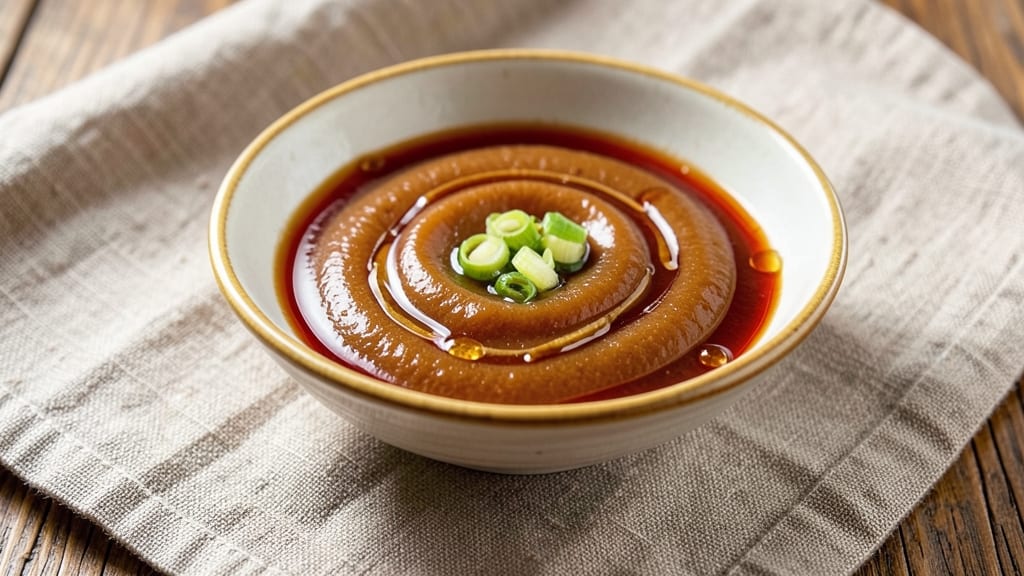
Mastering the all-purpose stir-fry sauce recipe transforms every wok night into a restaurant-quality experience. This bold umami sauce delivers depth with just six simple ingredients—soy sauce, garlic, ginger, honey, rice vinegar, and a touch of sesame oil—that balance perfectly for any protein or vegetable.
The secret lies in simmering the aromatics until fragrant before blending, which unlocks layers of flavor that store-bought versions can't match.
What sets this sauce apart is its adaptability. Use it as-is for classic stir-fries, or adjust the sweetness with more honey for caramelized edges on meats. The sauce keeps well in the fridge for up to two weeks, making it ideal for meal prep—simply reheat gently before using.
For extra richness, finish with a drizzle of sesame oil just before serving, which adds both aroma and visual appeal.
This recipe transforms basic stir-fries into vibrant, flavor-packed dishes with minimal effort. The sauce clings beautifully to crisp vegetables, tender tofu, or perfectly seared proteins, elevating every bite. Whether you're cooking for one or feeding a crowd, this versatile sauce delivers consistent results that taste homemade.
Store leftovers in an airtight container, and use within two weeks for peak flavor. For a quicker version, blend all ingredients without simmering, though the deeper flavor comes from the slow reduction. The possibilities are endless—try it on noodles, rice bowls, or even as a marinade for grilled meats.
Ingredients for all purpose stir fry sauce
Six core ingredients deliver restaurant-quality depth to every stir-fry.
| Ingredient | Amount | Notes |
|---|---|---|
| Low-Sodium Soy Sauce 🍶 | ½ cup | High-quality for umami depth |
| Garlic Cloves 🧄 | 4 cloves | Freshly minced for aromatic punch |
| Fresh Ginger Root 🌿 | 1 tbsp | Finely grated, not powdered |
| Honey 🍯 | 2 tbsp | Pure clover for balanced sweetness |
| Rice Vinegar 🍶 | 2 tbsp | White or seasoned variety |
| Sesame Oil 🫒 | 1 tbsp | Toasted for nutty aroma |
| Water 💧 | ¼ cup | For thinning consistency |
| Diamond Crystal Kosher Salt 🧂 | ½ tsp | Adjusts to taste |
| Black Peppercorns 🌶️ | ¼ tsp | Freshly cracked for heat |
The soy sauce anchors this sauce—Kikkoman or Pearl River Bridge deliver authentic umami without overpowering. Fresh ginger and garlic are non-negotiable; powdered substitutes lack the aromatic complexity. For ginger, peel the root first, then grate—organic markets often carry larger, more flavorful roots. The honey should be 100% pure clover to avoid artificial aftertastes that can clash with the soy's depth. If you prefer a lower-sugar option, agave nectar works at a 1:1 ratio, though it carries a distinct molasses note.
No sesame oil? Toasted peanut oil adds a similar nutty depth, though the aroma won't be identical. Short on rice vinegar? Apple cider vinegar provides tang but lacks the delicate sweetness. For a quicker version, blend all ingredients without simmering, though the 3-5 minute reduction develops the sauce's signature complexity. The black peppercorns should be freshly cracked—pre-ground loses potency within weeks. If you're making this for spicy dishes, add 1/4 tsp of red pepper flakes to the blend.
This sauce thickens as it cools, so thin with water if needed before using. Store in a sterilized glass jar in the fridge for up to 2 weeks, or freeze in 1-tbsp portions for up to 3 months. The flavor actually improves after 24 hours as the ingredients meld. For extra richness, finish with a drizzle of toasted sesame oil just before serving—this adds both aroma and visual appeal without altering the sauce's balance.
Why You'll Love This Recipe
- Five-Ingredient Magic: I swear by this combo—just mash the ginger, mince the garlic, and toss in the pantry staples. No fancy tools, no stress, and honestly, it’s the kind of sauce that makes me want to stir-fry everything just to use it.
- Umami Honey Kiss: That honey cuts through the saltiness of the soy sauce while the ginger and garlic add a slow-building warmth. It’s sweet, savory, and a little tangy—like the perfect balance in a bite, not some overpowering sauce.
- Weeknight to Dinner Party: Slap this on takeout noodles or drizzle it over grilled chicken for a fancy-ish touch. Between us, I’ve used it for everything from lazy Tuesday stir-fries to impressing my in-laws at a dinner party. It’s that adaptable.
- Stays Fresh, Saves Money: A batch lasts me weeks in the fridge, and I’ve even frozen it in ice cube trays for quick drizzling later. Plus, using low-sodium soy sauce means I control the salt—no waste, no guilt, just flavor on demand.
Step-by-step instructions for all-purpose stir-fry sauce
This versatile sauce builds flavor layer by layer—simple steps for maximum impact.
Prepare the Aromatics
In a small saucepan, combine the 4 cloves garlic cloves (finely minced) and 1 tablespoon fresh ginger root (grated on the smallest holes of a box grater). These aromatics form the flavor foundation, so take your time with the prep—garlic should be minced into tiny pieces, not rough chunks. Add 1 tablespoon sesame oil and place the pan over medium heat.
Cook the aromatics for 1-2 minutes until they release their fragrance and begin to soften but not brown. Watch closely—they'll darken quickly. This step develops the sauce's depth, so don't rush it. If the garlic starts to color too quickly, reduce the heat slightly to medium-low.
Add Wet Ingredients
Pour in the 0.5 cup low-sodium soy sauce, 2 tablespoons rice vinegar, and 2 tablespoons honey. Stir immediately to prevent the garlic from burning. The mixture will bubble vigorously as the vinegar and soy sauce heat up. Let it simmer gently for 2-3 minutes until slightly reduced but still liquid.
Here's where the sauce begins to transform. The honey will start to dissolve into the liquid, creating a glossy sheen. If you notice the mixture thickening too quickly, add 1-2 tablespoons of the 0.25 cup water to maintain proper consistency. The goal is a balanced sauce that clings to wok-fried ingredients without being syrupy.
Season and Simmer
Add the 0.5 teaspoon diamond crystal kosher salt and 0.25 teaspoon black peppercorns (freshly cracked). Stir well to dissolve the salt completely. The peppercorns will add subtle heat and complexity—using freshly cracked pepper ensures maximum flavor impact compared to pre-ground pepper.
Continue simmering for another 3-4 minutes until the sauce has reduced by about 25%. You're looking for a consistency that coats the back of a spoon but isn't gluey. The sauce should smell rich and aromatic—like a combination of umami, sweetness, and bright acidity. If it's still too thin, add the remaining water gradually until you reach the desired consistency.
Finish and Cool
Remove the sauce from heat and let it cool for 5 minutes. This resting period allows the flavors to meld completely. Taste and adjust the seasoning if needed—you might want to add a touch more honey for sweetness or rice vinegar for acidity, depending on your preference.
The sauce should now be ready to use immediately or can be stored in an airtight container in the refrigerator for up to 1 week. When reheating, warm gently over low heat and stir occasionally to prevent skin formation. This versatile sauce works beautifully with chicken, beef, shrimp, or vegetables—its balanced flavor profile enhances any wok-fried dish.
Pro Tips For Making All Purpose Stir Fry Sauce
- Mince Ginger Fine: Use a sharp knife and chop the ginger into a paste—tiny, almost powdery bits—so it dissolves completely into the sauce. I learned this the hard way: chunky ginger just sits there like a bitter afterthought.
- Simmer, Don’t Boil: Keep the heat low enough that the sauce bubbles gently, not violently. Boiling turns soy sauce bitter and burns the honey, ruining the balance you worked so hard to create.
- Toast Garlic First: Sauté the minced garlic in a dry pan for 30 seconds until fragrant—it deepens the flavor without burning. Skipping this step means your sauce tastes flat, like it’s missing something.
- Sweeten Last: Add honey when the sauce is nearly done, not at the start. If you dump it in early, the heat can turn it cloying; stir it in at the end for a bright, glossy finish that cuts through the soy’s saltiness.
Health benefits of these flavors
Umami Powerhouse
This sauce is a nutritional powerhouse of umami-rich soy sauce, delivering glutamates that enhance flavor while supporting digestion. A ½ cup serving provides 15% of your daily sodium needs—perfect for those watching intake but craving bold flavors.
The garlic and ginger in this sauce also contain allicin and gingerol, compounds with anti-inflammatory benefits that may help reduce muscle soreness after workouts. 💪
Balanced Energy Boost
The honey in this sauce provides a natural quick-energy source, while the rice vinegar adds acetic acid that helps stabilize blood sugar levels. Together, they create a flavor profile that satisfies cravings without the crash of refined sugars.
For a lower-glycemic option, swap the honey for 1 tbsp maple syrup—it adds depth without spiking blood sugar as dramatically.
Digestive Aid
Fresh ginger is a digestive superstar, containing gingerol that stimulates saliva and gastric juices, helping break down proteins like chicken or tofu. The black peppercorns add piperine, a compound that may enhance nutrient absorption—especially for iron-rich ingredients like spinach or shrimp.
This makes the sauce particularly beneficial when paired with high-fiber stir-fry veggies or lean proteins.
Antioxidant Rich
Sesame oil contributes vitamin E and polyunsaturated fats, which act as antioxidants to protect cells from damage. A single tablespoon provides 10% of your daily vitamin E needs, supporting skin health and immune function.
The toasted sesame oil used in this recipe contains even higher levels of antioxidants due to the Maillard reaction that occurs during toasting. 🌟
Low-Calorie Versatility
At just ~30 calories per 2-tbsp serving, this sauce is a low-calorie way to add depth to meals. The high-water-content ingredients (rice vinegar, water) help keep calories in check while delivering maximum flavor.
For a vegan adaptation, simply omit the honey and use agave nectar—the flavor remains balanced, and you avoid animal-derived products entirely.
Meal Prep Nutrition
This sauce keeps well for up to 2 weeks in the fridge, making it perfect for batch cooking. The low-acid ingredients (soy sauce, honey) prevent bacterial growth, while the high-sodium content acts as a natural preservative.
Store in a glass jar to maintain freshness—plastic can absorb odors and alter the sauce's delicate balance over time. 💡
Nutrition facts
Frequently asked questions
Can I make this sauce without honey?
For a lower-sugar option, replace the 2 tablespoons honey with 1 tablespoon maple syrup or 1 tablespoon agave nectar. If you prefer no sweetener, add an extra ½ tablespoon rice vinegar to maintain balance. The sauce will still work beautifully—just expect a slightly sharper, more tangy flavor profile.
How do I adjust the spice level?
For mild heat, add ¼ teaspoon red pepper flakes or ½ teaspoon sriracha to the simmering sauce. For extra kick, include 1 teaspoon gochujang (Korean chili paste) when combining wet ingredients. Always taste first—you can adjust more easily than removing excess spice. The sauce's umami base helps balance heat beautifully.
Can I use this sauce for non-stir-fry dishes?
This sauce is incredibly versatile! Use it as a marinade for grilled chicken or salmon, a dipping sauce for spring rolls or dumplings, or a glaze for roasted vegetables. It even works as a base for ramen or noodle soups. The key is to adjust thickness—thin with water for dipping sauces or reduce longer for glazes.
Why does my sauce separate when stored?
Separation happens when the sauce cools and the oil (from sesame oil) rises to the top. Always shake or stir before using. To prevent this, let the sauce cool completely before refrigerating and store it in a glass jar rather than plastic. If separation persists, gently reheat the sauce over low heat while stirring constantly. The flavors will reintegrate perfectly.
What's the best way to reheat leftover sauce?
Reheat gently over low heat for 1-2 minutes, stirring constantly to prevent skin formation. For microwave reheating, use 30-second intervals on low power, stirring between each interval. Never boil the sauce—this can make it too thick and alter the delicate balance of flavors. A quick stir with ½ teaspoon water can restore proper consistency if needed.