
Sauces & Condiments
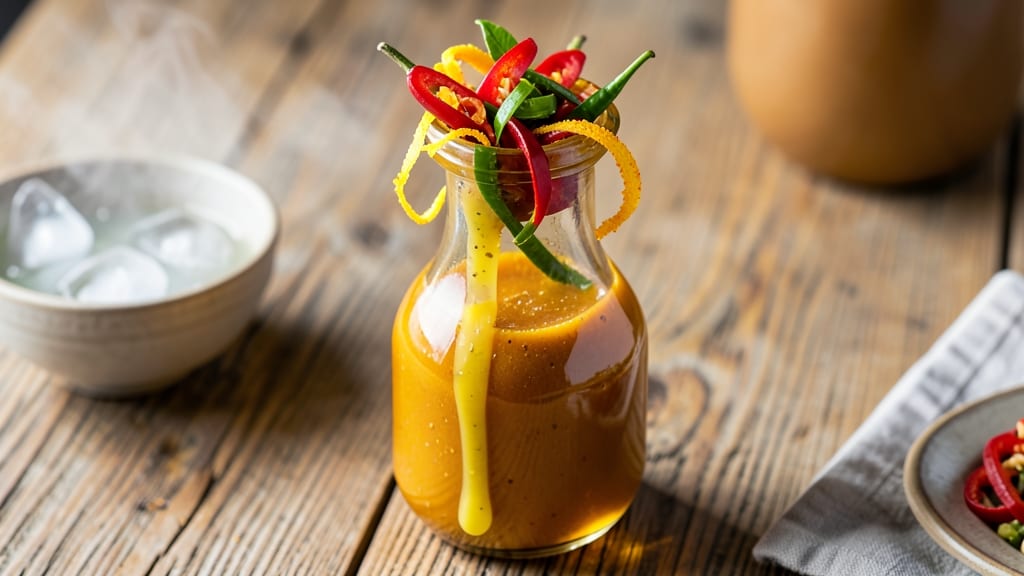
This citrus hot sauce recipe transforms bold flavors into a versatile condiment that brightens everything from tacos to seafood. The secret lies in balancing the sharp tang of fresh citrus with just the right amount of heat—using habaneros or serranos—to create a sauce that lingers without overpowering.
I developed this recipe after experimenting with leftover citrus peels and vinegar, and the results were unexpectedly complex: a perfect harmony of sweet, sour, and fiery notes.
The process is straightforward but precise: blend citrus juice, zest, and peppers with vinegar and a touch of sweetener, then strain for a silky texture.
What sets this sauce apart is its ability to enhance dishes without stealing the spotlight—whether drizzled over grilled shrimp, mixed into cocktails, or slathered on fries. The acidity from citrus preserves the heat, so it stays vibrant for weeks in the fridge.
What you’ll end up with is a sauce that’s both addictive and adaptable—bright enough to cut through richness while delivering a slow-building heat. The citrus zest adds aromatic depth, and the vinegar base ensures a long shelf life.
This isn’t just another hot sauce; it’s a flavor multiplier that turns ordinary meals into standout dishes.
Perfect for batch-making and gifting, this sauce keeps for months when stored properly. Let’s get started—your taste buds (and dinner guests) will thank you.
Ingredients for citrus hot sauce
Bright citrus, fiery peppers, and tangy vinegar make this hot sauce a game-changer.
| Ingredient | Amount | Notes |
|---|---|---|
| Fresh Lime Juice 🍋 | 1 cup | Strained for clarity |
| Fresh Orange Juice 🍊 | ½ cup | Freshly squeezed preferred |
| Fresh Lemon Juice 🍋 | ¼ cup | Brightens the sauce |
| Fresh Habanero Peppers 🌶️ | 2 whole | Seeds removed for milder heat |
| Fresh Serrano Peppers 🌶️ | 2 whole | Seeds removed for balance |
| White Vinegar 💧 | 1 cup | Preserves heat and acidity |
| Granulated Sugar 🍚 | 2 tbsp | Balances spice and acid |
| Fresh Lime Zest 🍋 | 1 tbsp | Adds aromatic depth |
| Salt 🧂 | ½ tsp | Enhances all flavors |
| Garlic Cloves 🧄 | 2 cloves | Minced for subtle depth |
The peppers are the heart of this sauce, so pick fresh, firm habaneros and serranos—the hotter, the better, but avoid any that feel soft or moldy. Trader Joe's and Mexican markets usually have the freshest selection. If you can't find habaneros, ghost peppers or Thai chilies work in a pinch, but reduce the amount by half. The citrus? Key limes or Meyer lemons add extra brightness, but regular limes and oranges will do just fine. I always zest an extra lime for garnish—it looks gorgeous and adds a little extra zing.
No fresh peppers? Dried chili flakes at half the amount will get you close, though the heat won't be as vibrant. Running low on lime juice? Substitute lemon juice at a 1:1 ratio, but add a pinch more sugar to balance the tartness. The vinegar is non-negotiable here—apple cider vinegar adds a fruity note if you want to experiment, but white vinegar keeps it classic. The sugar? Brown sugar or honey works too, but it’ll change the texture slightly. And if you’re worried about the heat, start with one habanero and taste as you go.
This sauce gets better with age—2-3 weeks in the fridge lets the flavors meld beautifully. Store it in a clean, airtight jar, and it’ll keep for up to 6 months. I like to make a big batch and give it away as gifts—label it clearly so people know what they’re getting. If you’re worried about heat, freeze it in ice cube trays for single-serving portions. And trust me, the first time you drizzle this over grilled shrimp or tacos, you’ll be hooked.
Why You'll Love This Recipe
- No Blender Needed: I’ll admit, I was skeptical at first—no fancy equipment, just a knife and a bowl. But those habaneros and serranos? They mash and blend right into the citrus with a fork. Honestly, the sauce comes together faster than I can say "spicy refresh."
- Tangy Heat Balance: That bright mix of lime, orange, and lemon juice cuts through the habanero’s punch like a cool breeze. Here’s what sold me—the heat lingers, but the citrus keeps it from being overwhelming. (Yes, even on a Tuesday night.)
- Pantry Starter Power: I keep this in my fridge year-round because it’s my secret weapon for everything from tacos to grilled fish. Between us, it’s the one sauce I never buy—just mix, jar, and go. My daughter picks out the serranos, but still asks for seconds.
- Lasts for Weeks: A little goes a long way, so I make big batches and store them in the fridge. Not the prettiest, but the taste makes up for it. Plus, the citrus keeps it fresh longer than store-bought hot sauces—no weird aftertaste. Budget-friendly and reliable.
Step-by-step instructions for citrus hot sauce
Bright, tangy, and packed with heat—this sauce comes together in minutes but develops incredible depth over time.
🔥 Step 1: Prep and Toast the Peppers
Start by removing seeds and membranes from the 2 whole fresh habanero peppers and 2 whole fresh serrano peppers—this balances the heat while keeping it vibrant. Cut them into thin strips and place them in a dry skillet over medium heat. Toast for 2-3 minutes, stirring frequently, until they darken slightly and release their aromatic oils. This step deepens their flavor without burning them.
Watch closely—they should smell intensely fruity and slightly charred. Immediately transfer the peppers to a blender or food processor once they're toasted. Here's the thing—if you let them burn, you'll get bitter smoke notes instead of that bright citrus heat we're after.
🍳 Step 2: Blend All Ingredients Together
Add the toasted peppers to your blender along with the 1 cup fresh lime juice, 0.5 cup fresh orange juice, 0.25 cup fresh lemon juice, 1 cup white vinegar, 2 tbsp granulated sugar, 1 tbsp fresh lime zest, 0.5 tsp salt, and 2 cloves minced garlic. Blend on high for 30-45 seconds until completely smooth. You want a fine, velvety texture with no visible pepper strings.
Taste before proceeding—this is your quality checkpoint. The sauce should be bright and acidic with noticeable heat building. If it needs more balance, add a pinch more sugar or salt. Real talk: the sugar might seem like too much at first, but trust me, it rounds out the acidity and heat beautifully.
⏰ Step 3: Simmer and Reduce the Sauce
Transfer the blended mixture to a saucepan and bring to a gentle boil over medium heat. Let it simmer uncovered for 15-20 minutes, stirring occasionally. You're looking for the sauce to reduce by about 25%—it should thicken slightly but still coat the back of a spoon easily. This reduction concentrates the flavors and creates that signature hot sauce consistency.
Watch for bubbles forming steadily around the edges of the pan—that's your signal the sauce is properly reducing. Don't walk away; if it boils too vigorously, it might burn. Once it reaches your desired thickness, remove from heat immediately to preserve all those bright citrus notes we worked so hard to develop.
🥘 Step 4: Strain and Bottle for Maximum Freshness
Let the sauce cool for 5 minutes, then strain it through a fine-mesh sieve into a clean bottle or jar. This removes any remaining pepper fibers for that ultra-smooth texture. The sauce will continue to develop flavor over the next 24-48 hours in the fridge—this is when all those citrus and spice notes truly meld together.
Store in an airtight container in the refrigerator where it'll keep for up to 2 weeks. The longer it sits, the more complex the flavors become. Here's where it gets fun—use it to brighten up tacos, rim cocktails, or drizzle over grilled seafood. Each time you open the bottle, you'll notice that perfect balance of citrus zing and lingering heat we created.
Pro Tips For Making Citrus Hot Sauce
- Toast the Peppers: Habaneros and serranos pack way more flavor when their seeds and membranes hit 350°F for 3-5 minutes—seriously, don’t skip this. I learned this the hard way after making a batch that tasted like raw heat instead of smoky depth. Use a dry skillet and watch them closely; they’re done when they darken and smell like charred citrus.
- Strain Twice: The first pass through a fine-mesh sieve won’t catch everything. Run the strained sauce through again if you want a silky texture—no visible seeds or pulp means no surprises when you’re drizzling it over tacos. (Yes, even if you’re impatient like me.)
- Balance the Heat: Start with 1 habanero per cup of citrus juice, then taste before adding more. Habaneros vary wildly in heat, and you’ll regret it if you end up with a sauce that’s just pain. If it’s too fierce, mix in a splash of orange juice—it mellows the bite without killing the flavor.
- Reduce Slowly: Simmer the sauce uncovered on low heat for 15-20 minutes, stirring often. Rushing it on high makes the citrus turn bitter and the peppers lose their brightness. If it reduces too fast, add a splash of water—just enough to keep it moving without diluting the punch.
Flavor customization for this recipe
Sweet Heat Balance
Adjust the sugar-to-acid ratio to control the heat level. For a milder sauce, reduce sugar to 1 tbsp and add 1 extra tbsp of orange juice—the natural sweetness balances the citrus acidity beautifully.
If you want extra heat, swap one habanero for a ghost pepper (reduce by half) and add ½ tsp smoked paprika for depth. I often taste as I go, starting with 1 tbsp sugar and adjusting based on the pepper intensity. 🌶️
Citrus Variations
Swap out the citrus for seasonal flavors—try grapefruit juice (½ cup) for a bitter-sweet twist or pineapple juice (½ cup) for tropical brightness. For a winter version, use blood orange juice and add 1 tsp orange zest to intensify the flavor.
I made a yuzu lime variation once by replacing half the lime juice with yuzu—it was unexpectedly complex. 🍊
Smoky Depth Additions
For a smoky profile, toast 1 tsp cumin seeds in the same skillet as the peppers, then blend them into the sauce. Alternatively, add 1 tbsp liquid smoke (like La Choy) to the simmering sauce—just ½ tsp goes a long way.
I once added ½ tsp chipotle powder for a slow-building smokiness that worked amazingly with tacos. 🔥
Herb Infusions
Brighten the sauce with fresh herbs—blend in 2 tbsp chopped cilantro or 1 tbsp chopped mint for a Middle Eastern twist. For a Mediterranean touch, add 1 tsp dried oregano during the simmer.
I love a cilantro-lime version drizzled over grilled fish—it’s like a fiesta in your mouth. 🌿
Spice Level Control
If your sauce is too hot, thin it with 1 tbsp additional citrus juice and add ½ tsp honey to mellow the burn. For extra complexity, blend in 1 tsp fish sauce (trust me, it works!) or 1 tsp soy sauce for umami depth.
I once "fixed" a spicy batch by adding 1 tsp coconut milk—it smoothed everything out perfectly. 💡
Flavor Layering
Add aromatic layers like 1 minced shallot (instead of garlic) for a sweeter depth or ½ tsp ground coriander for a citrus-friendly warmth. For a fermented kick, stir in 1 tbsp sauerkraut juice during the simmer—it adds tangy complexity.
I experimented with 1 tsp miso paste once, and it gave the sauce an unexpected savory note. 🍜
Nutrition facts
Frequently asked questions
Can I use dried peppers instead of fresh?
Yes, but adjust the amount carefully. For dried peppers, use ½ teaspoon per fresh pepper (so 1 teaspoon total for the 4 peppers in this recipe). Soak them in warm water for 15 minutes to rehydrate before blending. The heat will be more concentrated, so start with less if you're sensitive to spice.
How do I make this sauce less spicy?
Add 1 extra tablespoon of citrus juice (like orange or grapefruit) and ½ teaspoon honey or sugar to balance the heat. For a milder batch, reduce the habaneros to just 1 pepper next time. Taste as you go—this sauce is forgiving, and you can always adjust while simmering.
What's the best way to store homemade citrus hot sauce?
Store in a clean, airtight glass jar in the refrigerator where it'll keep for 2-3 weeks at peak freshness. For longer storage, freeze in ice cube trays (thaw quickly in the fridge) or transfer to a freezer-safe jar for up to 6 months. The acidity helps preserve it, but fresh batches always taste best.
Can I add other fruits to this recipe?
Try ½ cup pineapple juice for tropical notes or ¼ cup mango puree for sweetness. For a berry twist, blend in 2 tablespoons raspberry jam during the simmer. Just remember—each addition changes the flavor profile, so start small and taste frequently.
Why did my sauce turn cloudy?
Cloudiness usually means the citrus oils haven't fully emulsified. Fix it by blending again with 1 teaspoon xanthan gum or a splash of ½ teaspoon arrowroot powder mixed with 1 tablespoon water. Stir well and simmer for 5 more minutes. For future batches, strain through a fine-mesh sieve after simmering to catch any oils.