
Sauces & Condiments
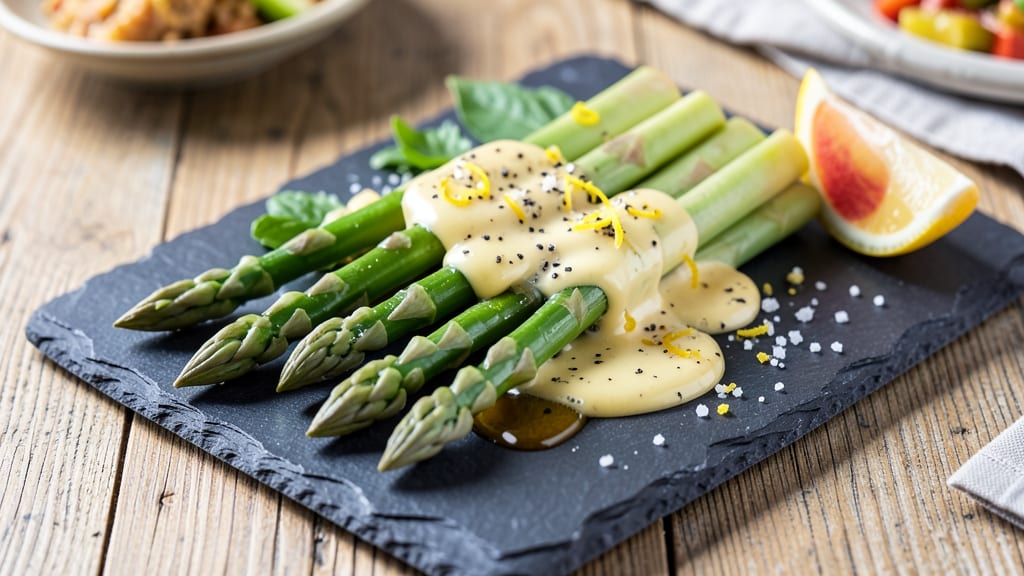
This asparagus with lemon butter sauce recipe transforms simple spring vegetables into a restaurant-worthy side dish in just 15 minutes. The secret lies in perfectly blanched asparagus paired with a bright, zesty butter sauce that adds a luxurious finish.
I've been perfecting this technique for years, and it never fails to impress—whether served at dinner parties or as a weeknight side.
The process is straightforward but critical for success: blanching the asparagus first ensures tender, vibrant spears, while the lemon butter sauce infuses every bite with a tangy, buttery richness.
This method delivers a balance of textures—crisp-tender asparagus with a velvety sauce that clings perfectly. The sauce also works as a versatile drizzle for other vegetables or proteins.
What you'll end up with is a dish that's elegant yet simple, featuring bright green asparagus spears glistening with golden lemon butter. The sauce's acidity cuts through the richness of the butter, creating a harmonious flavor profile that's both comforting and sophisticated.
This recipe is perfect for spring and summer menus, where fresh asparagus is at its peak.
Serve immediately for the best texture, but the sauce can be made ahead and reheated gently. Pair with grilled fish, chicken, or steak for a complete meal. Here's how to make it perfectly every time.
Ingredients for asparagus with lemon butter sauce
Elevate simple asparagus with this luxurious lemon butter sauce—just nine ingredients transform spring's finest vegetables into restaurant-worthy perfection.
| Ingredient | Amount | Notes |
|---|---|---|
| Fresh Asparagus Spears 🌱 | 1 ½ lb | Trim woody ends, medium thickness |
| Unsalted Butter 🧈 | ½ cup | Cold, cut into 8 pieces |
| Fresh Lemon Juice 🍋 | ¼ cup | From 2-3 lemons, freshly squeezed |
| Zest of 1 Large Lemon 🍋 | 1 tbsp | Fine, bright yellow |
| Diamond Crystal Kosher Salt 🧂 | ¾ tsp | Fine grain preferred |
| Freshly Ground Black Pepper 🌶️ | ¼ tsp | Coarsely ground |
| Fresh Parsley Leaves 🌿 | ¼ cup | Chopped, flat-leaf preferred |
| Extra-Virgin Olive Oil 🫒 | 1 tbsp | High-quality, fruity |
| Garlic Cloves 🧄 | 2 cloves | Minced, 1 tsp equivalent |
The asparagus is non-negotiable here—farm-fresh spears with tight tips and vibrant green color make all the difference. Local farmers markets or high-end grocery stores like Whole Foods carry the best quality, typically in late spring through summer. Trim the woody ends by bending each spear until it snaps naturally, then cut just above the break. Avoid pre-cut asparagus from the grocery store's plastic containers—it loses crispness fast. For the butter, European-style unsalted butter (like Plugrá) melts more smoothly than American brands, creating a velvety sauce. Keep everything cold until the last minute to prevent premature melting.
No fresh parsley? Dried parsley at one-third the amount works in a pinch, though it lacks freshness. Running short on lemon juice? Substitute bottled lemon juice, but add a pinch more salt to compensate for the lack of natural acidity. The olive oil can be swapped for avocado oil if you prefer a neutral flavor, though extra-virgin adds subtle fruity notes. For a dairy-free version, replace butter with vegan butter or coconut oil, though the sauce will have a slightly different texture. The garlic is optional but recommended—its aromatic depth complements the bright citrus perfectly. If you're using pre-minced garlic from a jar, drain it well to avoid watery sauce.
Prepped asparagus keeps for 3-4 days in the fridge, tightly wrapped in a damp paper towel. The lemon butter sauce should be made fresh for optimal flavor, but you can prepare it ahead and reheat gently over low heat with a splash of water or lemon juice to restore moisture. Store the sauce in an airtight container for up to 2 days, though it's best used immediately. For meal prep, blanch the asparagus ahead and store separately—toss with sauce just before serving to maintain crisp-tender texture. This dish reheats beautifully, making it ideal for entertaining when you want restaurant-quality sides without the fuss.
Why You'll Love This Recipe
- Five-Ingredient Magic: I swear by this recipe because it’s that simple—just asparagus, butter, lemon, salt, and a little patience. No chopping, no fussing, no extra pots. Honestly, I’ve made it while waiting for pasta to boil, and it still comes out perfect every time.
- Zesty Brightness: That lemon butter sauce? It’s the kind of flavor that makes you pause mid-bite. The bright citrus cuts through the richness of the butter, and the zest adds this tiny, unexpected pop that turns a basic veggie into something ridiculously good.
- Weeknight to Dinner Party: Between us, this is my go-to when I need something quick but still feels special. Toss it with grilled chicken for a fuss-free dinner, or serve it alongside steak to impress guests—no one will guess it took me less than 20 minutes to prep.
- Leftovers That Don’t Suck: Unlike some veggie sides that turn sad overnight, this asparagus holds up beautifully in the fridge. Reheat it gently with a splash of water and a pat of butter, and it’s just as tender and flavorful as the first time. (Yes, even on a Tuesday night.)
Step-by-step instructions for asparagus with lemon butter sauce
This method delivers tender asparagus with a vibrant, tangy sauce that brightens every bite.
Prep and Blanch the Asparagus
Trim the woody bottoms from the 1.5 lb fresh asparagus spears by snapping them at the natural break points—this ensures you remove only the fibrous ends while preserving the tender portions. Arrange the spears in a single layer on a rimmed baking sheet and drizzle with the 1 tablespoon extra-virgin olive oil. Toss gently to coat evenly, then sprinkle with the 0.75 teaspoon diamond crystal kosher salt and 0.25 teaspoon freshly ground black pepper.
Preheat your oven to 425°F and roast the asparagus for 8-10 minutes until the edges begin to soften but the centers remain crisp. The key is to blanch them just enough to soften slightly—they'll finish cooking in the sauce. Remove from the oven and transfer to a serving platter, keeping them warm until ready to serve.
Sauté Garlic and Build the Sauce Base
In a medium saucepan, melt the 0.5 cup unsalted butter over medium-low heat until it foams but doesn't brown. Add the 2 minced garlic cloves and sauté for 30 seconds until fragrant—don't let them brown or they'll turn bitter. Immediately remove the pan from heat to preserve the garlic's delicate flavor.
Return the pan to low heat and whisk in the 0.25 cup fresh lemon juice and 1 tablespoon lemon zest. The sauce will bubble gently as the acidity reacts with the butter. Let it simmer for 1-2 minutes until slightly thickened but still glossy. This step transforms simple butter into a bright, complex sauce that cuts through the richness perfectly.
Finish with Parsley and Serve Immediately
Stir in the 0.25 cup chopped fresh parsley leaves, reserving a small handful for garnish. The parsley adds freshness and visual appeal, balancing the sauce's richness. Taste and adjust seasoning with additional salt or pepper if needed—this sauce should be vibrant and tangy, not overly sweet.
Arrange the roasted asparagus on a warmed platter and drizzle the lemon butter sauce generously over the top. Garnish with the reserved parsley and serve immediately while the asparagus is still warm and the sauce is glossy. The contrast of tender asparagus with the bright, zesty sauce makes this dish unforgettable.
Pro Tips For Making Asparagus With Lemon Butter Sauce
- Trim the Tough Ends: DESCRIPTION:
- Salt the Butter First: DESCRIPTION:
- Sear Before Saucing: DESCRIPTION:
- Zest the Lemon Wet: DESCRIPTION:
Troubleshooting your asparagus with lemon butter sauce
Overcooked Asparagus Fix
If your asparagus ends up mushy instead of crisp-tender, it’s likely overcooked. The key is timing—8-10 minutes at 425°F should only soften the edges while keeping the centers firm.
For a quick fix, toss overcooked spears with 1 tablespoon cold butter and a squeeze of lemon juice, then serve immediately. The acidity will brighten the flavor, masking some of the texture issue. 💡
Sauce Too Thin?
A watery sauce usually means the butter didn’t emulsify properly with the lemon juice. To fix it, whisk in 1 teaspoon cornstarch mixed with 1 tablespoon cold water and simmer for 1-2 minutes until thickened.
For extra richness, add another 1 tablespoon of cold butter while whisking—this restores the velvety texture. Always keep heat low to prevent separation.
Butter Separating?
If your sauce looks oily or grainy, the butter and lemon juice didn’t bond properly. This happens when heat is too high or the sauce sits too long. Remove from heat immediately after adding lemon juice, then whisk constantly over low heat for 1-2 minutes.
For prevention, use European-style unsalted butter (like Plugrá) and add lemon juice gradually while whisking vigorously. 🧈
Lemon Butter Too Rich?
If the sauce feels overwhelmingly heavy, balance it with 1 teaspoon honey or 1 tablespoon white wine to cut the richness. For extra brightness, add 1 teaspoon fresh thyme leaves or a pinch of smoked paprika—both add depth without overpowering.
Taste as you go, adjusting in small increments to maintain harmony.
Asparagus Losing Color
Bright green asparagus turns dull when overcooked or exposed to heat too long. For vibrant spears, blanch in boiling water for 2 minutes, then shock in ice water before roasting.
If already cooked, toss with 1 teaspoon lemon juice and a pinch of salt—this restores some color and freshness. Serve immediately to preserve the lively hue. 🌱
Sauce Too Tangy?
An overly acidic sauce can happen if you use too much lemon juice or old lemons. Balance it by adding 1 teaspoon honey or 1 tablespoon heavy cream to mellow the sharpness.
For a smoother finish, whisk in 1 tablespoon chopped fresh dill—its mild flavor complements the citrus without clashing. Always use freshly squeezed lemon juice for the best flavor control.
Nutrition facts
Frequently asked questions
Can I use frozen asparagus for this recipe?
Fresh asparagus is ideal for this dish, but if you must use frozen, thaw it completely first and pat it very dry with paper towels. Frozen asparagus tends to be softer and absorbs more sauce, so reduce the roasting time to 6-8 minutes at 425°F to maintain some texture. The sauce will still taste great, but the spears won't be as crisp-tender.
How do I make this sauce ahead of time?
Prepare the sauce up to 2 days in advance by making it as directed, then store it in an airtight container in the refrigerator. To reheat, warm it gently over low heat with a splash of water or lemon juice to restore moisture. For best results, toss the reheated sauce with fresh asparagus just before serving to maintain the vibrant texture.
What's the best way to store leftover asparagus with lemon butter sauce?
Store the sauce and asparagus separately. Keep the sauce in an airtight container for up to 2 days, and refrigerate the asparagus for 3-4 days. To reheat, warm the sauce separately and toss it with the asparagus over medium heat for 2-3 minutes to revive the texture. Avoid microwaving the asparagus directly, as it can make it soggy.
Can I substitute white wine for lemon juice in the sauce?
Yes! Replace the 0.25 cup lemon juice with 0.25 cup dry white wine for a more sophisticated flavor profile. Simmer the wine with the butter and lemon zest until reduced by half, then proceed with the recipe. The wine adds a subtle depth that pairs beautifully with the asparagus, but the sauce will have a slightly different texture—thicker and more velvety.
Why does my sauce sometimes separate?
Sauce separation happens when butter and lemon juice aren't properly emulsified, usually due to high heat or overcooking. To prevent this, always whisk constantly over low heat and add lemon juice gradually. If separation occurs, whisk in 1 tablespoon cold butter while the sauce is still warm to restore the creamy texture. Using high-quality European-style butter also helps prevent separation.