
Sauces & Condiments
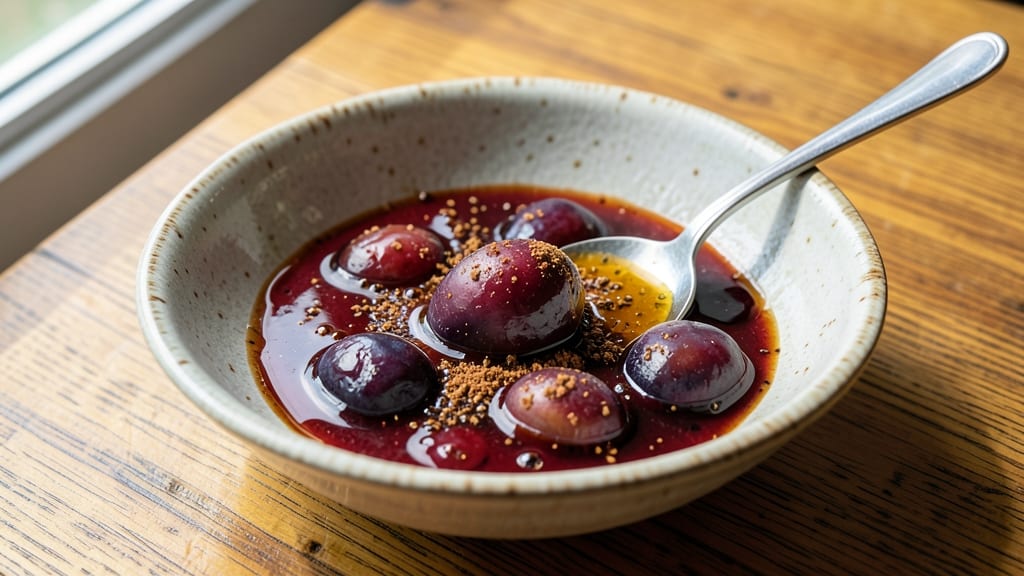
This balsamic plum sauce recipe transforms humble pantry ingredients into a sweet-tart glaze that elevates everything from grilled meats to roasted vegetables. The perfect balance of rich balsamic vinegar and juicy plums creates a sauce that's both sophisticated and surprisingly simple to make.
What sets this recipe apart is how versatile it is—whether you're drizzling it over seared steak, pairing it with sharp cheeses, or using it as an unexpected ice cream topping.
The secret lies in the slow simmer, which allows the flavors to meld into a velvety consistency that's neither too thick nor too thin.
You'll need just five core ingredients—plums, balsamic vinegar, sugar, cinnamon, and a touch of clove—but the result is a complex sauce with layers of fruitiness, acidity, and warmth. The process is straightforward: chop the plums, combine everything in a saucepan, and let it reduce until glossy and syrupy.
What you'll end up with is a glaze that's sweet enough to satisfy a dessert craving but tart enough to cut through rich proteins. The sauce keeps beautifully in the refrigerator for up to two weeks, making it perfect for meal prep.
It's the kind of condiment that turns ordinary dishes into something special with minimal effort.
Use it as a finishing touch for grilled chicken or pork, a dip for crusty bread, or even a drizzle over vanilla ice cream for a sophisticated dessert. The possibilities are endless, but the technique remains the same—simple, foolproof, and guaranteed to impress.
Ingredients for balsamic plum sauce
Five core ingredients transform into a sophisticated glaze that elevates any dish.
| Ingredient | Amount | Notes |
|---|---|---|
| Fresh Plums 🍑 | 2 cups | Pitted and roughly chopped |
| Balsamic Vinegar 🍷 | ½ cup | Aged 10+ years preferred |
| Granulated Sugar 🍚 | ½ cup | Light or dark brown for depth |
| Ground Cinnamon 🌿 | 1 tsp | Freshly ground preferred |
| Ground Clove 🌶️ | ¼ tsp | Whole cloves can be used |
| Water 💧 | ¼ cup | For thinning if needed |
| Orange Zest 🍊 | 1 tsp | Optional for brightness |
| Fresh Lemon Juice 🍋 | 1 tbsp | Brightens the sauce |
The quality of your balsamic vinegar is non-negotiable here—look for aged 10+ years from brands like Barone Fini or Di Martino for that deep, caramel-like richness. Fresh plums are ideal, but frozen work too (thaw and drain first). Italian markets often carry plum varieties like Santa Rosa that hold up better to chopping. If you can't find them, Bing plums from the grocery store will do. The sugar should be light brown for subtle molasses notes, though dark brown adds depth if you prefer a more complex flavor. For cinnamon, McCormick or Penzeys ground varieties are reliable, but toast your own seeds for a fresher taste.
No fresh plums? Pitted canned plums (drained) work in a pinch, though they lack the same texture. Substitute balsamic vinegar with red wine vinegar plus 1 tbsp maple syrup, but the flavor won't be identical. Skip the clove if you dislike its intensity—nutmeg at half the amount offers warmth without overpowering. For a quicker version, reduce the sugar by 2 tbsp and add 1 tbsp plum jam instead. The orange zest and lemon juice are optional but add a bright contrast to the sauce's richness—use organic oranges to avoid bitterness from pesticides.
This sauce thickens as it cools, so store it in an airtight container with a thin layer of olive oil on top to preserve freshness. Keeps for 2 weeks refrigerated or 6 months frozen. For meal prep, portion into small jars—perfect for drizzling over grilled meats or roasted veggies. If it thickens too much, whisk in 1 tsp water at a time until desired consistency is reached. The flavor actually improves after a day or two as the ingredients meld.
Why You'll Love This Recipe
- Five-Ingredient Magic: I swear by this—just plums, balsamic, sugar, and those tiny jars of cinnamon and clove. No fancy techniques, no last-minute grocery runs. The sauce practically makes itself while you stir.
- Sweet-Sour Bliss: That first bite of balsamic tang cutting through the jammy plum sweetness? It’s like a hug for your taste buds. The clove adds this warm, spicy whisper that makes it feel special without trying too hard.
- Dinner Party Ready: Slather it on grilled chicken, drizzle over cheese boards, or toss with pasta—it’s my go-to for when I want to impress but don’t want to slave over a recipe. (Yes, even on a Tuesday night.)
- Leftovers That Beg for More: This sauce thickens beautifully as it sits, so the next day it’s even richer. I keep a jar in the fridge for emergencies—because nothing says “I care” like a quick, flavor-packed rescue for boring meals.
Step-by-step instructions for balsamic plum sauce
A balanced sweet-tart glaze that elevates grilled meats and roasted vegetables.
Simmer Plums Until Soft
Combine the 2 cups of roughly chopped fresh plums in a medium saucepan over medium-high heat. Add the 0.5 cup granulated sugar and stir until the sugar dissolves completely, about 2 minutes. The mixture should bubble gently but not boil vigorously.
Watch for the plums to soften and release their juices, which typically takes 5-7 minutes. You'll know they're ready when a wooden spoon slides in easily and the fruit breaks down into a thick, syrupy consistency. This step builds the sauce's natural sweetness while preserving the plums' vibrant flavor. If the mixture looks too dry, add the 0.25 cup water now to maintain proper texture.
Incorporate Spices and Vinegar
Reduce the heat to medium-low and stir in the 0.5 cup balsamic vinegar, 1 tsp ground cinnamon, and 0.25 tsp ground clove. The spices will infuse their warm, aromatic qualities into the sauce as it simmers. Let the mixture cook uncovered for 8-10 minutes, stirring occasionally to prevent sticking.
You'll notice the sauce darken slightly and thicken as the liquid reduces. The balsamic vinegar adds depth and tanginess that balances the plum's natural sweetness. If the sauce becomes too thick before reaching the desired flavor, add small amounts of water to achieve a glossy, spoonable consistency. This step is where the sauce transforms from simple fruit compote to complex glaze.
Finish with Acid and Brightness
Remove the saucepan from heat and stir in the 1 tsp orange zest and 1 tbsp fresh lemon juice. The citrus brightens the flavors and cuts through any remaining sweetness. Let the sauce sit off the heat for 5 minutes to allow the flavors to meld completely.
Taste the sauce and adjust the balance between sweet and tart. If it needs more acidity, add another ½ teaspoon of lemon juice. For extra depth, you can strain the sauce through a fine-mesh sieve to remove any plum skins or spice particles, though I prefer leaving them in for texture. The sauce should coat the back of a spoon with a glossy finish, ready to drizzle over grilled chicken, pork tenderloin, or roasted vegetables.
Pro Tips For Making Balsamic Plum Sauce
- Pit the Plums First: Skip the chopping if you’re short on time—just cut a shallow "X" on the bottom of each plum, then microwave them for 1 minute to soften. They’ll release their juices faster and cook more evenly, saving you from mushy chunks. (Yes, even if you’re impatient like me.)
- Simmer Low and Slow: After adding the balsamic and sugar, drop the heat to a gentle simmer—think tiny bubbles, not rolling. I learned this the hard way when I burned the sauce twice, turning it into syrup. Let it cook for 15–20 minutes until it thickens naturally, not just reduces from aggression.
- Use Dark Balsamic: Cheap balsamic vinegar won’t cut it here—grab a bottle labeled "aged" or "dark" for depth. It’s pricier, but it adds that rich, caramelized complexity instead of just sour tang. (Your future self will notice the difference.)
- Strain the Cloves: Toss the whole cloves in while simmering, then strain them out before serving. They’ll infuse the sauce beautifully without biting into your teeth. I skip this sometimes, but the dish feels noticeably more polished when I don’t.
Wine and beer pairings for this recipe
Red Wine Pairings
This sauce's sweet-tart balance makes it a perfect match for Pinot Noir from Oregon or Burgundy—its bright acidity and red fruit notes complement the plum's juiciness while the earthy undertones stand up to the balsamic depth. 🍷 I love opening a bottle of Domaine Drouhin Oregon Pinot Noir alongside grilled pork tenderloin drizzled with this sauce; the wine's cherry and vanilla notes harmonize beautifully with the cinnamon and clove.
Crisp White Options
For a lighter pairing, try a dry Riesling from Germany's Mosel region, where its crisp acidity and hints of peach cut through the sauce's richness. Dr. Loosen Blue Slate is my go-to—its mineral finish balances the plum's sweetness while enhancing the balsamic's tang.
Serve chilled to refresh your palate between bites of roasted vegetables or charcuterie boards.
Beer Complements
A Belgian Witbier like Hoegaarden adds effervescence and citrusy coriander notes that mirror the sauce's lemon brightness. The beer's subtle spice also echoes the cinnamon in the sauce.
For a local option, try a German Helles Lager—its malty sweetness and clean finish make it surprisingly versatile with both savory and sweet applications of this glaze. 🍺
Unexpected Dessert Pairings
Drizzle this sauce over vanilla ice cream and pair with a semi-sweet Riesling like Chateau Ste. Michelle from Washington State. The wine's honeyed notes amplify the plum's sweetness while its acidity prevents the dessert from feeling cloying.
For an even bolder contrast, try a Port wine—its nutty, dried fruit flavors create a sophisticated dessert pairing that feels like a restaurant-worthy finish.
Cocktail Enhancements
Add a spoonful of this sauce to a Whiskey Sour for a fruity twist—it pairs beautifully with bourbon or rye whiskey to create a cocktail that's both sweet and complex. For a non-alcoholic option, mix it into sparkling water with a splash of gin and a lime wedge.
The balsamic's depth and plum's fruitiness make this a refreshing summer sipper that's surprisingly sophisticated. 🍹
Nutrition facts
Frequently asked questions
Can I substitute frozen plums for fresh in this recipe?
Yes, but thaw and drain them thoroughly first to avoid excess water. Frozen plums work well—they'll break down similarly during simmering. For best results, use pitted frozen plums (no need to chop) and reduce the water by 2 tablespoons since thawed fruit releases more liquid.
How do I adjust the sweetness if my plums are very tart?
Reduce the sugar by 2 tablespoons and add 1 extra tablespoon of lemon juice instead. This maintains balance while keeping the sauce's bright acidity. For extra depth, simmer the sauce 2 minutes longer to concentrate flavors naturally.
Can I make this sauce without balsamic vinegar?
Yes, but the flavor will be different. Replace with ½ cup red wine vinegar + 1 tbsp maple syrup for tanginess. For a sweeter alternative, use apple cider vinegar + 1 tbsp honey. The sauce will still work but lack the rich, caramel notes of aged balsamic.
How should I store leftover sauce?
Transfer to an airtight container and refrigerate for up to 2 weeks. For longer storage, freeze in 1-tablespoon portions—perfect for quick drizzling. To reheat, warm gently in a saucepan over low heat and whisk until smooth. The texture may thicken slightly when cold.
What's the best way to use this sauce on grilled meats?
Brush it on during the last 2-3 minutes of grilling for a glossy finish. For extra flavor, marinate meat in 2 tablespoons of sauce for 30 minutes before cooking. It pairs especially well with pork chops, chicken thighs, and lamb chops—just avoid overcooking to prevent drying.