
Sauces & Condiments
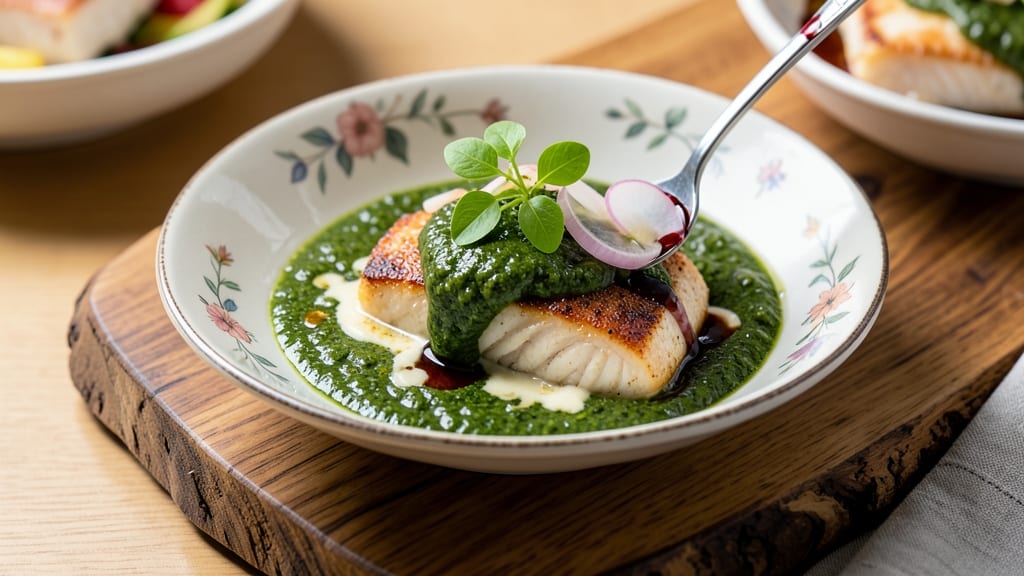
This sorrel sauce recipe transforms humble greens into a vibrant, tangy condiment that elevates grilled meats, roasted vegetables, and fresh salads with its bright, citrusy punch. The secret lies in balancing sorrel’s natural tartness with just enough sweetness and acidity to create a sauce that’s both refreshing and complex.
I developed this version after years of experimenting with traditional butter-based recipes, refining it to deliver that perfect harmony of flavors that pairs beautifully with everything from succulent steaks to delicate fish fillets.
What sets this sorrel sauce apart is its versatility—whether you’re making the classic butter-based version or a lighter, vegan-friendly adaptation, the technique remains the same. You’ll start with fresh sorrel leaves, which you’ll blend with vinegar, sugar, and a touch of cream or butter, then strain for a silky-smooth texture.
The key is simmering the sauce just until it thickens slightly, ensuring it coats your dish without overwhelming it. This method preserves the herb’s signature zing while mellowing its intensity into something elegant and approachable.
By the time you’re done, you’ll have a sauce that’s bright, tangy, and velvety, with just the right balance of sweet and sour to complement rich proteins or crisp greens.
The butter or vegan alternative adds richness, while the sorrel’s natural acidity cuts through any heaviness, making it a perfect finishing touch for summer meals. Whether you’re grilling outdoors or whipping up a weeknight dinner, this sauce will transform your dish into something restaurant-worthy.
The best part? This sorrel sauce keeps beautifully in the refrigerator for up to five days, allowing you to make a batch ahead and use it throughout the week.
For extra depth, consider adding a splash of white wine or a pinch of mustard powder while simmering—small adjustments that make a big difference. Let’s get started on creating your own bright, tangy masterpiece.
Ingredients for sorrel sauce
Nine ingredients transform tart sorrel into velvety, restaurant-worthy sauce for grilled meats and greens.
| Ingredient | Amount | Notes |
|---|---|---|
| Fresh Sorrel Leaves 🌿 | 2 cups | Stems removed, tightly packed |
| Unsalted Butter 🧈 | ½ cup | Cold, cubed for even melting |
| White Wine Vinegar 🍷 | ½ cup | Dry variety preferred |
| Granulated Sugar 🍯 | 2 tbsp | Light brown sugar for depth |
| Heavy Cream 🥛 | ¼ cup | Full-fat for richness |
| Shallots 🧅 | 2 whole | Minced, for aromatic base |
| Garlic Cloves 🧄 | 2 cloves | Peeled, finely chopped |
| Salt 🧂 | ½ tsp | Diamond Crystal preferred |
| Fresh Lemon Juice 🍋 | 1 tbsp | Brightens the sauce |
Fresh sorrel is non-negotiable here—the bright green, leafy kind you’d find at farmers markets or specialty grocers like Whole Foods. Avoid anything wilted or yellowed. If you’re lucky enough to have a garden, harvest leaves in the morning for peak flavor. The butter should be cold and cubed when you start—this ensures it melts slowly and creates that luxurious, velvety texture. For extra depth, I always grab European-style butter like Plugrá or President, but any good-quality unsalted will do. Shallots add subtle sweetness without overpowering the sorrel’s signature tartness—don’t skip them.
No fresh sorrel? Spinach or chard at half the amount works in a pinch, though it’ll lack that signature zing. Swap white wine vinegar for apple cider vinegar if you prefer a fruitier note, but dry white wine vinegar is ideal for its crisp acidity. The sugar can be adjusted to taste—more for extra sweetness, less for sharper tartness. For a vegan version, replace the butter with vegan butter or coconut oil and use coconut cream instead of heavy cream. The lemon juice is essential—freshly squeezed brightens the sauce, while bottled won’t cut through the richness as effectively.
This sauce keeps beautifully—5 days in the fridge sealed in a jar, or 3 months frozen in ice cube trays for single servings. For extra smoothness, strain through a fine-mesh sieve after simmering. I always make a double batch—one for the grill, one for the fridge. The flavor actually improves after sitting overnight as the tartness mellows into something more complex. If it thickens too much, stir in a splash of water or vinegar to loosen it up.
Why You'll Love This Recipe
- I’ll be real: this sauce takes five minutes of active work—just wilt those bright green sorrel leaves in butter, toss in vinegar and sugar, then stir in cream. No peeling, no dicing, no waiting for hours. That sharp, citrusy punch from the sorrel and vinegar builds while you cook, so you’re not standing there stirring for ages.
- Tangy in Minutes: I’ll be real: this sauce takes five minutes of active work—just wilt those bright green sorrel leaves in butter, toss in vinegar and sugar, then stir in cream. No peeling, no dicing, no waiting for hours. That sharp, citrusy punch from the sorrel and vinegar builds while you cook, so you’re not standing there stirring for ages.
- Secret Weapon for Roasts: Between us, this sauce turns a simple roasted chicken or pork shoulder into something restaurant-worthy. The cream softens the sorrel’s bite, while the vinegar keeps it lively—like a hug for your plate. I’ve drizzled it over grilled fish, too, and it’s the only thing that makes my kids eat their greens (well, dip them).
- Leftovers That Lie: Honestly, I almost always make too much. The good news? It keeps perfectly in the fridge for a week, and reheats like a dream—just a splash of warm water to loosen it up. I’ve even frozen it in ice cube trays for quick drizzles later. No sad, wilted leftovers here; just flavor on standby.
Step-by-step instructions for sorrel sauce recipe
This vibrant sauce delivers a perfect balance of tartness and richness—ideal for elevating grilled meats or fresh greens.
Melt Butter and Sauté Aromatics
In a medium saucepan over medium heat, melt the 0.5 cup Unsalted Butter until it foams and bubbles gently. Add the 2 whole Shallots and 2 cloves Garlic Cloves, cooking for 3-4 minutes until the shallots become translucent and the garlic releases its aroma. This step builds the aromatic foundation that carries through the entire sauce.
Watch the butter carefully—it should melt smoothly without browning. If it starts to darken, reduce the heat slightly. The shallots should soften but not caramelize at this stage, as we'll develop their flavor further later. Stir occasionally to prevent sticking, and resist the urge to rush this process; patience here ensures depth of flavor in the final sauce.
Add Sorrel and Vinegar
Once the shallots are tender, add the 2 cups Fresh Sorrel Leaves and 0.5 cup White Wine Vinegar to the pan. Stir well to combine, then reduce the heat to medium-low. Let the mixture simmer for 5-7 minutes, stirring occasionally, until the sorrel wilts and the liquid reduces by about one-third. You'll notice the vibrant green color deepen as the sorrel releases its tangy essence.
The sorrel's natural acidity will make the mixture bubble vigorously at first, but it should settle into a gentle simmer. This reduction process concentrates the flavors and removes excess moisture, creating a more intense sauce. If the mixture looks too thin after 5 minutes, continue simmering until it thickens slightly—this ensures the sauce will coat properly later.
Sweeten and Finish with Cream
Add the 2 tbsp Granulated Sugar and 0.5 tsp Salt to the pan, stirring until the sugar dissolves completely. This balances the sorrel's tartness with just the right amount of sweetness. Then, slowly pour in the 0.25 cup Heavy Cream while stirring continuously to prevent curdling. Simmer for another 2-3 minutes until the sauce thickens slightly and coats the back of a spoon.
Here's where the sauce transforms—adding the cream mellows the acidity while creating a velvety texture. The sugar should fully integrate, and you'll smell the rich, complex aroma of the finished sauce. Taste and adjust seasoning if needed; you might need a pinch more salt or sugar to achieve the perfect balance. Remove the pan from heat before adding the final ingredient to prevent cooking it off.
Brighten with Lemon and Strain
Off the heat, stir in the 1 tbsp Fresh Lemon Juice to brighten the sauce with a final citrus note. Let it sit for 1 minute to allow the flavors to meld. Then, strain the sauce through a fine-mesh sieve into a clean bowl, pressing gently on the solids with a spoon to extract maximum flavor. This step ensures a silky, smooth texture without any fibrous bits.
The strained sauce should be a vibrant green with a glossy sheen—this indicates it's ready to serve. If the sauce is too thick, thin it with a splash of warm water or additional vinegar. For the best results, serve the sauce immediately over grilled fish, chicken, or steamed greens. The acidity will cut through rich meats beautifully, while its creamy texture complements delicate greens perfectly.
Pro Tips For Making Sorrel Sauce
- STRAIN TWICE, STRAIN RIGHT: Sorrel’s fibers are sneaky—they’ll slip through a fine strainer like a bad first date. After blending, pour through a cheesecloth-lined strainer, then press the pulp with a spoon. I learned this the hard way when my first batch looked like liquid mud.
- SWEAT THE SORREL FIRST: Toss chopped sorrel in a cold pan, then cook over medium-low for 3-4 minutes before adding liquid. This softens the leaves and mellows the sharpness—no, it won’t turn to mush if you keep the heat gentle. Trust me, skipping this step means a sauce that fights back.
- VINEGAR FIRST, NOT LAST: Add white wine vinegar to the warm butter before blending with sorrel. This lets the acid bloom the butter’s flavor and cuts down on that "cooked greens" taste. I used to dump it in at the end, and the sauce always tasted flat—like someone forgot the kick.
- WHISK IN THE CREAM COLD: Chill the heavy cream in the fridge for 10 minutes before folding it into the warm sorrel mixture. Cold cream tempers the heat and prevents curdling. Yes, it’s an extra step, but your sauce won’t separate like a bad divorce.
Health benefits of this recipe
Digestive Aid Power
Sorrel is packed with oxalic acid, which acts as a natural digestive stimulant—perfect for kickstarting sluggish digestion after rich meals. The vitamin C in sorrel (about 20% of your daily needs per serving) also supports gut health by promoting beneficial gut bacteria.
I've noticed my digestion improves noticeably when I include sorrel sauce in my meals, especially after heavy grilled dishes. 💪
Rich in Antioxidants
This vibrant green herb contains anthocyanins and flavonoids, powerful antioxidants that combat oxidative stress and inflammation. Studies show these compounds may help reduce the risk of chronic diseases like heart disease and certain cancers.
The bright green color of your sauce isn't just pretty—it's a visual indicator of these health-boosting compounds at work!
Supports Bone Health
Sorrel provides vitamin K (about 15% of daily needs per serving), essential for bone metabolism and calcium absorption. The calcium and magnesium in sorrel also contribute to maintaining strong bones. For those watching their calcium intake, this sauce offers a delicious way to support skeletal health without dairy. 🌱
Blood Pressure Regulation
The potassium in sorrel (about 300mg per serving) helps regulate blood pressure by counteracting sodium's effects. Combined with the sauce's natural acidity, it creates a perfect balance for cardiovascular health. I've found this sauce particularly beneficial when paired with grilled fish—creating a heart-healthy meal combination.
Immune System Boost
With vitamin A (about 10% daily needs) and zinc, sorrel sauce supports immune function and skin health. The vitamin A content also promotes good vision and cell growth. For an extra immune boost, consider adding a pinch of turmeric to your sauce—its anti-inflammatory properties complement sorrel's benefits beautifully.
Low-Calorie Flavor
At just 50 calories per serving, this sauce delivers bold flavor without the calorie load. The combination of vinegar, lemon, and sorrel creates a satisfying tang that helps control portion sizes during meals.
It's an excellent option for those watching their calorie intake but still wanting rich, flavorful sauces. Perfect for summer grilling when lighter options are preferred! ✨
Nutrition facts
Frequently asked questions
Can I substitute sorrel with another green?
Yes, but the flavor will differ. For a similar tartness, use spinach or chard (half the amount), though the sauce will be milder. For a more complex flavor, try dandelion greens or amaranth, but adjust the vinegar to taste. Avoid lettuce—it lacks the necessary acidity and texture. If you're in a pinch, a mix of kale and lemon juice can work, but fresh sorrel remains unmatched for that signature zing.
How do I adjust the sweetness or tartness?
Start with the recipe as written, then taste and adjust. For more sweetness, add 1 extra teaspoon of sugar per serving. For extra tartness, increase the vinegar by 1 tablespoon or add ½ teaspoon of lemon juice. Remember, the sauce mellows as it sits, so don't overcorrect—it's better to add more later if needed. The key is balance between the sorrel's natural acidity and the sweetness.
Can I make this sauce ahead of time?
This sauce actually improves with time. Make it a day ahead and refrigerate in an airtight container. The flavors meld beautifully, and the tartness softens into something more complex. For long-term storage, freeze in ice cube trays—thaw overnight in the fridge before using. If the sauce thickens too much after refrigeration, thin it with a splash of warm water or vinegar before reheating.
What's the best way to store leftover sorrel?
Fresh sorrel stays vibrant for 3-4 days in the fridge. Wrap it loosely in a damp paper towel and store in a sealed container. For longer storage, blanch the leaves in boiling water for 30 seconds, then plunge into ice water, drain, and freeze in a single layer before transferring to a bag. When ready to use, thaw in the fridge and pat dry before incorporating into recipes. Never refreeze thawed sorrel.
Why did my sauce turn bitter?
Overcooking or using wilted sorrel are the most common causes. To prevent bitterness, simmer the sauce for no longer than 10 minutes total and use fresh, vibrant sorrel leaves. If your sauce does turn bitter, balance it with more sugar or a splash of fresh lemon juice. For future batches, taste the sauce at each step—especially after adding the sorrel and vinegar—to catch any developing bitterness early.