
Sauces & Condiments
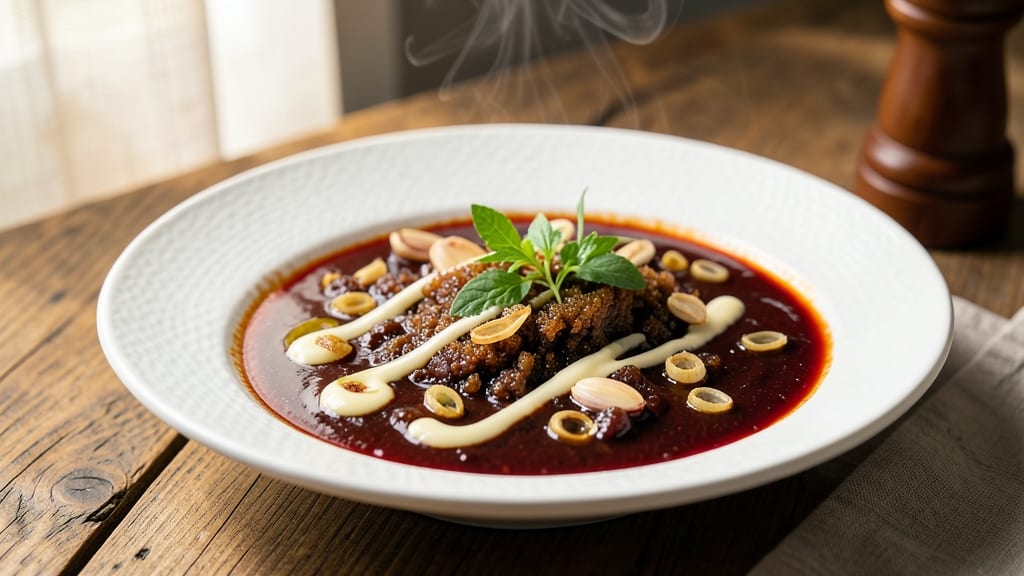
This balsamic glaze sauce transforms simple vinegar into a rich, velvety condiment that elevates everything from salads to desserts. The secret lies in slow reduction—simmering balsamic vinegar until it thickens into a glossy, caramelized sauce with layers of tangy-sweet depth.
I’ve perfected this technique over years of testing, ensuring it’s never too thin or overly acidic, but always perfectly balanced for drizzling.
The process is straightforward but requires patience: high heat first to drive off alcohol, then low and slow to develop that signature glossy texture. A touch of honey or brown sugar can enhance the sweetness, while shallots or garlic add aromatic complexity.
What you’ll end up with is a sauce that’s restaurant-quality—intense enough to stand alone but versatile enough to complement any dish.
Use it to drizzle over caprese salads, seared steaks, or even vanilla ice cream for a sophisticated finish. The glaze’s ability to cling and caramelize makes it a game-changer for both savory and sweet applications. Once you master this technique, you’ll never buy store-bought again.
This recipe delivers foolproof results with minimal ingredients, making it ideal for home cooks and seasoned chefs alike. The key is control—letting the sauce reduce gradually for maximum flavor without burning. Ready to elevate your dishes? Let’s get started.
Ingredients for balsamic glaze sauce
Nine simple ingredients transform basic vinegar into restaurant-quality glaze perfection.
| Ingredient | Amount | Notes |
|---|---|---|
| Balsamic Vinegar 🍷 | 1 cup | High-quality aged balsamic preferred |
| Brown Sugar 🍚 | 2 tbsp | Light or dark variety works |
| Honey 🍯 | 1 tbsp | Wildflower or clover preferred |
| Shallots 🧅 | 2 whole | Minced for aromatic depth |
| Garlic Cloves 🧄 | 2 cloves | Minced for subtle flavor |
| Extra-Virgin Olive Oil 🫒 | 1 tbsp | For glossy finish and richness |
| Salt 🧂 | ¼ tsp | Diamond Crystal preferred |
| Black Pepper 🌶️ | ⅛ tsp | Freshly ground for best flavor |
| Water 💧 | 1 tbsp | For thinning if needed |
The balsamic vinegar is your foundation—aged balsamic from Trader Joe's or Whole Foods delivers the deepest flavor. I always grab the 16-ounce bottles for better value and consistency. Shallots and garlic are non-negotiable for that aromatic complexity, so don't skip them. The brown sugar and honey balance the acidity perfectly, but if you prefer something less sweet, you can reduce the honey to just 1 teaspoon. For olive oil, California varieties work best—their fruity notes complement the caramelization beautifully.
No balsamic vinegar? Red wine vinegar with 1 extra tablespoon of brown sugar gets you close, though the flavor won't be as complex. Substituting maple syrup for honey (same amount) works well too. Fresh shallots are ideal, but dried minced shallots at half the amount will do in a pinch. Want to skip garlic? Asafoetida powder at one-eighth teaspoon mimics the savory depth without the pungency. The olive oil isn't just for flavor—it creates that signature glossy finish, so don't skip it unless you're making a dry reduction.
This sauce keeps beautifully—1 month refrigerated in an airtight container. For longer storage, freeze in ice cube trays and transfer to a bag. Thaw overnight in the fridge or microwave for 30 seconds. The glaze thickens as it cools, so add a splash of water if it becomes too stiff. I always make extra—it disappears faster than you'd think, especially when drizzled over seared steaks or fresh berries. The perfect glaze should coat the back of a spoon with a glossy, caramelized finish.
Why You'll Love This Recipe
- Pantry Magic: I swear by this—no fancy ingredients, just what’s already lurking in my cupboard. Brown sugar and honey sweeten it just enough, while shallots and garlic add that savory punch without needing a whole spice rack.
- Sticky-Sweet Obsession: That deep, caramelized balsamic glaze? It’s like liquid gold—sweet, tangy, and just a little smoky. Drizzle it over grilled chicken, toss it with roasted veggies, or spoon it straight over fresh mozzarella. (Yes, I’ve done all three.)
- Weeknight Wonder: Between us, this sauce is my secret weapon for busy nights. Simmer it while you prep dinner—no babysitting required. The longer it reduces, the richer it gets, and honestly? I’ve made it three times this week already.
- Budget-Friendly Luxury: A splash of vinegar, a spoonful of sugar—this costs pennies but tastes like a fancy restaurant dish. Plus, it keeps for weeks in the fridge, so I’m always covered when I crave that glossy, tangy finish. (Pro tip: Freeze extras in ice cube trays for quick drizzles later.)
Step-by-step instructions for balsamic glaze sauce
Here's how to transform simple ingredients into a rich, velvety glaze with perfect thickness.
Sauté Aromatics Until Fragrant
Heat the 1 tablespoon extra-virgin olive oil in a small saucepan over medium heat until shimmering. Add the 2 minced shallots and cook for 3-4 minutes until soft and translucent—this is your flavor foundation. The shallots should smell sweet and mellow, not browned.
Add the 2 minced garlic cloves and cook for another 30 seconds until fragrant but not colored. Garlic burns quickly, so keep an eye on it. Once you smell that delicious aroma, you're ready for the next step—this is where all the depth begins.
Add Sweetener and Vinegar
Increase heat to medium-high and stir in the 2 tablespoons brown sugar and 1 tablespoon honey. Let them melt completely for about 1 minute while stirring constantly. The mixture should turn into a light caramel color—this sweet base will balance the acidity of the vinegar.
Pour in the 1 cup balsamic vinegar and bring to a gentle boil. Here's the key: let it boil vigorously for 5-6 minutes without stirring. This reduces the vinegar and concentrates its flavor. You'll notice the sauce darkening and thickening—this is when the magic happens.
Season and Simmer to Perfection
Reduce heat to low and add the 0.25 teaspoon salt and 0.125 teaspoon black pepper. Stir gently and let it simmer for 10-12 minutes until reduced by about half. The sauce should coat the back of a spoon and have a syrupy consistency—this is your perfect glaze texture.
If it's too thick, add the 1 tablespoon water one teaspoon at a time until it reaches your desired consistency. The glaze should be thick enough to coat a spoon but still flow smoothly. Taste and adjust seasoning—you might need a touch more salt to balance the sweetness and acidity.
Cool and Finish
Remove from heat and let the glaze cool for 5 minutes. This resting period allows the flavors to meld completely. As it cools, it will thicken slightly—this is normal and actually improves the texture. The final glaze should be glossy with a deep, complex flavor that's neither too sweet nor too tart.
For an extra touch of richness, you can finish with a drizzle of extra-virgin olive oil, but only if you want to serve it immediately. If storing, let it cool completely before transferring to an airtight container. This glaze keeps well in the refrigerator for up to 2 weeks, ready to elevate any dish with its perfect balance of sweet and tangy flavors.
Pro Tips For Making Balsamic Glaze Sauce
- Simmer Low and Slow: I used to rush this and end up with a glaze that was more vinegary than sweet. Once the shallots and garlic are golden, drop the heat to medium-low—this lets the sugars caramelize properly without burning. You’re aiming for a thick, syrupy consistency, not a fast boil.
- Mince Shallots Like You Mean It: Tiny, even pieces mean faster cooking and no bitter chunks. Pulse them in a food processor for 2-3 seconds, then check—you want them almost paste-like, not chopped. If you’re doing this by hand, take the extra 30 seconds and use a sharp knife.
- Balance the Vinegar First: Taste your balsamic before adding honey or sugar. If it’s too sharp, a splash of water thins it out more effectively than extra sweetener. I learned this the hard way—adding sugar to cut acidity just makes the glaze cloying instead of balanced.
- Skip the Boil, Use a Splatter Screen: This isn’t the prettiest method, but it’s the tastiest. Cover the pan with a splatter screen while reducing—it keeps the glaze from sticking to the lid and lets you walk away. No screen? Use a damp paper towel loosely draped over the pan instead.
Creative variations of this dish
Sweet & Spicy Twist
For a bold flavor punch, add ½ teaspoon cayenne pepper and 1 teaspoon smoked paprika when sautéing the aromatics. This creates a smoky-sweet glaze perfect for grilled meats or spicy salads.
I love using this version on seared pork chops—the heat balances beautifully with the richness of the pork. 🌶️
Citrus-Infused Glaze
Zest and juice of 1 orange (about 2 tablespoons juice) brightens the glaze with a refreshing tang. Add it with the vinegar and reduce as usual.
This variation works stunningly over roasted chicken or drizzled on strawberries for a dessert twist. The citrus cuts through the sweetness, creating a perfect balance.
Herb-Enhanced Glaze
Fresh herbs like 1 teaspoon chopped rosemary or thyme leaves add an earthy dimension. Stir them in during the final 5 minutes of simmering. This glaze pairs beautifully with lamb dishes or as a drizzle for goat cheese plates.
I often use fresh thyme because it holds up well to the reduction process without losing its aroma.
White Wine Reduction
Replace ½ cup of the vinegar with ½ cup dry white wine for a more sophisticated glaze. The alcohol burns off during reduction, leaving behind a subtle wine flavor.
This version elevates seafood dishes like scallops or shrimp skewers. I prefer Sauvignon Blanc for its crisp acidity, but Pinot Grigio works too.
Dessert-Friendly Version
Swap the brown sugar for 1 tablespoon maple syrup and add ½ teaspoon vanilla extract at the end. This sweeter glaze is perfect for drizzling over panna cotta or vanilla ice cream.
The vanilla adds warmth that complements the caramelized depth of the balsamic. I like to finish with a sprinkle of flaky sea salt for contrast.
Spiced Rum Glaze
Add 1 tablespoon spiced rum with the vinegar for a boozy twist. Let it reduce completely—about 15 minutes extra time—to burn off the alcohol. This glaze is fantastic on grilled pineapple or as a glaze for ham.
The rum adds a subtle warmth that pairs perfectly with the sweet-tart balance of the balsamic. 🍹
Nutrition facts
Frequently asked questions
Can I make balsamic glaze without sugar?
Yes, but it will taste more acidic. Omit the brown sugar and honey, then reduce the vinegar by 20-30% longer to concentrate the natural sweetness. For balance, add 1 tablespoon maple syrup or 1 teaspoon vanilla extract at the end. The glaze will still coat well but with a sharper tang—great for pairing with strong cheeses or salty meats.
How do I fix a glaze that's too thin?
Simmer it uncovered for 5-10 more minutes on low heat, stirring occasionally. If it still won't thicken, transfer to a small saucepan and reduce over medium-low heat until syrupy. Never rush this—rushing causes burning. For a quick fix, mix 1 teaspoon cornstarch with 1 tablespoon water, stir into the glaze, and simmer for 1 minute.
What's the best way to store leftover glaze?
Transfer to an airtight container and refrigerate for up to 2 weeks. The glaze thickens as it cools—add 1 teaspoon water per 2 tablespoons of glaze when reheating. For longer storage, freeze in ice cube trays (thaw overnight in the fridge). Always reheat gently over low heat, stirring constantly to prevent scorching.
Can I use this glaze on desserts?
For sweet applications, reduce the brown sugar to 1 tablespoon and add ½ teaspoon vanilla extract at the end. Drizzle over vanilla ice cream, pound cake, or warm fruit tarts. The caramelized depth pairs beautifully with creamy textures. For extra elegance, finish with flaky sea salt to contrast the sweetness.
Why did my glaze turn bitter?
Over-reduction or burning causes bitterness. Keep heat at medium-low during simmering and never let it boil dry. If it happens, stir in ½ teaspoon honey or 1 teaspoon brown sugar to balance the flavors. For future batches, reduce heat to low once the sauce starts thickening to prevent overcooking.