
Sauces & Condiments
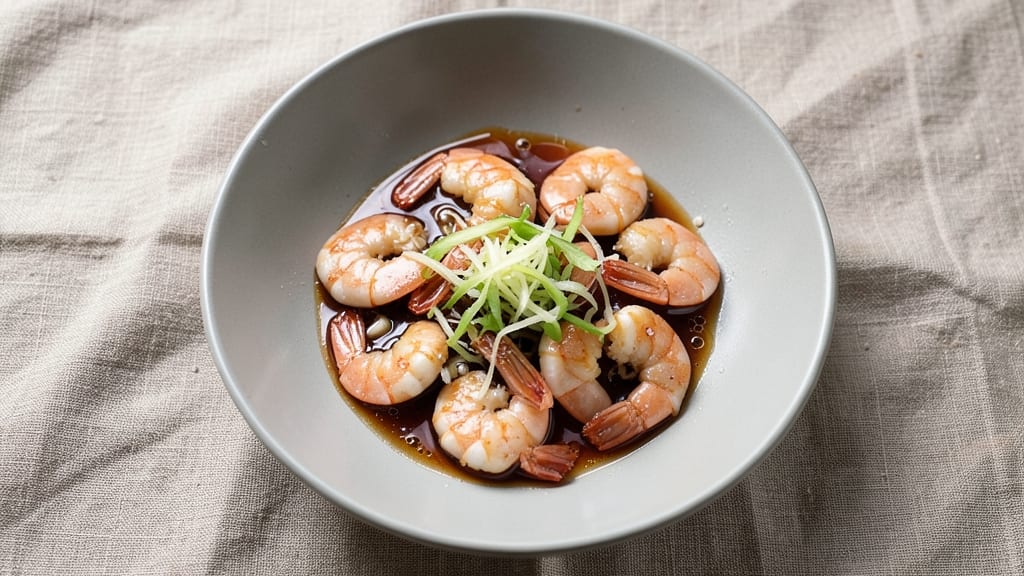
This Asian shrimp sauce recipe transforms simple stir-fries into umami-rich masterpieces with just a few pantry staples and a 10-minute effort. The secret lies in balancing sweet, salty, and spicy flavors—garlic, ginger, and chili create depth while shrimp adds a luxurious richness that elevates any dish.
I developed this sauce after years of testing, and it’s now my go-to for quick weeknight meals or restaurant-quality takeout flavors at home.
The foundation of this sauce is a simple yet powerful combination: soy sauce, fish sauce, and a touch of honey for balance, all simmered with aromatics until thickened. What sets it apart is the shrimp—whether fresh, frozen, or canned—infusing the sauce with its natural sweetness and depth.
The result is a glossy, aromatic glaze that clings beautifully to noodles, rice, or grilled proteins.
Perfect for drizzling over stir-fried vegetables, seared shrimp, or even as a dipping sauce, this recipe delivers restaurant-quality flavor without the fuss. The sauce keeps well in the fridge for up to a week, making it ideal for meal prep or batch cooking.
Whether you're cooking for one or feeding a crowd, this versatile sauce will become a staple in your kitchen.
For extra richness, add a splash of sesame oil at the end, or swap in shrimp paste for a deeper umami kick. The possibilities are endless—let’s get cooking!
Ingredients for asian shrimp sauce
Pantry staples meet seafood luxury in this umami-packed sauce that transforms any stir-fry.
| Ingredient | Amount | Notes |
|---|---|---|
| Shrimp (Peeled and Deveined) 🦐 | ½ lb | Fresh, frozen or canned works |
| Light Soy Sauce 🍶 | ¼ cup | Kikkoman preferred for balance |
| Fish Sauce 🍶 | 2 tbsp | Red Boat brand recommended |
| Rice Vinegar 🍶 | 1 tbsp | Seasoned or plain works |
| Honey 🍯 | 1 tbsp | Substitute maple syrup if needed |
| Fresh Ginger (Peeled and Grated) 🧄 | 1 tbsp | Finely grated for smooth texture |
| Garlic Cloves 🧄 | 3 cloves | Minced for even distribution |
| Red Chili Flakes 🌶️ | ½ tsp | Adjust for spice preference |
| Sesame Oil 🫒 | 1 tbsp | Toasted sesame oil preferred |
| Cornstarch 🌾 | 1 tsp | For thickening the sauce |
The shrimp is the star here—fresh or frozen works equally well, but avoid pre-cooked if you want that natural sweetness. Whole shrimp can be peeled and deveined yourself, or grab pre-peeled from Trader Joe's for convenience. For maximum flavor, use wild-caught shrimp if possible, but any shrimp will work. The fish sauce is non-negotiable—Red Boat has the cleanest profile, but Three Crabs is a solid backup. If you're sensitive to fish sauce, start with just 1 tbsp and taste as you go.
No fish sauce? Soy sauce plus a dash of Worcestershire gets you close, though it won't have the same depth. The honey can be swapped for maple syrup or agave if you're avoiding refined sugar. For extra umami without shrimp, try mushroom powder or shrimp paste. The cornstarch is key for thickening—don't skip it unless you're okay with a thinner sauce. And if you're making this ahead, reduce the cornstarch by 0.25 tsp since the sauce will thicken more as it cools.
This sauce keeps beautifully—1 week in the fridge in an airtight container, or 3 months in the freezer. For freezing, portion into ice cube trays first, then transfer to a bag. The flavor actually improves after a day or two as everything melds. Double the batch if you're prepping for the week—it disappears fast. And if it gets too thick when reheating, just add a splash of water or vinegar to loosen it up.
Why You'll Love This Recipe
- Here’s what sold me: the honey cuts through the saltiness of the soy and fish sauce while the rice vinegar brightens it all up. That crispy seared shrimp? Absolute perfection—juicy inside, caramelized outside.
- Five-Ingredient Magic: Honestly, I swear by this one—just shrimp, soy, fish sauce, vinegar, and honey. That’s it. No fancy prep, no hidden pantry raids, and the sauce comes together faster than you can say "takeout."
- Sweet-Savory Balance: Here’s what sold me: the honey cuts through the saltiness of the soy and fish sauce while the rice vinegar brightens it all up. That crispy seared shrimp? Absolute perfection—juicy inside, caramelized outside.
- Weeknight and Meal Prep: I make this for quick weeknight dinners or toss it in meal prep containers. The sauce keeps well, and the shrimp reheats beautifully over rice or noodles. (Yes, even on a Tuesday night.)
Step-by-step instructions for Asian shrimp sauce
This umami-rich sauce comes together in minutes with just a few simple techniques.
Prepare the Aromatics and Shrimp
In a small bowl, combine the 1 tablespoon fresh ginger (peeled and grated) and 3 cloves garlic cloves (minced). Let them sit for 5 minutes at room temperature - this releases their full flavor. In a separate bowl, pat the 0.5 lb shrimp (peeled and deveined) completely dry with paper towels. Keeping them dry prevents the sauce from turning watery later.
I like to leave the shrimp whole for this sauce - their natural shape holds up beautifully when tossed with vegetables. If using frozen shrimp, thaw them completely first and pat them dry thoroughly. The shrimp will cook quickly in the sauce, so we're not pre-cooking them here - they'll finish right along with any vegetables you stir-fry.
Build the Sauce Base
Heat a small saucepan over medium heat and add the 1 tablespoon sesame oil. Once the oil shimmers (about 30 seconds), add the ginger-garlic mixture and cook for 1 minute until fragrant. This step develops the aromatic foundation of your sauce - you'll know it's ready when the kitchen smells distinctly of garlic and ginger.
Next, add the 0.25 cup light soy sauce, 2 tablespoons fish sauce, and 1 tablespoon rice vinegar. Stir constantly for 2 minutes until the mixture begins to bubble gently. This combination creates the perfect balance of salty, umami, and tangy flavors that define Asian sauces. The fish sauce adds depth that regular soy sauce can't match.
Sweeten and Thicken
Reduce the heat to low and stir in the 1 tablespoon honey and 0.5 teaspoon red chili flakes. Let the sauce simmer gently for 3 minutes, stirring occasionally. The honey will begin to caramelize slightly, adding natural sweetness that complements the savory elements. This is where the sauce transforms from basic to extraordinary - the sweet heat from the honey and chili creates that signature Asian sauce complexity.
In a small bowl, whisk together the 1 teaspoon cornstarch with 1 tablespoon water until completely dissolved. Slowly pour this mixture into the simmering sauce while stirring constantly. The sauce will begin to thicken immediately - you're looking for a consistency that coats the back of a spoon but still flows smoothly. If it thickens too quickly, add 1 teaspoon water at a time until you reach the perfect glaze-like texture.
Finish with Shrimp and Adjust
Add the shrimp to the sauce and cook for 2-3 minutes until they turn opaque and curl slightly at the edges. They should be cooked through but still tender - overcooking will make them rubbery. The sauce should coat the shrimp completely, creating that beautiful glossy glaze we're after.
Taste and adjust the seasoning if needed. You might want to add a touch more soy sauce for saltiness, a splash of rice vinegar for tang, or a pinch more chili flakes for heat. The sauce should be balanced - sweet, salty, umami-rich, and with just a hint of spice. For extra richness, drizzle with an additional ½ teaspoon sesame oil before serving.
Use Immediately or Store
This sauce is best used immediately for maximum freshness, but it will keep in an airtight container in the refrigerator for up to 5 days. When ready to use, reheat gently over low heat, stirring occasionally, until warmed through. The sauce thickens as it cools, so you may need to add a splash of water when reheating to restore its glossy consistency.
Use this versatile sauce to drizzle over stir-fries, noodles, or grilled meats. It also makes an excellent marinade for shrimp skewers or a quick glaze for roasted vegetables. The shrimp in this sauce will keep their natural sweetness while absorbing the complex flavors of the sauce - each bite delivers that perfect balance of textures and tastes that makes Asian cuisine so satisfying.
Pro Tips For Making Asian Shrimp Sauce
- SEAR SHRIMP FAST: Hit the pan at ripping-hot heat—no simmering—just 30-45 seconds per side until the edges curl. I learned this the hard way: dragging shrimp through a low-and-slow sauce turns them rubbery. High heat seals the protein while the sauce gets its chance to shine.
- BALANCE THE SALTY: Taste the sauce before adding honey—light soy and fish sauce are sneaky. If it’s too sharp, a splash of rice vinegar (1 tsp at a time) cuts the salt better than water ever could. My first batch tasted like a misplaced marinade because I ignored this step.
- WHISK IN HONEY LAST: Stir honey into the warm sauce, not boiling—it burns faster than you’d think. Let the sauce simmer 2 minutes after adding it to let the sweetness mellow out. I once dumped honey in too early and ended up with a sticky, bitter mess.
- USE COLD SHRIMP: Pat shrimp dry and refrigerate them for 10 minutes before cooking. Cold shrimp sear more evenly and won’t release moisture into the sauce. (Yes, even if you’re impatient like me—this makes a real difference.)
Flavor customization for this recipe
Sweet Heat Balance
Adjust the honey-to-chili ratio to suit your taste—start with 1:1 (1 tbsp honey to ½ tsp chili flakes) for a balanced sweet heat. For extra spice lovers, add ¼ tsp extra chili flakes or swap in 1 tsp sambal oelek for a smoky kick.
If you prefer less heat, reduce the chili to ¼ tsp or omit entirely. 🌶️
The honey caramelizes beautifully during simmering, so don’t rush this step—let it develop for 3-4 minutes on low heat. For a deeper caramel flavor, add ½ tsp brown sugar along with the honey.
If you’re avoiding refined sugar, use maple syrup instead, but note it has a stronger flavor that may require less quantity.
Umami Boosters
For an extra umami punch, stir in 1 tsp mushroom powder or ½ tsp shrimp paste (like Red Boat Shrimp Paste) when building the sauce base. These ingredients add depth without altering the sauce’s glossy texture.
I often use ½ tsp oyster sauce for a richer, slightly sweeter umami profile—just add it with the soy sauce.
If you’re making a vegetarian version, replace shrimp with ½ cup finely chopped mushrooms (like shiitake) and add 1 extra tbsp fish sauce substitute (like vegetarian fish sauce from Annie Chun’s). The mushrooms absorb the sauce beautifully and add their own umami richness.
Texture Variations
For a thicker, glaze-like consistency, increase the cornstarch to 1.5 tsp and simmer the sauce longer after adding it. If you prefer a lighter, drizzling sauce, reduce the cornstarch to ½ tsp and skip the extra simmering time.
The sauce should coat a spoon but still flow smoothly—this is key for tossing with noodles or vegetables.
To create a chunky sauce (great for dipping or as a stir-fry sauce), finely chop 1 tbsp scallions and 1 tsp toasted sesame seeds, then fold them into the sauce at the very end.
For a smooth sauce, strain it through a fine-mesh sieve after simmering to remove any garlic or ginger bits.
Regional Twists
For a Thai-inspired version, add 1 tsp palm sugar and ½ tsp tamarind paste with the honey. This swap adds a tangy-sweet complexity that’s classic in Thai cuisine. I also like to include 1 tsp lime juice at the end for brightness—it cuts through the richness beautifully.
A Japanese-inspired take swaps fish sauce for 1 tbsp mirin and adds ½ tsp grated daikon radish for subtle sweetness. Use light soy sauce (like Kikkoman) and reduce the honey to ½ tbsp to keep the flavor profile cleaner and more delicate.
The daikon adds a refreshing crunch when tossed with vegetables.
Spice Customization
For a fiery kick, add ½ tsp gochugaru (Korean chili flakes) or 1 sliced Thai chili along with the red chili flakes. These bring a different heat profile—gochugaru adds a fruity, smoky heat, while Thai chilies deliver a sharp, bright spice.
Remove the chilies after cooking if you prefer no seeds.
If you love smoky flavors, add ½ tsp smoked paprika or 1 tsp liquid smoke when building the sauce base. For a fresh, herbal note, stir in 1 tbsp chopped cilantro or Thai basil at the end. These additions elevate the sauce from basic to restaurant-quality in seconds.
Nutrition facts
Frequently asked questions
Can I make this sauce without shrimp?
Yes! For a vegetarian version, replace the shrimp with ½ cup finely chopped shiitake mushrooms and add 1 extra tablespoon of fish sauce substitute (like vegetarian fish sauce from Annie Chun's). The mushrooms will absorb the sauce beautifully and add umami richness.
How do I adjust the spice level?
Start with the ½ teaspoon red chili flakes as written, then adjust to taste. For more heat, add ¼ teaspoon extra chili flakes or swap in 1 teaspoon sambal oelek for a smoky kick. If you prefer less spice, reduce the chili to ¼ teaspoon or omit it entirely. Always taste as you go!
Can I use this sauce as a marinade?
Use it as a marinade for 15-20 minutes for shrimp skewers or grilled meats. For best results, reserve 2 tablespoons of sauce before adding the shrimp, then use the reserved sauce to finish cooking. The sauce's glossy texture makes it perfect for marinating and glazing.
How long does this sauce keep?
The sauce stays fresh for 5 days in the fridge in an airtight container. For longer storage, freeze it in ice cube trays, then transfer to a freezer bag for up to 3 months. When reheating, warm gently over low heat and add a splash of water if it thickens too much.
What's the best way to use leftover shrimp?
Leftover cooked shrimp from this sauce works perfectly in spring rolls, fried rice, or pasta dishes. Toss them with a little sesame oil and serve as a topping for ramen or noodle bowls. You can also chop them finely and mix into the sauce for extra richness in future batches!