
Sauces & Condiments
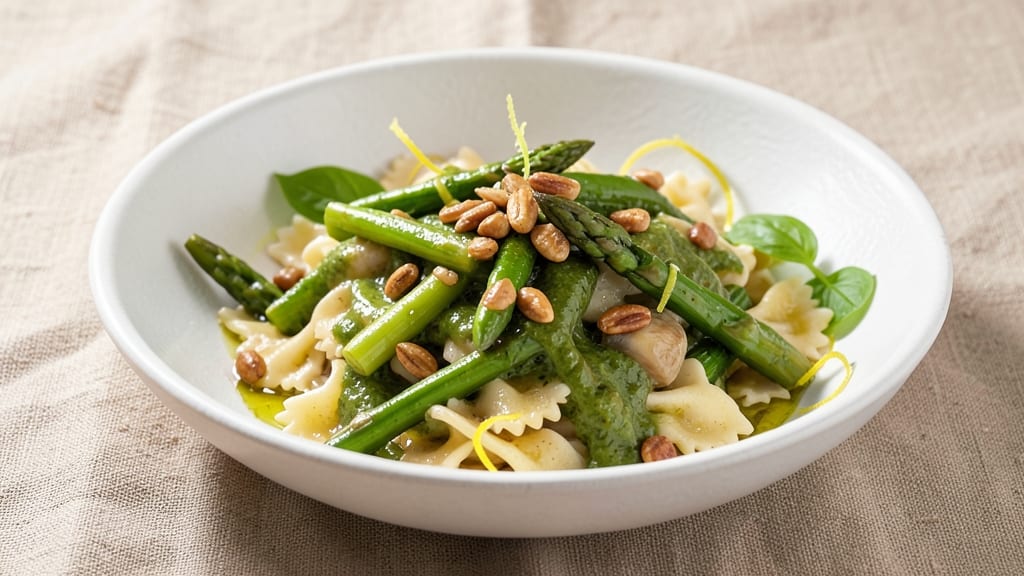
This asparagus pasta sauce recipe transforms spring's brightest vegetable into a vibrant, herbaceous pesto that clings perfectly to al dente pasta.
The secret lies in crispy blanched asparagus spears that double as both garnish and flavor enhancer—adding a satisfying crunch and fresh green color that makes every bite look as good as it tastes.
What sets this sauce apart is the balance of textures: silky basil and garlic blend with nutty pine nuts, while the asparagus contributes both earthy depth and that coveted crispy contrast.
We'll achieve this through precise blanching (just 2 minutes in boiling water) followed by quick sautéing in olive oil until golden—preserving that perfect al dente texture while building flavor.
The result is a complete dish where every component works together: tender pasta coated in herby sauce, bright asparagus spears for color and crunch, and a finishing drizzle of lemon that brightens the whole plate.
This recipe proves you don't need heavy cream or complex techniques to create restaurant-quality pasta—just fresh ingredients and proper technique.
Perfect for spring menus or as a lighter alternative to traditional pesto dishes, this sauce comes together in under 20 minutes and keeps well in the refrigerator for up to 3 days.
The asparagus can be prepped ahead, making this an ideal make-ahead option for busy weeknights when you still want to impress.
Ingredients for asparagus pasta sauce
Fresh asparagus and basil create a vibrant pesto that transforms simple pasta into a springtime masterpiece.
| Ingredient | Amount | Notes |
|---|---|---|
| Fresh Asparagus Spears 🥬 | 1 lb | Medium-thick, trimmed ends |
| Fresh Basil Leaves 🌿 | 2 cups | Packed, stems removed |
| Pine Nuts 🥜 | ½ cup | Toasted for enhanced flavor |
| Garlic Cloves 🧄 | 4 cloves | Peeled, roughly chopped |
| Extra-Virgin Olive Oil 🫒 | ¾ cup | High-quality, fruity variety |
| Lemon Juice 🍋 | 2 tbsp | Freshly squeezed |
| Diamond Crystal Kosher Salt 🧂 | ½ tsp | For seasoning |
| Freshly Ground Black Pepper 🌶️ | ¼ tsp | For added depth |
| Parmesan Cheese 🧀 | ½ cup | Freshly grated from block |
| Linguine Pasta 🍝 | 12 oz | Al dente preferred |
| Freshly Squeezed Lemon Zest 🍋 | 1 tsp | For bright finishing touch |
| Unsalted Butter 🧈 | 2 tbsp | For finishing drizzle |
The asparagus is the star here—look for medium-thick spears with vibrant green tips and firm stems. Whole Foods or local farmers markets often carry the freshest varieties, but any grocery store asparagus will work if the ends are crisp. Trim the woody bottoms with a sharp knife, leaving about 1.5 inches of the tough core. For the basil, avoid the sad plastic containers—opt for fresh bunches instead, as they pack more flavor. Toast your pine nuts in a dry pan for 2-3 minutes until fragrant; Costco or Trader Joe's offer the best prices for bulk quantities. The garlic should be freshly peeled and chopped just before blending to preserve its aromatic oils.
No pine nuts? Walnuts or cashews work beautifully as a budget-friendly alternative, though they'll alter the texture slightly. Running short on basil? Fresh parsley or spinach can substitute at a 1:1 ratio, though the flavor profile will shift. For those avoiding dairy, nutritional yeast can replace the Parmesan, though it lacks the same depth. If you prefer a smoother sauce, blend the asparagus until completely broken down—reserve a few spears for crispy garnishes. The lemon juice should be freshly squeezed; bottled versions lack the bright acidity needed to cut through the richness. For an extra boost, add a pinch of red pepper flakes to the pesto for subtle heat.
This sauce keeps beautifully in an airtight container in the fridge for 3 days, though it's best enjoyed within 24 hours for peak freshness. The asparagus spears can be blanched and stored separately for up to 2 days—simply reheat in a dry pan to restore crispness. For make-ahead convenience, prep the pesto components separately and blend just before serving. The pasta should be cooked al dente and tossed immediately with the sauce to prevent sticking. A final drizzle of melted butter and lemon zest elevates the dish, adding both richness and brightness to each bite.
Why You'll Love This Recipe
- No Chopping Nightmare: I swear by this—just trim the asparagus ends, snap off the woody bits, and toss them in. No julienne skills required, and the rest is stirring while you wait for the garlic to sing.
- Crispy-Creamy Magic: That toasted pine nuts and wilted basil combo? It’s like a little flavor explosion in your mouth. The asparagus adds a fresh, bright bite that cuts through the richness—honestly, I reach for this when I want something that feels fancy but isn’t.
- Leftover Hero: This sauce keeps like a dream—better the next day, if you can believe it. Toss it with leftover pasta, or even use it as a quick sauce for grilled chicken or eggs. My lazy Sundays thank me every time.
- Pantry-Friendly Flex: Between us, this recipe uses stuff you already own. Olive oil, garlic, and basil? Basic. Pine nuts? A handful goes a long way. It’s the kind of dish that works for a weeknight dinner or a guest night—no last-minute grocery runs needed.
Step-by-step instructions for asparagus pasta sauce
Master this vibrant sauce where crispy asparagus meets bright pesto for a dish that delivers both texture and flavor.
Blanch and Toast the Asparagus
Bring a large pot of water to a rolling boil and add 1 teaspoon Diamond Crystal Kosher Salt. Trim the tough ends from the 1 lb Fresh Asparagus Spears and blanch them for 1 minute 30 seconds until they're bright green but still crisp. Immediately transfer them to an ice bath to halt cooking and preserve their vibrant color.
While the asparagus cools, heat a dry skillet over medium heat. Add the 0.5 cup Pine Nuts and toast them for 2-3 minutes until golden brown and fragrant. Remove from heat and set aside—these will add nutty depth to your sauce. The asparagus should now be tender-crisp with a satisfying snap when bent.
Create the Pesto Base
In a food processor, combine the 2 cups Fresh Basil Leaves, 4 cloves Garlic Cloves, and 0.5 tsp Diamond Crystal Kosher Salt. Pulse until finely chopped but not pureed. With the processor running, slowly drizzle in the 0.75 cup Extra-Virgin Olive Oil until the mixture forms a thick, vibrant green paste.
Transfer the pesto to a bowl and stir in the toasted pine nuts and 0.5 cup Parmesan Cheese. The mixture should be thick enough to coat the back of a spoon but still spreadable. If it's too thick, add 1 teaspoon of the reserved pasta water later to adjust consistency. This is the foundation of your sauce, so take your time to ensure it's perfectly balanced.
Cook the Linguine to Al Dente Perfection
Bring a large pot of water to a boil and add 12 oz Linguine Pasta. Cook according to package instructions until 1 minute shy of al dente—you want it to finish cooking in the sauce. Reserve 1 cup of pasta water before draining, as this starchy liquid is essential for emulsifying the sauce.
While the pasta cooks, heat a large skillet over medium heat and add the 2 tbsp Unsalted Butter. Once melted, add the blanched asparagus spears and cook for 2-3 minutes until they're golden brown and slightly crispy. Remove them from the skillet and set aside—these will be your sauce's star garnish.
Combine Pasta and Sauce
Add the drained linguine to the skillet with the butter and asparagus. Pour the pesto mixture over the pasta and toss gently to combine. If the sauce is too thick, add 2-3 tablespoons of the reserved pasta water to loosen it to a creamy consistency. Stir in the 2 tbsp Lemon Juice and 1 tsp Freshly Squeezed Lemon Zest for a bright, citrusy finish.
Season with 0.25 tsp Freshly Ground Black Pepper and toss again. The sauce should now cling beautifully to the pasta, with a vibrant green hue and a perfect balance of herby, nutty, and citrus flavors. If you prefer a creamier texture, stir in an additional 1 tablespoon of butter at this stage.
Finish and Serve
Transfer the pasta to serving plates and top each portion with the crispy asparagus spears. The contrast between the tender pasta, creamy sauce, and crispy asparagus creates a textural experience that's as satisfying as it is delicious. Garnish with an extra sprinkle of Parmesan Cheese and a pinch of Freshly Ground Black Pepper for added depth.
Serve immediately while the asparagus is still crisp and the sauce is warm. The bright green color of the pesto will make this dish look as impressive as it tastes, and the crispy asparagus adds a satisfying crunch that elevates every bite. This sauce is perfect for spring menus and pairs beautifully with grilled meats or as a standalone vegetarian dish.
Pro Tips For Making Asparagus Pasta Sauce
- Trim Asparagus at the Last Minute: I learned this the hard way—peeling and chopping asparagus too early makes it turn rubbery by the time you cook it. Keep the spears whole until you’re ready to toss them into the sauce, then cut off the tough bottom inch right before adding them. Freshness matters more than you’d think.
- Toast Pine Nuts in a Dry Pan: Skip the oil—just toss pine nuts in a dry, medium-high pan and stir constantly until they’re golden. They’ll release their own fat and smell like a forest floor. Overcrowding? They’ll burn faster than you can blink, so work in small batches.
- Blanch Asparagus First: Drop asparagus into boiling salted water for 30 seconds before adding it to the sauce. This softens them just enough to cook through without turning mushy. Drain and shock in ice water if you’re prepping ahead—it keeps them bright green and crisp.
- Use Garlic’s Whole Power: Don’t mince garlic—smashed cloves in a mortar (or the flat of a knife) release more flavor without burning. Toss them straight into the hot oil with the asparagus so they infuse the sauce instead of turning bitter. Yes, it’s messier, but it’s worth it.
Storing and reheating this dish
Refrigerator Storage
Store your asparagus pasta sauce in an airtight container for up to 3 days in the refrigerator. The sauce's vibrant green color and fresh flavors actually improve slightly after the initial preparation, as the basil and asparagus meld together.
I like to use glass containers like Pyrex with snap-on lids—they preserve the sauce's quality better than plastic. Just be sure to press the sauce down to minimize air exposure, which can cause oxidation and dull the color. 💛
Freezing the Sauce
This sauce freezes beautifully for up to 2 months if you're planning ahead. Portion it into silicone molds or small airtight containers to make reheating easier.
When you're ready to use it, thaw overnight in the fridge and gently reheat on the stovetop over low heat while stirring in 1 tablespoon of water to restore its creamy texture. The asparagus spears won't freeze well, so prep those fresh when you're ready to serve.
Reheating Pasta
For the best texture, reheat your pasta directly in the sauce using a large skillet over medium-low heat. Add 1-2 tablespoons of water to prevent sticking and toss gently for 3-4 minutes until everything is warmed through.
The sauce will naturally thin slightly, so you can adjust consistency by simmering longer to thicken it back up. I find this method preserves the pasta's al dente texture much better than microwaving. 🔥
Reviving Crispy Asparagus
If you stored the asparagus separately, reheat it in a dry skillet over medium-high heat for just 1-2 minutes until it regains its crispy texture. The key is to work quickly—don't overcrowd the pan or it will steam instead of crisp up.
A quick spray of olive oil before reheating helps restore that golden crunch. Serve these alongside the reheated pasta for that perfect textural contrast.
Make-Ahead Tips
Prep the pesto base and toasted pine nuts a day ahead—they'll keep in separate containers in the fridge. When you're ready to cook, just blend them together and toss with freshly cooked pasta.
For the asparagus, blanch and store it in the fridge for up to 2 days, then reheat before serving. This approach saves you 15-20 minutes of prep time on busy weeknights while keeping all the fresh flavors intact. ✨
Nutrition facts
Frequently asked questions
Can I substitute asparagus with another vegetable in this recipe?
For a similar texture, try blanched green beans or sugar snap peas—both hold their crispness well when sautéed. If you want a different flavor profile, zucchini or mushrooms work too, though they'll change the dish's brightness. Just adjust cooking times—zucchini needs only 1 minute in boiling water, while mushrooms should be sautéed until golden.
Why does my pesto turn watery after mixing with pasta?
This happens when the sauce lacks enough fat to emulsify properly. Add 1-2 tablespoons of olive oil or butter while tossing, or stir in 2 tablespoons of reserved pasta water to restore consistency. For prevention, use high-quality olive oil and blend the pesto until completely smooth before combining with pasta.
Can I make this sauce without a food processor?
Yes! Chop the basil and garlic by hand into a fine mince, then mix with olive oil, pine nuts, and Parmesan in a bowl. Use a mortar and pestle for extra texture, or pulse in a mini chopper if available. The sauce will be slightly less smooth but still delicious—just stir vigorously to distribute all ingredients evenly.
How do I know when asparagus is done blanching?
Test for doneness by cutting one spear in half—it should be bright green inside with a slight resistance when bitten (about 1 minute 30 seconds for medium-thick spears). Overcooking turns asparagus mushy and dull. For extra precision, use a timer and prepare your ice bath beforehand to stop cooking immediately.
What's the best pasta shape for this sauce?
While linguine works perfectly, try fettuccine or pappardelle for wider surface area to hold the sauce. For extra texture, use rigatoni or penne—the ridges trap the pesto beautifully. Avoid thin noodles like angel hair, as they can break when tossed with crisp asparagus spears.