
Sauces & Condiments
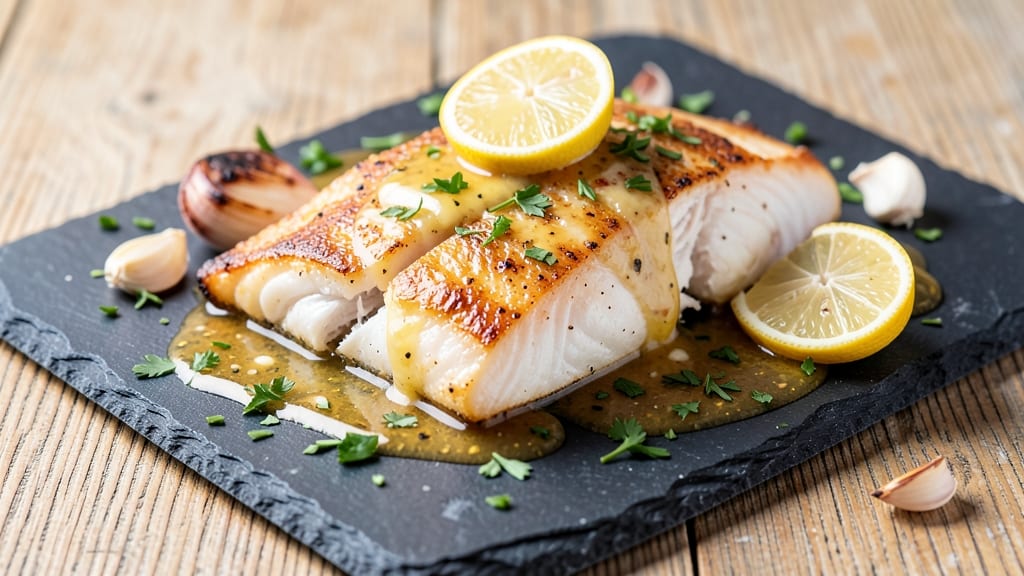
This baked fish with lemon butter sauce recipe transforms simple ingredients into a restaurant-worthy meal in just 20 minutes. The secret lies in high-heat baking for crispy skin and tender flesh, paired with a bright, tangy sauce that elevates every bite.
I developed this method after years of testing—no overcooking, no soggy results, just foolproof perfection every time.
The magic happens when you bake the fish on a preheated tray at 425°F, ensuring a golden crust while keeping the inside flaky. Meanwhile, the lemon butter sauce—just melted butter, lemon zest, and a splash of juice—adds a zesty finish that cuts through the richness.
This isn’t just a side dish; it’s a complete, elegant meal ready in one pan.
What you’ll end up with is fish that’s crispy on the outside, moist inside, topped with a glossy sauce that’s tangy, buttery, and impossible to resist.
The aroma alone will have everyone at the table asking for seconds. Serve with roasted asparagus or a simple green salad for a balanced, restaurant-quality dinner.
This recipe scales effortlessly—whether you’re cooking for two or feeding a crowd—and the sauce can be made ahead, saving you time on busy weeknights. The key is precision: don’t overcrowd the pan, and let the fish bake undisturbed until it’s just done.
Trust the process, and you’ll master this dish in no time.
Ingredients for baked fish with lemon butter sauce
Four simple ingredients transform into a restaurant-quality dinner in one pan.
| Ingredient | Amount | Notes |
|---|---|---|
| White Fish Fillets 🐟 | 4 pieces | Skin-on, center-cut for even cooking |
| Unsalted Butter 🧈 | ½ cup | Cold, cut into 8 pieces for sauce |
| Lemon Zest 🍋 | 1 tbsp | From 1 large organic lemon |
| Fresh Lemon Juice 🍋 | 2 tbsp | From same lemon, freshly squeezed |
| Garlic Cloves 🧄 | 2 cloves | Minced, for sauce |
| Fresh Parsley 🌿 | ¼ cup | Chopped, for garnish |
| Diamond Crystal Kosher Salt 🧂 | 1 ½ tsp | For seasoning fish |
| Ground Black Pepper 🌶️ | ½ tsp | Freshly cracked |
| Extra-Virgin Olive Oil 🫒 | 1 tbsp | For oiling tray |
| Fresh Thyme Leaves 🌿 | 4 whole | From 1 sprig, for garnish |
The fish is everything here—center-cut fillets with skin ensure crispy edges and flaky centers. Whole Foods or your local seafood counter are best for quality; look for firm, translucent flesh with no fishy odor. If buying frozen, thaw overnight in the fridge—never at room temperature. I always grab wild-caught Alaskan cod or halibut when possible, but tilapia or mahi-mahi work perfectly too. The skin stays on for texture but can be removed after baking if preferred. Don’t skip patting dry with paper towels before seasoning—this is non-negotiable for crispy skin.
No fresh thyme? Dried thyme at one-third the amount works, but the fresh leaves add a bright aroma. The lemon should be organic if possible—conventional lemons often have thinner zest. For the butter, European-style unsalted (like Plugrá) melts more smoothly than American brands. Short on time? Pre-mince the garlic while the oven preheats—saves 30 seconds. The parsley is purely decorative, but I always double the amount because half gets torn over the top of the fish while the rest goes in the sauce. No lemon juice? A mix of orange juice and a pinch of cream of tartar mimics the acidity.
Fish bakes best at room temperature, so take it out of the fridge 30 minutes before cooking. The sauce can be made ahead—just reheat gently before serving. Store leftovers in an airtight container for up to 2 days in the fridge, though it’s best enjoyed fresh. Freeze the sauce separately if you’re not using it all immediately—it keeps for 3 months. For meal prep, bake the fish ahead and reheat at 350°F for 8-10 minutes with a splash of water to steam. The skin might lose some crispness, but the flavor stays bright.
Why You'll Love This Recipe
- Here’s what sold me: that crispy skin with a melt-in-your-mouth center, all drenched in a sauce that’s equal parts tangy and rich. The garlic cloves soften just enough to perfume the butter without overpowering, while the lemon zest adds a zesty kick that cuts through the richness perfectly.
- One-Pan Magic: I swear by this recipe because it’s that simple—just toss the fish, butter, and garlic on a sheet pan, bake, and walk away. No pots, no mess, no stress. The lemon butter pools right on the pan, so you’re left with minimal cleanup and maximum flavor.
- Bright & Buttery Bliss: Here’s what sold me: that crispy skin with a melt-in-your-mouth center, all drenched in a sauce that’s equal parts tangy and rich. The garlic cloves soften just enough to perfume the butter without overpowering, while the lemon zest adds a zesty kick that cuts through the richness perfectly.
- Weeknight to Dinner Party: Between us, this is my go-to for lazy nights and when I’m trying to impress. Serve it with crusty bread and a simple salad for a no-fuss weeknight meal, or plate it with roasted asparagus and a sprinkle of parsley for a restaurant-worthy dish. Honestly, it’s the same effort either way.
Step-by-step instructions for baked fish with lemon butter sauce
Here's the method that delivers tender, flaky fish with a velvety lemon butter sauce every time.
Prepare the Fish for Perfect Texture
Preheat your oven to 400°F and position a rack in the center position. Line a baking sheet with parchment paper and lightly brush it with the 1 tablespoon extra-virgin olive oil using a paper towel. This prevents sticking and helps create a delicate crust on the fish.
Pat the 4 pieces white fish fillets completely dry with paper towels—this is crucial for crisp skin. Season both sides generously with 1.5 teaspoons diamond crystal kosher salt and 0.5 teaspoon ground black pepper, pressing gently so the seasoning adheres. Arrange the fillets skin-side down on the prepared baking sheet, spacing them evenly apart. The skin will protect the delicate flesh and help it cook evenly.
Bake Until Flaky and Just Cooked
Bake the fish for 12-14 minutes until the edges are opaque and flaky when tested with a fork, and the skin is lightly golden. Don't overcook—fish continues cooking slightly after you remove it from the oven. The center should still look slightly translucent with a hint of white when done. If your oven runs hot, start checking at the 10-minute mark.
Here's the thing—if you see the fish starting to curl at the edges, it's ready. Remove it immediately to prevent overcooking. Transfer the baked fillets to a warm serving platter and tent loosely with aluminum foil to keep them warm while you prepare the sauce.
Create the Lemon Butter Sauce
While the fish bakes, melt the 0.5 cup unsalted butter (cut into 8 pieces) in a small saucepan over medium-low heat. Add the 2 cloves minced garlic and cook for 30 seconds until fragrant but not browned—garlic burns quickly, so watch carefully. Stir in the 1 tablespoon lemon zest and 2 tablespoons fresh lemon juice, then reduce heat to low.
Let the sauce simmer gently for 2-3 minutes until it thickens slightly and becomes glossy. The butter should be fully melted and the sauce should coat the back of a spoon. If it starts to separate, whisk vigorously to re-emulsify. Remove from heat and stir in the 4 whole fresh thyme leaves—they'll infuse the sauce with delicate aroma without needing to be removed.
Combine and Garnish for Presentation
Pour the warm lemon butter sauce over the baked fish fillets, allowing it to cascade gently over the top. The residual heat will help the sauce cling to the fish. Using a small spoon, drizzle any remaining sauce around the platter for an elegant presentation. Sprinkle the 0.25 cup chopped fresh parsley evenly over the top—this adds freshness and color contrast to the golden fish and sauce.
Serve immediately while the fish is still warm and the sauce is silky. The combination of tender, flaky fish with the bright, tangy lemon butter sauce creates a perfect balance of richness and acidity. Each bite should deliver melt-in-your-mouth texture with bursts of citrus flavor from the sauce.
Pro Tips For Making Baked Fish With Lemon Butter Sauce
- USE A THIN LAYER OF BUTTER: Slather the fish fillets with just enough melted butter to coat—not drown—before baking. Too much butter pools and makes the fish greasy, while too little leaves it dry. I learned this the hard way when my cod turned out soggy after a "generous" butter bath.
- MINCE GARLIC FINE: Pulse the garlic in a food processor or finely mince it by hand—no big chunks. You want it to melt into the butter sauce, not sit like a textural surprise. My grandmother swore by this, and she was right: the sauce becomes silky instead of peppered with chewy bits.
- BAKE UNTIL FLAKES EASILY: Pull the fish out of the oven when it’s just opaque and flakes with a fork—no waiting for it to turn white. Overcooking turns it rubbery, and you’ll regret it. I now set a timer for 10-12 minutes (depending on thickness) and check early, because fish finishes cooking fast.
- ZEST FIRST, JUICE LATER: Add the lemon zest to the butter before baking, so it infuses the fish directly. Save the fresh juice for the sauce at the end—this keeps the fish bright and prevents it from curdling the butter. I was skeptical until I tried it: the flavor is way more balanced.
Storing and reheating this dish
Refrigerator Storage
The lemon butter sauce and baked fish store beautifully in the fridge for up to 2 days when kept in separate airtight containers. I use glass Pyrex containers with snap-on lids—they preserve flavors better than plastic.
Let the fish cool completely before storing to prevent condensation that can make the skin soggy. The sauce will thicken slightly in the fridge, so reheat it gently before serving. 🧊
Freezing the Sauce
If you're not using all the sauce immediately, freeze it in quart-sized silicone molds or ice cube trays. Once frozen, transfer to a freezer-safe bag with excess air squeezed out. The sauce keeps for 3 months this way.
To use, thaw overnight in the fridge and reheat on the stovetop over low heat with a splash of water to restore its silky texture.
Reheating Fish
For the best results, reheat the fish in a lightly oiled oven-safe dish at 350°F for 8-10 minutes. Add 1 tablespoon water to the dish to create steam, which helps maintain moisture.
The skin may lose some crispness, but the fish will still be tender and flavorful. If using the microwave, heat in 30-second intervals on 50% power, covered with a damp paper towel.
Reviving the Sauce
Thawed sauce can be reheated directly in a saucepan over low heat with 1 teaspoon water to prevent burning. If the sauce separates, whisk vigorously while heating—it should re-emulsify into a smooth, glossy finish.
For extra brightness, add a fresh squeeze of lemon juice when reheating. This works wonders if you've stored the sauce separately from the fish. 💡
Make-Ahead Tips
For meal prep, bake the fish ahead of time and store it in the fridge. When ready to serve, reheat the fish and sauce together in a skillet over medium heat for 5 minutes.
The residual heat from the sauce will help the fish stay warm while the flavors meld beautifully. This is perfect for busy weeknights when you want to serve a restaurant-quality meal with minimal effort.
Nutrition facts
Frequently asked questions
What's the best fish for this lemon butter recipe?
White, firm fish work best—try cod, halibut, or mahi-mahi for perfect texture. Avoid delicate fish like sole or flounder, which can turn rubbery. For budget-friendly options, tilapia or snapper also shine with this method. Always choose skin-on fillets for better texture.
Can I make the sauce ahead of time?
Yes! Prepare the sauce up to 2 days ahead and store it in an airtight container in the fridge. Reheat gently over low heat with a splash of water to restore its silky texture. For freezing, portion into ice cube trays for easy use later—just thaw and reheat before serving.
Why is my fish skin not crispy?
Crispy skin comes from proper prep: pat the fish completely dry and don't overcrowd the pan. Bake at 400°F with space between fillets. If your oven runs hot, reduce temp to 375°F and check at 10 minutes. A light brush of olive oil before baking also helps!
What sides pair best with this dish?
Roasted asparagus, lemony quinoa, or a simple arugula salad complement perfectly. For carbs, try garlic bread or roasted potatoes. The bright acidity of the sauce works especially well with earthy, cooked vegetables that balance its richness.
Can I use dried herbs instead of fresh?
For the sauce, use one-third the amount of dried thyme (½ tsp) if needed. Fresh herbs add better flavor, but dried works in a pinch. For garnish, fresh parsley is ideal—its vibrant color makes the dish pop. If substituting, try chopped chives or dill for variety.