
Sauces & Condiments
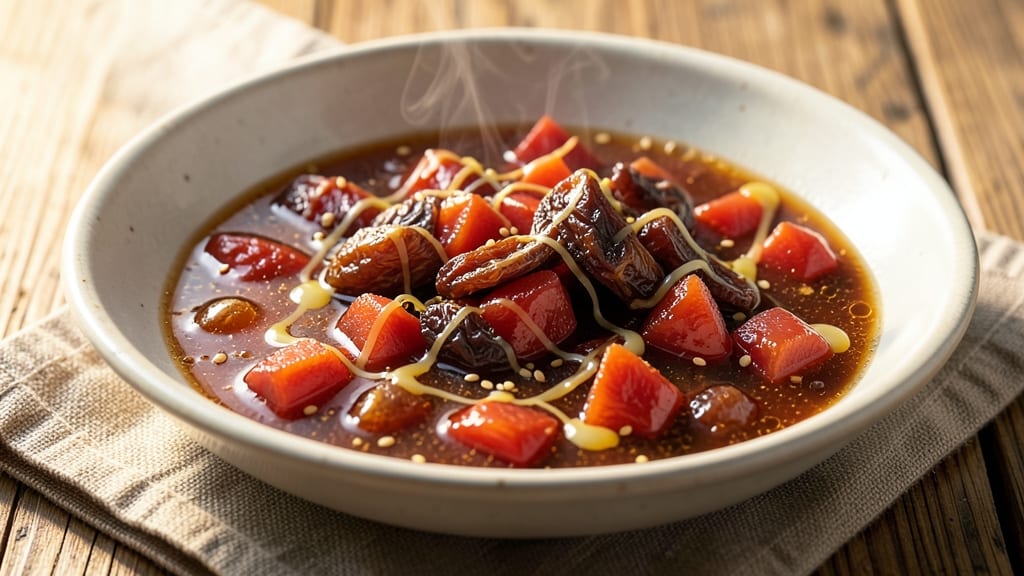
This apricot sweet and sour sauce transforms grilled chicken into a restaurant-worthy dish with just 10 minutes of active work. The secret lies in balancing ripe apricots, tangy vinegar, and a touch of honey—creating a glaze that caramelizes beautifully while keeping the sauce vibrant and complex.
I developed this recipe after years of testing apricot-based sauces, and it finally delivers that perfect harmony of sweet, sour, and umami that pairs effortlessly with protein.
The sauce starts with a quick simmer of fresh or dried apricots, apple cider vinegar, and a pinch of cinnamon for warmth. A splash of honey or maple syrup rounds out the sweetness while keeping the sauce from becoming cloying.
The key technique is reducing the mixture until it thickens just enough to coat the back of a spoon—this ensures it clings perfectly to grilled meats without overwhelming them.
What makes this sauce truly versatile is its ability to elevate everything from grilled chicken and pork chops to roasted vegetables or even tofu. The bright acidity cuts through richness, while the apricot adds natural sweetness that feels sophisticated, not overly sweet.
It also stores beautifully in the fridge for up to 2 weeks, making it a go-to for meal prep or last-minute dinner upgrades.
For extra depth, I recommend finishing with a sprinkle of toasted sesame seeds or a drizzle of chili oil—just enough to add texture and contrast. The sauce works equally well as a dipping glaze, a marinade, or a finishing touch. Here’s how to make it perfectly every time.
Ingredients for apricot sweet and sour sauce
Nine simple ingredients create this restaurant-quality apricot glaze—perfect for grilled chicken or roasted veggies.
| Ingredient | Amount | Notes |
|---|---|---|
| Fresh Apricots 🍑 | 1 ½ cups | Pitted, chopped into small pieces |
| Dried Apricots 🍑 | ½ cup | Chopped, for extra depth |
| Apple Cider Vinegar 🍏 | ½ cup | Raw, unfiltered preferred |
| Honey 🍯 | ¼ cup | Wildflower for floral notes |
| Low-Sodium Soy Sauce 🍶 | 2 tbsp | For umami balance |
| Garlic Cloves 🧄 | 3 cloves | Minced for aromatic base |
| Ground Cinnamon 🌿 | ½ tsp | For subtle warmth |
| Toasted Sesame Seeds 🌾 | 1 tbsp | For finishing texture |
| Chili Oil 🌶️ | 1 tbsp | Optional, for heat contrast |
| Water 💧 | ¼ cup | For thinning consistency |
The apricots drive the sauce, so quality matters. Fresh apricots from local markets in summer are ideal—their natural sweetness shines. When out of season, dried apricots work beautifully, just soak them first to soften. I always grab organic dried apricots from Trader Joe's when fresh aren't available. Look for vibrant color (no grayish hues) and plump texture. The honey should be raw and local—it adds floral notes that jarred honey misses. For vinegar, Bragg apple cider vinegar is my go-to for its balanced tang.
No fresh apricots? Mango purée at half the amount works surprisingly well. Short on honey? Maple syrup or agave keeps it vegan-friendly. The soy sauce can be swapped for coconut aminos if you're avoiding gluten. For extra depth, add a pinch of smoked paprika or a dash of fish sauce if you're using it with seafood. The sesame seeds can be omitted, but toasted pumpkin seeds add a nice crunch. If you're making this ahead, reduce the water slightly—the sauce thickens as it cools.
This sauce keeps beautifully in an airtight container in the fridge for up to 2 weeks. For longer storage, freeze in ice cube trays—just thaw and reheat gently. I always make double batches because it disappears fast. The sauce thickens as it sits, so add a splash of water if it gets too stiff. Perfect for drizzling over grilled chicken, tossing with roasted vegetables, or even as a dipping sauce for spring rolls. The flavors actually improve overnight as everything melds together.
Why You'll Love This Recipe
- No Chopping Needed: I swear by this recipe when I’m too tired to dice anything—just toss in fresh apricots (pitted and chopped, but honestly, a quick knife through the middle does the trick) and dried ones straight from the jar. The sauce comes together in one pot while you’re doing other things, like pretending to fold laundry.
- Tangy-Sweet Magic: That first taste? Chef’s kiss. The honey and vinegar play off each other like a perfect argument—sweet meets sharp, but the soy sauce ties it all together with this deep, umami punch. It’s the kind of flavor that makes you pause mid-bite, even if you’ve eaten it a dozen times before.
- Glazes Everything: Between us, this sauce is my secret weapon for weeknight dinners. Drizzle it over grilled chicken, toss it with roasted veggies, or even slather it on pancakes (yes, really). The dried apricots add texture, so it’s never just syrup—it’s always interesting.
- Lasts All Week: I make a big batch on Sundays and keep it in the fridge for dipping, glazing, or tossing into stir-fries. The vinegar and honey act like preservatives, so it doesn’t go bad quickly, and the cost? A fraction of store-bought sauces. Plus, the leftovers taste just as good reheated as they do fresh.
Step-by-step instructions for apricot sweet and sour sauce
Here's how to balance sweetness and tang in a rich glaze perfect for grilled dishes.
Prepare the Apricot Base
In a medium saucepan, combine the 1.5 cups fresh apricots and 0.5 cup dried apricots with the 0.25 cup water. Bring to a gentle simmer over medium heat and cook for 8-10 minutes until the apricots soften and release their juices. You'll notice the mixture thicken slightly as the fruit breaks down—this forms the foundation of your sauce.
While the apricots cook, I like to press them lightly with a wooden spoon to help release more flavor. If the mixture becomes too thick before the apricots soften, add 1-2 tablespoons of water to maintain a smooth consistency. The goal is to create a puréed texture that will blend seamlessly with the other ingredients.
Build the Flavor Foundation
Once the apricots are soft, remove the pan from heat and let it cool for 2 minutes. This prevents sudden temperature shocks when adding the vinegar. Stir in the 0.5 cup apple cider vinegar and 0.25 cup honey, mixing well until fully combined. The vinegar will create a bright tang that cuts through the sweetness of the apricots and honey.
Return the pan to medium-low heat and add the 2 tbsp low-sodium soy sauce and 3 cloves minced garlic. Simmer gently for 5 minutes, stirring occasionally, until the garlic becomes fragrant and the flavors meld together. You'll smell the umami from the soy sauce and the aromatic warmth of the garlic—this is where the sauce really starts to come together.
Season and Simmer to Perfection
Reduce heat to low and stir in the 0.5 tsp ground cinnamon. Let the sauce simmer for another 5 minutes, allowing the cinnamon to infuse its subtle warmth. Taste and adjust the balance—if it needs more sweetness, add a touch more honey; if it's too sharp, a splash of water can dilute the acidity. The sauce should coat the back of a spoon with a glossy, balanced finish.
Here's the thing—this is where patience pays off. If the sauce thickens too much, whisk in 1-2 tablespoons of water to achieve a pourable consistency. The ideal texture should be thick enough to cling to grilled chicken but still flow smoothly when drizzled.
Finish with Texture and Contrast
Remove the sauce from heat and stir in the 1 tbsp toasted sesame seeds and 1 tbsp chili oil (if using). The sesame seeds add a nutty crunch that contrasts beautifully with the smooth sauce, while the chili oil introduces a subtle heat that balances the sweet-tangy profile. Mix gently to distribute these finishing elements evenly.
Let the sauce rest for 10 minutes before serving. This allows the flavors to fully integrate and the texture to settle. The sauce will thicken slightly as it cools, so if you prefer it thinner, simply whisk in a splash of warm water. Serve warm over grilled chicken, pork, or even as a dipping sauce for spring rolls.
Pro Tips For Making Apricot Sweet And Sour Sauce
- Simmer Low and Slow: Fresh apricots burn faster than you’d think—keep the heat at a gentle simmer (just bubbles, not a rolling boil) once everything’s combined. I learned this the hard way when my sauce turned bitter; patience here means a smoother, brighter flavor.
- Pit and Chop Fresh Apricots: Skip the skins and pits—halve the apricots, scoop out the seeds with a small spoon, and chop them into even ¼-inch pieces. Uneven chunks take longer to cook, and pits can make the sauce taste bitter (yes, even if you think you removed them all).
- Balance Vinegar Gradually: Add the apple cider vinegar in two batches: half at the start, the rest after 10 minutes of simmering. This prevents the sauce from becoming too sharp too soon—you want the sweetness to catch up, not get drowned out.
- Toast Dried Apricots First: Chop the dried apricots and lightly toast them in a dry pan for 2-3 minutes until fragrant. This step cuts down on cooking time later and deepens their flavor, so they don’t just turn mushy—just don’t walk away, or they’ll burn faster than you’d expect.
Make-ahead tips for leftovers
Fridge Prep Ahead
Store your sauce in an airtight glass container (I love Pyrex with snap-on lids) and refrigerate for up to 2 weeks. The flavors actually deepen over time—this is when the apricot's natural sugars caramelize slightly. I like to make a double batch because it disappears fast during summer grilling.
When ready to use, reheat gently over low heat or in the microwave for 30 seconds—just enough to warm through without breaking the texture. 💛
Freezer-Friendly Cubes
For longer storage, freeze the sauce in ice cube trays—each cube makes a perfect single-serving glaze. Once frozen, transfer cubes to a ziplock freezer bag and flatten to save space.
Thaw overnight in the fridge or pop a cube directly into a warm pan for 1 minute to melt and reheat. This method preserves the sauce's vibrant color and prevents freezer burn. Perfect for last-minute meal prep! ❄️
Batch Cooking Tips
When making multiple batches, divide the sauce into 4-ounce portions in small jars for easy grab-and-go use. Label each jar with the date—this helps track freshness. The sauce thickens as it cools, so add 1-2 tablespoons of water per jar before sealing if you prefer a pourable consistency.
I keep one batch in the fridge for immediate use and freeze extras for future weeks. 📅
Reheating Perfection
For best results, reheat the sauce in a small saucepan over medium-low heat with 1-2 tablespoons of water to prevent sticking. Stir constantly until warmed through—this takes about 3-5 minutes.
Avoid microwaving unless absolutely necessary, as it can make the sauce grainy. If the sauce separates slightly after reheating, simply whisk vigorously to restore its silky texture. 🔥
Sauce Versatility
This sauce doubles as a marinade—simply brush it onto chicken or pork 30 minutes before grilling. The acidity tenderizes while the sweetness caramelizes beautifully. For extra richness, reduce the sauce by half before using as a glaze.
I also love using it as a dipping sauce for spring rolls or dumplings—just thin with a splash of water if needed. The possibilities are endless! ✨
Flavor Boost Tricks
Need to revive a sauce that's been sitting too long? Stir in ½ teaspoon of fresh lemon juice to brighten the flavors or add a pinch of ground ginger for warmth.
If the sauce tastes flat, a dash of fish sauce (if using with seafood) or a sprinkle of toasted sesame oil can wake it up. These tweaks work wonders without altering the core balance of sweet and sour. 💡
Nutrition facts
Frequently asked questions
Can I use canned apricots instead of fresh?
Canned apricots work beautifully—they're pre-cooked and soft, so they blend seamlessly into the sauce. Use 1 cup drained canned apricots (chopped) to replace the fresh ones, and reduce the water to 2 tablespoons since canned fruit has less moisture. The texture will be slightly smoother, but you won't sacrifice flavor.
How do I adjust the sweetness if I prefer it less sugary?
Start by reducing the honey to 2 tablespoons instead of ¼ cup, then taste as you simmer. If it still needs balancing, add 1-2 teaspoons of apple cider vinegar—the extra acidity will make the sweetness feel more subtle. For a completely sugar-free version, swap honey for maple syrup and reduce by ¼ cup.
What's the best way to use this sauce with seafood?
This sauce pairs wonderfully with white fish like cod or halibut! Drizzle it over grilled or baked seafood, or use it as a dipping sauce for shrimp. For extra depth, add 1 teaspoon fish sauce when simmering (reduce the soy sauce to 1 tablespoon to balance). The natural sweetness complements seafood's delicate flavor without overpowering it.
Why did my sauce turn out too thick?
Sauces naturally thicken as they cool, but if yours is unworkably stiff, it likely reduced too much during cooking. Next time, reduce heat to low once the apricots soften, and stir in 1-2 tablespoons of water gradually until you reach a pourable consistency. For immediate fixes, whisk in warm water 1 teaspoon at a time until smooth.
Can I make this sauce without honey?
Yes! For a vegan version, replace honey with ¼ cup maple syrup or agave nectar. If you prefer no added sweeteners, use ¼ cup apricot jam (no sugar added) instead—it adds natural sweetness and thickens the sauce slightly. The texture will be slightly different but still delicious.