
Sauces & Condiments
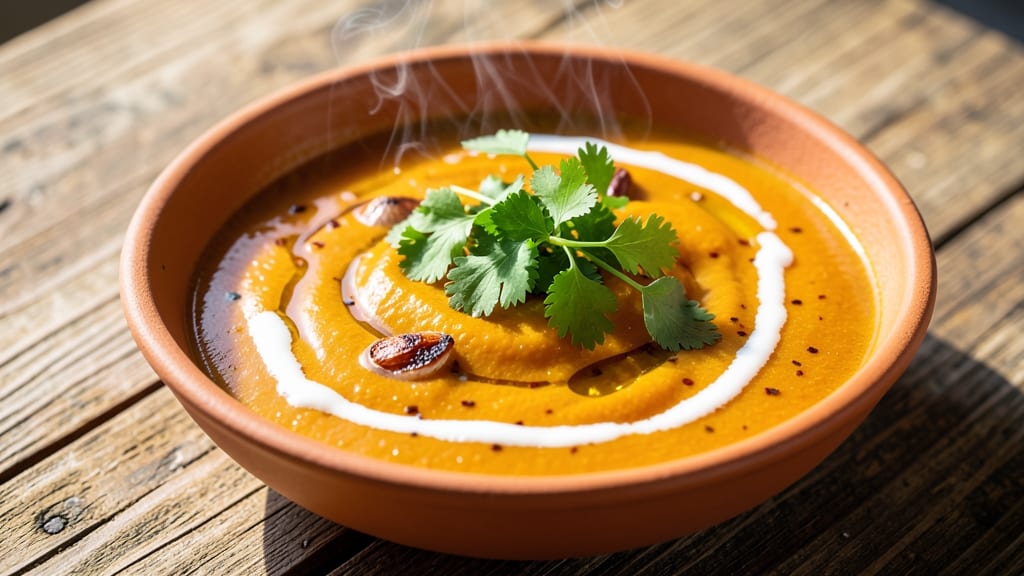
This annatto sauce recipe transforms simple ingredients into a vibrant, golden-orange condiment that elevates rice, meats, and marinades with its bold, earthy flavor. The secret lies in properly infusing annatto seeds or powder into oil or broth, creating a sauce that's both visually striking and deeply aromatic.
I developed this version after years of experimenting with traditional Latin American techniques, ensuring it delivers restaurant-quality results at home.
The process is straightforward: toast the annatto seeds (or use powder) to deepen their flavor, then steep them in warm oil or broth until the liquid develops that signature golden hue. This method preserves the sauce's natural richness while avoiding the bitterness that can occur with overcooking.
The result is a versatile sauce that works equally well as a rice seasoning, meat marinade, or even a drizzle over soups and stews.
What makes this sauce truly special is its ability to transform ordinary dishes into something extraordinary. A single spoonful of this annatto sauce can turn plain white rice into vibrant, flavorful arroz con colorado, or infuse grilled meats with a smoky, slightly sweet depth.
The sauce also keeps beautifully in the refrigerator, making it perfect for meal prep and batch cooking.
For those looking to adapt this recipe, the sauce can be easily made vegetarian or vegan by using vegetable oil and plant-based broth. The possibilities are endless—whether you're cooking traditional Latin American dishes or creating modern fusion recipes. Let's get started on making this vibrant, flavor-packed sauce!
Ingredients for annatto sauce
Nine simple ingredients transform into a restaurant-quality sauce that brings vibrant color and deep flavor to any dish.
| Ingredient | Amount | Notes |
|---|---|---|
| Annatto Seeds 🌶️ | 2 tbsp | Whole, not pre-ground |
| Extra-Virgin Olive Oil 🫒 | 1 cup | High-quality, fruity variety |
| Vegetable Broth 💧 | 1 cup | Low-sodium preferred |
| Garlic Cloves 🧄 | 3 cloves | Minced for infusion |
| White Vinegar 🍶 | 1 tbsp | For preservation |
| Salt 🧂 | ½ tsp | Diamond Crystal preferred |
| Ground Black Pepper 🌶️ | ¼ tsp | Freshly ground |
| Cumin Seeds 🌿 | ½ tsp | Toasted for depth |
| Bay Leaf 🌿 | 1 whole | For aromatic infusion |
| Onion Powder 🧅 | ¼ tsp | For subtle depth |
Annatto seeds are the heart of this sauce—look for whole seeds at Latin markets or specialty stores like Penzeys Spices for the most potent flavor. The seeds should be vibrant orange and free of moisture. Toasting them lightly in a dry pan for 30 seconds before infusion deepens their flavor significantly. If you can't find whole seeds, annatto powder works too, but you'll need about half the amount. The olive oil should be extra-virgin, with a fruity aroma—California or Italian varieties work best for this application. For the broth, low-sodium vegetable broth ensures you control the seasoning perfectly.
No annatto seeds? Annatto powder is a direct substitute, but reduce the amount to 1 teaspoon—it's much more concentrated. Short on garlic? Garlic powder at half the amount works, though fresh is ideal. The vinegar can be swapped for lemon juice if you prefer a brighter tang, but vinegar helps preserve the sauce longer. If you're making this vegan, ensure your broth and oil are plant-based—coconut oil adds a lovely richness. For a smokier profile, add a pinch of smoked paprika, though it's not traditional. The cumin seeds should be toasted in a dry pan until fragrant—about 30 seconds—before grinding.
This sauce keeps beautifully in an airtight glass jar in the refrigerator for up to 3 months. The color will intensify over time, becoming even more vibrant. For long-term storage, freeze in ice cube trays—thaw quickly in warm water when ready to use. The sauce can be strained for a smoother texture or left as-is for a rustic, seed-infused version. A little goes a long way—start with 1 teaspoon per serving and adjust to taste. The sauce pairs exceptionally well with rice, grilled meats, and even as a marinade base for chicken or fish.
Why You'll Love This Recipe
- No-Fuss Infusion: I swear by this sauce because it’s literally one pot, one stir, and done. Toast the annatto seeds in olive oil until they smell like sunshine—no fancy equipment, just a pan and patience (the good kind). Honestly, it’s the kind of recipe that makes me want to cook just because it’s this simple.
- Umami Bomb: That first crack of garlic in the oil, then the annatto blooming into a warm, golden hue? It’s like a flavor explosion you can taste before it even hits your plate. The vinegar cuts through the richness just enough to keep it bright, and the broth adds depth without overpowering—chef’s kiss for sauces that don’t scream “I tried too hard.”
- Pantry Stretch: Between us, this sauce is my budget hack for making cheap ingredients feel fancy. A splash of broth stretches into a whole meal’s worth, and the annatto’s bold color makes even simple rice or grilled fish look restaurant-worthy. I’ve used it on eggs, soups, and even drizzled it over avocado toast—yes, even on a Tuesday night.
- Leftovers That Shine: Make a double batch and store it in the fridge for up to a week—it only gets better as the flavors meld. Freezes like a dream too, so I always have a backup for last-minute dinner guests. The oil separates a little when cold? Just give it a quick shake before using, and no one will ever guess it’s been sitting there.
Step-by-step instructions for annatto sauce
Here's how to craft a rich, vibrant annatto sauce with deep flavor and striking color.
Toast the Annatto Seeds and Aromatics
Heat a small dry skillet over medium-low heat. Add the 2 tbsp annatto seeds and toast them for 2-3 minutes, stirring constantly, until they release their fragrant aroma and begin to darken slightly. The seeds should smell earthy and slightly nutty—this indicates they're ready. Immediately transfer them to a mortar and pestle or small bowl.
In the same skillet, add the 0.5 tsp cumin seeds and toast for 30 seconds until they darken and become aromatic. Remove from heat and let cool for 1 minute, then crush lightly with the pestle or a rolling pin. This step develops the complex flavors that will carry through your sauce.
Infuse the Olive Oil
Return the skillet to low heat and add the 1 cup extra-virgin olive oil. Once the oil is shimmering (but not smoking), add the toasted annatto seeds, crushed cumin seeds, 3 cloves minced garlic, and 1 whole bay leaf. Reduce heat to the lowest setting and let the mixture infuse for 10 minutes, stirring occasionally.
Watch the color develop—it should transform from pale yellow to a rich, golden-orange hue. The oil should smell deeply aromatic with notes of garlic, cumin, and annatto. Remove from heat and strain through a fine-mesh sieve into a clean bowl, pressing gently on the solids to extract every bit of flavor. Discard the solids.
Simmer the Broth and Vinegar
In a separate saucepan, combine the strained annatto oil with the 1 cup vegetable broth, 1 tbsp white vinegar, 0.5 tsp salt, and 0.25 tsp onion powder. Bring to a gentle simmer over medium heat, then reduce to the lowest setting possible while maintaining a steady bubble. The sauce should reduce gradually—this takes about 15-20 minutes—until it thickens to a glossy consistency.
Taste and adjust seasoning, adding more salt or vinegar as needed. The sauce should be tangy, slightly sweet from the annatto, and well-balanced. If it reduces too quickly, cover the pan loosely and let it simmer more gently. The goal is a sauce that coats the back of a spoon without being syrupy.
Finish and Strain
Once the sauce reaches the desired consistency, remove it from heat and stir in the 0.25 tsp ground black pepper. Let it cool slightly, then strain through a fine-mesh sieve into a clean container to remove any remaining solids. The final sauce should be a vibrant orange color with a smooth, velvety texture.
For best results, use the sauce immediately over rice, grilled meats, or roasted vegetables. If storing, keep it in an airtight container in the refrigerator for up to 5 days or freeze for 3 months. The color may darken slightly over time, but the flavor will deepen with storage.
Pro Tips For Making Annatto Sauce
- CRUSH THE SEEDS FIRST: Annatto seeds are stubborn—don’t just toss them whole into the oil. Lightly crush or grind them first (a mortar and pestle works best) so they release their color and flavor faster. I used to skip this, and my sauce always looked pale and tasted weak. Two minutes of crushing saves you 10 minutes of simmering.
- USE LOW HEAT FOR COLOR: Simmer the annatto oil on low heat—medium will burn it before the color develops. I learned this after watching my first batch turn bitter and smoky. Keep it at a gentle bubble, and stir occasionally to distribute the seeds evenly.
- STRAIN TWICE FOR CLEAR SAUCE: After simmering, strain the oil through a fine-mesh sieve once, then a coffee filter or cheesecloth for a second pass. The first strain removes seeds, but the second catches the fine particles that make the sauce cloudy. Worth the extra step—your sauce will look restaurant-worthy.
- ACIDIFY THE BROTH LAST: Add the white vinegar to the vegetable broth after simmering the annatto oil, not before. The acid cuts through the richness, but if you add it too early, it can dull the annatto’s vibrant hue. A splash at the end keeps the color bold and the flavor balanced.
Common mistakes when making perfect results
Over-Toasting Seeds
I’ve burned annatto seeds more times than I’d like to admit—when they turn dark brown or black, they develop a bitter, almost acrid flavor that ruins the sauce. Toast them just until they’re fragrant and slightly darkened (2-3 minutes max) over medium-low heat.
If you’re using a nonstick pan, watch closely—they toast faster than in cast iron. The moment they smell nutty and earthy, remove them immediately. 🌶️
Skipping the Infusion Time
Rushing the oil infusion is a common mistake—cutting the 10-minute infusion short means your sauce will lack depth and vibrancy. The annatto needs time to fully dissolve into the oil and release its color.
If you’re impatient, keep the heat very low and stir occasionally to help the seeds release their pigments. Pro tip: Use a thermometer to keep the oil between 160-180°F—any hotter, and you risk burning the seeds.
Using Low-Quality Oil
Cheap or heavily processed oils (like vegetable or canola) won’t infuse properly and can make your sauce taste flat. Stick with extra-virgin olive oil or avocado oil—their higher smoke points and rich flavors let the annatto shine.
I’ve tried this with refined oils, and while they work, the final sauce lacks the complexity of a high-quality base. If you’re making this vegan, use cold-pressed coconut oil for a subtle tropical note.
Ignoring the Straining Step
Leaving in the solids can make your sauce grainy and overpower the flavor with bitterness. Always strain through a fine-mesh sieve after infusing the oil, and press gently on the seeds to extract every drop of color.
For a smoother texture, I double-strain through a cheesecloth-lined sieve. If you’re feeling lazy, at least remove the bay leaf before simmering the broth—it’s too tough to chew and doesn’t add much flavor at that stage.
Over-Reducing the Sauce
Simmering too aggressively can turn your glossy sauce into a thick paste. Keep the heat at the lowest setting possible while maintaining a gentle bubble—this takes patience but ensures the sauce reduces evenly. If it starts to look too thick, add 1-2 teaspoons of water or broth to loosen it.
The goal is a sauce that coats the back of a spoon but still flows freely. I’ve ruined batches by walking away for just five minutes—set a timer if you’re distracted!
Neglecting the Vinegar
The 1 tablespoon of vinegar isn’t just for tang—it helps preserve the sauce and balance the richness. Skipping it or using too little can make the sauce taste flat or overly sweet. White vinegar works best, but apple cider vinegar adds a fruity depth.
If you’re using lemon juice as a substitute, reduce it to ½ tablespoon to avoid overpowering the annatto’s natural sweetness. Trust me, your taste buds will thank you.
Nutrition facts
Frequently asked questions
Can I use annatto powder instead of seeds?
Yes, but adjust the amount! Use 1 teaspoon of annatto powder instead of 2 tablespoons of seeds since powder is much more concentrated. The flavor will be similar, but you’ll get that vibrant color faster. Toast the powder lightly in a dry pan for 30 seconds to enhance its aroma before mixing with oil.
How do I store leftover annatto sauce?
Transfer to an airtight glass jar and refrigerate for up to 5 days. For longer storage, freeze in ice cube trays—thaw quickly in warm water when ready to use. The color may darken slightly over time, but the flavor actually improves as the spices meld together.
What are the best dishes to use this sauce with?
This sauce shines on grilled meats, steamed rice (especially arroz con colorado), and as a marinade for chicken or fish. It also works beautifully drizzled over soups, roasted vegetables, or even as a dip for tostones or plantains. The vibrant color makes it perfect for presentation too!
Can I make this sauce without vinegar?
You can substitute with ½ tablespoon lemon juice, but vinegar helps preserve the sauce and balance flavors better. If skipping entirely, reduce the broth slightly to concentrate the natural sweetness of the annatto. Just be aware the sauce may not keep as long without the acidity.