
Sauces & Condiments
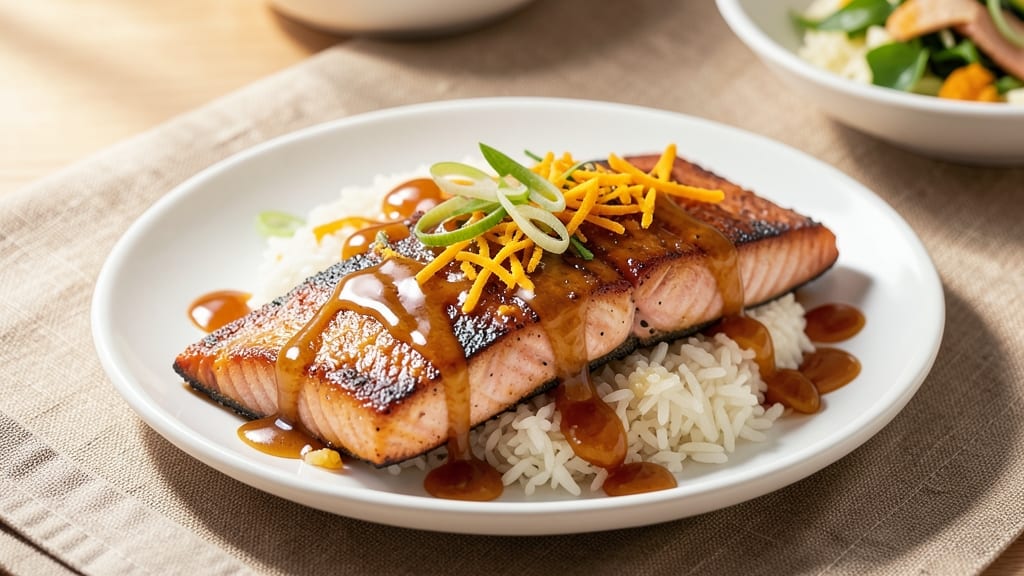
This anti-inflammatory teriyaki sauce recipe transforms classic flavors into a vibrant, health-boosting condiment packed with ginger, turmeric, and garlic. The secret lies in balancing traditional sweetness with anti-inflammatory power—no processed additives, just whole-food ingredients that elevate every stir-fry, roasted veggie, or protein dish.
I developed this sauce after realizing how often store-bought versions relied on sugar and preservatives, so I recreated the rich, sticky profile while prioritizing gut-friendly spices.
The foundation is a simple blend of coconut aminos (for umami depth), fresh ginger (for zing and inflammation-fighting compounds), and turmeric (the golden anti-inflammatory star). Garlic and onion powder add savory warmth, while a touch of maple syrup keeps the sweetness natural and balanced.
What sets this apart is the optional addition of black pepper—it activates turmeric’s curcumin, maximizing its benefits without overpowering the teriyaki profile.
By simmering everything into a glossy, slightly thickened sauce, you’ll create a condiment that’s as versatile as it is nourishing. Use it to glaze salmon, toss with tofu, or drizzle over roasted sweet potatoes—each bite delivers that familiar teriyaki satisfaction with an added layer of wellness.
The sauce keeps for up to 2 weeks in the fridge, making it perfect for meal prep.
For those who prefer less sweetness, reduce the maple syrup by half; for extra heat, add a dash of red pepper flakes. This isn’t just a sauce—it’s a flavor-packed way to support your body while enjoying meals you’ll actually look forward to. Let’s make it!
Ingredients for anti inflammatory teriyaki sauce
Nine whole-food ingredients transform into a vibrant, gut-friendly teriyaki sauce that's as nourishing as it is delicious.
| Ingredient | Amount | Notes |
|---|---|---|
| Coconut Aminos 🥫 | ½ cup | For umami depth, not soy sauce |
| Fresh Ginger 🌿 | ¼ cup | Finely grated, organic preferred |
| Turmeric Powder 🍃 | 1 tbsp | High-quality, bright yellow |
| Garlic Powder 🧄 | 1 tbsp | Freshly ground preferred |
| Onion Powder 🧅 | 1 tbsp | For savory warmth |
| Black Pepper 🌶️ | ½ tsp | Freshly cracked for curcumin activation |
| Maple Syrup 🍯 | 2 tbsp | Pure, grade B preferred |
| Extra-Virgin Olive Oil 🫒 | 1 tbsp | For glossy finish, fruity variety |
| Red Pepper Flakes 🔥 | ½ tsp | Optional for heat, adjust to taste |
| Water 💧 | ¼ cup | Filtered preferred for purity |
The coconut aminos are your umami foundation—look for brands like Coconut Secret in the Asian aisle or bulk bins at Whole Foods. Fresh ginger is non-negotiable here; organic ginger roots from the produce section (not the jarred kind) pack the most zing. Turmeric quality matters too—spice merchants like Penzeys offer vibrant, potent powder. I always double-check the expiration date on spices; if it's been open over a year, toss it. The black pepper isn't just for flavor—it activates turmeric's curcumin, so freshly cracked pepper makes this sauce a powerhouse.
No coconut aminos? Tamari or low-sodium soy sauce works in a pinch, but you'll lose some of that clean umami. Swap maple syrup for date syrup or agave nectar if you prefer, though maple adds that caramel depth. Want more heat? Add cayenne instead of red pepper flakes—it's hotter but still lets the turmeric shine. The olive oil isn't just for richness; it creates that signature glossy finish. If you're using this sauce for meal prep, divide it into small containers—it thickens as it cools, and reheating is easier in smaller batches. For extra depth, a splash of rice vinegar or apple cider vinegar brightens the flavor profile.
This sauce thickens beautifully as it cools, so stir well before using—just add a splash of water if it gets too stiff. Keeps in the fridge for 2 weeks in an airtight jar, or freeze for 3 months in ice cube trays for single-use portions. I always make a double batch because it disappears fast—great for glaze, marinade, or stir-fry sauce. The turmeric gives it that gorgeous golden hue, but if you're worried about staining, use glass containers. For meal prep, pair it with tofu, salmon, or roasted veggies—it's that versatile.
Why You'll Love This Recipe
- It’s my go-to for everything: grilled chicken, roasted veggies, or even drizzled over rice bowls. The coconut aminos add that umami punch without the gluten, and it’s the one sauce I never run out of. Meal prep? Done.
- Five-Ingredient Magic: I swear by this—just coconut aminos, ginger, turmeric, and those two powders. No fancy pantry trips, no measuring cups full of mystery spices. Honestly, I keep a jar of this in the fridge because it’s that simple.
- Golden Glow Goodness: That turmeric isn’t just for color—it’s the secret weapon. The sauce has this warm, earthy depth that cuts through the sweetness of coconut aminos, while the ginger gives it a zing that sticks with you. (Yes, even on a Tuesday night.)
- Gluten-Free Glazer: It’s my go-to for everything: grilled chicken, roasted veggies, or even drizzled over rice bowls. The coconut aminos add that umami punch without the gluten, and it’s the one sauce I never run out of. Meal prep? Done.
Step-by-step instructions for anti-inflammatory teriyaki sauce
Here's how to blend vibrant flavors with gut-friendly ingredients for a sauce that shines on everything from grilled fish to roasted veggies.
Bloom the Spices in Olive Oil
Heat the 1 tablespoon extra-virgin olive oil in a medium saucepan over medium-low heat. Add the 1 tablespoon turmeric powder, 1 tablespoon garlic powder, and 1 tablespoon onion powder, stirring constantly for 30 seconds until the spices release their aromatic oils and the mixture smells earthy and warm.
This step is crucial—it awakens the turmeric's anti-inflammatory compounds and creates a flavor base that won't clump. Watch closely as the spices dance in the oil; you'll see them darken slightly and fill your kitchen with a cozy, spiced aroma. If the oil starts to smoke, immediately reduce the heat to low—you want to cook the spices, not burn them.
Add Ginger and Black Pepper
Push the spices to one side of the pan and add the 0.25 cup freshly grated ginger (about 2 inches of ginger root). Stir for 1-2 minutes until the ginger becomes fragrant and slightly translucent at the edges. Sprinkle in the 0.5 teaspoon freshly cracked black pepper and stir for another 30 seconds.
The black pepper is key here—it activates the curcumin in turmeric, making it far more bioavailable. You'll notice the mixture darken and thicken slightly as the ginger releases its juices. If the ginger looks too dry after grating, add a splash of the 0.25 cup water now to help it blend smoothly later.
Build the Sauce Base
Pour in the 0.5 cup coconut aminos and 2 tablespoons maple syrup, stirring vigorously to combine. Add the remaining 0.25 cup water and bring the mixture to a gentle simmer over medium heat. Let it bubble away for 5-7 minutes until it thickens slightly and coats the back of a spoon.
Here's where the magic happens—the coconut aminos provide umami depth while the maple syrup balances with natural sweetness. Stir occasionally to prevent sticking, and you'll see the sauce transform from a thin liquid into a glossy, syrupy consistency. If it reduces too quickly, add another 1 tablespoon water to maintain the perfect balance.
Finish with Heat and Gloss
Remove the pan from heat and stir in the 0.5 teaspoon red pepper flakes (if using) and the 1 tablespoon extra-virgin olive oil. Let the sauce sit for 2-3 minutes to allow the flavors to meld completely. Taste and adjust seasoning—you may want to add a pinch more black pepper or a splash of coconut aminos for balance.
The olive oil at this stage adds a luxurious sheen and helps distribute the red pepper flakes evenly. The sauce should be vibrant yellow-orange with a smooth, velvety texture. If you find it too thick after cooling, thin with another 1 tablespoon water until it reaches your desired consistency for glaze or marinade purposes.
Cool and Store Properly
Transfer the sauce to a clean glass jar and let it cool to room temperature. Once cooled, refrigerate for up to 1 week or freeze in ice cube trays for 3 months. When ready to use, gently reheat in a small saucepan over low heat until warmed through, stirring occasionally to prevent scorching.
This sauce keeps beautifully because the coconut aminos act as a natural preservative while the spices maintain their vibrant qualities. For best results, use it within a week for maximum freshness. The flavors actually improve slightly after 24 hours as the ingredients marry together—perfect for meal prep when you want restaurant-quality taste with minimal effort.
Pro Tips For Making Anti Inflammatory Teriyaki Sauce
- Simmer Low and Slow: This sauce isn’t a race—after adding coconut aminos and ginger, drop the heat to a bare simmer (think tiny bubbles, not rolling). I learned this the hard way when I rushed it and ended up with a thin, bitter glaze instead of a rich, sticky one. Let it work its magic for at least 10 minutes, stirring occasionally.
- Grate Ginger Like a Pro: Skip the pre-grated jar—it’s waterlogged and flavorless. Use a microplane or fine grater on fresh ginger, then let it sit in the sauce for 5 minutes before simmering. This releases the oils and aromatics fully, giving you that bright, zesty kick instead of a muted aftertaste.
- Balance the Turmeric: Turmeric’s earthy punch can overpower if you’re not careful. Start with half the recommended amount, taste, then add the rest gradually. I was skeptical until I tried it—now I swear by it, but only if I control the ratio. Pair it with a splash of apple cider vinegar (if your recipe allows) to mellow its intensity.
- Toast the Spices First: Before adding turmeric, garlic powder, and onion powder, dry-toast them in the pan for 30 seconds on medium heat. This deepens their flavor and cuts through coconut aminos’ slight sweetness. Sounds weird, but it works—your sauce will taste more complex without extra effort.
Health benefits of this recipe
Ginger’s Anti-Inflammatory Power
Fresh ginger is the star of this sauce, packed with gingerol and shogaol—compounds proven to reduce inflammation and soothe digestive discomfort. Just ¼ cup grated ginger delivers about 200mg of gingerol, which studies show may lower markers like CRP (C-reactive protein) linked to chronic inflammation.
I notice my joints feel lighter after meals with this sauce—it’s like a natural, spicy hug for your body. 🌿
Turmeric’s Golden Benefits
The 1 tbsp turmeric powder here provides curcumin, a potent anti-inflammatory and antioxidant. When paired with black pepper (which boosts curcumin absorption by 2000%!), this sauce becomes a true inflammation fighter.
Research shows curcumin can help reduce symptoms of arthritis and even support brain health. I always double-check my turmeric’s freshness—older spices lose potency quickly.
Garlic’s Immune Boost
1 tbsp garlic powder (or fresh) adds allicin, a compound that strengthens immunity and fights inflammation. Garlic’s sulfur compounds help regulate blood pressure and may reduce heart disease risk. I love adding a pinch of extra garlic powder when I’m feeling under the weather—it’s like a flavorful shield for your immune system. For maximum benefits, use freshly ground garlic powder or minced fresh garlic.
Coconut Aminos’ Gut Benefits
Unlike traditional soy sauce, ½ cup coconut aminos contains no artificial additives and is rich in amino acids that support gut health. It’s fermented, which means it’s easier to digest and packed with probiotics.
The low sodium content (compared to soy sauce) makes this sauce heart-friendly too. I keep a bottle of Coconut Secret in my pantry—it’s my go-to for umami without the guilt.
Black Pepper’s Curcumin Booster
That ½ tsp black pepper isn’t just for flavor—it’s the secret weapon that unlocks turmeric’s full potential. Without it, your body absorbs only about 2% of curcumin. With black pepper, absorption jumps to 2000%! This simple addition turns your sauce into a superfood.
I always crack fresh peppercorns and grind them myself for the best results—pre-ground pepper loses potency quickly. 🌶️
Maple Syrup’s Natural Sweetness
The 2 tbsp maple syrup provides a gentle sweetness without refined sugar’s inflammatory spike. Maple syrup contains antioxidants like polyphenols and has a lower glycemic index than white sugar. Grade B maple syrup (the darker variety) has even more minerals.
I use it instead of honey because it’s vegan-friendly and adds a caramel depth that complements the teriyaki profile perfectly.
Nutrition facts
Frequently asked questions
Can I use this sauce as a marinade?
This sauce makes an excellent marinade for proteins like chicken, tofu, or salmon. For best results, coat your protein thoroughly and marinate for 30-60 minutes (or up to 4 hours for tougher cuts). The ginger and turmeric will tenderize while infusing flavor. Just be sure to pat the protein dry before cooking to get that perfect sear.
How can I make this sauce spicier?
For extra heat, add 1-2 teaspoons of cayenne pepper or ½ teaspoon of chili flakes when removing the pan from heat. If you prefer a smoky kick, stir in ½ teaspoon smoked paprika instead. Remember, the sauce thickens as it cools, so adjust heat before storing. Start with less and taste as you go!
Is this sauce suitable for a low-sugar diet?
Yes! You can easily reduce the maple syrup to 1 tablespoon or swap it for 1 tablespoon of monk fruit sweetener or date syrup. The coconut aminos and ginger provide natural sweetness, so you won't sacrifice flavor. For extra umami without added sugar, consider adding ½ teaspoon of nutritional yeast when finishing the sauce.
Why does my sauce look too thick after cooling?
This is completely normal! The starches in coconut aminos and maple syrup thicken as the sauce cools. To adjust, simply add 1-2 teaspoons of water at a time while stirring gently over low heat. For a smoother texture, whisk vigorously. If you prefer it thinner for dipping, add water gradually until you reach your desired consistency.
Can I make this sauce without coconut aminos?
Certainly! Use ½ cup low-sodium tamari or ½ cup soy sauce as a substitute, though the flavor will be slightly different. For a more authentic teriyaki taste, combine ¼ cup soy sauce with ¼ cup water. Keep in mind that store-bought soy sauces may contain additives, so opt for organic versions when possible.