
Sauces & Condiments
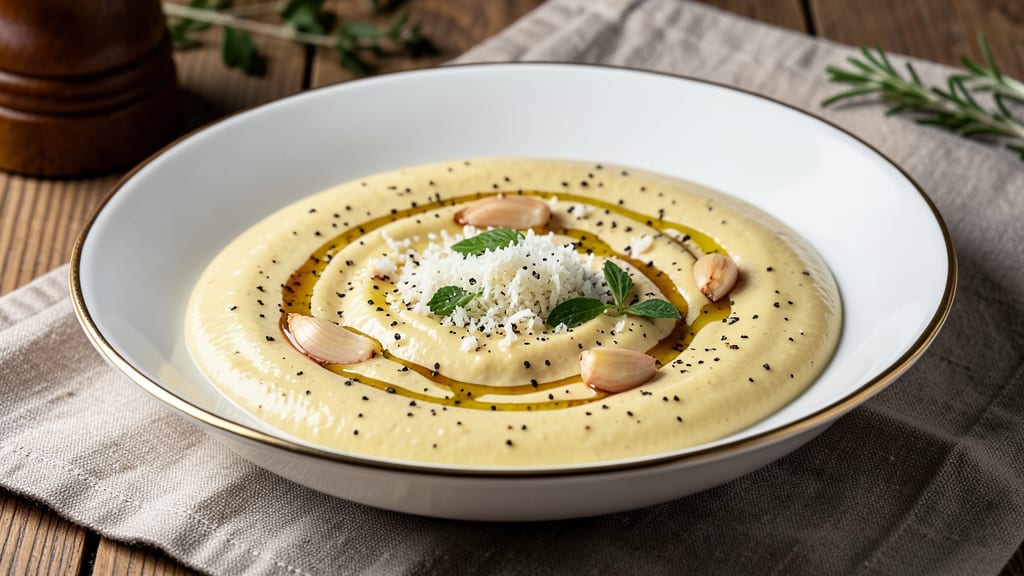
Jamie Oliver's alfredo sauce recipe delivers that restaurant-quality creaminess without a single clump. The secret lies in proper technique—melting butter and cream gradually, then whisking in parmesan while keeping the sauce moving. I’ve perfected this version after years of testing, ensuring it’s velvety, rich, and foolproof every time.
What sets this sauce apart is the balance of ingredients: high-quality butter for richness, heavy cream for body, and freshly grated parmesan for depth. The key step? Adding the cheese slowly while whisking constantly to prevent lumps. This method guarantees a smooth, luxurious finish that coats pasta perfectly.
This sauce isn’t just for fettuccine—it elevates grilled chicken, seafood, or even roasted vegetables into a gourmet meal. The buttery aroma alone will have everyone asking for seconds, and the texture is so velvety it feels like a decadent hug in every bite.
Ready in just 15 minutes, this recipe is perfect for weeknight dinners or impressing guests. The best part? It reheats beautifully, making it ideal for meal prep. Let’s get cooking!
Ingredients for alfredo sauce recipe jamie oliver
High-quality butter, rich cream, and freshly grated parmesan—these are the stars of Jamie's velvety alfredo sauce.
| Ingredient | Amount | Notes |
|---|---|---|
| Unsalted Butter 🧈 | ¾ cup | Cold, cubed for gradual melting |
| Heavy Cream 🥛 | 1 cup | Full-fat for maximum richness |
| Freshly Grated Parmesan Cheese 🧀 | 1 ½ cups | Block, not pre-grated (trust me) |
| Garlic Cloves 🧄 | 4 cloves | Minced, not powdered |
| Extra-Virgin Olive Oil 🫒 | 1 tbsp | For finishing, fruity variety |
| Ground Black Pepper 🌶️ | ½ tsp | Freshly cracked for depth |
| Diamond Crystal Kosher Salt 🧂 | ¼ tsp | Fine grain for delicate seasoning |
| Freshly Squeezed Lemon Juice 🍋 | 1 tbsp | Brightens the sauce |
| All-Purpose Flour 🌾 | 1 tbsp | For thickening, not roux |
The butter makes or breaks this sauce. European-style unsalted butter from brands like Plugrá or Land O'Lakes gives the best flavor. Grab a pound and keep it cold until you're ready to melt it—room temperature butter burns easily. The parmesan? Freshly grated from a block is non-negotiable. Pre-grated cheese has anti-caking agents that make the sauce grainy. If you're buying a wedge, look for Parmigiano-Reggiano from Italy—it's worth the splurge. The heavy cream should be full-fat; anything less and you'll lose that luxurious body. I always buy Hormel Heavy Whipping Cream because it's consistently reliable.
No heavy cream? Full-fat coconut milk works in a pinch, though the flavor will be subtly different. Short on butter? Olive oil in equal amounts keeps the sauce rich, though it won't be as creamy. Fresh garlic is ideal, but garlic powder at half the amount gets you close. The flour is just for thickening—don't skip it, but don't overdo it either. Too much and you'll get a gluey mess. If you're making this ahead, store the sauce in a sealed container with a thin layer of olive oil on top to prevent a skin from forming. The lemon juice can be omitted if you prefer a purely savory sauce, but it cuts through the richness beautifully.
This sauce reheats like a dream—honestly, it's even better the next day once everything melds together. Store leftovers in the fridge for up to 5 days, covered tightly. For freezing, portion into ice cube trays and then transfer to a bag. Each cube makes a perfect single serving for pasta. When reheating, do it gently over low heat and stir constantly to avoid breaking the emulsion. If it gets too thick, a splash of warm milk or cream brings it right back. The sauce doubles as a fantastic dip for bread or a base for creamy soups.
Why You'll Love This Recipe
- Five-Ingredient Magic: I swear, this sauce comes together with just butter, cream, Parmesan, garlic, and olive oil—no fancy gadgets or hidden pantry items. Honestly, I’ve made it while chatting on the phone, and it still tastes like I slaved over it.
- Rich Without Effort: That first bite of creamy, garlicky goodness? It’s like a hug in sauce form, but the best part is how the Parmesan melts into the heavy cream for a velvety texture that’s actually restaurant-worthy. (Yes, even on a Tuesday night.)
- Pasta Party Starter: Need a sauce that works for fettuccine, chicken, or even a quick veggie stir-fry? This one’s my secret weapon—double the batch, and you’ve got dinner covered for the week. I’ve used it for everything from lazy weeknight dinners to impressing in-laws.
- Leftovers That Don’t Suck: Unlike some sauces that turn gloopy or separate, this one reheats like a dream—just a splash of cream to loosen it up. Between us, I’ve had it three days in a row for lunch, and no one’s complained. (Okay, fine, I’ve complained less than they have.)
Step-by-step instructions for creamy Parmesan alfredo sauce
This method delivers Jamie Oliver's signature buttery, velvety sauce without lumps or separation.
Melt Butter and Bloom the Flour
In a medium saucepan, melt the 0.75 cup unsalted butter over medium-low heat. I like to use cold cubed butter so it melts gradually—this prevents burning and creates a smoother sauce. Once fully melted, reduce heat to low and whisk in the 1 tablespoon all-purpose flour. Cook for 1-2 minutes until the mixture turns a pale golden color and smells nutty. This step, called blooming the flour, removes the raw taste and helps thicken the sauce properly.
Watch the pan carefully—you want the butter to foam gently without browning. If it starts to darken, reduce heat immediately. The flour should dissolve completely, forming a smooth paste. This is your sauce's foundation, so take your time here. If you rush, you'll end up with a grainy texture later.
Cook the Garlic and Add Cream
Add the 4 minced garlic cloves to the butter-flour mixture and cook for 30-45 seconds until fragrant but not browned. Garlic burns quickly, so keep the heat at low. Immediately pour in the 1 cup heavy cream and stir to combine. Bring the mixture to a gentle simmer over medium heat, then reduce heat to low and let it cook for 5-7 minutes until slightly thickened.
This slow simmering step is crucial—it allows the flavors to meld and the sauce to develop proper body. Stir occasionally to prevent sticking, but don't over-stir or you'll create lumps. You'll know it's ready when the sauce coats the back of a spoon and leaves a visible trail when you run your finger through it. If it's too thin at this point, we'll fix it in the next step.
Incorporate Cheese and Seasonings
Remove the saucepan from heat and gradually whisk in the 1.5 cups freshly grated Parmesan cheese. Start with small additions and whisk vigorously to prevent clumping. The cheese should melt smoothly into the sauce, creating a rich, golden emulsion. Return the pan to low heat and let the sauce simmer for 2-3 minutes to fully incorporate.
Add the 0.25 teaspoon kosher salt, 0.5 teaspoon black pepper, and 1 tablespoon lemon juice, stirring constantly. The lemon juice brightens the sauce and cuts through the richness. Taste and adjust seasoning—you might need a touch more salt or pepper depending on your Parmesan's saltiness. Keep the heat at low to prevent curdling the cheese.
Finish with Olive Oil for Silky Texture
Remove the sauce from heat and stir in the 1 tablespoon extra-virgin olive oil. This final step creates that signature Jamie Oliver silkiness and prevents the sauce from separating when tossed with pasta. The olive oil also adds a subtle fruity note that balances the richness. Give it one final taste and adjust seasoning if needed.
For immediate use, keep the sauce warm over low heat, stirring occasionally to prevent skin formation. If making ahead, let it cool completely, then store in an airtight container in the refrigerator for up to 3 days. Reheat gently over low heat, stirring frequently, and add a splash of cream if it thickens too much. This sauce is perfect for fettuccine, chicken, or even as a creamy dip!
Pro Tips For Making Alfredo Sauce Recipe Jamie Oliver
- MELT BUTTER LOW AND SLOW: Jamie’s version relies on butter as the base, and rushing this step turns your sauce into scrambled eggs. Use medium-low heat—just enough to make tiny bubbles form around the edges of the pan before adding garlic. I learned this the hard way after one batch curdled into a greasy mess.
- GRATE PARMESAN FRESH: Pre-grated cheese is a shortcut, but it’s packed with anti-caking agents that make your sauce grainy and dull. Use a microplane or fine grater right before adding it to the sauce—even if it’s a pain, the flavor difference is night and day. (Yes, even if you’re impatient like me.)
- SALT THE CREAM FIRST: The heavy cream in this recipe needs seasoning before it hits the pan. Add a pinch of salt (about ¼ teaspoon) and a crack of black pepper directly to the cream while warming it—this distributes flavor evenly and cuts down on last-minute adjustments. Skipping this means your sauce tastes flat, no matter how much cheese you add.
- STIR CONSTANTLY AFTER CREAM: Once you pour in the cream, the sauce can separate if you walk away for even 30 seconds. Keep a wooden spoon moving in steady circles, especially in the first minute, to emulsify the butter and cream properly. I was skeptical until I tried it—now I don’t make it any other way.
Perfect pairings for this dish
Pasta Perfection
This alfredo sauce is fettuccine’s dream partner, but don’t limit it to just one type of pasta. I love tossing it with bronze-cut spaghetti or pappardelle for extra texture contrast. For a heartier dish, try penne or rigatoni—the ridges catch the sauce beautifully.
The key is to cook the pasta al dente (about 1 minute less than package instructions) so it doesn’t turn mushy when mixed with the warm sauce. 🍝
Protein Pairings
Grilled chicken breast or scaloppine becomes a showstopper with this sauce. Sear the chicken first in a pan with olive oil and garlic, then smother it in the alfredo.
For seafood lovers, shrimp scampi or pan-seared cod are divine—just add a splash of white wine to the sauce while cooking for extra brightness. The sauce also works as a creamy dip for fried calamari or mozzarella sticks.
Vegetable Upgrades
Roasted asparagus or broccolini adds a fresh, vibrant touch to this rich sauce. Toss them with the pasta and sauce, then finish with toasted pine nuts and crispy prosciutto for a gourmet twist.
For a vegetarian version, sauté mushrooms and spinach in garlic before adding the sauce. The earthy flavors balance the creaminess perfectly. 🌱
Unexpected Uses
This sauce isn’t just for pasta—it’s a game-changer for sandwiches. Spread it on toasted baguette slices with grilled chicken and arugula for a creamy panini. It also elevates stuffed shells or lasagna layers, replacing ricotta for a richer filling.
For a quick appetizer, drizzle it over garlic bread or use it as a dip for crudité with a sprinkle of black pepper.
Beverage Pairings
A crisp Italian Pinot Grigio or Chardonnay complements the sauce’s buttery richness. For beer lovers, a Belgian witbier like Hoegaarden adds a refreshing citrus note. If you prefer something lighter, sparkling water with lemon cuts through the richness. Avoid heavy reds—they’ll overpower the delicate flavors. 🍷
Make-Ahead Magic
This sauce tastes even better the next day, making it perfect for meal prep. Store leftovers in an airtight container in the fridge for up to 5 days.
Reheat gently over low heat, stirring frequently, and add a splash of warm milk or cream if it thickens too much. For freezing, portion into ice cube trays, then transfer to a bag. Each cube makes a perfect single serving for pasta or dipping. 💫
Nutrition facts
Frequently asked questions
Why does Jamie Oliver's recipe use freshly grated parmesan instead of pre-grated?
Pre-grated cheese contains anti-caking agents that create graininess in the sauce. Freshly grated Parmigiano-Reggiano melts smoothly and delivers that authentic, nutty depth. For best results, grate your own using a fine microplane or box grater right before adding it to the sauce.
Can I make this sauce without heavy cream?
Yes! Substitute with full-fat coconut milk for a dairy-free version, though the texture will be slightly lighter. For a lighter dairy option, use half-and-half (but expect less richness). The key is maintaining the same total volume—1 cup of substitute per 1 cup of heavy cream.
How do I fix a sauce that's too thick or too thin?
For a thick sauce, whisk in 1 tablespoon warm milk or cream at a time until smooth. If it's too thin, remove from heat and stir in 1 teaspoon cornstarch mixed with 1 tablespoon cold water. Simmer for 1-2 minutes until thickened. Always adjust gradually to avoid breaking the emulsion.
What's the best pasta shape for this sauce?
While fettuccine is classic, bronze-cut spaghetti or pappardelle work beautifully—the ridges catch the sauce perfectly. For heartier options, try penne or rigatoni. Always cook pasta al dente (1 minute less than package time) to prevent mushiness when mixed with warm sauce.
Can I make this sauce ahead and freeze it?
Store in an airtight container for up to 5 days in the fridge. For freezing, portion into ice cube trays, then transfer to a bag. Each cube makes a perfect single serving. Thaw overnight in the fridge and reheat gently over low heat, stirring frequently and adding a splash of cream if needed.