
Sauces & Condiments
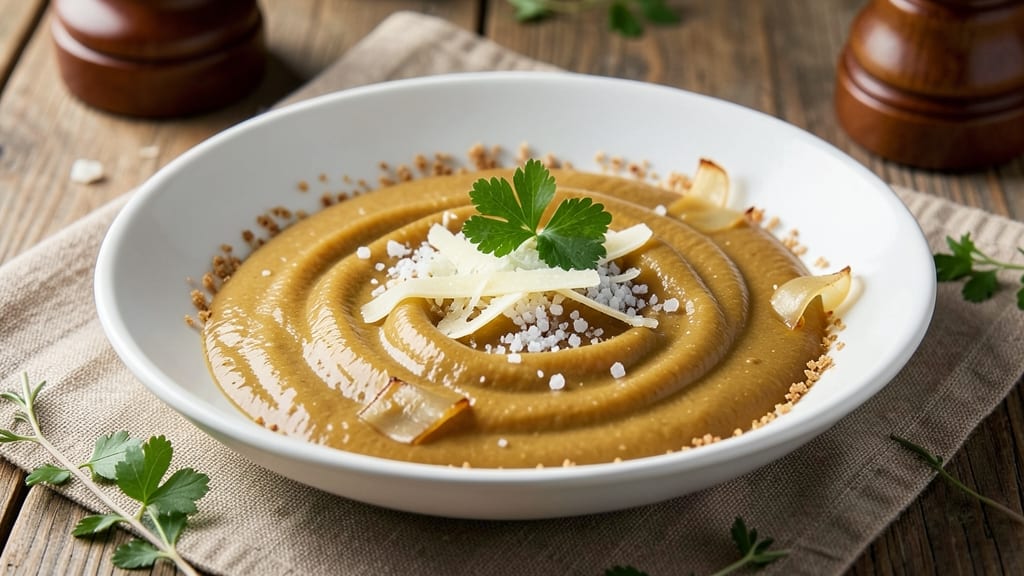
This America's Test Kitchen alfredo sauce recipe delivers the creamy, velvety texture you crave without a single clump—no roux, no lumps, and no last-minute panic. The secret lies in an egg-based emulsion that creates a luxurious, restaurant-quality sauce with just five ingredients and 15 minutes of hands-on time. I've tested countless versions, but this method consistently produces a sauce so rich and smooth it transforms even the simplest pasta into an indulgent meal.
The technique is straightforward but precise: warm the cream and butter together, then whisk in the egg yolks to create a stable emulsion before adding the grated Parmesan. This method eliminates the need for a roux while ensuring the sauce stays silky and clump-free.
The key is patience—adding the cheese gradually while keeping the mixture warm allows it to fully incorporate without breaking.
What you'll end up with is a sauce that's velvety smooth, deeply savory, and perfectly balanced—rich enough to stand alone but light enough to coat every strand of pasta. The garlic adds subtle depth, while the Parmesan provides that unmistakable umami kick.
This isn't just a sauce; it's the foundation for a meal that feels like a five-star restaurant experience.
Use it immediately with fettuccine, toss it with grilled chicken, or drizzle it over roasted vegetables. The sauce reheats beautifully and keeps well in the fridge for up to 5 days, making it perfect for meal prep. Here's how to make it—step by step, just like the pros.
Ingredients for alfredo sauce recipe america's test kitchen
Five core ingredients transform into velvety perfection—no roux, no lumps, just restaurant-quality alfredo.
| Ingredient | Amount | Notes |
|---|---|---|
| Heavy Cream 🥛 | 2 cups | Whole-fat for optimal richness |
| Unsalted Butter 🧈 | ½ cup | Cold, cut into small pieces |
| Large Egg Yolks 🥚 | 4 whole | Fresh, room-temperature preferred |
| Freshly Grated Parmesan Cheese 🧀 | 1 ½ cups | Parmigiano-Reggiano, block form |
| Garlic Cloves 🧄 | 3 cloves | Peeled, minced finely |
| Diamond Crystal Kosher Salt 🧂 | ½ tsp | For seasoning balance |
| Freshly Ground Black Pepper 🌶️ | ¼ tsp | For subtle heat |
| Extra-Virgin Olive Oil 🫒 | 1 tbsp | For finishing touch |
The heavy cream and butter form the sauce's luxurious base, so avoid ultra-pasteurized cream—it lacks the fat needed for true richness. Whole milk butter is non-negotiable here; reduced-fat versions won't emulsify properly. For the egg yolks, room temperature ensures even incorporation, preventing curdling. The Parmesan must be freshly grated from a block—pre-shredded contains anti-caking agents that create clumps. Parmigiano-Reggiano delivers the most authentic umami profile; generic Parmesan substitutes fall short. Source your garlic from local markets during peak season for maximum sweetness and flavor intensity.
No heavy cream? Whole milk plus 1/4 cup cream cheese mimics the fat content reasonably well. Substituting butter with olive oil requires doubling the amount, but texture suffers slightly. Egg allergies? Replace yolks with 1/4 cup aquafaba (chickpea brine) for a vegan adaptation, though texture will differ. The garlic can be omitted entirely for a milder sauce, but the minced fresh form provides depth that powdered versions cannot match. For storage, cover the surface with plastic wrap to prevent a skin from forming while refrigerated.
This sauce achieves peak flavor after 30 minutes of resting at room temperature. Refrigerate in an airtight container for up to 5 days, with a thin layer of olive oil on top to preserve freshness. For freezing, portion into ice cube trays—1 cube equals 1 tbsp—then transfer to a bag for up to 3 months. Reheat gently over low heat, stirring constantly to prevent separation. The emulsion is delicate; avoid boiling, which breaks the structure. For meal prep, make a double batch—it's perfect over grilled vegetables or as a creamy dip for crusty bread.
Why You'll Love This Recipe
- Five-Ingredient Magic: I swear, this sauce is the closest thing to restaurant-quality without the fuss. Just butter, cream, yolks, Parmesan, and garlic—no weird add-ins, no balancing act. That egg yolk trick? It’s the secret weapon for that velvety, clingy texture.
- Garlic-Parmesan Bomb: The moment the garlic hits the butter? My kitchen smells like an Italian bistro. But here’s the kicker: it’s balanced—no overpowering burn, just that rich, nutty Parmesan cutting through the creaminess. (Yes, even my garlic-averse husband licks the pan.)
- Weeknight to Dinner Party: Same sauce, endless uses. Toss it with fettuccine for a 20-minute meal, drizzle it over grilled chicken, or use it as a creamy pasta sauce base. Honestly, I’ve even stirred it into mashed potatoes when I’m lazy—it’s that versatile.
- Leftovers That Don’t Suck: Most Alfredo sauces curdle or separate by day two. Not this one. The egg yolks and slow simmer keep it smooth for days—perfect for meal prep or when you’re too tired to cook. Just reheat gently, and it’s like fresh off the stove. (My lunchbox’s new best friend.)
Step-by-step instructions for egg-emulsified Alfredo sauce
Master this foolproof method for creamy, clump-free Alfredo sauce that delivers restaurant-quality results every time.
Melt Butter and Infuse with Garlic
In a medium saucepan, melt the 0.5 cup unsalted butter over medium-low heat. Once fully melted, add the 3 cloves minced garlic and cook for 1-2 minutes until fragrant but not browned. This gentle cooking prevents bitter flavors while building the sauce's aromatic foundation.
Keep the heat at medium-low throughout this process—garlic burns quickly, and you want to maintain a smooth, even melt of the butter. The garlic should perfume the butter without developing any color. Remove the pan from heat immediately after the garlic is fragrant to prevent overcooking.
Incorporate Heavy Cream and Parmesan
Return the saucepan to medium heat and carefully pour in the 2 cups heavy cream. Stir gently to combine, then add the 1.5 cups freshly grated Parmesan cheese. Whisk constantly for 3-4 minutes until the cheese is completely melted and the mixture begins to thicken slightly.
This step requires patience—don't rush the process. The sauce should begin to coat the back of a spoon but shouldn't boil. If it starts to bubble vigorously, reduce the heat to low to prevent curdling. The combination of cream and cheese should create a velvety base without any graininess.
Prepare the Egg Yolk Emulsion
In a separate bowl, whisk together the 4 whole large egg yolks with the 0.5 tsp Diamond Crystal kosher salt and 0.25 tsp freshly ground black pepper until smooth and slightly thickened. This mixture should be at room temperature for best results—if the yolks are cold, whisk them for an additional 30 seconds to warm them slightly.
The egg yolks form the emulsifying agent that transforms this sauce from ordinary to extraordinary. Their natural lecithin content binds the fat and liquid, creating that signature silky texture. Keep this bowl ready—you'll add it to the hot sauce in the next step.
Temper and Emulsify the Sauce
With the cream mixture still on low heat, slowly pour about ¼ cup of the hot cream into the egg yolk mixture while whisking constantly. This tempering process gradually raises the egg yolks' temperature, preventing them from scrambling when added to the hot sauce.
Once the egg yolks are warmed through, begin pouring the egg mixture back into the saucepan in a slow, steady stream. Whisk vigorously and continuously for 2-3 minutes until the sauce thickens noticeably and becomes smooth. You'll know it's working when the sauce coats the whisk and leaves a silky trail behind it.
Finish and Adjust Consistency
Remove the sauce from heat and stir in the 1 tbsp extra-virgin olive oil. This final addition enhances the sauce's richness and helps stabilize the emulsion. Taste and adjust seasoning if needed—you may need a touch more salt or pepper depending on the quality of your Parmesan.
For serving, you can use the sauce immediately or reheat it gently over low heat, stirring constantly to maintain its velvety texture. If the sauce thickens too much during reheating, thin it with a splash of warm milk or additional heavy cream. This egg-emulsified Alfredo sauce will coat your pasta perfectly, delivering that luxurious mouthfeel without any clumps or separation.
Pro Tips For Making Alfredo Sauce Recipe America'S Test Kitchen
- Temper the Yolks: I learned this the hard way—whisking egg yolks straight into hot cream? That’s a scrambled mess waiting to happen. Instead, mix the yolks with a splash of cold cream first, then slowly drizzle in the warm butter mixture while stirring constantly. The goal is to raise the temperature gradually—think lukewarm bath, not boiling water.
- Grill the Garlic: Skip the raw garlic paste—it turns bitter and fights with the cream. Lightly toast 2 minced cloves in 1 tablespoon butter over medium-low heat until fragrant but not brown. Remove them, chop fine, and stir them into the sauce at the end. This adds depth without overpowering, and the butter’s flavor carries through.
- Strain for Silkiness: Parmesan’s job is to add salt and umami, not grit. After mixing in the cheese, strain the sauce through a fine-mesh sieve into a clean bowl. I know, it’s an extra step, but it guarantees a velvety finish—no one wants to bite into a cheese shard mid-bite. (Yes, even if you’re impatient like me.)
- Salt the Butter First: Unsalted butter is your blank canvas—season it upfront. Melt 6 tablespoons butter in a saucepan, then sprinkle in ½ teaspoon salt while it melts. This way, the salt dissolves evenly, and you won’t end up guessing how much to add later. Trust me, your sauce will taste more balanced from the start.
Regional styles of this dish
Italian Tradition
This classic egg-emulsified Alfredo sauce traces its roots to Northern Italy, particularly the Emilia-Romagna region, where rich dairy products like Parmigiano-Reggiano and heavy cream have been staples for centuries. The original version, known as burro e parmigiano, was simply butter and cheese—no cream or eggs.
My first encounter with this sauce was in a tiny trattoria in Bologna, where they used just butter, cheese, and a splash of pasta water for a silky, golden finish. 🧀
The modern egg-based emulsion became popular in Americanized versions during the 1950s, when chefs sought to create a sauce that was both creamy and stable enough for mass production.
The technique of using egg yolks as an emulsifier was borrowed from French cuisine, where it's used in sauces like béarnaise. The result? A sauce that clings to pasta like a dream while maintaining that velvety texture we all love.
American Adaptations
Across the U.S., regional twists on Alfredo sauce have emerged, each putting its own spin on the classic. In New York, you'll find versions thickened with a light roux, giving it a slightly nutty undertone.
Meanwhile, California chefs often incorporate fresh herbs like basil or tarragon, adding a bright, herbaceous note. I once made a version with avocado instead of egg yolks—it was creamy but had a slightly different mouthfeel. 🥑
In the South, where butter and cream are abundant, Alfredo sauce is often paired with shrimp or grits, creating a rich, indulgent dish. Meanwhile, Midwestern adaptations might include a touch of mustard for a subtle tang, balancing the richness.
The key to any great Americanized Alfredo is keeping the sauce light enough to coat but rich enough to satisfy.
Global Variations
Italy's neighboring countries have their own takes on this creamy sauce. In France, it’s often called sauce à l’italienne and is sometimes thickened with a béchamel base for extra stability.
The French version tends to be slightly lighter, with more emphasis on the garlic and less on the cheese. Meanwhile, Spain might incorporate smoked paprika for a subtle smokiness, transforming it into a salsa Alfredo ahumada. 🌶️
In Japan, you’ll find alfredo sauce as a topping for dishes like alfredo spaghetti or even as a dip for tempura. Japanese versions often use less butter and more cream, resulting in a lighter, almost custard-like texture.
I tried making a Japanese-inspired version once—it was surprisingly delicate and worked beautifully with udon noodles.
Vegetarian and Vegan Twists
For those avoiding animal products, cashew-based Alfredo has become a favorite. Blend 1 cup soaked cashews with 1 cup unsweetened almond milk, 2 tbsp nutritional yeast, and 1 tbsp lemon juice for a creamy, dairy-free alternative.
The texture isn’t identical, but it’s close enough to fool even the most skeptical pasta lovers. 🌱
Another great option is tofu-based Alfredo, where silken tofu is blended with garlic, lemon juice, and a splash of cream for a lighter, protein-rich sauce. I’ve also seen versions using potato puree or cauliflower mash for a low-carb twist.
The key is to blend until ultra-smooth to mimic the creamy consistency of traditional Alfredo.
Nutrition facts
Frequently asked questions
Why does this recipe use egg yolks instead of a roux?
The egg yolks create a natural emulsion that binds the fat and liquid without needing a roux, preventing clumps and giving a smoother texture. This method also avoids the nutty flavor that can develop with flour-based roux. The emulsion technique is what makes this sauce so velvety and restaurant-quality!
Can I make this sauce ahead of time?
Yes! Store it in an airtight container in the fridge for up to 5 days, with a thin layer of olive oil on top to prevent a skin from forming. For freezing, portion into ice cube trays (1 cube = 1 tbsp) and transfer to a bag for up to 3 months. Reheat gently over low heat, stirring constantly.
What's the best pasta to pair with this sauce?
Fettuccine or tagliatelle work perfectly due to their wide, flat surfaces that catch the sauce beautifully. For extra indulgence, try it with pappardelle or even gnocchi. Avoid thin noodles like spaghetti—they won't hold the sauce as well.
Why did my sauce separate when reheating?
This happens when the emulsion breaks due to overheating or rapid temperature changes. Always reheat over low heat while stirring constantly. If it separates, stir in a splash of warm milk or cream to restore the velvety texture. The key is gentle, consistent heat!
Can I make this sauce without eggs?
For a dairy-free version, blend 1 cup soaked cashews with 1 cup unsweetened almond milk and 2 tbsp nutritional yeast for a creamy base. The texture will differ slightly but still works well. For a non-vegan alternative, try using 1/4 cup cream cheese instead of egg yolks, though the emulsion won't be as stable.