
Sauces & Condiments
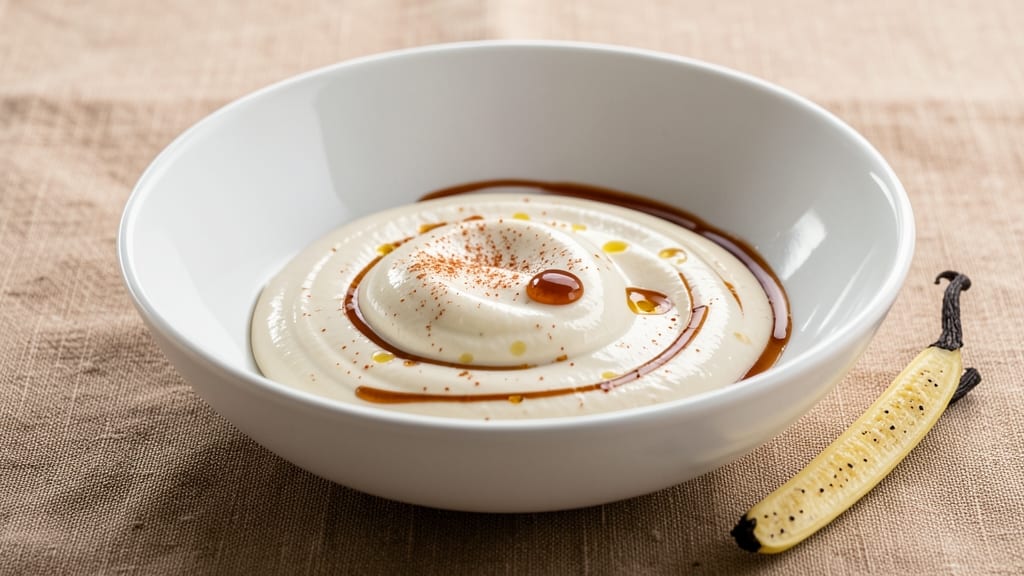
This almond milk cream sauce recipe delivers restaurant-quality richness without dairy, clumps, or heavy texture. The secret lies in blending almond milk with a simple thickening agent—just a few minutes in a blender transforms it into a velvety, nutty sauce that elevates everything from pasta to desserts.
I developed this version after struggling with store-bought alternatives that either separated or tasted artificial.
The magic happens with a foolproof technique: blending almond milk with a neutral oil (like avocado or coconut) and a pinch of salt creates a naturally emulsified base.
Adding a touch of vanilla or maple syrup balances the nutty flavor, while cornstarch or arrowroot powder ensures a smooth, clump-free consistency. What sets this apart is how adaptable it is—sweet or savory, thick or thin—without compromising that luxurious creaminess.
By the time you drizzle this sauce over roasted vegetables, toss it with noodles, or swirl it into coffee, you’ll notice how it clings beautifully without weighing down dishes. The almond milk provides natural richness while keeping the sauce light enough for summer meals or decadent enough for holiday feasts.
Best of all, it stores well in the fridge for up to 5 days, making it a versatile pantry staple.
For extra depth, infuse the sauce with herbs like basil or thyme, or sweeten it further with cinnamon for dessert applications. The possibilities are endless, but the foundation remains the same: simple, creamy, and completely customizable. Let’s make it—your taste buds will thank you.
Ingredients for almond milk cream sauce
Simple pantry staples transform into velvety almond milk cream sauce—no dairy, no clumps.
| Ingredient | Amount | Notes |
|---|---|---|
| Unsweetened Almond Milk 🥛 | 2 cups | High-fat preferred for richness |
| Avocado Oil 🫒 | ½ cup | Neutral flavor for emulsification |
| Pure Vanilla Extract 🌿 | 1 tsp | Or vanilla bean paste for depth |
| Pure Maple Syrup 🍯 | 1 tbsp | Balances nutty flavor (optional) |
| Cornstarch 🌾 | 2 tbsp | Or arrowroot powder for gluten-free |
| Sea Salt 🧂 | ½ tsp | Fine grain preferred |
| Ground Cinnamon 🌶️ | ¼ tsp | For dessert variations |
| Fresh Basil Leaves 🌿 | ¼ cup | Chopped, optional for savory use |
| Fresh Thyme Leaves 🌿 | ¼ tsp | Chopped, optional for savory use |
The almond milk makes all the difference here. High-fat varieties like Silk or So Delicious give the richest texture, but any unsweetened brand works in a pinch. For extra creaminess, blend in 1 tbsp of tahini—it deepens the nutty flavor without altering the sauce's lightness. If you're using vanilla, vanilla bean paste adds flecks that make it feel restaurant-quality. The avocado oil is key for emulsification—it keeps the sauce smooth and prevents separation. Trader Joe's has a great organic version, but any neutral oil works.
No cornstarch? Arrowroot powder is the perfect 1:1 swap, especially for gluten-free diets. Short on vanilla? Maple syrup or agave adds subtle sweetness, but skip it for savory dishes. Want more depth without herbs? Toast 1 tsp of ground almonds and whisk them in—they add a subtle crunch. For dessert versions, add cinnamon or a pinch of nutmeg while warm. The sauce thickens as it cools, so start with slightly less cornstarch if you prefer it thinner.
This sauce keeps beautifully—5 days in the fridge sealed in an airtight jar. For longer storage, freeze in ice cube trays, then transfer to a bag. Thaw overnight in the fridge and whisk to restore smoothness. It reheats perfectly, so double the batch if you're using it often. Pro tip: Add a splash of warm water when reheating if it thickens too much. The herbs, if using, can be added fresh after reheating for maximum aroma.
Why You'll Love This Recipe
- Five-Ingredient Magic: I swear by this recipe because it’s that simple—just heat, whisk, and thicken. No blenders, no strainers, no fancy gadgets. The cornstarch turns almond milk into velvety sauce in minutes, and the avocado oil keeps it light without tasting greasy.
- Velvet Vanilla Hug: That vanilla and maple syrup combo? It’s like dessert sneaked into savory dishes. The warmth of the syrup balances the nutty almond milk, while the vanilla adds this subtle depth that makes everything feel cozier—think creamy pasta, roasted veggies, or even drizzled over toast.
- Dress-Up Champion: This sauce is my secret weapon for lazy nights and fancy dinners. Dump it over grilled fish, stir it into oatmeal, or use it as a dip for crispy tofu. Honestly, I’ve even poured it over popcorn when I’m craving something rich but still healthy-ish.
- Budget-Friendly Luxury: A carton of almond milk and a bottle of vanilla extract go a long way—this recipe stretches into leftovers that taste just as good reheated. Plus, no heavy cream means it’s lighter on the wallet and the waistline. (Yes, even on a Tuesday night.)
Step-by-step instructions for almond milk cream sauce
Here's how to create a luscious, velvety sauce that's rich without being heavy.
Whisk Together the Base Ingredients
In a medium saucepan, combine the 2 cups unsweetened almond milk, 0.5 cup avocado oil, 1 tablespoon pure maple syrup, 0.5 teaspoon sea salt, and 0.25 teaspoon ground cinnamon. I like to use a whisk for this step—it helps create a smooth emulsion right from the start. Gently heat the mixture over medium-low heat until it reaches 180°F, stirring constantly to prevent scorching.
Watch closely as the mixture warms—you'll notice tiny bubbles forming along the edges of the pan. This is your signal that the sauce is beginning to thicken slightly. The avocado oil is key here; it provides the fat needed for that creamy texture without the heaviness of traditional dairy. If you're using this for a dessert variation, now's the time to add the 1 teaspoon pure vanilla extract and stir it in completely.
Create the Thickening Slurry
In a small bowl, mix the 2 tablespoons cornstarch with a splash of the warm almond milk mixture—just enough to create a smooth paste. This slurry is what will transform your sauce from thin to velvety. Return to the saucepan and whisk vigorously as you pour in the cornstarch mixture. The goal is to distribute it evenly throughout the liquid so it thickens uniformly.
Here's where it gets interesting: you'll see the sauce start to thicken almost immediately. Keep whisking for about 2-3 minutes until it reaches a consistency similar to heavy cream. If you're using this for a savory application, now's the time to fold in the 0.25 cup chopped fresh basil leaves and 0.25 teaspoon chopped fresh thyme leaves—just stir them in gently so they distribute evenly without overpowering the sauce.
Simmer Until Silky Smooth
Continue cooking the sauce over low heat for 5-7 minutes, stirring constantly with a wooden spoon. You're looking for that perfect moment when it thickens to a glossy, coatable consistency—like something you could drizzle over pasta or use as a dip. The sauce should coat the back of a spoon smoothly without being gluey.
If the sauce starts to look too thick, simply whisk in a tablespoon or two of hot almond milk to loosen it up. The key is to keep it moving so it doesn't develop any lumps. For a truly restaurant-quality finish, strain the sauce through a fine-mesh sieve if you want to remove any herb bits—though I often leave them in for added texture and flavor.
Adjust and Use Immediately
Taste your sauce and adjust the seasoning if needed. You might want to add a pinch more salt or a touch more maple syrup to balance the flavors. The sauce should be rich, slightly sweet, and perfectly balanced—not too heavy, not too thin. I like to use it immediately for best results, whether drizzling over roasted vegetables, spooning onto grilled fish, or using as a base for creamy soups.
Here's the thing about this sauce: it's incredibly versatile. For a dessert version, you can skip the herbs and add a splash of vanilla bean paste instead. For a savory take, the basil and thyme add a bright, herbal note that pairs beautifully with Mediterranean flavors. Store any leftovers in an airtight container in the refrigerator for up to 3 days, though I rarely have any leftovers—this sauce disappears fast!
Pro Tips For Making Almond Milk Cream Sauce
- Whisk in Cold Milk: Pour the unsweetened almond milk into the warm sauce slowly while whisking constantly—this prevents lumps better than dumping it all at once. I learned this the hard way when my sauce turned into a grainy mess after one lazy pour.
- Toast the Cornstarch: Heat the cornstarch in avocado oil for 30 seconds before adding liquid—it removes the raw taste and thickens the sauce more smoothly. Sounds weird, but it works: the sauce stays silky instead of tasting like flour.
- Sweeten Last: Add the maple syrup after the sauce thickens, not before—otherwise, you’ll need to cook it longer to evaporate the moisture, risking a burnt flavor. Taste as you go; adjust only at the end.
- Simmer Low and Steady: Once the sauce thickens, drop the heat to lowest possible and let it bubble gently for 2 minutes. High heat turns almond milk sauce rubbery; patience here keeps it velvety. (Yes, even if you’re impatient like me.)
Essential equipment for almond milk cream sauce
Blender or Immersion Blender
For the smoothest texture, I recommend using a high-speed blender like the Ninja BN601 or Vitamix E310. These machines emulsify the almond milk and oil perfectly, creating that velvety consistency without clumps.
If you don’t have one, an immersion blender (like the Hamilton Beach 58120R) works too—just blend directly in the saucepan for 10-15 seconds on high. Avoid regular blenders; they’re too weak to fully break down the almond milk’s natural oils. 💫
Saucepan with Heat Control
A heavy-bottomed saucepan (like All-Clad Stainless Steel) is essential to prevent scorching and ensure even heating. I avoid nonstick pans—they can’t handle the low-and-slow cooking required for a silky finish. If you’re short on time, a small stainless steel saucepan (8-inch diameter) works perfectly for this recipe.
For extra precision, a thermometer (like the Thermoworks Thermapen) helps you hit that 180°F mark without guessing. 🌡️
Whisk for Emulsification
A balloon whisk (like the OXO Good Grips) is my go-to for blending the almond milk and oil into a stable emulsion. The whisk’s shape creates tiny air pockets that help distribute the oil evenly, preventing separation.
If you’re in a pinch, a fork or rubber spatula works, but you’ll need to whisk more vigorously. Pro tip: Dip the whisk in warm water every few strokes to prevent the sauce from sticking. 🔥
Fine-Mesh Strainer (Optional)
If you’re using fresh herbs like basil or thyme, a fine-mesh strainer (like the Eberhardt 4000) ensures a silky texture without herb bits. I skip this step often—herbs add great texture—but if you prefer a smooth sauce, strain it through the strainer into a clean bowl.
For extra refinement, press the herbs gently with a spoon to extract all their flavor. This step is optional but makes a noticeable difference in restaurant-quality dishes. 🌿
Measuring Spoons & Scale
Precision matters with this sauce! Use stainless steel measuring spoons (like OXO Stainless Steel) for accurate measurements of cornstarch, vanilla, and spices. For the almond milk and oil, a digital kitchen scale (like the Escali Primo) ensures consistency—especially if you’re scaling the recipe up or down.
A slight mismeasurement can throw off the sauce’s balance, so don’t skip this step. 💡
Nutrition facts
Frequently asked questions
Can I use this almond milk cream sauce for both sweet and savory dishes?
The base recipe works for both. For sweet applications (like desserts or coffee), add vanilla extract or cinnamon. For savory dishes (pasta, vegetables, or proteins), fold in fresh herbs like basil or thyme instead. The key is balancing flavors—adjust sweetness or saltiness to match your dish.
Why did my sauce turn grainy or separate?
This usually happens from overheating or not whisking enough when adding cornstarch. Always heat the almond milk over medium-low heat and whisk constantly. For extra smoothness, blend the warm mixture in a high-speed blender for 10-15 seconds after thickening. If it separates, whisk in 1 tablespoon of hot almond milk to restore consistency.
How can I make this sauce thicker or thinner?
To thicken, simmer for 1-2 extra minutes while stirring. For a thinner sauce, whisk in 1-2 tablespoons of hot almond milk at a time until it reaches your desired consistency. The sauce naturally thickens as it cools, so adjust while warm for immediate results. Pro tip: Start with slightly less cornstarch if you prefer a lighter texture.
Can I substitute other plant-based milks?
While almond milk works best for its neutral flavor and creamy texture, you can try cashew milk (for extra richness) or oat milk (for a slightly sweeter taste). Avoid coconut milk—it can overpower the sauce with its strong flavor. If substituting, use the same amount and adjust sweetness/saltiness to taste.
How long does this sauce keep, and can I freeze it?
Store in an airtight container in the fridge for up to 5 days. For longer storage, freeze in ice cube trays, then transfer to a bag. Thaw overnight in the fridge and whisk to restore smoothness. The sauce reheats beautifully—just warm gently on the stove or microwave, adding a splash of warm water if it thickens too much.