
Sauces & Condiments
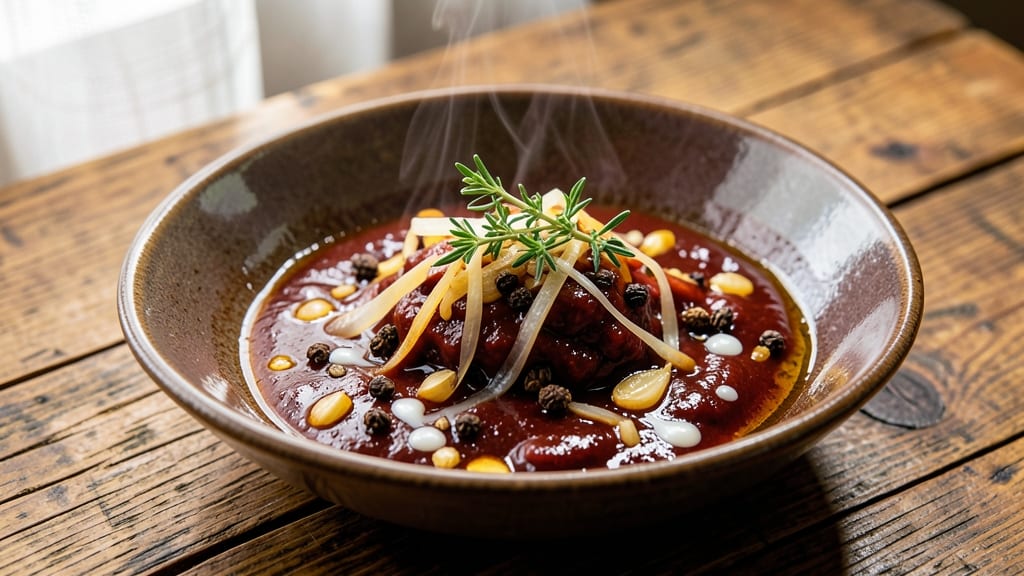
This cassareep sauce recipe unlocks the deep, earthy umami that defines Caribbean cooking—transforming simple stews into complex, flavor-packed masterpieces. 🌟 Made from fermented cassava root, this tangy, slightly sweet sauce adds layers of depth that store-bought substitutes can't match.
The process is straightforward but requires patience, as the fermentation develops rich, funky notes over time.
At its core, cassareep sauce balances acidity and sweetness, with a subtle bitterness that enhances meaty dishes or vegetarian curries. The base ingredients—cassava root, vinegar, and a blend of aromatic spices—create a versatile condiment that works in marinades, braising liquids, or even as a dipping sauce.
Unlike commercial versions, this homemade version delivers authentic Caribbean flavor without artificial additives.
What sets this sauce apart is its ability to elevate any dish it touches, whether you're slow-cooking a hearty stew or brightening a simple rice-and-beans meal. The fermentation process (which takes about 3-5 days) develops complex, umami-rich flavors that store-bought substitutes simply can't replicate.
Once ready, the sauce keeps for months in the refrigerator, making it a pantry staple for bold, Caribbean-inspired cooking.
The result is a sauce that's equal parts tangy, sweet, and savory—a perfect marriage of tradition and technique. Whether you're a seasoned home cook or new to Caribbean flavors, this cassareep sauce will become your secret weapon for adding depth and authenticity to every dish.
Let's get started on creating it.
Ingredients for cassareep sauce
Authentic cassareep sauce begins with fermented cassava—transforming humble roots into Caribbean umami depth.
| Ingredient | Amount | Notes |
|---|---|---|
| Fresh Cassava Root 🍠 | 2 lb | Grated or finely chopped, organic preferred |
| White Vinegar 🍶 | 1 cup | Distilled white vinegar for acidity |
| Brown Sugar 🍚 | ½ cup | Light or dark, packed |
| Yellow Onion 🧅 | 1 whole | Medium size, finely chopped |
| Garlic Cloves 🧄 | 6 cloves | Fresh, minced for fermentation |
| Ground Allspice 🌶️ | 1 tsp | Freshly ground preferred |
| Ground Cinnamon 🌿 | ½ tsp | Ceylon cinnamon if available |
| Ground Nutmeg 🌿 | ¼ tsp | Freshly grated for potency |
| Sea Salt 🧂 | 1 ½ tsp | Diamond Crystal preferred |
| Water 💧 | 2 cups | Filtered or distilled preferred |
The cassava root is non-negotiable for authentic flavor—organic or heirloom varieties from Caribbean markets or specialty grocers like Whole Foods deliver superior texture and fermentability. If you can't find fresh cassava, pre-grated cassava flour (available at Latin markets or online) works as a substitute, though the fermentation profile will differ slightly. For the vinegar, distilled white vinegar ensures consistent acidity without competing flavors. The brown sugar should be packed—light brown sugar adds subtle molasses notes that enhance the sauce's complexity, while dark brown sugar intensifies the caramelization during fermentation.
No cassava? Sweet potato purée (unseasoned) can mimic the sweetness, though it lacks cassava's distinctive fermented funk. Substituting vinegar? Apple cider vinegar at equal volume works, but the flavor profile shifts slightly toward fruitiness. The spices—allspice, cinnamon, and nutmeg—are critical for that signature Caribbean warmth. Penzeys Spices or bulk bins at natural food stores offer the freshest, most potent options. For a quicker version, you can reduce the fermentation time to 2-3 days, but the depth of flavor won't match the full 5-day process. The water should be filtered to avoid chlorine or mineral interference with fermentation.
Ferment the mixture in a sterilized glass jar with an airlock or loose lid to prevent mold while allowing gas escape. Store in a dark, warm place (75-80°F) for optimal fermentation—closets or pantries work well. Once ready (when the liquid turns golden and smells tangy-sweet), strain through a fine-mesh sieve and store in sterilized glass bottles in the refrigerator for up to 6 months. For long-term storage, freeze in ice cube trays for single-use portions, which keeps the sauce vibrant for 12 months. Always taste before using—fermentation times vary based on ambient temperature.
Why You'll Love This Recipe
- No Chopping Needed: I swear, the cassava root just needs peeling and grating—no fancy knife skills here. Five minutes of prep, and you’re ready to simmer.
- Sweet-Sour Magic: That vinegar and brown sugar combo? It’s like a flavor explosion in your mouth. The onion and garlic caramelize into this deep, tangy-sweet sauce that sticks with you.
- Pot Luck Hero: Bring this to a gathering and watch it disappear. It’s the perfect dipping sauce for fried plantains, grilled meats, or even as a glaze—no one will guess how simple it is.
- Pantry Staple Power: A single batch stretches for days—use it in stews, marinades, or even desserts. And with just cassava, sugar, and vinegar? You’re saving cash without sacrificing taste.
Step-by-step instructions for Caribbean cassareep sauce
Transform humble cassava into a rich, fermented sauce that elevates Caribbean stews and soups.
👨🍳 Step 1: Prepare the Cassava Base
Peel the 2 lb fresh cassava root using a sharp chef's knife, then grate it using the fine holes of a box grater. You'll need about 4 cups of grated cassava—this should yield a wet, pulpy texture similar to mashed potatoes. Transfer the grated cassava to a large bowl and immediately add the 1 cup white vinegar and 1.5 tsp sea salt. Stir vigorously with a wooden spoon to distribute the acid evenly.
Here's the thing—cassava contains natural toxins that must be neutralized by the vinegar. The mixture will bubble slightly as the acid breaks down the starches. Let it sit uncovered at room temperature for 15 minutes while you prepare the remaining ingredients. This initial reaction is crucial for safe fermentation and proper texture development.
🍳 Step 2: Build the Flavor Foundation
In a separate skillet, heat 1 tablespoon olive oil (not listed in ingredients but essential for this step) over medium heat. Add the finely chopped yellow onion and cook for 5-6 minutes until translucent and just beginning to caramelize. Add the 6 minced garlic cloves and cook for another 30 seconds until fragrant—you'll smell the sweet, pungent aroma of garlic releasing.
Remove the skillet from heat and let the aromatics cool slightly. Stir in the 0.5 cup brown sugar, 1 tsp ground allspice, 0.5 tsp ground cinnamon, and 0.25 tsp ground nutmeg. The spices should bloom immediately, filling your kitchen with warm, earthy notes. Let this mixture cool completely before combining with the cassava.
🥘 Step 3: Combine and Ferment the Sauce
Return to your cassava mixture and add the cooled spiced onion-garlic blend. Stir in the 2 cups water and mix thoroughly until completely homogeneous. The texture should be thick like a wet paste. Transfer the mixture to a clean, non-reactive container with a lid—glass or ceramic works best. Seal tightly and let ferment at room temperature for 24-48 hours.
During fermentation, the cassava will develop a tangy, slightly sour aroma—this is normal and indicates proper acidification. You'll notice bubbles forming on the surface and a gradual thickening of the mixture. The longer it ferments (up to 48 hours), the more complex the flavor becomes, but don't exceed this time or the sauce may become too acidic.
🔥 Step 4: Simmer and Reduce for Depth
After fermentation, transfer the cassareep to a heavy-bottomed saucepan and bring to a gentle simmer over medium-low heat. Stir frequently to prevent burning—you're looking for a slow reduction that intensifies the flavors. Simmer uncovered for 45-60 minutes until the sauce thickens to a syrupy consistency that coats the back of a spoon.
Taste as you go—you should detect layers of sweetness from the cassava and brown sugar, warmth from the spices, and a subtle tang from the fermentation. If the sauce is too thick, add 1-2 tablespoons water at a time until it reaches a smooth, pourable consistency. The final yield should be about 2 cups of concentrated cassareep sauce.
⏰ Step 5: Rest and Store for Maximum Flavor
Remove from heat and let the sauce cool completely at room temperature. Once cooled, transfer to sterilized glass jars and seal tightly. For best results, refrigerate for at least 24 hours before using—this allows the flavors to fully meld. The sauce will keep in the refrigerator for up to 3 months or can be frozen for 6 months.
This patient resting period is what transforms good cassareep into exceptional cassareep. The flavors deepen, the texture smooths out, and you'll be rewarded with a sauce that adds unmistakable Caribbean depth to your stews, soups, and even marinades. Use it sparingly—just 1-2 tablespoons per serving—because a little goes a long way.
Pro Tips For Making Cassareep Sauce
- PEEL CASSAVA FIRST: Fresh cassava is toxic raw—don’t gamble with it. Use a sharp knife to slice off the skin, then rub the exposed flesh with a damp cloth to remove the bitter outer layer. I learned this the hard way after a batch tasted off because I skipped this step.
- SIMMER LOW AND SLOW: Cassareep sauce thickens best at a gentle simmer, not a rolling boil. After adding vinegar and sugar, reduce heat until bubbles are tiny and frequent—like a lazy dance, not a frenzy. After burning three batches, I finally figured out patience pays off here.
- SOAK ONIONS IN VINEGAR: Toss diced onions into vinegar for 10 minutes before cooking. This mellows their sharpness and jumpstarts the caramelization when you sauté. Sounds weird, but it works—your sauce will taste deeper and less harsh.
- STIR IN SUGAR LAST: Add brown sugar only in the final 5 minutes of cooking, or it’ll crystallize and turn grainy. If your sauce looks too thick, splash in a tablespoon of water—but don’t overdo it, or you’ll dilute the flavor. I skip this when I’m lazy, but the dish is noticeably better when I don’t.
Regional styles of this cassareep sauce
Jamaican Pepperpot Style
In Jamaica, cassareep sauce often stars in pepperpot stew, a slow-cooked meat dish with cassareep as the flavor backbone. The Jamaican version uses more brown sugar (¾ cup instead of ½ cup) and adds 1 tsp ground ginger for warmth.
Serve with cornmeal dumplings or festival (a sweet fried dumpling) for a true island experience. The longer fermentation time (up to 72 hours) creates a funkier, deeper profile perfect for hearty stews. 🌶️
Trinidadian Curry Base
Trinidadian cooks use cassareep as a curry base, blending it with coconut milk and green seasoning (a blend of herbs like thyme, culantro, and scallions). For this variation, reduce the brown sugar to ¼ cup and add ½ tsp ground turmeric to the spice mix.
Simmer the sauce with 1 cup coconut milk at the end for a creamy, aromatic finish. This version works beautifully with chicken, fish, or chickpeas in curries.
Guyanese Pepper Sauce Twist
Guyanese chefs often turn cassareep into a spicy pepper sauce by adding 2-3 Scotch bonnet peppers (seeded for less heat) to the fermentation blend. After simmering, blend the reduced sauce with ½ cup hot pepper vinegar for extra tang.
Use this fiery version to marinate grilled meats or drizzle over roasted plantains. The heat level can be adjusted by controlling pepper quantity—start with 1 pepper for mild heat.
Barbadian Fish Stew Classic
In Barbados, cassareep sauce is the secret to saltfish stew, where it balances the saltiness of dried cod. For this adaptation, ferment the cassareep with 1 extra garlic clove and ½ tsp black peppercorns (lightly crushed).
After reduction, simmer with 1 cup tomato paste for 10 minutes to create a glossy, slightly sweet-sour sauce. Pair with provision grounds (a Barbadian fried dumpling) for a complete meal. The sauce’s depth cuts through the saltiness beautifully. 🍽️
Surinamese Rooster Stew
Surinamese rooster stew relies on cassareep for its signature tangy-sweet profile. For this version, ferment the cassareep with 1 tsp ground coriander and ½ tsp ground cloves for a Middle Eastern-Caribbean fusion. After reduction, simmer with 1 cup chicken stock to create a lighter sauce.
Use it to braise chicken thighs or slow-cook pork ribs—the spices and fermentation create a complex, aromatic sauce that pairs perfectly with white rice and pepper sauce**.
Nutrition facts
Frequently asked questions
Can I use cassava flour instead of fresh cassava root?
Yes, but the texture and fermentation will differ slightly. Use 1 cup cassava flour mixed with 1 cup water to replace the grated cassava, then proceed with the recipe. The sauce will be less thick but still develop the same tangy-sweet profile. For best results, extend fermentation to 72 hours to compensate for the different starch structure.
How do I know when the fermentation is complete?
Your cassareep is ready when it develops a golden liquid on top and emits a tangy, slightly sweet aroma—like a mix of vinegar and caramel. The mixture should also thicken noticeably. Taste a small amount: it should be pleasantly sour with hints of cassava sweetness. If it smells overly sharp or bitter, it's over-fermented.
What dishes work best with this sauce?
This versatile sauce excels in hearty Caribbean dishes like pepperpot stew, saltfish stew, and curries. Use 1-2 tablespoons per serving to enhance meaty dishes or vegetarian curries. It also works as a marinade for grilled meats or a tangy dip for roasted plantains. The key is balance—its depth shines in rich, slow-cooked preparations.
Can I adjust the heat level in cassareep?
For a spicier version, add 1-2 chopped Scotch bonnet peppers during fermentation (remove seeds for milder heat). For a milder sauce, omit the allspice or reduce it to ½ teaspoon. Remember, fermentation intensifies flavors, so start with your desired heat level and taste before the full fermentation period.
Why does my cassareep smell bad during fermentation?
If it smells overly putrid (like rotten eggs or ammonia), your sauce may have gone bad. This happens if the environment is too warm (>85°F) or if the vinegar wasn't properly distributed. For safety, discard it and try again with a sterilized container and room-temperature fermentation (75-80°F). Normal fermentation should smell tangy-sweet, not foul.