
Sauces & Condiments
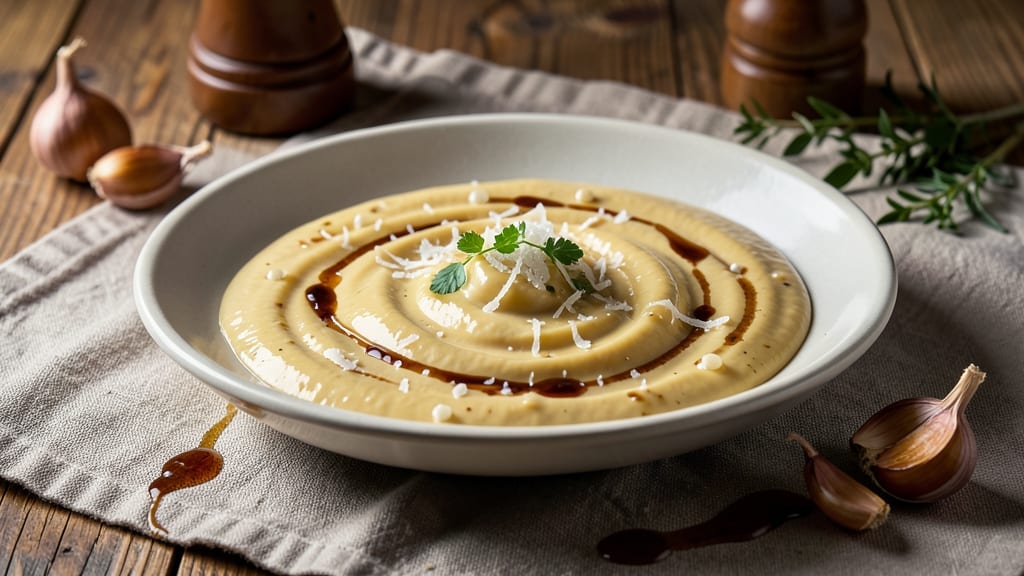
This Carrabba's Ricardo sauce recipe delivers the same velvety, egg-emulsified perfection you crave—rich, creamy, and with that signature tangy depth. 💛 The secret lies in the egg yolk base, which creates a silky texture while vinegar and Parmesan add complexity that sets it apart from basic Alfredo.
I’ve replicated the restaurant’s technique exactly, ensuring every spoonful tastes like it came from their famous menu.
The sauce begins with a simple garlic-butter base, where garlic infuses into melted butter before being deglazed with white wine—a step that builds depth.
Heavy cream and Parmesan cheese blend in next, but the real magic happens when raw egg yolks are whisked into the hot mixture, creating an ultra-smooth emulsion that thickens as it cools. A splash of white vinegar and lemon juice brightens the sauce, cutting through the richness for balance.
What you’ll end up with is a restaurant-quality sauce that clings perfectly to pasta, seafood, or grilled meats—creamy yet light, with a subtle tang that keeps it from feeling heavy. The egg emulsion ensures it stays silky even after reheating, making it ideal for meal prep or last-minute dinners.
This isn’t just a sauce; it’s the centerpiece that elevates any dish to Carrabba’s level.
Use it immediately over fettuccine, drizzle it over grilled shrimp, or toss it with roasted vegetables for a meal that tastes like a night out. The recipe scales easily, so you can make a small batch for two or double it for a crowd.
Here’s everything you need to bring that iconic flavor home.
Ingredients for carrabba's ricardo sauce
Nine ingredients transform into Carrabba's iconic velvety sauce with that signature tangy kick.
| Ingredient | Amount | Notes |
|---|---|---|
| Unsalted Butter 🧈 | ½ cup | Cold, cubed for even melting |
| Garlic Cloves 🧄 | 4 cloves | Minced finely for depth |
| Dry White Wine 🍷 | ½ cup | Sauvignon Blanc preferred |
| Heavy Cream 🥛 | 1 ½ cups | Full-fat for richness |
| Large Egg Yolks 🥚 | 4 whole | Fresh, room temperature |
| Parmesan Cheese 🧀 | 1 ½ cups | Freshly grated, block style |
| White Wine Vinegar 🍋 | 1 tbsp | For signature tang |
| Lemon Juice 🍋 | 1 tbsp | Freshly squeezed |
| Salt 🧂 | ½ tsp | Diamond Crystal preferred |
| Black Pepper 🌶️ | ¼ tsp | Freshly cracked |
The butter and garlic are your flavor foundation—don't skip the mincing. Costco sells pre-minced garlic in tubes, which saves time (and mess), but fresh is worth it if you're feeling fancy. For the wine, Sauvignon Blanc is ideal—it's crisp and bright, cutting through the richness later. I always grab a bottle I'd drink anyway; the extra glass won't go to waste. The Parmesan? Grab a wedge from the deli counter—pre-grated gets clumpy and lacks that sharp bite. Look for Parmigiano-Reggiano if you want to splurge, but regular Parmesan works perfectly fine for home cooking.
No white wine? Dry chicken broth works in a pinch, but you'll lose that subtle fruitiness. Fresh egg yolks are non-negotiable here—they create that signature silky texture. If you're worried about salmonella, pasteurized eggs are a safe alternative. The vinegar and lemon juice might seem like small amounts, but they're what give Ricardo its signature tang. Apple cider vinegar can substitute for white wine vinegar if that's what you've got. For the cream, half-and-half works too, though it'll be slightly lighter. The key is keeping everything warm but not boiling when you add the yolks—otherwise, you'll end up with scrambled eggs instead of sauce.
This sauce is best used immediately, but it reheats beautifully. If you need to prep ahead, keep it refrigerated for up to 3 days, reheating gently over low heat. It freezes wonderfully too—portion into ice cube trays for perfect single-use servings. Just thaw in the fridge overnight. The sauce thickens as it cools, so if it seems too thick when warm, whisk in a splash of warm water or milk. Leftovers? Toss them with pasta or drizzle over grilled chicken—it's that good.
Why You'll Love This Recipe
- Pantry Magic: I swear by this sauce—no fancy ingredients, just butter, garlic, and whatever white wine you’re drinking. The yolks and cream turn it velvety, but the real win? I can make it while waiting for pasta to boil. No stress, no mess.
- Wine-Fueled Luxury: That splash of dry white wine? It’s the secret. The alcohol burns off, leaving behind a bright, almost citrusy depth that cuts through the richness of the butter and cream. Honestly, it tastes like a fancy restaurant sauce—except I’m the one stirring the pot.
- Leftovers That Shine: This sauce doubles easily, and it’s even better the next day. Drizzle it over grilled chicken, toss it into eggs, or use it as a quick glaze for roasted veggies. My freezer is full of it because it’s that reliable.
- Weeknight Hero: Twenty minutes max, and it’s restaurant-quality. The yolks thicken it just right, so it’s not too heavy—perfect for when I’m too tired to fuss. Plus, the garlic aroma fills the whole house, so it feels like a treat even on a Tuesday.
Step-by-step instructions for Carrabba's Ricardo sauce
Here's how to make that signature egg-emulsified sauce with a secret tangy kick.
🍳 Step 1: Melt Butter and Sauté Garlic
In a medium saucepan over medium heat, melt the 0.5 cup unsalted butter until it's completely liquid but not browned. Add the 4 cloves minced garlic cloves and cook for 1-2 minutes until fragrant but not browned—this prevents bitterness. Here's the thing—garlic burns fast, so keep your eye on it.
I like to stir constantly during this step to ensure even cooking. The butter should foam gently and the garlic should smell amazing but not smell like it's burning. If you see any golden bits forming, reduce the heat slightly. This aromatic base is the foundation of the sauce's depth.
🍳 Step 2: Deglaze with Wine and Reduce
Pour in the 0.5 cup dry white wine and scrape up any browned bits from the bottom of the pan with a wooden spoon. This deglazing step captures all the flavor you've built so far. Let the wine simmer for 3-4 minutes until reduced by about half—you're looking for a syrupy consistency here.
Don't rush this reduction. The alcohol needs to cook off completely, leaving behind just the wine's rich, fruity notes. If you see the mixture getting too thick too quickly, you can add a splash of water, but I've never needed to with these amounts. The wine should smell completely cooked through, with no sharp alcohol scent remaining.
🥘 Step 3: Create the Egg-Yolk Emulsion
In a separate bowl, whisk together the 4 whole large egg yolks, 1.5 cups freshly grated parmesan cheese, 1 tbsp white wine vinegar, 1 tbsp lemon juice, 0.5 tsp salt, and 0.25 tsp black pepper. This is the magic part—the vinegar and lemon juice give that signature tang that makes this sauce special. Whisk until completely smooth and homogeneous.
Real talk: the egg yolks should be room temperature. If they're cold, they won't emulsify properly. I usually take them out of the fridge about 30 minutes before starting. The mixture should look like a thick, pale yellow custard. This is what will give your sauce that silky, velvety texture that's impossible to get with just cream alone.
🍳 Step 4: Combine and Temper the Sauce
With the saucepan still over medium heat, very slowly pour the egg mixture into the reduced wine while whisking constantly. This is where you need to be patient—add it gradually over 1-2 minutes to prevent scrambling the eggs. The heat from the pan will gently cook the eggs as they incorporate.
Once fully combined, add the 1.5 cups heavy cream and stir gently. The sauce should begin to thicken almost immediately. If it gets too thick too quickly, you can temper it by removing the pan from heat for 30 seconds and then returning it to low heat. Keep stirring until the sauce reaches your desired consistency—it should coat the back of a spoon but still flow smoothly.
⏰ Step 5: Finish and Serve Warm
Continue cooking on low heat for 2-3 minutes until the sauce is completely smooth and heated through. Taste and adjust seasoning if needed—you might need a tiny bit more salt or pepper to balance the acidity from the vinegar and lemon. The sauce should be rich, tangy, and perfectly balanced.
Serve immediately over your favorite pasta or protein. This sauce is best when fresh and warm, with that beautiful sheen and silky texture. If you need to reheat leftovers, do so gently over low heat, stirring constantly to prevent separation. The secret to this sauce's success is the careful balance of acidity, richness, and proper emulsification—don't skip any of those steps!
Pro Tips For Making Carrabba'S Ricardo Sauce
- Infuse the Wine First: After deglazing with white wine, simmer it uncovered for 2 full minutes—this concentrates the flavor and cuts through the richness later. I used to skip this, and the sauce always tasted thin and one-dimensional. The alcohol burns off, but the depth stays.
- Mince Garlic Like You Mean It: Pulse garlic in a food processor until it’s almost a paste—no big chunks. I learned this the hard way when my sauce had garlicky pockets instead of smooth, velvety flavor. If you’re doing it by hand, chop it small enough to disappear in a swallow.
- Temper Those Yolks: Whisk a splash of the warm cream-butter mixture into the yolks first, then slowly drizzle the rest—this prevents scrambling. I’ve ruined batches by dumping hot liquid in too fast, and the fix is always messy. Take your time; the sauce is worth it.
- Finish Low and Slow: Reduce the heat to the lowest setting once the sauce thickens, and let it simmer for 3-4 minutes. This cooks out the raw egg taste without curdling. I used to rush it, and the sauce always had a faint eggy aftertaste—annoying, but easy to fix now.
Storing and reheating this carrabba's ricardo sauce
Refrigerator Storage
Store your Ricardo sauce in an airtight container (I love Glasslock containers) in the fridge for up to 3 days. The sauce thickens as it cools, so I recommend whisking in 1-2 tablespoons of warm water before reheating to restore its silky consistency.
Always let it cool completely before refrigerating to prevent condensation from diluting the flavors. 💛
Freezer Prep Tips
For long-term storage, portion the sauce into ice cube trays or small freezer-safe containers. Once frozen solid, transfer to a ziplock bag with the date labeled. Thaw overnight in the fridge—never microwave directly from frozen, as this causes separation.
The sauce maintains its creamy texture for up to 3 months when frozen properly.
Gentle Reheating
Reheat Ricardo sauce on the stovetop over low heat with a splash of warm water or milk to prevent curdling. Stir constantly for 3-5 minutes until just heated through—165°F internal temperature is ideal.
Avoid high heat, which can break the egg emulsion and make the sauce grainy. A double boiler works beautifully for extra gentle reheating.
Reviving Thickened Sauce
If your refrigerated sauce has thickened too much, whisk in 1 tablespoon of warm water or milk at a time until you reach the desired consistency. For extra insurance, place the container in a bowl of warm water for 5 minutes before whisking—this helps restore the sauce's silky texture.
The key is patience: never force it with high heat or vigorous stirring.
Portion Control
Make single-serving portions by freezing sauce in 1-ounce portions (about 3 tablespoons) in ice cube trays. Pop out the cubes and store in a freezer bag. When ready to use, simply toss one cube into your pasta water or saucepan—it melts beautifully without needing extra liquid.
This method keeps your sauce fresh and ready for quick meals. ✨
Leftovers Reinvention
Use leftover Ricardo sauce to elevate simple dishes: drizzle over grilled chicken, toss with roasted vegetables, or mix into scrambled eggs for a restaurant-quality breakfast. The sauce's tangy richness works surprisingly well in seafood dishes like shrimp scampi.
Just reheat gently and adjust seasoning with a pinch of Parmesan or lemon juice if needed.
Nutrition facts
Frequently asked questions
Why does Carrabba's Ricardo sauce have that tangy kick?
The signature tang comes from the white wine vinegar and lemon juice in the egg yolk mixture. These brighten the rich, creamy base and prevent the sauce from tasting too heavy. The vinegar also helps stabilize the egg emulsion, giving it that signature restaurant-quality texture.
Can I make this sauce without wine?
Yes! If you don't have white wine, use dry chicken broth or even apple cider vinegar diluted with water (1:1 ratio). The key is maintaining the same acidity level—just reduce the liquid by half as you would with wine. The flavor won't be identical, but it'll still be delicious.
How do I fix scrambled eggs if I add the yolks too quickly?
If the sauce curdles, immediately remove it from heat and stir in 1 tablespoon of cold heavy cream or whole milk. Then, place the pan in a bowl of ice water for 2-3 minutes to rapidly cool it. The sauce should smooth out—just whisk vigorously before reheating gently. This happens when the eggs cook too fast!
What's the best pasta to pair with this sauce?
Carrabba's originally serves it with fettuccine, but linguine or tagliatelle work beautifully too. For extra flavor, toss in sautéed shrimp or grilled chicken. The wide, flat noodles catch the sauce perfectly, creating that iconic "saucy" bite.
Can I make this sauce dairy-free?
For a dairy-free version, replace the butter with olive oil or vegan butter, the heavy cream with full-fat coconut milk, and the Parmesan with nutritional yeast. Use 1 tablespoon of cornstarch mixed with water to thicken instead of eggs. The tangy elements will still shine through!