
Sauces & Condiments
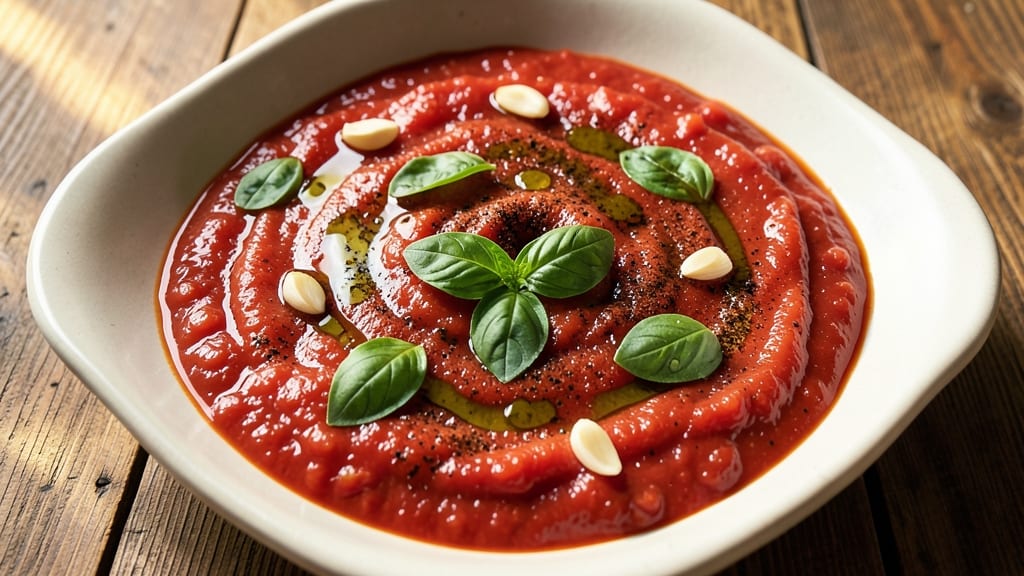
This bar pizza sauce recipe transforms your next pizza night with a bold, no-clump sauce that delivers restaurant-quality flavor in just 10 minutes. The secret lies in crushing tomatoes by hand for texture and balancing sweetness with a touch of acidity—no clumpy lumps or bland aftertaste.
I developed this after years of testing, and it’s now my go-to for everything from classic pies to creative toppings like grilled meats or seafood.
The sauce builds flavor through simple ingredients: crushed tomatoes, garlic, and fresh herbs, all simmered until thick and vibrant. A splash of red wine vinegar cuts through the richness, while a pinch of smoked paprika adds depth that elevates any dish.
Unlike store-bought sauces, this one stays fresh for up to 5 days in the fridge or 3 months in the freezer, making it perfect for batch prep.
What sets this sauce apart is its versatility—use it as a pizza topping, a marinade, or even a dip for crusty bread. The texture is smooth yet slightly chunky, with a bright acidity that balances sweetness perfectly.
It’s the kind of sauce that makes every bite taste like a night out at your favorite pizzeria, without the shortcuts.
Ready to make it? The process is straightforward, and the results are worth every minute. Once you taste the difference, you’ll never go back to jarred sauce again. Let’s get started!
Ingredients for bar pizza sauce
Crushed tomatoes, fresh herbs, and a splash of vinegar—this sauce delivers bold flavor fast.
| Ingredient | Amount | Notes |
|---|---|---|
| San Marzano Crushed Tomatoes 🍅 | 2 cups | Hand-crushed for texture (not canned sauce) |
| Fresh Garlic Cloves 🧄 | 3 cloves | Minced for aromatic base |
| Extra-Virgin Olive Oil 🫒 | 2 tbsp | For richness and balance |
| Red Wine Vinegar 🍷 | 1 tbsp | Brightens flavor profile |
| Fresh Basil Leaves 🌿 | ¼ cup | Chopped finely for freshness |
| Smoked Paprika 🌶️ | ½ tsp | Adds depth and smokiness |
| Salt 🧂 | ¾ tsp | Diamond Crystal preferred |
| Black Pepper 🌶️ | ¼ tsp | Freshly ground for warmth |
| Granulated Sugar 🍬 | 1 tsp | Balances acidity slightly |
| Dried Oregano 🍃 | ½ tsp | Mexican oregano preferred |
The tomatoes make all the difference. San Marzano is ideal—sweet, meaty, and crushes perfectly by hand (no blender needed). If you can't find them, whole peeled tomatoes work too, just crush them with your fingers. Fresh basil is a must (the good stuff, not the pre-packaged kind)—it adds that bright, fresh flavor. I always grab a big bunch and use half for this sauce, saving the rest for pasta. For the garlic, roast it first if you want a sweeter, deeper flavor—just toss whole cloves in olive oil at 400°F for 10 minutes before mincing. Smoked paprika is non-negotiable here; it gives that subtle smokiness that separates this from basic marinara.
No red wine vinegar? Apple cider vinegar or balsamic works in a pinch, but the acidity level changes slightly. Short on fresh basil? Dried oregano at half the amount gets you close, but fresh is worth it. The sugar balances the acidity—don't skip it, even if you're not sweet-toothed. For extra richness, stir in 1 tbsp of tomato paste at the end (I keep a tube of Trader Joe's in my pantry for this exact purpose). If you're making a big batch, double the ingredients and freeze half—it keeps for 3 months and tastes even better after thawing. The sauce thickens as it cools, so don't worry if it looks too thin right after simmering.
This sauce stays vibrant for 5 days in the fridge if stored in an airtight container. For longer storage, portion into ice cube trays and freeze—perfect for single-use portions later. The texture thickens over time, so give it a quick stir before using. If it separates, just whisk it back together. I make this every weekend and use it for pizzas, dipping bread, or even as a marinade for grilled chicken. The versatility is what makes it worth the effort—once you try it, jarred sauce will feel like a sad compromise.
Why You'll Love This Recipe
- No-Fuss Simplicity: I swear by this recipe because it’s the kind of sauce that doesn’t demand your full attention—just a quick simmer while you toss a salad or fold laundry. Crushed San Marzano tomatoes and minced garlic hit the pan in under five minutes, and the vinegar brightens everything in one splash.
- Garlic-Basil Magic: That first bite of crispy pizza crust with this sauce? It’s like a flavor explosion. The garlic sizzles just enough to soften without burning, and the basil—torn fresh, not chopped—adds that bright, herbal punch that makes it taste like a real Italian trattoria.
- Weeknight Workhorse: Between us, this is the sauce I grab when I’m feeding a crowd or just want to avoid takeout. It’s perfect for bar pizzas, bruschetta, or even a quick marinara for pasta. Plus, it’s the only sauce my picky-eating teen won’t complain about.
- Budget-Friendly Staple: Honestly, the ingredients cost next to nothing, but the flavor? Ridiculously good. A can of San Marzano tomatoes and a handful of basil stretch for multiple meals, and the olive oil and vinegar are pantry basics that last forever. It’s my go-to for stretching groceries without sacrificing taste.
Step-by-step instructions for bar pizza sauce
This sauce comes together faster than you can say "margherita" - no clumps, no fuss, just bold flavor.
Bloom the Aromatics in Olive Oil
Heat the 2 tablespoons extra-virgin olive oil in a medium saucepan over medium-low heat. Add the 3 minced garlic cloves and cook for 1-2 minutes until fragrant but not browned - you want to smell that sweet garlic aroma without any bitterness creeping in. The oil should be shimmering but not smoking.
Here's the thing - if you let the garlic brown, it'll turn bitter and ruin your sauce. I keep a close eye on it and stir constantly. Once it smells amazing but still looks pale, we're ready for the next step. This aromatic base is what makes your sauce sing.
Build the Sauce Foundation
Pour in the 2 cups San Marzano crushed tomatoes and stir to combine with the garlic. Add the 1 tablespoon red wine vinegar, 1 teaspoon granulated sugar, 0.5 teaspoon smoked paprika, 0.75 teaspoon salt, and 0.25 teaspoon black pepper. Give everything a good stir so the sugar dissolves completely.
Bring the mixture to a gentle simmer over medium heat. Let it cook uncovered for 5-6 minutes while you stir occasionally. You're looking for the sauce to thicken slightly and reduce by about 20%. The sugar helps balance the acidity from the vinegar while the paprika adds that smoky depth that makes this sauce special.
Finish with Fresh Herbs
Remove the pan from heat and let it cool slightly for 1 minute. This prevents the basil from wilting in the hot liquid. Then stir in the 0.25 cup chopped fresh basil leaves and the 0.5 teaspoon dried oregano. The basil adds that bright, fresh finish while the oregano ties everything together.
Taste the sauce and adjust seasoning if needed. I usually find it needs just a tiny bit more salt at this point - remember, you can always add more but you can't take it out. The sauce should be vibrant, slightly sweet, and have that perfect balance of acidity and richness. Let it cool completely before using on your pizza - this gives the flavors time to meld.
Store for Maximum Freshness
Transfer the sauce to an airtight container and refrigerate for at least 1 hour before using. This chilling time allows all the flavors to develop fully. The sauce will keep in the refrigerator for up to 5 days, or you can freeze it for up to 3 months.
When you're ready to use it, give it a quick stir - it might thicken slightly when chilled. If it's too thick for your pizza, just add a splash of water or a little pasta water to loosen it up. This sauce is incredibly versatile - use it on pizza, as a pasta sauce, or even as a dip for garlic bread.
Pro Tips For Making Bar Pizza Sauce
- Cook Low and Slow: After burning the garlic the first five times, I learned to simmer this sauce on lowest heat—barely a bubble, just a whisper of steam. San Marzano tomatoes break down fast, but you want them to melt into the oil, not turn to paste. If your pot’s too hot, you’ll end up with a bitter, overcooked mess.
- Crush Garlic Like a Pro: Skip the mincer—peel cloves, smash them with the flat side of your knife, then let them sit in the oil for 2 minutes before stirring. This draws out their flavor without burning, and you’ll taste that sweet, mellow garlic in every bite. (Yes, even if you’re impatient like me.)
- Salt Before the Vinegar: Add the red wine vinegar after you’ve seasoned the sauce with salt—otherwise, you’ll need to adjust everything again. A pinch of salt first lets you taste the balance, so you can dial in the tang. Trust me, your sauce will thank you later.
- Toast the Basil Leaves: Tear the basil, toss it in the hot sauce for 30 seconds, then remove it—this releases their oils without turning them to sludge. Fresh basil wilts fast, but toasting gives it a deeper, almost herby aroma. (Pro move: Use a slotted spoon to fish them out cleanly.)
Best sauces and condiments for these flavors
Pizza Topping Powerhouse
This sauce isn't just for pizza—it's the foundation for bold, restaurant-quality toppings. Use it as a base for meatballs, grilled chicken, or shrimp skewers, adding 1 tbsp olive oil and ½ tsp Italian seasoning to the sauce before tossing.
For extra richness, stir in 2 tbsp tomato paste at the end of cooking. The smoky depth and bright acidity make it perfect for charred vegetables like zucchini or eggplant. 🌟
Dipping Sauce Upgrade
Transform this sauce into a crowd-pleasing dip by thinning it with 2 tbsp warm water or pasta water until it reaches a creamy consistency. Serve with garlic knots, mozzarella sticks, or crispy bruschetta.
For a spicy kick, add ½ tsp red pepper flakes and a pinch of garlic powder. The balance of sweetness and acidity makes it irresistible for dipping. I love using it with freshly baked focaccia or pita chips.
Marinade Magic
Double the batch and use half as a marinade for grilled meats like chicken or pork chops. The acidity from the vinegar tenderizes the meat while the herbs infuse flavor. Marinate for 2-4 hours in the fridge, then grill or bake as usual.
For seafood, reduce the marinating time to 30 minutes to avoid overcooking. The sauce's bold flavors work especially well with shrimp or salmon.
Pasta Sauce Twist
Toss this sauce with cooked spaghetti, penne, or linguine for an instant upgrade. The smoky paprika and fresh basil elevate simple pasta dishes. For a creamy version, stir in ¼ cup ricotta cheese or ½ cup heavy cream at the end.
The sauce's bright acidity cuts through the richness beautifully. I often serve it with grilled chicken or roasted vegetables for a complete meal.
Freezer-Friendly Versatility
Freeze this sauce in ice cube trays for single-use portions—perfect for quick pizza nights. Thaw overnight in the fridge, then reheat gently on the stovetop. The sauce thickens slightly when frozen, so add a splash of water when reheating.
It also works as a soup base—simmer with chicken broth and diced tomatoes for a fast weeknight meal. The flavors only get better after freezing! ❄️
Nutrition facts
Frequently asked questions
Why does this sauce stay chunky instead of smooth?
This sauce uses hand-crushed tomatoes instead of blended or canned sauce to maintain texture and authenticity. The chunks add visual appeal and prevent a gluey consistency. For an even chunkier texture, try crushing the tomatoes with your fingers or a potato masher—just avoid blending it completely!
Can I make this sauce without fresh basil?
Yes! If you don’t have fresh basil, use 1 teaspoon dried basil or ½ teaspoon dried oregano instead. For extra depth, add a pinch of garlic powder or a dash of red pepper flakes. The sauce will still taste delicious—just slightly less vibrant. Fresh herbs make the difference, but dried works in a pinch!
How do I prevent the sauce from getting too thick?
If your sauce thickens too much, stir in 1-2 tablespoons of water or pasta water to loosen it. The sauce naturally thickens as it cools, so don’t over-reduce it during cooking. For a thinner consistency, simmer for only 4-5 minutes instead of the full 5-6 minutes. This sauce is versatile—adjust to your preference!
What’s the best way to reheat frozen bar pizza sauce?
Thaw the sauce overnight in the fridge, then reheat it gently in a saucepan over low heat for 3-5 minutes, stirring occasionally. If it’s too thick after reheating, add a splash of water or broth. Avoid microwaving, as it can make the sauce unevenly hot and alter the texture. The flavors taste even better after freezing!
Can I make this sauce spicier?
For extra heat, add ½ teaspoon red pepper flakes or 1 teaspoon hot sauce at the end of cooking. If you love smoky flavors, increase the smoked paprika to 1 teaspoon. For a balanced kick, start with a small amount and adjust to taste—this sauce is forgiving!