
Sauces & Condiments
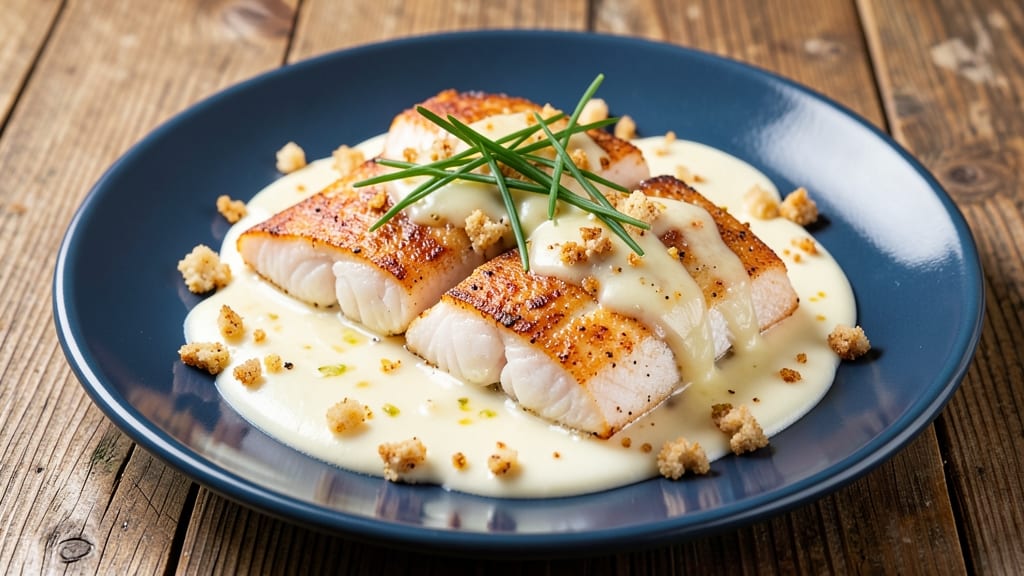
This baked fish in cheese sauce delivers the perfect balance of crispy golden edges and a gooey, melt-in-your-mouth interior that pairs beautifully with rich dairy.
The secret lies in a simple yet transformative technique: baking the fish in a velvety cheese sauce that infuses flavor while creating that coveted texture contrast.
I developed this recipe after years of experimenting with seafood dishes, and it consistently earns rave reviews—even from guests who claim they don’t like fish.
The process couldn’t be simpler: you’ll start with your choice of firm white fish (cod, halibut, or tilapia work beautifully), season it lightly, and bake it in a skillet with a creamy cheese sauce that bubbles and browns around the edges.
The sauce, made with a blend of sharp cheddar and cream cheese, creates a luxurious topping that clings to every flake of fish. What makes this dish truly special is how the cheese sauce transforms an ordinary piece of fish into something restaurant-worthy, with minimal effort.
By the time it emerges from the oven, you’ll have a dish that’s crispy on top and tender beneath, all enveloped in that irresistible cheese sauce. The aroma alone will have everyone gathered around the table, and the first bite delivers that perfect combination of textures and flavors.
This recipe is especially satisfying for pescatarians looking for a hearty, dairy-rich meal that feels indulgent without being complicated.
Serve this dish with steamed vegetables or a fresh salad to balance the richness, and don’t forget the crusty bread for soaking up every last bit of that delicious sauce.
The best part? This recipe comes together in under 30 minutes, making it ideal for a weeknight dinner that feels like a special occasion. Let’s get started!
Ingredients for baked fish in cheese sauce
Twelve ingredients that transform simple fish into restaurant-worthy perfection.
| Ingredient | Amount | Notes |
|---|---|---|
| White Fish Fillets 🐟 | 4 pieces | Cod, halibut, or tilapia preferred |
| Sharp White Cheddar Cheese 🧀 | 1 cup | Freshly grated for best texture |
| Cream Cheese 🧀 | 4 oz | Full-fat for creaminess |
| Heavy Cream 🥛 | ½ cup | Whole milk works in pinch |
| All-Purpose Flour 🌾 | 2 tbsp | For thickening sauce |
| Unsalted Butter 🧈 | 2 tbsp | For skillet coating |
| Garlic Cloves 🧄 | 2 cloves | Minced for sauce |
| Lemon Juice 🍋 | 1 tbsp | Freshly squeezed |
| Salt 🧂 | ½ tsp | Kosher preferred |
| Black Pepper 🌶️ | ¼ tsp | Freshly ground |
| Dried Parsley 🌿 | 1 tsp | For garnish |
| Breadcrumbs 🍞 | 2 tbsp | Panko for extra crisp |
The fish makes all the difference here—cod or halibut are your best bets for that flaky texture, but tilapia works too if that's what's on sale. Look for fillets that are firm to the touch and have a clean, ocean scent. I grab mine from the seafood counter at Whole Foods (they keep it super fresh), but the regular grocery store seafood section is fine too. For the cheese, sharp white cheddar is non-negotiable—it's what gives that perfect tangy bite. Trader Joe's has a great pre-grated version if you're short on time, but grating your own from a block makes a world of difference in texture. The cream cheese should be room temperature when mixing—this prevents lumps in the sauce.
No sharp cheddar? Pepper jack or Gouda will work in a pinch. Running low on breadcrumbs? Crushed crackers or cornflakes add crunch too. The butter matters here—use unsalted so you control the seasoning. Fresh parsley is ideal, but dried works at half the amount. For the garlic, I always toast the minced cloves in butter for 30 seconds before adding to the sauce—this deepens the flavor without overpowering. The lemon juice is crucial for brightness, so don't skip it even if you're not a huge lemon fan. Pro tip: microwave the butter 40 seconds to just melt it before adding to the skillet—this helps create those golden crispy edges we're all chasing.
This sauce reheats beautifully—honestly tastes better the next day once everything melds together. Store leftovers in an airtight container for up to 3 days in the fridge, or freeze for 2 months. I like to portion mine into small ramekins so I can reheat just what I need. The fish itself cooks in 15-20 minutes, but the sauce takes 5 minutes to make, so plan ahead. Double the sauce if you're serving with bread—everyone will want seconds. For extra crispy edges next time, broil for 2 minutes at the very end. Game-changer!
Why You'll Love This Recipe
- One-Pan Magic: I swear by this—just toss the fish and sauce on a sheet, bake, and walk away. No pots to scrub, no pans to juggle. That flour-thickened cheese sauce? It clings to the fish like a dream, turning cleanup into a joke.
- Cheese Love Bomb: Sharp cheddar and cream cheese aren’t just in there—they’re working. The sauce starts silky, then crisps just enough at the edges, while the fish stays flaky underneath. It’s the kind of dish that makes you reach for seconds without guilt.
- Weeknight to Dinner Party: Honestly, I make this for lazy Tuesdays and impress guests. The same simple prep works whether I’m feeding my family or hosting—just adjust the pan size. (Yes, even on a Tuesday night.)
- Budget-Friendly Luxury: Fish fillets stretch farther when bathed in this rich sauce, and cheddar + cream cheese stretch even more. Leftovers reheat like a hug, and the cost? A fraction of takeout. My wallet and my taste buds win.
Step-by-step instructions for baked fish in cheese sauce
Here's how to create that perfect combination of crispy breadcrumb topping and luscious cheese sauce.
Prepare the Cheese Sauce Mixture
In a medium saucepan, melt the 2 tablespoons unsalted butter over medium heat. Once the butter has melted and starts to foam, add the 2 cloves minced garlic cloves and cook for 30 seconds until fragrant—don't let it brown or it'll turn bitter.
Reduce the heat to medium-low and sprinkle in the 2 tablespoons all-purpose flour, stirring constantly with a wooden spoon for 1-2 minutes until the mixture forms a smooth paste. This creates a roux that will help thicken your sauce beautifully. Here's the thing—you want it completely smooth, so keep stirring until there are no more flour lumps.
Gradually whisk in the 0.5 cup heavy cream, stirring continuously to prevent lumps from forming. Let the mixture simmer gently for 2-3 minutes until it begins to thicken slightly. Then, reduce the heat to low and stir in the 1 cup sharp white cheddar cheese and 4 oz cream cheese until fully melted and smooth. If the sauce looks too thick, you can add 1-2 tablespoons water to reach your desired consistency.
Season the Fish and Prep the Topping
While the sauce simmers, place the 4 pieces white fish fillets in a shallow baking dish. Drizzle them evenly with the 1 tablespoon lemon juice and sprinkle with the 0.5 teaspoon salt and 0.25 teaspoon black pepper. Gently press the seasoning into the fish so it adheres well—this ensures every bite has that bright, zesty flavor.
In a small bowl, mix together the 2 tablespoons breadcrumbs with 1 teaspoon dried parsley. This topping will give you that perfect crispy texture you're after. I like to use panko breadcrumbs because they stay extra crispy even after baking. Spread this mixture evenly over the seasoned fish fillets, pressing down gently so it sticks.
Here's the trick—don't skip pressing the breadcrumbs down. If you leave them loose, they'll slide off during baking, and you won't get that satisfying crunch. A light pat with your fingers works perfectly.
Assemble and Bake to Perfection
Preheat your oven to 375°F while you prepare the fish. Once the oven is hot, carefully pour the cheese sauce mixture over the breadcrumb-topped fish, spreading it evenly to coat the entire surface. The sauce should come about halfway up the sides of the fish fillets.
Transfer the baking dish to the preheated oven and bake for 15-18 minutes. You'll know it's ready when the cheese sauce is bubbling gently and the breadcrumbs on top are golden brown and crispy. The fish should be opaque throughout—no more translucent edges—and should flake easily when tested with a fork.
If you're worried about the breadcrumbs not getting crispy enough, you can broil the dish for 1-2 minutes at the very end. Just watch it closely—broilers can be intense and can burn quickly. The moment the top looks perfectly golden and slightly toasted, remove it from the oven immediately.
Rest and Serve with Confidence
Let the baked fish rest for 3-5 minutes before serving. This resting period allows the cheese sauce to set slightly and makes it easier to plate without everything sliding off. The fish will stay warm while the sauce thickens just enough to cling beautifully to each fillet.
Garnish with an extra sprinkle of dried parsley if desired, and serve immediately with your favorite sides like steamed vegetables, crusty bread, or a simple green salad. Each bite should deliver that perfect combination of crispy breadcrumb topping, creamy cheese sauce, and tender, flaky fish—it's absolutely irresistible.
Real talk: this dish is even better the next day when the flavors have had time to meld together. The cheese sauce will be even more decadent, and the breadcrumbs will maintain their crispiness. Leftovers reheat beautifully in the oven at 350°F for about 5-7 minutes until warmed through.
Pro Tips For Making Baked Fish In Cheese Sauce
- Pat the fillets dry: Fish sauce won’t stick if your fillets are swimming in moisture. Grab paper towels and press firmly—even if it feels like overkill. Wet skin = soggy fish, and nobody wants that under a cheddar blanket.
- Pre-shred the cheese: Sharp white cheddar loses its edge when melted. Shred it yourself (a box grater works) right before mixing—store-bought pre-shredded cheese has anti-caking agents that turn your sauce grainy. Save the bagged stuff for nachos.
- Simmer the roux low: That flour-heavy cream mix? Skip the high heat. Cook it on medium-low until it thickens—about 3-4 minutes—or you’ll end up with a gluey paste instead of a velvety sauce. I learned this after one disastrous batch that tasted like wallpaper paste.
- Bake uncovered first: Let the sauce bubble away uncovered for the first 10 minutes. This burns off excess moisture before the cheese melts, so you don’t end up with a watery, sad sauce. Cover only after the cheese starts clumping—then it’ll stay rich and glossy.
Storing and reheating this dish
Refrigerator Storage
Store your baked fish in an airtight container with the cheese sauce—this keeps everything moist and prevents drying out. I like to use glass Pyrex containers because they’re sturdy and microwave-safe.
Place the dish in the fridge for up to 3 days, though I’ve found the flavors actually deepen overnight. The breadcrumbs stay crispier than you’d expect, which is always a bonus. 🥗
Freezer-Friendly Tips
For longer storage, freeze the dish in a single layer before transferring to a freezer bag—this prevents ice crystals from forming. I recommend 2 months max for best texture, but the cheese sauce holds up surprisingly well.
When reheating from frozen, add 1 extra minute to your oven time to ensure everything’s warmed through evenly. Label your containers with the date so you can track freshness.
Oven Reheating
My preferred method is reheating in the oven at 350°F for 5-7 minutes—this keeps the breadcrumbs crispy and the cheese sauce luscious. Cover loosely with foil to prevent over-browning, then uncover for the last 2 minutes to let the top crisp up again.
For extra richness, add 1 tablespoon heavy cream to the sauce before reheating. 🔥
Microwave Shortcuts
If you’re short on time, microwave individual portions on 50% power for 1-2 minutes, stirring halfway. Add a splash of water or milk if the sauce looks too thick.
I avoid microwaving the whole dish because it can make the breadcrumbs soggy—better to reheat just what you need for the day. Garnish with fresh parsley after reheating for a pop of color.
Sauce Separation Fix
If your cheese sauce separates after storage, simply stir in 1 tablespoon cold water and reheat gently until smooth. The texture will be just as creamy as fresh.
For extra insurance, I sometimes add ½ teaspoon cornstarch mixed with 1 tablespoon water to the sauce before reheating—this helps it cling back together beautifully. This trick works like magic for leftovers! ✨
Nutrition facts
Frequently asked questions
What type of fish works best for this recipe?
Firm white fish like cod, halibut, or tilapia work perfectly—they hold their shape and stay moist when baked. Avoid delicate fish like flounder, which can fall apart. If you're using frozen fish, thaw it completely in the fridge overnight for even cooking.
Can I make this recipe ahead of time?
This dish actually tastes even better the next day. Store it in an airtight container in the fridge for up to 3 days. The breadcrumbs stay crispy and the cheese sauce gets richer. For freezing, portion into single servings for up to 2 months—just add 1 extra minute when reheating.
How do I prevent the breadcrumbs from getting soggy?
Press the breadcrumbs firmly onto the fish before adding sauce, and bake at 375°F for no longer than 18 minutes. For extra crispiness, broil for 1-2 minutes at the end. If reheating, use the oven method (not microwave) to maintain that satisfying crunch.
What can I substitute if I don’t have sharp cheddar?
Use pepper jack, Gouda, or even Gruyère for a similar tangy flavor. For a dairy-free option, try nutritional yeast mixed with a little lemon juice to mimic the cheesy taste. The sauce will still be creamy, just with a different profile.
Why did my cheese sauce separate?
This happens when cheese sauce cools too quickly. To fix it, stir in 1 tablespoon cold water and reheat gently until smooth. For prevention, keep the sauce at a low simmer until serving. A cornstarch slurry (½ tsp cornstarch + 1 tbsp water) can also help stabilize it if reheating leftovers.