
Sauces & Condiments
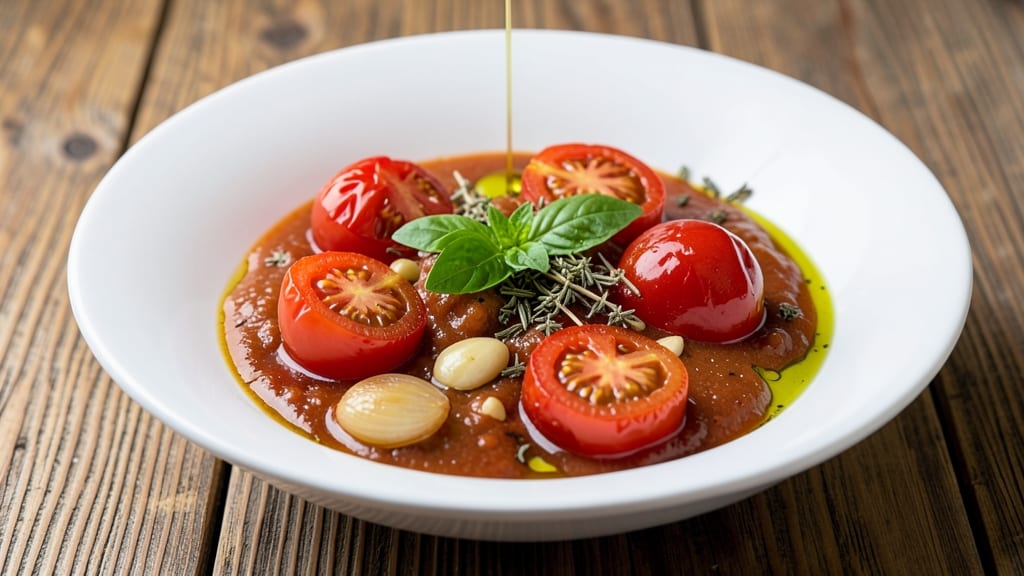
This authentic Italian fresh tomatoes pasta sauce captures the essence of summer in every spoonful—sun-ripened tomatoes simmered low and slow until they melt into a velvety, aromatic sauce.
The secret lies in using perfectly ripe tomatoes, gently cooked with garlic and olive oil until their natural sweetness emerges without losing brightness. I developed this recipe after years of testing, and it's the one that finally delivers that restaurant-quality depth at home.
The process is simpler than it seems: no heavy cream, no canned tomatoes, just fresh ingredients and patience. You'll start by softening the tomatoes in olive oil, then simmering them until they break down into a rich, chunky sauce.
A quick blend (or not, if you prefer rustic texture) creates the perfect balance between smooth and rustic. The result is a sauce that clings beautifully to pasta while maintaining its vibrant tomato flavor.
What makes this sauce truly special is how it transforms ordinary pasta into something extraordinary—deeply flavorful yet bright, with layers of garlic and herb notes that develop as it simmers. The texture is just right: thick enough to coat noodles generously but still light enough to let the pasta shine.
It's the kind of sauce that tastes even better the next day as the flavors meld.
Perfect for tossing with al dente spaghetti or penne, this sauce also freezes beautifully for future meals. Whether you're cooking for a family dinner or meal prepping for the week, this recipe delivers authentic Italian flavor with minimal effort. Let's get started on creating your perfect pasta sauce.
Ingredients for authentic italian pasta sauce recipe fresh tomatoes
Sun-ripened tomatoes, aromatic garlic, and herbs—just 10 ingredients for restaurant-quality sauce.
| Ingredient | Amount | Notes |
|---|---|---|
| Fresh Tomatoes 🍅 | 2 ½ lbs | Ripe, vine-ripened, seeds removed |
| Extra-Virgin Olive Oil 🫒 | ½ cup | High quality, fruity, cold-pressed |
| Garlic Cloves 🧄 | 6 cloves | Fresh, peeled, lightly crushed |
| Shallots 🧅 | 2 whole | Minced, or substitute 3 tbsp chopped |
| Fresh Basil Leaves 🌿 | ½ cup | Packed, stems removed, roughly chopped |
| Dried Oregano 🍃 | 1 tsp | Italian or Mediterranean blend |
| Sea Salt 🧂 | 1 ½ tsp | Diamond Crystal preferred |
| Freshly Ground Black Pepper 🌶️ | ½ tsp | Freshly cracked for best flavor |
| Red Wine Vinegar 🍷 | 1 tbsp | For brightness, optional but recommended |
| Sugar 🍬 | 1 tsp | Balances acidity, optional for ripe tomatoes |
The tomatoes are everything here. Heirloom or vine-ripened from a farmers market have that perfect balance of sweetness and acidity—Costco or Whole Foods carry great options year-round. Look for tomatoes that yield slightly to gentle pressure but aren't mushy. If you're using garden tomatoes, let them sit at room temperature for a few hours before using. The garlic? Fresh is non-negotiable—jarred minced loses its depth. I always grab a whole head and crush the cloves with the flat side of my knife for even flavor distribution. For the olive oil, California or Italian varieties like Bertolli or Filippo Berio add that authentic depth you can't get from generic brands.
No fresh basil? Dried oregano at double the amount works in a pinch, but honestly, nothing beats the real thing. Short on shallots? Extra garlic plus a pinch of sugar mimics that sweet onion depth. The red wine vinegar might seem like an odd addition, but it's what gives this sauce that authentic Italian brightness—Balsamic Creme is my go-to when I'm in a hurry. If your tomatoes are particularly sweet, you can skip the sugar entirely. For the oregano, Italian or Mediterranean blends have that perfect balance of earthy and citrusy notes that regular oregano lacks. And trust me on the freshly ground pepper—pre-ground loses its punch fast.
This sauce gets better with time—2-3 days in the fridge lets all the flavors meld perfectly. For freezing, portion into ice cube trays first, then transfer to bags. Thaws beautifully and keeps for up to 6 months. I always make a double batch because it disappears faster than you'd think. The texture will thicken as it cools, so just add a splash of water or pasta water when reheating. And if you're worried about it being too chunky, just give it a quick pulse in the blender—one second is all it takes to get that perfect balance between rustic and smooth.
Why You'll Love This Recipe
- Here’s the secret: Let it sit overnight, and the acidity mellows into something deeper. I make a double batch on Sundays, freeze half, and boom—restaurant-quality sauce with zero extra effort. My wallet and future self thank me.
- No-Chop Nightmare: I swear, this sauce only needs one knife for the shallots—just slice them thin, not dice. The tomatoes? Hand-torn works just as well, and honestly, that ragged edge adds character (my lazy Sundays love me for it).
- Garlic-Basil Magic: That moment when you pull the pan off the heat and the basil’s bright green hits the warm, caramelized garlic? Chef’s kiss. The olive oil ties it all together—no heavy cream, no weird aftertaste, just pure, sun-soaked Italian flavor in every bite.
- Weeknight to Potluck: Same sauce, endless uses. Toss it with pasta for a 20-minute dinner, dollop it on bruschetta for guests, or even stir it into grilled chicken for a crowd. Between us, I’ve served this at book club and my mom’s birthday—zero judgment, all compliments.
Step-by-step instructions for authentic Italian fresh tomato pasta sauce
This is where the magic happens—simple ingredients transform into rich, sun-kissed tomato perfection.
Sauté Aromatics in Olive Oil
Heat the 0.5 cup extra-virgin olive oil in a large, heavy-bottomed saucepan over medium heat. Add the 2 minced shallots and cook for 3-4 minutes until they become translucent and just beginning to soften. Here's the thing—don't let them brown or they'll turn bitter.
Add the 6 lightly crushed garlic cloves and cook for another 30 seconds until fragrant. You'll know it's perfect when the kitchen fills with that irresistible garlic aroma. Immediately remove the pan from heat—garlic burns faster than you think, and you want to preserve its sweetness, not its bitterness.
Cook Tomatoes Until Broken Down
Return the pan to medium heat and add the 2.5 lbs fresh tomatoes. I like to break them into large chunks with my hands right in the pan—this helps release their juices and speeds up the cooking process. Sprinkle with 1.5 tsp sea salt, 0.5 tsp freshly ground black pepper, and 1 tsp dried oregano.
Let the tomatoes cook undisturbed for 10 minutes until they begin to soften and release their juices. Stir occasionally, but don't mash them completely—you want some texture to carry through the sauce. The tomatoes should break down into a thick, chunky consistency, but not turn into a watery mess. This is where patience pays off—rushing leads to bland, watery sauce.
Simmer and Balance Flavors
Reduce heat to low and let the sauce simmer gently for 20-25 minutes, stirring occasionally. This slow cooking allows the natural sweetness of the tomatoes to develop while deepening their flavor. You'll see the sauce reduce and thicken—this is exactly what we want.
After 20 minutes, stir in the 1 tbsp red wine vinegar and 1 tsp sugar. The vinegar adds brightness that cuts through the richness, while the sugar balances any acidity. Taste and adjust seasoning—you might need a touch more salt or pepper depending on your tomatoes. Real talk: this is the moment that matters, so don't skip tasting.
Finish with Fresh Basil
Remove the sauce from heat and stir in the 0.5 cup chopped fresh basil leaves. The heat will wilt the basil slightly, releasing its aromatic oils into the sauce. Let it steep for 5 minutes off the heat—this ensures maximum flavor infusion without cooking the basil to oblivion.
For the perfect texture, the sauce should coat the back of a spoon but still be loose enough to cling beautifully to pasta. If it's too thick, add 1-2 tablespoons of pasta water to loosen it. If it's too thin, simmer uncovered for another 5 minutes to reduce. This sauce should sing with authentic Italian flavor—bright, fresh, and full of sun-ripened tomato goodness.
Pro Tips For Making Authentic Italian Pasta Sauce Recipe Fresh Tomatoes
- CRUSH THE TOMATOES FIRST: Don’t just chop them—smash the tomatoes (skin-on) with your hands or a heavy pan first. This breaks down the flesh faster and releases more juice, giving you a richer, smoother sauce without needing to simmer for hours. (Yes, it’s messy, but your sauce will taste like it simmered all day.)
- LOW AND SLOW IS NON-NEGOTIABLE: Once the tomatoes hit the pan, drop the heat to the lowest setting you can tolerate. A fast boil burns the garlic and shallots, turning them bitter. You’re aiming for a gentle bubble, not a rolling boil—this keeps the flavors delicate and the texture velvety. (I learned this after one very regretful batch.)
- SALT THE TOMATOES BEFORE COOKING: Toss the smashed tomatoes with a generous pinch of salt (about 1 tsp per pound) and let them sit for 10 minutes before cooking. This draws out excess water, concentrates the flavor, and means your sauce won’t be watery later. (It’s a tiny step, but it makes a real difference.)
- RESERVE THE BASIL LEAVES: Don’t toss the basil in while the sauce cooks—it’ll turn to mush and make the dish taste like a sad pesto. Instead, add a handful of whole leaves at the very end, just to wilt slightly, and save the rest for garnish. (Your future pasta will thank you.)
Wine and beer pairings for this authentic italian pasta sauce recipe fresh tomatoes
White Wine Pairings
A crisp Italian white wine like Vermentino from Sardinia is my go-to pairing—its citrus notes and mineral finish cut through the sauce's richness while complementing the tomato's natural acidity. For something lighter, try Pinot Grigio from Alto Adige; its delicate almond undertones enhance the basil's aroma without overpowering.
Avoid heavy whites like Chardonnay—they'll clash with the sauce's bright freshness. 🍷
Red Wine Options
If you prefer red, a light-bodied Chianti or Sangiovese works beautifully, especially if you've added a touch of red wine vinegar to the sauce. The wine's bright acidity mirrors the tomato's freshness, while its earthy notes deepen the dish's complexity.
I recommend a 2020 Chianti Classico—it's affordable yet delivers that perfect balance. Avoid bold Cabernets or Syrahs, which would overpower the delicate tomato flavors.
Beer Pairings
A crisp Italian lager like Peroni or Moretti cleanses the palate beautifully between bites, letting the sauce's flavors shine. For craft beer lovers, a Belgian-style witbier (like Hoegaarden) adds a refreshing citrus note that pairs wonderfully with the basil and vinegar.
Avoid heavy stouts or IPAs—they'll compete with the sauce's bright tomato character.
Non-Alcoholic Choices
For a refreshing non-alcoholic option, try sparkling blood orange soda—the citrus notes echo the vinegar and tomatoes while adding a bubbly contrast. San Pellegrino Aranciata is my favorite; its sweet-orange flavor enhances the basil's herbal notes.
A simple iced hibiscus tea (like Jamaica) also works, with its tartness complementing the sauce's acidity.
Seasonal Adjustments
In summer, I love pairing this sauce with a chilled glass of Prosecco—its effervescence and apple notes refresh the palate, making each bite feel lighter. For winter meals, a medium-bodied red blend (like Valpolicella) warms up the dish while maintaining balance.
The key is matching the wine's acidity to the sauce's brightness—never let the drink overpower the tomato's natural sweetness.
Nutrition facts
Frequently asked questions
Can I use canned tomatoes instead of fresh?
Fresh tomatoes are ideal for that authentic Italian brightness, but you can substitute with high-quality San Marzano canned tomatoes in a pinch. Use 2 (28 oz) cans and add 1 tbsp tomato paste to deepen the flavor. Skip the sugar since canned tomatoes are less acidic. The texture will be smoother, but the sauce will still taste delicious!
How do I adjust the sauce for a meat sauce?
For a meaty version, brown 1 lb Italian sausage or ground beef first, then deglaze with 2 tbsp red wine before adding tomatoes. Add 1 tsp fennel seeds if using sausage, and simmer the sauce 5-10 minutes longer to let flavors meld. The meat adds richness that balances the tomato's acidity beautifully.
Why does my sauce taste bland after blending?
Over-blending removes texture and dilutes flavors. For best results, give it just 1-2 quick pulses (not a smoothie!). If it's still bland, boost flavor with 1 tbsp balsamic vinegar or a pinch of red pepper flakes. Always taste as you go—seasoning builds depth over time.
Can I make this sauce in a slow cooker?
Sauté aromatics first, then transfer everything to the slow cooker on low for 6-8 hours or high for 3-4 hours. The slow cooking enhances sweetness naturally. Stir occasionally and add 1-2 tbsp water if it gets too thick. The texture will be thicker, so thin with pasta water before serving.
What's the best pasta shape for this sauce?
Rigatoni or penne work perfectly—their ridges catch the chunky sauce beautifully. For lighter textures, try spaghetti or linguine. Avoid delicate shapes like angel hair—the sauce can overwhelm them. Pro tip: Toss pasta with a splash of pasta water first to help the sauce cling!