
Sauces & Condiments
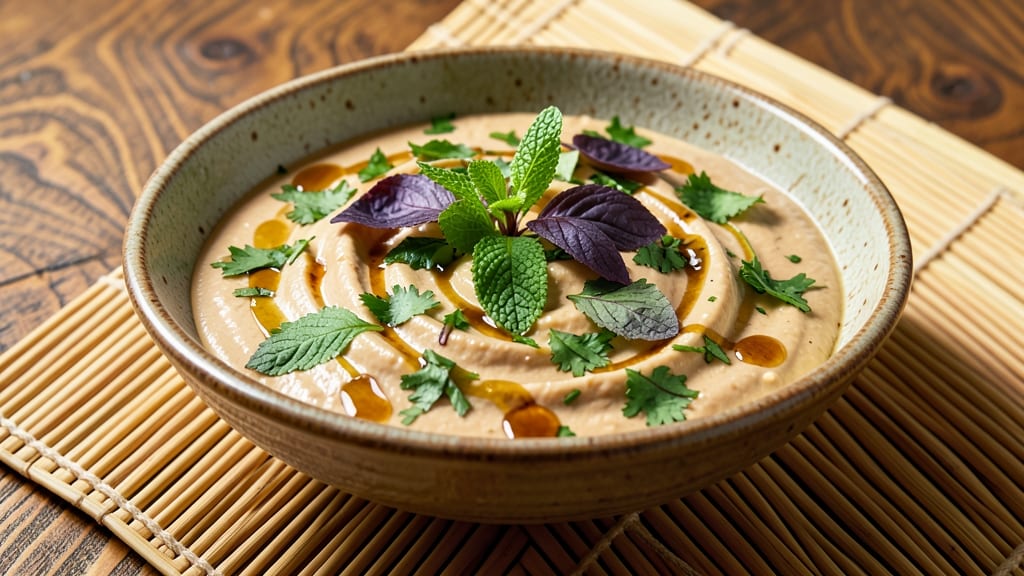
This Asian chimichurri sauce recipe transforms traditional chimichurri into a bold, nutty, umami-packed sauce that elevates every dish it touches. The perfect fusion of fresh herbs, toasted peanut butter, and aromatic spices creates a vibrant green sauce with texture and depth—no cooking required.
I developed this version after craving something brighter than classic chimichurri but still packed with herbaceous punch.
What sets this sauce apart is the balance of textures and flavors: creamy peanut butter for richness, sesame oil for nutty warmth, and a touch of rice vinegar for brightness.
The herbs—cilantro, Thai basil, and mint—bring freshness while chili flakes add subtle heat. Unlike traditional chimichurri, this version stays luscious even after refrigeration, making it ideal for meal prep.
Ready in just 10 minutes, this sauce pairs beautifully with grilled meats, noodles, or tofu—its nutty crunch and umami zing cut through rich flavors while adding complexity.
The secret lies in the fresh herbs and proper blending technique, ensuring every bite delivers that perfect balance of tang, spice, and richness.
Store it in an airtight container for up to 5 days, and trust me—you’ll reach for this sauce again and again. Whether drizzled over steaming ramen or tossed with seared scallops, it transforms simple dishes into restaurant-worthy creations.
Ingredients for asian chimichurri sauce
Herbs, peanut butter, and zesty lime collide in this vibrant Asian-inspired sauce—no cooking needed.
| Ingredient | Amount | Notes |
|---|---|---|
| Fresh Cilantro Leaves 🌿 | 1 ½ cups | Stems removed for cleaner texture |
| Thai Basil Leaves 🌿 | ½ cup | Bright green, not wilted |
| Fresh Mint Leaves 🍃 | ¼ cup | Lightly bruised for aroma release |
| Creamy Peanut Butter 🥜 | ½ cup | Natural, no added sugar |
| Toasted Sesame Oil 🫒 | 1 tbsp | For nutty aroma depth |
| Rice Vinegar 💧 | 1 ½ tbsp | Unseasoned for pure tang |
| Fresh Lime Juice 🍋 | 2 tbsp | Zest included for brightness |
| Red Chili Flakes 🌶️ | 1 tsp | Adjust for heat preference |
| Garlic Cloves 🧄 | 3 cloves | Minced for subtle punch |
| Ginger Root 🧅 | 1 tsp | Freshly grated, zesty kick |
| Honey 🍯 | 1 tbsp | Balances acidity naturally |
| Diamond Crystal Kosher Salt 🧂 | ½ tsp | Fine grain for even seasoning |
The herbs are the heart of this sauce, so farmers markets or Asian grocery stores are your best bet for fresh Thai basil and mint—both should smell vibrant, not musty. Costco often carries large bunches of cilantro at a great price, but if you grab it from the regular produce section, pick the brightest stems. For the peanut butter, Smucker's Natural or Crazy Richard's are my go-tos—they're creamy but not overly sweet. Toast your sesame oil in a dry pan for 30 seconds before adding to the mix; that extra nutty aroma makes all the difference. And don't skip the lime zest—it adds a citrusy brightness that balances everything perfectly.
No Thai basil? Regular basil or even parsley will work in a pinch, though the flavor won't be identical. Out of peanut butter? Almond butter or tahini are great swaps, though the texture will be slightly different. Rice vinegar hard to find? Apple cider vinegar at half the amount works, but you'll lose some of that delicate sweetness. For the heat, gochujang or sriracha can replace chili flakes (start with 1/2 tsp and adjust). Fresh ginger not an option? Ground ginger at one-third the amount is fine, but it won't have the same zing. And if you're watching sugar, maple syrup can replace the honey one-for-one.
This sauce keeps beautifully—pour a thin layer of sesame oil on top before sealing to preserve that vibrant green color. In the fridge, it stays fresh for 5-7 days, though the texture gets slightly thicker after a day or two. For meal prep, portion into small containers—it's perfect for drizzling over ramen, tossing with grilled tofu, or even mixing into peanut noodle bowls. Freezes for 3 months if you want to make a big batch, but the texture changes slightly after thawing. Always blend it again after refrigerating to restore that silky consistency.
Why You'll Love This Recipe
- No-Fuss Blender Magic: Honestly, I just toss everything in—cilantro, Thai basil, mint, peanut butter, a splash of lime—and pulse. No chopping, no straining, no mess. The blender does all the work while I sip my coffee.
- Umami Bomb Combo: That creamy peanut butter meets toasted sesame oil? It’s like a flavor explosion. The herbs brighten it up, but the peanut butter ties everything together with this rich, nutty warmth that sticks to every bite.
- Instant Upgrade Bowl: Drizzle it over grilled chicken, toss with noodles, or slap it on a sandwich. It turns basic meals into something special without extra effort. My lazy Sundays just got a major glow-up.
- Makes Leftovers Look Smart: Between us, this sauce actually tastes better the next day. The flavors meld even more, and I’ve got enough to jazz up lunches for the week. No sad leftovers here—just happy second meals.
Step-by-step instructions for Asian chimichurri sauce
This vibrant sauce comes together in minutes with bold, contrasting flavors.
Prep the Fresh Herbs and Aromatics
Start by removing stems from the 1.5 cups fresh cilantro leaves and 0.5 cup Thai basil leaves, then roughly chop them into small pieces—about ¼-inch chunks. The mint leaves (0.25 cup) should be torn by hand rather than chopped to preserve their delicate texture. Lightly bruise them between your palms to release their aroma without crushing.
In a separate small bowl, finely mince the 3 cloves garlic and grate the 1 tsp ginger root using a microplane or fine grater. The goal is to create a paste-like consistency that will blend seamlessly into the sauce. I like to press the garlic through a garlic press for even distribution—no clumps here.
Whisk Together Wet Ingredients
In a medium bowl, combine the 0.5 cup creamy peanut butter, 1 tbsp toasted sesame oil, 1.5 tbsp rice vinegar, 2 tbsp fresh lime juice, 1 tbsp honey, 1 tsp red chili flakes, and 0.5 tsp Diamond Crystal kosher salt. Use a whisk or fork to break up any peanut butter lumps until the mixture is completely smooth and emulsified.
This is where the magic happens—the peanut butter provides richness, while the vinegar and lime cut through its density. The honey balances the acidity, creating a perfect harmony of sweet, tangy, and umami flavors. If the mixture looks too thick, add 1 teaspoon of warm water to help it come together.
Combine and Pulse for Perfect Texture
Add the chopped herbs, minced garlic, and grated ginger to the wet ingredients. Using a food processor or high-powered blender, pulse the mixture in 3-4 bursts until it reaches a chunky, vibrant green consistency. You want some texture—this isn’t a smooth sauce. If using a mortar and pestle, crush everything together until the herbs are finely chopped but still retain some bite.
Taste and adjust seasoning if needed. If the sauce is too tangy, add a touch more honey. If it lacks heat, sprinkle in an extra pinch of chili flakes. The sauce should be bright, slightly spicy, and deeply aromatic—like a cross between a Thai peanut sauce and a fresh chimichurri.
Rest and Serve for Maximum Flavor
Transfer the sauce to a clean jar or airtight container and let it rest at room temperature for at least 15 minutes before serving. This allows the flavors to meld and deepen. The peanut butter will soften slightly, and the herbs will release even more of their vibrant aroma.
This sauce is incredibly versatile—drizzle it over grilled meats, toss it with noodles, or use it as a marinade for tofu. It keeps well in the refrigerator for up to 5 days, though I find it’s best enjoyed fresh. For extra crunch, top with toasted peanuts or sesame seeds just before serving.
Pro Tips For Making Asian Chimichurri Sauce
- STACK THE HERBS: Mix cilantro and Thai basil first—let them sit for 2 minutes before adding mint. This prevents the mint’s sharpness from overpowering the peanutty base right away (I learned this after making a batch where the mint dominated and ruined the balance).
- PULSE DON’T BLITZ: Use quick pulses in a food processor—3-4 seconds at a time—until just combined. Over-blending turns creamy peanut butter into a paste, killing the sauce’s texture. Pause and scrape the bowl every 15 seconds to keep things even.
- TOAST THE SESAME FIRST: Heat 1 teaspoon of sesame oil in a dry pan for 30 seconds until it smells nutty and fragrant. Let it cool, then add it to the sauce—this depth of flavor can’t be replicated with untoasted oil. (Yes, it’s an extra step, but it’s the thing that makes the sauce taste professional.)
- SALT THE PEANUT BUTTER: Add a pinch of salt (about ¼ teaspoon) to the creamy peanut butter before blending. Unsalted peanut butter can taste flat in this sauce, and it’s easier to adjust than fixing an overly salty final product. Trust me, you’ll notice the difference.
Dietary considerations for this dish
Gluten-Free Adaptations
This sauce is naturally gluten-free as long as you use certified gluten-free peanut butter and check your rice vinegar label. I always double-check Smucker's Natural peanut butter for cross-contamination warnings, but their standard line is safe.
For extra caution, opt for Crazy Richard's or 365 by Whole Foods brands, which clearly label gluten-free products. The sesame oil and lime juice are inherently safe, so no substitutions are needed here. 🌱
Nut-Free Substitutes
If you're avoiding nuts due to allergies, swap the peanut butter for tahini (sesame paste) or sunflower seed butter for a similar creamy texture. I've tested both in this recipe—tahini adds a deeper nutty flavor, while sunflower seed butter keeps it neutral.
Use the same ½ cup measurement and adjust the sesame oil to 1.5 tbsp total (1 tbsp toasted + ½ tbsp extra). The sauce will still have that rich, velvety quality without the peanut element. 🥜
Dairy-Free and Vegan
This sauce is already 100% plant-based, making it perfect for vegan diets. The peanut butter provides all the richness without any dairy, and all other ingredients are naturally vegan.
For an extra boost, add 1 tsp miso paste to deepen the umami flavor—just stir it in during the final blending step. The miso adds complexity that pairs beautifully with grilled tofu or veggie stir-fries. 🌱
Low-Sugar Options
To reduce sugar content, replace the 1 tbsp honey with 1 tbsp maple syrup or ½ tsp stevia extract> (adjust to taste). I've found that maple syrup maintains the sauce's balance better than artificial sweeteners.
For even lower sugar, omit the honey entirely and increase the lime juice by 1 tsp>—the extra acidity helps balance the peanut butter's richness. Always taste as you go, as sugar preferences vary widely. 🍯
Spice-Free Version
For those sensitive to heat, simply omit the 1 tsp red chili flakes entirely. The sauce will still have vibrant flavor from the ginger and lime. If you want subtle warmth without spice, add ½ tsp ground white pepper> or ¼ tsp ground coriander>—both add depth without heat.
This milder version works beautifully with delicate fish dishes or cucumber salads where you want flavor without spiciness. 🌶️
Storage for Dietary Needs
When storing this sauce for dietary purposes, always use glass containers> to avoid potential cross-contamination with nuts or gluten. For nut-free kitchens, I recommend labeling containers clearly.
The sauce's acidity from vinegar and lime helps preserve it longer, so it stays fresh for 7 days> in the fridge when stored properly. For freezer storage, portion into ice cube trays**>—each cube makes a perfect single-serving addition to meals. 🧊
Nutrition facts
Frequently asked questions
Can I make this sauce without a food processor?
Use a mortar and pestle or a sharp knife to finely chop the herbs and garlic, then whisk everything together in a bowl. For best texture, pulse the peanut butter and wet ingredients first to create a smooth base, then fold in the chopped herbs. The sauce will have slightly more texture but still pack all the bold flavors.
How does this differ from traditional chimichurri?
Traditional chimichurri uses olive oil, parsley, and red wine vinegar for a bright, herby sauce, while this Asian version swaps in peanut butter, sesame oil, and rice vinegar for nutty umami depth. The Thai basil and mint add tropical brightness, and the ginger-chili combo brings warmth instead of the classic garlic-heavy flavor. Think of it as a fusion sauce with both freshness and richness.
What's the best way to thin this sauce if it's too thick?
Start with 1 teaspoon of warm water (not cold) and whisk it in gradually until you reach your desired consistency. If it's still too thick, add ½ teaspoon more at a time. For a smoother texture, strain through a fine-mesh sieve after thinning. The sauce should coat the back of a spoon but still be pourable—not watery.
Can I use dried herbs instead of fresh?
Fresh herbs are ideal for maximum aroma, but if you must use dried, reduce the amount by ⅓ (e.g., ½ cup fresh cilantro = 2 tbsp dried). Toast the dried herbs lightly in a dry pan for 30 seconds to enhance their flavor. The texture will be less vibrant, but the taste will still be delicious. For best results, combine with 1 tbsp extra lime juice to compensate for lost brightness.
What are the best proteins to pair with this sauce?
This sauce shines with grilled chicken, pork belly, or tofu, but it also works beautifully with seared scallops, shrimp, or even cold noodles. For extra flavor, marinate proteins in the sauce for 15-30 minutes before cooking. The peanut butter's richness complements fatty meats, while the lime and herbs cut through delicate seafood. Try it on ramen or pho for a next-level bowl!