
Sauces & Condiments
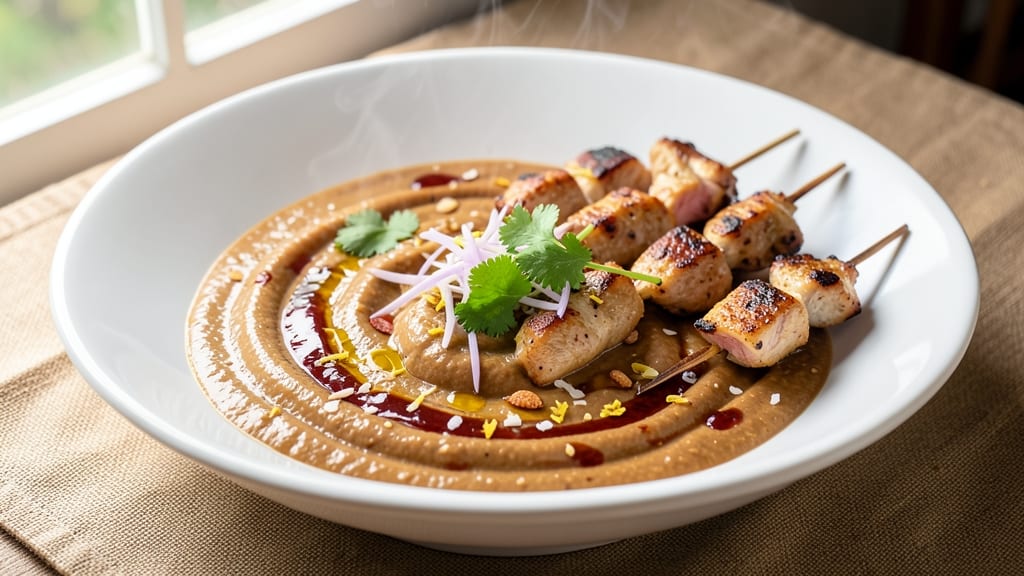
This Bali peanut sauce recipe transforms simple pantry staples into a velvety, aromatic condiment that elevates every dish it touches. The secret lies in balancing rich peanut butter with tangy tamarind and savory soy sauce, creating a sauce that's equally at home drizzled over grilled chicken or stirred into noodles.
I developed this version after years of experimenting with Southeast Asian flavors—it's the one that finally delivers that perfect harmony of sweet, salty, and umami in every bite.
The beauty of this sauce is its versatility and simplicity. With just 10 minutes of active prep (plus blending time), you'll have a smooth, creamy sauce that keeps well for up to a week in the fridge.
The key technique is tempering the peanut butter with warm coconut milk to prevent graininess, ensuring that silky texture we all love. Unlike store-bought versions, this recipe lets you control the sweetness and spice levels exactly to your taste.
What makes this sauce truly special is how it transforms ordinary meals into something extraordinary. Imagine crispy satay skewers glistening under a rich peanut glaze, or steamed jasmine rice topped with this sauce and fresh herbs.
The sauce's natural stickiness clings beautifully to both proteins and vegetables, making every bite more flavorful. It's the kind of condiment that turns simple weeknight dinners into restaurant-worthy experiences.
Once you try this recipe, you'll never go back to bottled versions. The combination of toasted peanut butter, fragrant coconut milk, and bright tamarind creates layers of flavor that are impossible to resist.
Best of all, it's a one-bowl recipe that comes together quickly, making it perfect for meal prep or last-minute sauce needs. Let's get blending!
Ingredients for bali peanut sauce
Pantry staples meet bold flavors in this silky, aromatic sauce that transforms ordinary meals into extraordinary ones.
| Ingredient | Amount | Notes |
|---|---|---|
| Smooth Peanut Butter 🥜 | ½ cup | Natural, unsweetened preferred |
| Coconut Milk 🥥 | 1 can | Full-fat for creaminess |
| Tamarind Paste 🍯 | 2 tbsp | Adjust for tanginess |
| Soy Sauce 🥢 | 2 tbsp | Light or dark preferred |
| Maple Syrup 🍁 | 1 ½ tbsp | For natural sweetness |
| Lime Juice 🍋 | 1 tbsp | Freshly squeezed |
| Garlic Cloves 🧄 | 3 cloves | Minced for depth |
| Fresh Ginger 🌿 | 1 tbsp | Grated, aromatic zing |
| Red Chili Flakes 🌶️ | 1 tsp | Adjust for heat |
| Sesame Oil 🫒 | 1 tsp | Toasted aroma |
The peanut butter is the heart of this sauce—natural, unsweetened varieties work best, but any smooth peanut butter will do. For the tamarind paste, Trader Joe's or Asian markets carry the best quality in small jars. If you can't find tamarind paste, substitute lime juice plus a pinch of sugar for brightness. The coconut milk should be full-fat for that luscious texture—canned brands like Thai Kitchen are perfect. Fresh ginger and garlic are non-negotiable for that authentic zing, but if you're in a pinch, powdered ginger at half the amount will work in a bind.
No tamarind paste? Lime juice plus a teaspoon of sugar mimics the tang, though it won't be identical. Want more depth? Add a dash of fish sauce (if not vegetarian) or extra soy sauce for umami. The maple syrup can be swapped for honey or agave, but maple has that perfect caramel note. Red chili flakes can be replaced with sriracha or cayenne—just taste as you go. Sesame oil is key for that nutty aroma, but if you're avoiding it, toasted sesame seeds sprinkled on top work beautifully. The garlic and ginger should be freshly grated or minced for maximum punch.
This sauce keeps beautifully—up to 1 week in the fridge, sealed tightly in an airtight jar. For longer storage, freeze in ice cube trays for easy single-use portions. The texture thickens as it chills, so stir in a splash of warm water if it gets too stiff. I always make a double batch—one for immediate use and one to stash in the freezer. The flavors actually improve after a day or two as everything melds together. Perfect for drizzling, dipping, or tossing!
Why You'll Love This Recipe
- Pantry Magic: I swear by this sauce—no fresh herbs, no fancy prep, just five ingredients you’re probably already keeping. That tamarind paste? It’s the secret weapon—tangy, deep, and cuts through the richness of the peanut butter like a dream.
- Sweet-Savory Balance: First sip, and you’re in Bali. The maple syrup and soy sauce team up for this perfect harmony—sweet but not cloying, salty but not overpowering. Honestly, I’ve made peanut sauces before, but this one? It sticks.
- Dip, Drizzle, Repeat: Slather it on grilled chicken, toss it with noodles, or just eat it straight with crackers. (Yes, I’ve done that.) It’s my go-to for lazy weeknights, potlucks, or when I need to impress someone without actually cooking.
- Makes a Month’s Worth: A single batch stretches for ages—drizzle it over veggies for lunch, use it in stir-fries, or freeze half for when you’re too tired to think. Between us, I’ve had this sauce last me three weeks, and it’s still ridiculously good.
Step-by-step instructions for Bali peanut sauce
This vibrant, aromatic sauce delivers the perfect harmony of nutty richness and tangy brightness—ideal for stir-fries, noodles, or drizzling over grilled meats.
Toast the Aromatics for Depth of Flavor
Heat a small saucepan over medium-low heat and add the 1 tsp sesame oil. Once the oil shimmers, add the 3 minced garlic cloves and 1 tbsp grated fresh ginger. Cook for 1-2 minutes until the garlic becomes fragrant and just begins to turn golden—this prevents bitterness while building aromatic complexity.
Here's the thing—don't walk away. Garlic burns in seconds, and you want that sweet, nutty aroma, not harshness. The ginger should soften slightly but retain its texture. Remove from heat immediately after you smell that irresistible garlic scent, and set aside. This quick toasting step is what transforms ordinary peanut sauce into something extraordinary.
Simmer the Base Ingredients
In a clean saucepan, combine the 0.5 cup smooth peanut butter and 1 can coconut milk. Warm over medium heat for 3-4 minutes, stirring constantly until the peanut butter melts completely and the mixture becomes smooth. You'll see the peanut butter transform from grainy to velvety—this is your signal it's ready for the next ingredients.
Add the 2 tbsp tamarind paste and 2 tbsp soy sauce, stirring to dissolve the tamarind completely. The sauce should begin to thicken slightly as the tamarind's tangy acidity reacts with the coconut milk. If you notice any lumps, whisk vigorously to achieve a completely smooth texture. This is where the sauce develops its signature tangy-sweet balance that makes it so addictive.
Build the Sauce with Sweet and Spicy Elements
Return the toasted garlic-ginger mixture to the saucepan and stir in the 1.5 tbsp maple syrup and 1 tbsp lime juice. Bring to a gentle simmer over medium-low heat, then reduce to the lowest setting possible while maintaining a steady simmer. Cook for 5-7 minutes, stirring occasionally, until the sauce thickens to a glossy consistency that coats the back of a spoon.
This is the moment that matters: the sauce should be thick enough to cling to noodles or meats but still flow smoothly. If it thickens too much, add 1-2 tablespoons of water to reach your desired consistency. Taste and adjust—you might want to add a pinch more red chili flakes for heat or a splash more lime juice for brightness. The sauce should sing with both sweet and spicy notes, ready to elevate any dish.
Finish with Heat and Texture
Remove the sauce from heat and stir in the 1 tsp red chili flakes. Let it steep for 1-2 minutes to infuse the heat throughout the sauce. The chili flakes should disperse evenly, adding both visual appeal and a subtle kick. For an extra layer of texture, I like to finish with a drizzle of toasted sesame oil—just enough to enhance the nutty aroma without overpowering the other flavors.
Real talk: this sauce tastes even better after it's had time to meld. Let it sit at room temperature for 15-20 minutes before using, allowing the flavors to fully develop. The peanut butter will continue to soften, the coconut milk will mellow, and the tamarind's tang will integrate perfectly. Store any leftovers in an airtight container in the refrigerator for up to 5 days, though I doubt it'll last that long in your kitchen.
Pro Tips For Making Bali Peanut Sauce
- STIR CONSTANTLY AT FIRST: The first 2 minutes of simmering are where the peanut butter and coconut milk play hide-and-seek. If you walk away, you’ll end up with a lumpy, greasy mess—no amount of whisking later will fix it. Keep that spoon moving until everything blends smoothly (yes, even if you’re impatient like me).
- DILUTE TAMARIND PASTE: Tamarind paste is thick enough to glue your fingers together. Before adding it to the sauce, mix it with 2 tablespoons of warm water first—this cuts the clumping and lets the tang distribute evenly. I learned this the hard way after scraping globs off my teeth.
- SALT THE SOY SAUCE: Store-bought soy sauce already packs salt, and if you add the full tablespoon straight from the bottle, your sauce will taste aggressively salty. Taste it first, then adjust—sometimes you only need half. Trust me, your future self will thank you when the sauce isn’t a flavor bomb.
- TOAST THE PEANUTS FIRST: Skip the jarred peanut butter and toast ½ cup of peanuts in a dry pan for 3–4 minutes until fragrant. Grind them fresh—this adds depth the store-bought version can’t match. (Does it take 5 extra minutes? Yes. Worth it? Absolutely.)
Best sauces and condiments for this dish
Peanut Sauce for Satay
This sauce is the perfect match for grilled satay skewers, where its rich, nutty depth complements the smoky char of the meat. Drizzle it over the finished skewers and sprinkle with crushed peanuts and fresh cilantro for texture and freshness.
The sauce's natural stickiness clings beautifully to the meat, making every bite more flavorful. I like to serve it with steamed jasmine rice and quick-pickled cucumbers to balance the richness. 🥜
Noodle Bowl Upgrade
Transform simple noodle bowls into restaurant-quality meals with this sauce. Toss it with cooked rice noodles, grilled chicken or tofu, and steamed vegetables like bell peppers and snap peas.
The sauce's tangy-sweet profile cuts through the richness of fried noodles, while its creamy texture coats every strand. For extra depth, add a drizzle of chili oil before serving. 🍜
Dipping Sauce for Spring Rolls
This sauce is a game-changer for spring rolls or lumpia. Its balanced flavors make it the ideal dip, offering both sweetness and heat to complement the crispy exterior and fresh fillings. Serve it warm or at room temperature—it works equally well.
For a quick prep, double the recipe and keep it on hand for impromptu appetizers. The sauce's natural stickiness makes it perfect for dipping, ensuring every bite is flavorful. 🥢
Grilled Meat Glaze
Use this sauce as a finishing glaze for grilled chicken, pork, or shrimp. Brush it on during the last 2-3 minutes of cooking to create a caramelized crust. The heat from the grill enhances the sauce's flavors, making it even more aromatic.
Pair it with grilled pineapple slices for a sweet-and-savory contrast that’s perfect for summer meals. 🔥
Vegetable Stir-Fry Sauce
Add this sauce to stir-fried vegetables like broccoli, carrots, and bok choy for a nutty, umami-rich finish. The sauce's creamy texture coats the veggies beautifully, while its tangy brightness balances the earthiness of the vegetables.
Toss in tofu or tempeh for added protein, and finish with sesame seeds for crunch. It’s a quick and satisfying weeknight meal. 🌱
Breakfast Bowl Topping
Elevate your morning routine with this sauce as a topping for avocado toast, scrambled eggs, or oatmeal. Its rich, nutty flavor pairs surprisingly well with breakfast staples, adding a savory twist.
Drizzle it over toasted coconut flakes and fresh mango chunks for a tropical-inspired breakfast bowl. The sauce’s versatility makes it a great way to start your day with bold flavors. 🍳
Nutrition facts
Frequently asked questions
Can I make this sauce without tamarind paste?
Yes! If you can't find tamarind paste, substitute with 1.5 tbsp lime juice plus 1 tsp sugar to mimic the tangy-sweet balance. For extra depth, add a pinch of fish sauce (if not vegetarian) or a splash of rice vinegar. The sauce will still taste delicious—just slightly less complex.
How do I prevent the sauce from getting grainy?
Graininess happens when peanut butter doesn't melt smoothly. First, use warm (not hot) coconut milk to temper the peanut butter. Stir constantly while heating, and if lumps appear, whisk vigorously or blend briefly with an immersion blender. For extra silky results, strain the sauce through a fine-mesh sieve before serving.
Can I adjust the spice level?
Start with the 1 tsp red chili flakes as written, then taste and adjust. For more heat, add ½ tsp cayenne or 1 tsp sriracha. For milder sauce, reduce or omit the chili flakes entirely—it’ll still taste amazing with just the other flavors. The lime juice also adds subtle brightness that balances any spice.
How long does this sauce keep, and can I freeze it?
The sauce stays fresh in an airtight container in the fridge for 5-7 days. For longer storage, freeze in ice cube trays or small containers—it’ll keep for 3 months. Thaw overnight in the fridge, then stir in 1 tsp warm water if it thickens too much. The flavors actually improve after chilling as everything melds together!
What’s the best way to use leftover sauce?
Leftover sauce is perfect for drizzling over noodles, grilled meats, or stir-fries. It also makes an incredible dipping sauce for spring rolls or veggie sticks. For a quick upgrade, mix with 1 tsp sesame oil and crushed peanuts before serving. The sauce’s versatility means it’s great for meal prep—just reheat gently to restore its silky texture.