
Sauces & Condiments
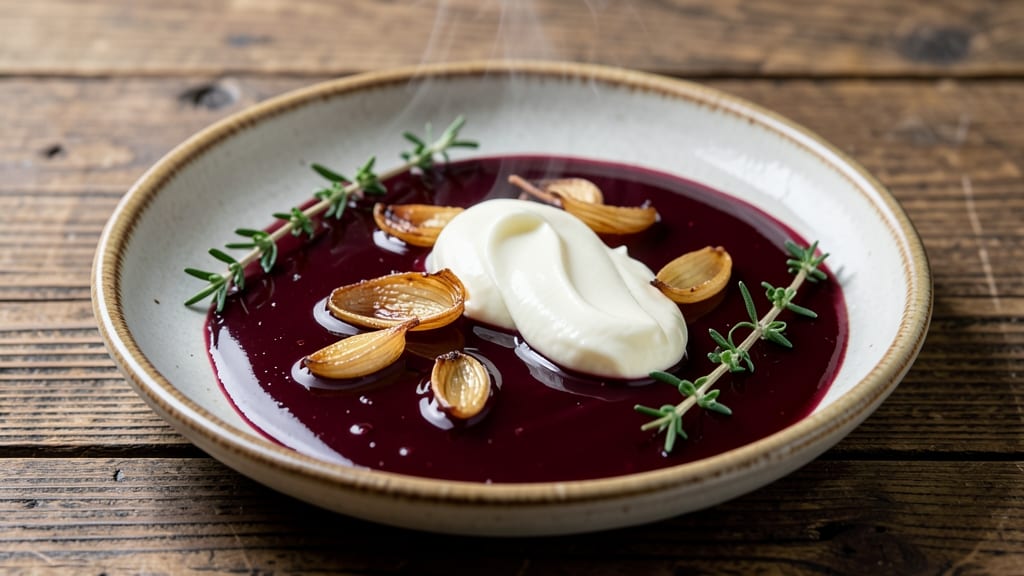
This Armagnac sauce recipe transforms simple ingredients into a luxurious brandied reduction that elevates roasted meats, game birds, and even desserts. The process is straightforward but requires patience—reducing wine, brandy, and butter into a glossy, aromatic sauce that balances sweetness with depth.
I developed this version after years of refining restaurant-style techniques at home, ensuring every spoonful delivers that perfect harmony of caramelized richness and herbal complexity.
The foundation of this sauce lies in its three key components: Armagnac brandy (for its distinctive oak and fruit notes), dry red wine (to build body), and heavy cream (for velvety texture).
The reduction process concentrates flavors while developing a glossy sheen that clings beautifully to meats like duck, venison, or pork. What sets this apart is the optional touch of shallots and thyme—subtle enough to complement without overpowering the brandy’s character.
By the time you’ve finished reducing, you’ll have a sauce that’s rich yet balanced, with a natural sweetness from the caramelized wine and a lingering warmth from the brandy. It’s the kind of sauce that makes a simple roast feel like a gourmet masterpiece.
The best part? It keeps well in the fridge for up to 2 weeks, so you can make a batch ahead for special occasions.
For versatility, adjust the sweet-savory balance by adding a splash of balsamic vinegar or a pinch of sugar—this sauce works equally well as a glaze for roasted vegetables or a drizzle over chocolate desserts. Let’s get started on creating this restaurant-worthy reduction at home.
Ingredients for armagnac sauce
Nine ingredients, one luxurious sauce. The perfect blend of brandy, wine, and herbs for roasted meats.
| Ingredient | Amount | Notes |
|---|---|---|
| Armagnac Brandy 🍷 | ½ cup | High-quality, aged minimum 5 years |
| Dry Red Wine 🍇 | 1 ½ cups | Bold Cabernet Sauvignon or Merlot |
| Shallots 🧅 | 3 whole | Finely minced for depth of flavor |
| Fresh Thyme 🌿 | ¼ cup | Leaves only, stems removed |
| Unsalted Butter 🧈 | ½ cup | Cold, cubed for glossy finish |
| Heavy Cream 🥛 | ½ cup | Full-fat for velvety texture |
| Granulated Sugar 🍚 | 1 tbsp | Balances acidity in reduction |
| Salt 🧂 | ½ tsp | Diamond Crystal preferred |
| Black Pepper 🌶️ | ¼ tsp | Freshly cracked for aroma |
The Armagnac makes this sauce special—look for aged minimum 5 years at specialty liquor stores or well-stocked markets. Korbel or Barefoot dry red wines work perfectly, but anything bold with good tannins will do. Shallots add subtle sweetness; don't substitute onions—they're too harsh. Fresh thyme is ideal, but if you only have dried, use one-third the amount. For butter, Plugrá or Land O'Lakes unsalted melt beautifully without overpowering.
No Armagnac? Cognac or brandy works in a pinch, though the flavor will differ slightly. Short on red wine? Port wine or even balsamic vinegar can add depth, though the sauce will taste different. The sugar can be adjusted—add half a teaspoon more if you prefer sweeter sauce. For a richer finish, substitute half the heavy cream with crème fraîche. Always reduce the wine and brandy slowly to concentrate flavors—rushing leads to a flat, alcoholic taste instead of rich caramelized notes.
This sauce keeps beautifully—store in an airtight jar in the fridge for up to 2 weeks, or freeze for 3 months. The flavors actually improve with time as the brandy mellows. For serving, gently reheat over low heat—never boil, or it'll separate. A drizzle over roasted duck or venison transforms an ordinary meal into something truly special. Leftovers make an excellent glaze for seared scallops or a drizzle over chocolate mousse.
Why You'll Love This Recipe
- Here’s what sold me: the butter and Armagnac make it decadent, but the shallots and thyme keep it light. Drizzle it over grilled chicken or roasted veggies, and suddenly your weeknight dinner feels like a restaurant dish. (Yes, even on a Tuesday night.) The wine reduces down to a velvety base, so you’re not drowning in calories—just flavor.
- Fewer Ingredients, Bigger Impact: I swear by this—just five things (yes, five) and you’ve got a sauce that tastes like you spent hours simmering. The Armagnac cuts through the richness of the butter while the red wine adds depth without overpowering. It’s the kind of recipe where you measure, pour, and wait—no chopping marathons or last-minute ingredient hunts.
- Rich Without the Guilt: Here’s what sold me: the butter and Armagnac make it decadent, but the shallots and thyme keep it light. Drizzle it over grilled chicken or roasted veggies, and suddenly your weeknight dinner feels like a restaurant dish. (Yes, even on a Tuesday night.) The wine reduces down to a velvety base, so you’re not drowning in calories—just flavor.
- Weeknight to Weekend Hero: This sauce is my go-to for everything. Slather it on steak, toss it with pasta, or use it as a glaze for roasted potatoes. Honestly, I’ve even used it to deglaze a pan after searing meat—less waste, more magic. It reheats like a dream too, so it’s perfect for meal prep without sacrificing taste.
Step-by-step instructions for Armagnac sauce
This rich brandied reduction transforms simple ingredients into a luxurious sauce perfect for roasted meats.
Sauté Shallots Until Translucent
In a medium saucepan, melt the 0.5 cup unsalted butter over medium-low heat. Add the 3 whole shallots that have been finely minced, ensuring even exposure to the butter. Cook for 5-7 minutes, stirring occasionally, until the shallots are completely soft and just beginning to turn golden. You'll know they're ready when they look translucent and their edges start to caramelize slightly.
This gentle cooking process prevents burning while developing the shallots' natural sweetness, which forms the aromatic base of your sauce. Avoid walking away—shallots can go from perfect to burnt in seconds. If they start to brown too quickly, reduce the heat immediately and continue cooking at a lower temperature.
Deglaze with Armagnac and Red Wine
Once the shallots are translucent, increase the heat to medium-high and carefully pour in the 0.5 cup Armagnac brandy. Let it simmer for 1-2 minutes until the alcohol burns off completely—you'll see the liquid reduce by about half and smell the rich brandy aroma developing. Then add the 1.5 cups dry red wine and scrape up any browned bits from the bottom of the pan with a wooden spoon.
This deglazing step captures all the flavorful fond from the pan, creating a deeper, more complex sauce. The Armagnac adds a subtle oakiness that complements the wine's bold fruit notes. Let the mixture bubble gently for 3-4 minutes until it reduces by about one-third, concentrating the flavors. If the sauce starts to stick, add a splash of water to keep it moving.
Add Thyme, Sugar, and Seasonings
Stir in the 0.25 cup fresh thyme leaves, 1 tablespoon granulated sugar, 0.5 teaspoon salt, and 0.25 teaspoon black pepper. Simmer the mixture for 5-7 minutes over medium heat, allowing the thyme to infuse its earthy aroma and the sugar to gently caramelize. You'll notice the sauce darkening slightly and becoming more fragrant—this is where the magic happens.
The sugar balances the acidity of the wine while adding a subtle caramel note. The thyme should be fully incorporated but not overcooked—remove any stems if they float to the top. Taste the sauce at this stage; it should be tangy and well-seasoned, but you'll be adding cream next to round out the flavors.
Finish with Cream for Velvety Texture
Reduce the heat to low and gradually whisk in the 0.5 cup heavy cream. Simmer gently for 3-4 minutes, stirring constantly, until the sauce thickens to a glossy consistency. It should coat the back of a spoon smoothly without being overly thick. If it reduces too quickly, add a splash of water or wine to adjust the texture.
This final step creates the sauce's signature velvety finish. The cream adds richness while mellowing the wine's acidity. Taste and adjust seasoning—you may need a pinch more salt or pepper to balance the flavors. The sauce should be harmonious, with bright wine notes, brandy depth, and thyme aroma.
Strain and Serve Warm
Remove the sauce from heat and strain it through a fine-mesh sieve into a clean saucepan to remove any thyme stems or shallot bits. Return the sauce to low heat and keep it warm until ready to serve. This sauce is best used immediately, but it can be reheated gently on the stovetop if needed.
Serve the Armagnac sauce over roasted meats like duck, lamb, or beef, or drizzle it over mashed potatoes for an elegant touch. The sauce's depth of flavor makes it a showstopper—each spoonful delivers layers of brandy, wine, and herb notes that elevate any dish. Store any leftovers in an airtight container in the refrigerator for up to 3 days, reheating gently before serving.
Pro Tips For Making Armagnac Sauce
- Sweat Shallots Slow: Don’t rush the shallots—low heat for 8-10 minutes until they’re translucent and just starting to soften. I learned this the hard way: burning them turns the sauce bitter, and no amount of Armagnac can fix that.
- Deglaze with Wine: After cooking the shallots, splash in the red wine immediately while the pan is still hot—this lifts all the browned bits (fond) and builds flavor. Skip this, and your sauce will taste flat, no matter how much Armagnac you add.
- Reduce Alcohol Fully: Let the Armagnac simmer uncovered until the alcohol burns off completely—about 3-4 minutes. I used to pour it in and stir, thinking it was fine, but the lingering boozy taste ruined the dish every time.
- Butter in Stages: Whisk in the butter one tablespoon at a time while the sauce reduces, ending with a final dollop to emulsify. This keeps the sauce silky instead of separating—trust me, your future self will notice the difference.
Make-ahead tips for this recipe
Make-Ahead Mastery
This sauce actually tastes better the next day! After making it, let it cool completely, then transfer to an airtight container (I use Le Creuset glass jars). Store in the fridge for up to 2 weeks—the flavors meld beautifully as the brandy mellows and the wine's acidity softens.
The texture remains velvety if you reheat it gently over low heat with a splash of water or wine to prevent curdling. 💫
Freezer Prep
For longer storage, freeze the sauce in ice cube trays—each cube makes a perfect single serving. Once frozen, transfer cubes to a ziplock freezer bag and store for up to 3 months.
Thaw overnight in the fridge, then reheat on the stovetop over medium-low heat while stirring constantly. Avoid microwaving—it can break the sauce's emulsified texture.
Batch Cooking
Double the recipe when hosting! The sauce keeps well in the fridge, so you can make a big batch for holiday dinners. I like to prepare it 2 days ahead for game birds like duck or venison—this gives the flavors time to develop fully. Just
Reheating Secrets
Never reheat Armagnac sauce on high heat—it'll curdle or lose its glossy sheen. Instead, warm it in a lightly oiled saucepan over low heat, stirring frequently. If it thickens too much, add 1-2 teaspoons of water or wine to restore the perfect consistency. For a quick fix, microwave it in 20-second bursts on low power, then stir vigorously to re-emulsify.
Sauce Versatility
Use your pre-made sauce in unexpected ways! Drizzle it over seared scallops or roasted Brussels sprouts for a gourmet touch. Fold it into mashed potatoes for a rich, brandy-infused twist.
Even a spoonful stirred into vanilla ice cream creates a decadent dessert—just reduce the sugar slightly if using it this way. The possibilities are endless! ✨
Travel-Friendly Tips
Pack the sauce in a thermos for picnics or tailgates—it stays warm and creamy for hours. If you're transporting it for a meal, keep it in a wide-mouth mason jar with a tight lid to prevent spills.
For cold dishes, chill it in an insulated cooler with ice packs. The sauce's rich texture holds up beautifully in transit, making it perfect for outdoor entertaining.
Nutrition facts
Frequently asked questions
Can I substitute Armagnac with another brandy?
Yes, but expect subtle flavor differences. Use Cognac or high-quality brandy (like Elijah Craig) in equal amounts. Armagnac's distinctive oak and fruit notes come from its French grape varieties and aging process—substitutes will have more neutral profiles. For a closer match, look for brandies aged at least 3 years.
How do I fix a sauce that's too thick or separated?
For thickness, whisk in 1-2 teaspoons of warm water or wine until smooth. If separated, gently reheat over low heat while whisking constantly—this helps re-emulsify the cream and butter. Never boil, or the sauce will curdle permanently. A splash of cold cream can also help restore the velvety texture.
What's the best way to store leftovers?
Transfer to an airtight container and refrigerate for up to 2 weeks. For longer storage, freeze in ice cube trays (thaw in fridge overnight). Always reheat gently over low heat, adding a splash of water or wine if needed. The sauce's flavors actually improve with time as the brandy mellows!
Can I use this sauce for desserts?
The brandy and wine notes pair beautifully with chocolate desserts. Reduce the sugar slightly (½ teaspoon less) and drizzle over warm chocolate mousse, crème brûlée, or even vanilla ice cream. For a savory-sweet twist, use it as a glaze for caramelized pears or roasted figs.
Why does my sauce taste too alcoholic?
This happens when the alcohol doesn't fully reduce. Always simmer the Armagnac for 1-2 minutes until you smell the brandy aroma (not a raw alcohol scent). If needed, reduce the wine mixture by an additional 5-7 minutes to concentrate flavors. A pinch of sugar helps mask any lingering alcohol notes while balancing acidity.