
Sauces & Condiments
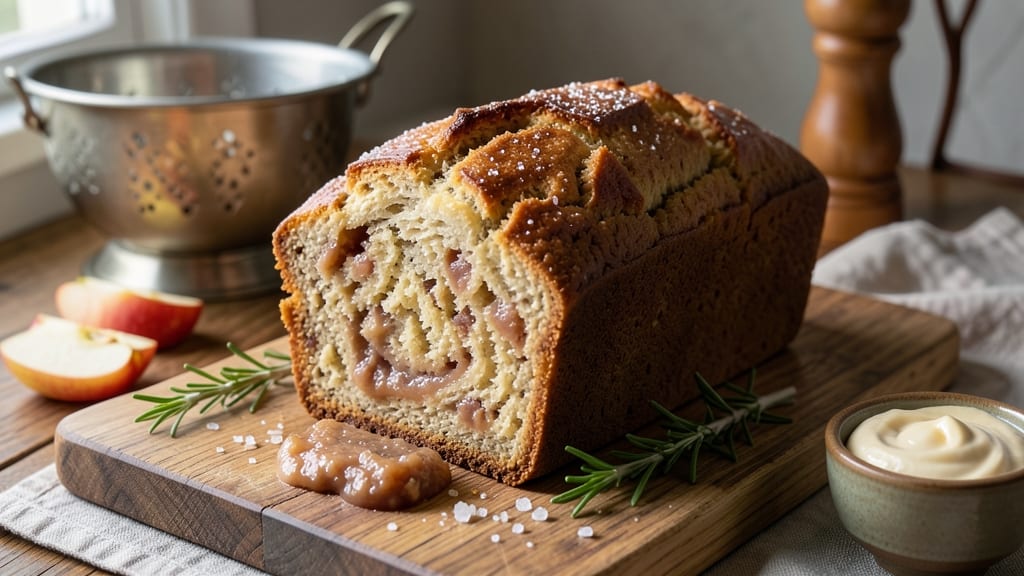
This applesauce loaf bread recipe delivers the perfect balance of tender crumb and sweet-tangy swirls that make every slice irresistible. 💛 The secret lies in using unsweetened applesauce to keep the bread moist without adding excess sugar, while a cranberry swirl adds bursts of fruity brightness.
I developed this recipe after years of testing variations, and it consistently produces a loaf with a soft, pillowy texture that stays fresh for days.
The warm spice notes from cinnamon and nutmeg complement the applesauce beautifully, creating a flavor profile that feels both comforting and sophisticated. Unlike many quick bread recipes, this one requires a bit of patience—kneading and proofing ensure a light, airy texture that's impossible to achieve with shortcuts.
The result is a loaf that's perfect for breakfast, snacks, or even as a dessert when paired with a dusting of powdered sugar.
What sets this recipe apart is its foolproof method for achieving that signature moist crumb without drying out. The applesauce replaces some of the fat, keeping the bread tender while the swirl of cranberry compote adds a pop of color and flavor.
Baking at the right temperature ensures a golden crust and even rise, while the internal thermometer guarantees perfect doneness every time.
Once baked, this loaf stays fresh for up to five days when stored properly, making it ideal for meal prep or gifting. Whether you're serving it warm with butter or saving slices for toast, the combination of moist texture and balanced sweetness makes it a standout in any bread basket.
Ingredients for applesauce loaf bread
These 14 ingredients transform into a moist, spiced loaf with fruity swirls—perfect for breakfast or dessert.
| Ingredient | Amount | Notes |
|---|---|---|
| All-Purpose Flour 🌾 | 4 cups | Sifted for light texture |
| Unsweetened Applesauce 🍎 | 1 cup | Unsweetened, unsalted preferred |
| Granulated Sugar 🍚 | ½ cup | Light brown preferred |
| Active Dry Yeast 🍞 | 2 ¼ tsp | 1 packet, warm water activated |
| Whole Milk 🥛 | ¾ cup | Warm for yeast activation |
| Large Egg 🥚 | 1 whole | Room temperature |
| Unsalted Butter 🧈 | ½ cup | Softened, not melted |
| Ground Cinnamon 🌿 | 1 ½ tsp | Freshly ground preferred |
| Ground Nutmeg 🌿 | ½ tsp | Freshly grated for warmth |
| Salt 🧂 | 1 tsp | Diamond Crystal preferred |
| Fresh Cranberries 🍇 | ½ cup | Chopped, for swirl |
| Orange Zest 🍊 | 1 tbsp | From 1 small orange |
| Granulated Sugar 🍚 | ¼ cup | For cranberry swirl |
| Cornstarch 🌾 | 1 tbsp | For swirl thickness |
The applesauce is non-negotiable here—unsweetened and unsalted keeps the bread tender without overpowering flavors. Whole Foods or Trader Joe's carry great options, but any store's unsweetened kind works. For the cranberries, fresh is best—they hold up better than frozen, and the zest from a small orange adds that bright pop. If you're short on time, dried cranberries work in a pinch (soak them first), but fresh gives that juicy burst. The yeast needs to be fresh—test it in warm water (should foam in 5-10 minutes).
No cinnamon? Pumpkin pie spice at half the amount works, but you'll lose some warmth. The nutmeg is key—pre-ground loses potency fast, so buy whole and grind it fresh if you can. Swapping whole milk for almond milk? Use the same amount, but expect slightly denser bread. For the cranberry swirl, cornstarch is your friend—it thickens the compote just enough to cut through the dough cleanly. No cornstarch? Extra sugar plus a splash of water helps, but it won’t be as stable.
This loaf stays fresh for 5 days wrapped in a clean kitchen towel, but it’s best eaten within 2. For longer storage, freeze slices—toast straight from frozen for crispy edges. The cranberry swirl keeps best if you mix it last—store the dough separately and fold in the compote right before baking. Leftovers? Toast with butter or jam—it’s even better the second day when the flavors meld.
Why You'll Love This Recipe
- No-Fuss Mix-In: I swear by this dough—just dump the flour, applesauce, and milk together, let the yeast do its magic, and boom. No kneading, no fuss, and no waiting around for a stiff dough to relax. The applesauce keeps it tender without the hassle of butter or eggs.
- Sweet & Simple: That first bite? Warm, slightly sweet from the applesauce and sugar, with a crust that’s just crisp enough to hold your toast. It’s not overly rich—just good, like a hug for your sandwiches or a quick breakfast on the run.
- Weeknight Workhorse: I make a loaf every Sunday because it’s the ultimate backup plan. Freeze half for lazy mornings or pop it in the toaster when the kids forget their lunch. Even my picky husband grabs seconds—no questions asked.
- Budget Magic: Flour, applesauce, and yeast? Check. Milk? Probably already in your fridge. No specialty ingredients, no markup—just real, reliable bread that costs pennies per slice. And since it keeps well, you’re not scrambling for bread money mid-month.
Step-by-step instructions for applesauce loaf bread
Here's how to make this incredibly moist loaf with that perfect cranberry swirl—every slice will be tender and packed with warm spice flavors!
👨🍳 Step 1: Activate the Yeast and Mix the Dough
In a small bowl, combine the 1 cup unsweetened applesauce with ½ cup warm whole milk (about 110°F) and ½ cup granulated sugar. Sprinkle the 2.25 tsp active dry yeast over the top and let it sit for 5-10 minutes until foamy. This is your yeast activation step—you'll see bubbles forming when it's ready. If it doesn't foam, your yeast might be dead, and you'll need to start over.
In a large mixing bowl, whisk together the 4 cups all-purpose flour, 1.5 tsp ground cinnamon, ½ tsp ground nutmeg, and 1 tsp salt. Make a well in the center and pour in the yeast mixture, the 1 whole large egg, and the ½ cup softened unsalted butter. Mix with a wooden spoon until combined, then turn it out onto a lightly floured surface and knead for 8-10 minutes until smooth and elastic. The dough should be slightly tacky but not sticky—add a little more flour if needed.
🥘 Step 2: Prepare the Cranberry Swirl Filling
While the dough rests, make the cranberry filling. In a small bowl, combine the ½ cup chopped fresh cranberries, 1 tbsp orange zest, ¼ cup granulated sugar, and 1 tbsp cornstarch. Mix well and set aside. This filling will add a bright, tangy contrast to the warm spices in the bread.
Here's the thing—don't skip the cornstarch. It helps thicken the filling so it stays put during baking, giving you those beautiful swirls. If you're using frozen cranberries, thaw and drain them first to prevent a soggy filling.
🍳 Step 3: First Rise and Shape the Loaf
Lightly grease a standard 9x5-inch loaf pan. Place the dough back in the bowl, cover with a damp towel, and let it rise in a warm place for 1-1.5 hours or until doubled in size. A good test is to poke the dough with your finger—if it springs back slowly, it's ready.
Once risen, punch down the dough to release air, then roll it out on a floured surface into a 12x16-inch rectangle about ¼-inch thick. Spread the cranberry mixture evenly over the dough, leaving a ½-inch border around the edges. Starting from the long side, roll the dough tightly into a log, pinching the seam to seal.
🔥 Step 4: Second Rise and Bake to Golden Perfection
Place the loaf seam-side down in the prepared pan. Cover with a damp towel and let it rise for another 30-45 minutes until it's puffy and just about overflowing the pan. Preheat your oven to 350°F while the bread rises—this ensures even baking.
Bake for 50-55 minutes until the top is deep golden brown and the internal temperature reaches 190-200°F. Tap the top—it should sound hollow. If the top browns too quickly, tent with foil to prevent over-browning. The bread is done when it pulls away from the sides of the pan with just a gentle nudge.
⏰ Step 5: Cool and Slice for Maximum Moisture
Remove the bread from the oven and let it cool in the pan for 10 minutes. Then transfer it to a wire rack to cool completely. This resting time is crucial—it allows the steam inside to redistribute, ensuring every slice is moist and tender. If you cut it too soon, the bread will be gummy and dense.
Slice while still warm for the best texture, but let it cool for at least 20 minutes before serving. The aroma of warm spices and applesauce will fill your kitchen—trust me, it's worth the wait. Store leftovers wrapped tightly at room temperature for up to 3 days, or freeze for longer storage.
Pro Tips For Making Applesauce Loaf Bread
- Warm the Milk First: Pour the whole milk into a small saucepan and heat it just until it steams—about 90 seconds. Cold milk kills yeast faster than you’d think, and this tiny step guarantees your dough will rise properly. (I learned this the hard way after a dough that took three hours to puff.)
- Measure Applesauce by Weight: Applesauce varies wildly in thickness—stick to grams (or cups with a kitchen scale) instead of eyeballing. A cup of chunky applesauce weighs less than smooth; your dough’s moisture balance will thank you. (Yes, even if you’re impatient like me.)
- Don’t Overmix the Dough: Mix the dough just until the flour is mostly incorporated—lumps are fine. Overworking it develops gluten, and this bread’s tender crumb will turn tough. Stop when the dough clumps together, then let the mixer do the rest.
- Proof in a Drawer: Place the shaped loaf in a lightly greased drawer (or a bowl) with a damp towel over it. The enclosed space traps heat and humidity, cutting proofing time by 20–30 minutes. (Your future self will thank you—no more waiting an hour for a sad rise.)
Pro cooking tips for perfect results
Yeast Activation
Always test your yeast first—sprinkle it into ¼ cup warm milk (about 110°F) with 1 tsp sugar and wait 5-10 minutes for foamy bubbles. If it doesn’t foam, your yeast is dead, and you’ll need fresh.
I keep a small jar of yeast in my freezer as backup—just thaw it in warm milk before using. The applesauce in this recipe helps activate the yeast faster than water alone, so don’t skip this step even if your yeast is fresh. 🌱
Dough Consistency
The dough should be slightly tacky but not sticky—this ensures a tender crumb. If it feels too dry, add 1 tbsp warm milk at a time. Over-kneading is a common mistake; stop when the dough springs back slowly when poked.
I use a digital kitchen scale to weigh my flour (450g) for consistency, but if you’re measuring by cup, spoon and level it gently. The applesauce replaces some fat, so the dough behaves differently than traditional bread dough. 💡
Swirl Technique
For clean, even swirls, spread the cranberry mixture in a thin layer over the rolled-out dough. Leave a ½-inch border to prevent leaks during baking. Roll tightly from the long side, sealing the seam with a pinch.
If the filling oozes out, your cornstarch-to-sugar ratio is off—reduce sugar by 1 tbsp next time. I like to use a bench scraper to help seal the seam without tearing the dough. ✨
Baking Precision
Use an oven thermometer to confirm your oven reads 350°F—many ovens run 25°F hotter or cooler. Bake until the internal temperature hits 190-200°F and the top is deep golden brown. If the crust browns too fast, tent with foil after 30 minutes.
The bread is done when it pulls away from the pan edges with a gentle nudge. I always tap the bottom—it should sound hollow. 🔥
Cooling Matters
Never slice bread immediately after baking—steam needs 20-30 minutes to redistribute for a tender crumb. For extra moisture, brush warm slices with melted butter or a light honey glaze. Store leftovers in an airtight container with a slice of bread or a paper towel to absorb excess moisture.
The cranberry swirl keeps best if you slice the loaf after it’s fully cooled. 💛
Nutrition facts
Frequently asked questions
Can I substitute applesauce with another fruit puree?
Yes, but results will vary. Try mashed banana (1:1 ratio) for a sweeter flavor, or pumpkin puree (reduce sugar by 2 tbsp) for a spiced twist. Avoid citrus purees—they can interfere with yeast activation. The applesauce's mild sweetness and moisture content are key to that signature tender crumb.
Why did my bread turn out dense instead of light?
This usually happens from one of three things: over-kneading (stop when dough springs back slowly), underproofed yeast (let it rise until doubled), or skipping the resting time after baking. The applesauce also requires precise measurements—use a scale for flour (450g) if possible. Another common mistake is opening the oven door too early during baking.
Can I make this recipe without yeast?
You can try a quick bread version, but texture will differ significantly. Replace yeast with 2 tsp baking powder + 1 tsp baking soda and reduce milk to ½ cup. Expect a denser loaf without the same rise. For best results, stick with the yeast method—the applesauce works beautifully with yeast's natural leavening for that signature lightness.
How do I store leftovers to keep them fresh?
Wrap the cooled loaf in a clean kitchen towel or store in an airtight container with a slice of bread or paper towel to absorb moisture. It stays fresh for 5 days at room temperature. For longer storage, freeze slices (toast straight from frozen) or the whole loaf (thaw overnight). The cranberry swirl keeps best when the bread is fully cooled before slicing.
What's the best way to reheat sliced bread?
Warm slices in a 350°F oven for 5-8 minutes with a sprinkle of water on a baking sheet for steam. For quick reheating, use the microwave (30 seconds) covered with a damp paper towel. Never reheat straight from the fridge—bring to room temperature first. The applesauce makes slices especially prone to drying out when reheated improperly.