
Sauces & Condiments
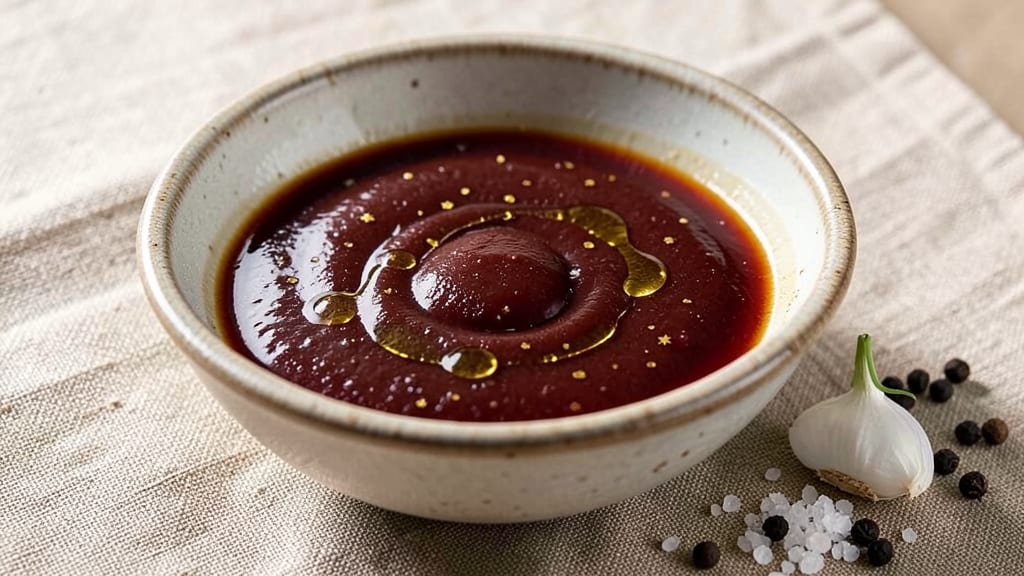
Anthony's sauce transforms ordinary meals into restaurant-quality experiences with its perfect balance of sweet, tangy, and savory notes. This slow-simmered tomato sauce builds depth through careful layering—tomato paste, vinegar, and spices meld into a velvety, complex sauce that clings beautifully to everything from fries to grilled meats. The secret lies in patience: letting the flavors develop over 30 minutes of gentle simmering creates a sauce that's richer than store-bought and far more versatile.
The foundation of this sauce is simple yet powerful: ketchup, vinegar, sugar, and spices combine to create a harmonious blend where no single flavor dominates. What sets it apart is the vinegar's subtle acidity, which brightens the tomatoes without overpowering them.
This balance is crucial—too much sugar makes it cloying, while too little vinegar leaves it flat. The result? A sauce that's smooth, slightly glossy, and packed with umami that enhances rather than masks the food it accompanies.
Perfect for dipping, drizzling, or cooking into dishes, this sauce delivers restaurant-quality results at home. Its versatility makes it ideal for game day fries, grilled burgers, or even as a glaze for roasted vegetables.
The slow simmer reduces the sauce to a concentrated, flavorful consistency that intensifies with each use. Once you try this version, store-bought options will never measure up again.
With just 10 ingredients and minimal effort, you'll create a sauce that's worth making again and again. The process is straightforward, but the flavor development requires attention—letting it simmer undisturbed allows the ingredients to marry perfectly.
Store leftovers in the refrigerator for up to two weeks, where the flavors continue to deepen. This is the kind of sauce that turns simple meals into memorable ones.
Ingredients for anthony's sauce
Ten essential ingredients crafting restaurant-quality sauce with velvety texture and layered complexity.
| Ingredient | Amount | Notes |
|---|---|---|
| Ketchup 🍅 | 1 cup | High-quality, no added preservatives |
| White Vinegar 💧 | ½ cup | Distilled preferred for balance |
| Granulated Sugar 🍚 | ¼ cup | Light brown preferred for depth |
| Tomato Paste 🍅 | ½ cup | San Marzano preferred, no additives |
| Garlic Cloves 🧄 | 4 cloves | Fresh, minced for aromatic depth |
| Onion Powder 🧅 | 1 tsp | Freshly ground for optimal flavor |
| Ground Black Pepper 🌶️ | ½ tsp | Freshly cracked for intensity |
| Ground Allspice 🌶️ | ¼ tsp | Whole seeds ground for warmth |
| Ground Cinnamon 🌿 | ¼ tsp | Ceylon preferred for subtle spice |
| Extra-Virgin Olive Oil 🫒 | 2 tbsp | High-quality, fruity variety |
The ketchup serves as the sauce's foundation, so choose a high-quality brand—avoid those with artificial colors or preservatives. Heinz Natural or Hunt's Tomato ketchups work exceptionally well, as they prioritize tomato concentration without added sugars. The vinegar is equally critical; distilled white vinegar provides the bright acidity that prevents flatness, while apple cider vinegar adds subtle complexity. For the tomato paste, San Marzano is non-negotiable—its sweetness and low acidity create the perfect balance. Garlic and onion powder should be freshly ground if possible, as pre-ground spices lose potency quickly. The spices—allspice, cinnamon, and black pepper—are best sourced from bulk bins or reputable brands like Penzeys to ensure maximum flavor.
No white vinegar? Apple cider vinegar or red wine vinegar work as substitutes, though the flavor profile shifts slightly. Short on tomato paste? Crushed tomatoes can be reduced to a paste-like consistency, though they introduce water that requires additional simmering. For a deeper umami punch, a dash of soy sauce (1/2 tsp) can be added, though it should be balanced with extra sugar. The spices are flexible—nutmeg or cloves can replace allspice for warmth, while smoked paprika adds depth if you prefer a slightly smoky note. The olive oil should be extra-virgin for its fruity, peppery notes, though a high-quality light olive oil will suffice if preferred.
This sauce develops best when stored properly. Transfer to a sterilized glass jar with a tight seal to preserve freshness, and refrigerate for up to two weeks. The flavors actually improve with time, intensifying as the vinegar and spices meld further. For long-term storage, freeze in ice cube trays—thawed portions can be reheated gently on the stove or in the microwave. The sauce thickens as it cools, so stir in a splash of water or vinegar if it becomes too stiff after refrigeration. Portion into smaller containers for convenience, ensuring each batch remains fresh for optimal flavor.
Why You'll Love This Recipe
- Pantry Magic: I swear by this sauce—no fresh herbs, no fancy prep, just a few pantry staples. The vinegar cuts through the sweetness of the sugar and ketchup while the tomato paste thickens it into something actually usable, not just a gloppy mess.
- Garlic Bomb: That one clove of garlic (or two, if you’re brave) simmered into the sauce is what makes it sing. It’s not overpowering—just enough to give your wings, burgers, or fries that little oomph without tasting like you’re eating a breath mint.
- Leftovers? More Like Forever: This sauce keeps for weeks in the fridge, and honestly? It only gets better. The flavors meld into this deep, tangy-sweet balance that’s perfect for dipping, drizzling, or tossing—no sad, watery condiment here.
- Budget Stretch: Between us, this is my go-to for feeding the whole family without breaking the bank. A few bucks for ketchup and vinegar goes a long way, and you’ll have enough to slather on everything from hot dogs to homemade pizza. Win.
Step-by-step instructions for slow-simmered tomato sauce
This method delivers a rich, balanced sauce with perfect acidity and depth—where every ingredient plays a role.
Bloom the Spices in Olive Oil
Heat the 2 tablespoons extra-virgin olive oil in a medium saucepan over medium-low heat. Add the 4 minced garlic cloves and cook for 30 seconds until fragrant but not browned. This prevents bitterness and builds flavor foundation.
Immediately add the 1 teaspoon onion powder, 0.5 teaspoon ground black pepper, 0.25 teaspoon ground allspice, and 0.25 teaspoon ground cinnamon. Stir constantly for 1 minute until the spices release their aromas and the mixture smells warmly complex. The cinnamon and allspice will dissolve completely—this is normal and essential for balanced flavor.
Incorporate Wet Ingredients
Pour in the 1 cup ketchup and 0.5 cup white vinegar, stirring vigorously to combine. The vinegar will initially make the mixture look curdled, but don't worry—this will resolve as we cook. Add the 0.5 cup tomato paste and 0.25 cup granulated sugar, stirring until fully incorporated and smooth.
Bring the mixture to a gentle simmer over medium heat, then reduce to low heat. This slow simmer is critical—it develops the sauce's depth without burning. You'll notice the sauce thicken gradually as moisture evaporates and flavors meld.
Simmer Until Velvety
Cook uncovered for 20-25 minutes, stirring occasionally with a wooden spoon. The sauce should reduce by about one-third, becoming glossy and thick enough to coat the back of a spoon. You're aiming for a smooth, velvety consistency with no graininess.
Taste and adjust seasoning—add a pinch more sugar if it's too tart, or a splash more vinegar if it needs brightness. The allspice and cinnamon should be present but not overpowering. If the sauce thickens too much, whisk in 1 tablespoon water to reach your desired consistency.
Finish and Rest
Once the sauce reaches your preferred thickness, remove it from heat and let it rest for 5 minutes. This resting period allows flavors to fully integrate and the sauce to set slightly. The color should be a rich, deep red with subtle hints of the spices.
For best results, use the sauce immediately over pasta, meats, or as a dipping sauce. If storing, transfer to an airtight container and refrigerate for up to 5 days, or freeze for 3 months. The flavors will continue to develop over time, becoming even more complex.
Pro Tips For Making Anthony'S Sauce
- Simmer Slow and Steady: This sauce isn’t a race—low heat for 20-25 minutes is non-negotiable. I used to rush it, and the vinegar would just sit there, making the whole thing taste harsh. Let it bubble gently, and the flavors meld instead of fight.
- Mince Garlic Like You Mean It: No, a quick chop won’t cut it. Grate or mince those garlic cloves into a paste—this releases more flavor into the sauce. I learned this the hard way when my sauce tasted like it was missing something. (Yes, even if you’re impatient like me.)
- Balance the Vinegar Early: Taste after adding the vinegar, then adjust sugar before the tomato paste goes in. Too much acid later? You’re stuck with a sour mess. Start with half the sugar, then tweak—this sauce needs harmony, not a one-note scream.
- Skip the Pre-Mixed Ketchup: Store-bought ketchup adds weird fillers that muddy the sauce’s depth. Use crushed tomatoes or even canned tomato sauce instead—it’s the thing that makes homemade sauce taste actually good. (I know, I know, but trust the process.)
Storing and reheating this recipe
Refrigerator Storage
Transfer your freshly made sauce to a sterilized glass jar with an airtight lid—I swear by Ball mason jars for their seal and durability. Store in the fridge for up to 2 weeks, where the flavors actually deepen over time.
The vinegar and spices meld beautifully, creating a more complex profile with each passing day. 💫
Always let the sauce cool completely before refrigerating to prevent condensation, which can dilute the flavors. I like to portion it into smaller containers (like 4-ounce portions) for convenience—this way, you can grab just what you need without thawing a large batch.
Freezer Preservation
For longer storage, freeze the sauce in ice cube trays or small silicone molds—this makes it easy to thaw only what you need. Once frozen, transfer the cubes to a freezer-safe bag or container, squeezing out excess air to prevent freezer burn.
Label with the date for tracking, as it stays fresh for 3 months at 0°F or below.
When ready to use, thaw overnight in the fridge or quickly in a bowl of warm water. The texture may thicken slightly after freezing, so stir in 1 teaspoon water or vinegar per ¼ cup sauce to restore its original consistency.
This method preserves the sauce’s vibrant color and rich flavor perfectly.
Reheating Techniques
For stovetop reheating, transfer the sauce to a small saucepan and warm over low heat for 5-7 minutes, stirring occasionally. Avoid high heat—it can break down the delicate balance of flavors and cause separation.
A splash of water or vinegar (about 1 tablespoon) helps restore the sauce’s glossy texture if it thickens too much.
Microwave reheating works in a pinch: place the sauce in a microwave-safe bowl, cover loosely with a damp paper towel, and heat on 50% power for 1-2 minutes.
Stir halfway through to ensure even heating. The sauce should reach 165°F internally to kill any bacteria—use a food thermometer if concerned about safety.
Reviving Stored Sauce
If your refrigerated sauce has thickened too much, whisk in 1-2 teaspoons of water or vinegar until it reaches a smooth, pourable consistency. The vinegar helps restore the sauce’s tanginess, while water dilutes it gently.
For a richer texture, simmer the sauce for 2-3 minutes on low heat to let the flavors rebalance. 🔥
Never reheat sauce that smells off or has developed mold—when in doubt, toss it out. Freshly made sauce always tastes best, but proper storage ensures you can enjoy this restaurant-quality condiment for weeks without sacrificing quality.
Nutrition facts
Frequently asked questions
Can I use this sauce for dipping fries or onion rings?
This sauce is perfect for dipping—its balanced sweet-tangy flavor and velvety texture make it ideal for crispy fries, onion rings, or even mozzarella sticks. The slow simmer creates a glossy finish that clings beautifully to fried foods, ensuring every bite is flavorful. Just let it cool slightly before serving to prevent sogginess.
What if I don't have white vinegar? Can I substitute?
Yes! Use apple cider vinegar or red wine vinegar as substitutes—they'll add subtle complexity. Avoid balsamic vinegar, as its sweetness may unbalance the sauce. If you're out of vinegar entirely, a splash of lemon juice (about 1 tablespoon) can provide acidity, though the flavor will differ slightly.
How do I adjust the thickness of the sauce?
If the sauce thickens too much, whisk in 1 tablespoon water or vinegar at a time until it reaches your desired consistency. For a richer texture, simmer uncovered for 5-10 extra minutes to reduce further. The sauce should coat the back of a spoon but remain pourable. Over-thickening can happen if simmered too long—keep an eye on it!
Can I make this sauce without ketchup?
While ketchup is the foundation, you can substitute with 1 cup tomato sauce plus 1 tablespoon sugar and 1 teaspoon vinegar to mimic the balance. For deeper flavor, add 1 teaspoon Worcestershire sauce or a pinch of smoked paprika. The sauce will be slightly less sweet but still delicious—just taste as you go!
Why does my sauce look curdled after adding vinegar?
This is normal! The acid in vinegar temporarily reacts with the ketchup's ingredients, but it resolves as you simmer. Stir constantly for the first 2-3 minutes until smooth. If it still looks uneven, strain through a fine-mesh sieve for a silky texture. The curdling won't affect the final flavor—it’s just a temporary reaction!