
Sauces & Condiments
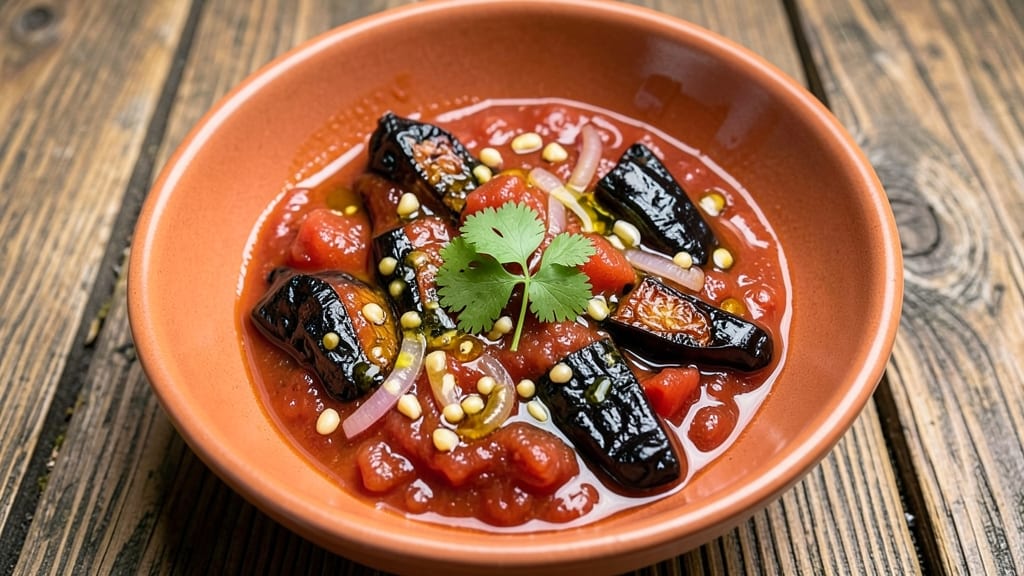
This Anaheim chili sauce recipe delivers the perfect balance of smoky heat and bright acidity—ideal for enhancing tacos, grilled meats, or even as a dipping sauce. Roasted Anaheim peppers form the base, their natural sweetness mellowed by vinegar and tomatoes, creating a sauce that's velvety-smooth yet packed with flavor. The secret lies in simmering until the ingredients meld into a cohesive, aromatic blend without overpowering bitterness.
What sets this sauce apart is its versatility—use it as a marinade, a table condiment, or a finishing touch for dishes needing depth. The vinegar brightens the peppers' natural sweetness while balancing the heat, and garlic adds a subtle complexity.
Unlike store-bought versions, this recipe avoids artificial additives, delivering a fresh, restaurant-quality sauce with every batch.
Simmering the ingredients low and slow ensures the sauce thickens just enough to coat without cloying, while straining removes any unwanted texture. The result is a glossy, vibrant sauce that clings beautifully to food, enhancing rather than overwhelming flavors.
Perfect for meal prep, this sauce keeps well in the fridge for up to a week, ready to elevate any dish.
Whether you're serving up tacos, grilled chicken, or even as a dip for chips, this Anaheim chili sauce transforms ordinary meals into something extraordinary. The process is straightforward, but the reward—a deeply flavorful, versatile sauce—is well worth the effort.
Ingredients for anaheim chili sauce
Roasted Anaheim peppers and bright vinegar create this velvety-smooth chili sauce perfect for tacos and grilled meats.
| Ingredient | Amount | Notes |
|---|---|---|
| Anaheim Peppers 🌶️ | 4 whole | Roasted until charred, seeds removed |
| San Marzano Tomatoes 🍅 | 1 can | 28 oz, crushed by hand |
| White Vinegar 💧 | ½ cup | Distilled preferred for brightness |
| Garlic Cloves 🧄 | 4 cloves | Peeled, minced for infusion |
| Extra-Virgin Olive Oil 🫒 | ½ cup | High-quality, fruity variety |
| Onion 🧅 | 1 whole | Yellow, diced fine |
| Salt 🧂 | 1 tsp | Diamond Crystal preferred |
| Ground Black Pepper 🌶️ | ½ tsp | Freshly cracked |
| Cumin Seeds 🌿 | 1 tsp | Toasted for depth |
| Cayenne Pepper 🔥 | ¼ tsp | Adjust for heat preference |
The Anaheim peppers are the foundation—roast them until charred for that smoky depth, then peel off the skin. Fresh peppers from a Latin market have more flavor than grocery store ones, but any Anaheim will work. San Marzano tomatoes are non-negotiable here—their sweetness balances the vinegar perfectly. Trader Joe's carries them year-round, or grab a case from Whole Foods if you're making multiple batches. The vinegar should be white, not apple cider—it brightens without overpowering the peppers' natural sweetness. For the garlic, elephant garlic adds a milder, sweeter note if you're sensitive to raw garlic's bite.
No fresh Anaheim peppers? Roasted red bell peppers from a jar work in a pinch, but they lack the smoky heat. Substitute white vinegar with rice vinegar at half the amount for a milder brightness. The cumin seeds can be swapped for ground cumin at one-third the quantity, but toasting them first makes a noticeable difference. Want more depth? Add 1 tsp smoked paprika to the blend. The sauce thickens as it cools, so if it's too thin after simmering, let it rest for 10 minutes before adjusting. Straining through a fine-mesh sieve removes any unwanted texture while keeping the vibrant color intact.
This sauce thickens beautifully over time—3-4 days in the fridge is ideal for maximum flavor development. Store it in an airtight glass jar with a thin layer of olive oil on top to preserve freshness. It keeps for up to 2 weeks in the fridge or 6 months frozen in ice cube trays. The vinegar content means it won't grow mold, but always check for off smells before using. A splash of fresh lime juice before serving revives the brightness if it's been stored longer than a week.
Why You'll Love This Recipe
- No-Chop Needed: I swear by this—just roast whole Anaheims and San Marzanos straight from the jar. The skin blisters and peels right off, leaving you with silky, smoky sauce with zero knife work. Honestly, the lazy chef in me loves this.
- Smoky-Sweet Balance: That Anaheim’s mild heat gets caramelized while the tomatoes break down into jammy sweetness—like a cross between salsa and chili. A splash of vinegar cuts through, but it’s the garlic sizzling in olive oil that makes it dangerously good.
- Game for Any Plate: Drizzle it on eggs, toss with grilled chicken, or use it as a marinade for shrimp. I keep a jar in the fridge for when I’m scrambling to make dinner—it’s my secret weapon for turning boring meals into something special.
- Makes Leftovers Worth It: This sauce actually improves overnight. The flavors meld into something deeper, and it keeps for weeks in the fridge. Between us, I’ve made a big batch and used it for a month—no waste, just flavor.
Step-by-step instructions for Anaheim chili sauce
Mastering this sauce requires patience and precision—each step builds the velvety texture and balanced heat.
Roast the Anaheim Peppers Until Charred
Preheat your broiler to its highest setting. Place the 4 whole Anaheim peppers directly on the oven rack, leaving space between them. Broil for 8-10 minutes, turning occasionally, until the skins develop deep black char marks and blisters form. This process caramelizes the sugars and deepens the smoky flavor.
Once charred, transfer the peppers to a bowl, cover with a kitchen towel, and let them steam for 10 minutes. This makes the skins slip right off. Peel away the charred skins, then slit the peppers open lengthwise and remove all seeds and membranes. The flesh should be bright red—this is where the sauce's signature heat and sweetness come from.
Sauté Aromatics in Olive Oil
Heat the 0.5 cup Extra-Virgin Olive Oil in a heavy-bottomed saucepan over medium heat. Add the 1 whole Onion, diced fine, and cook for 5-6 minutes until softened and translucent. Stir occasionally to prevent browning—you want the onions to melt into the oil without caramelizing.
Add the 4 cloves Garlic Cloves, minced, and the 1 tsp Cumin Seeds to the pan. Toast the cumin seeds for 30 seconds until fragrant—this releases their earthy, nutty aroma. Immediately add the minced garlic and cook for 1 minute until golden. Remove from heat and set aside.
Build the Sauce Base with Tomatoes and Vinegar
Return the pan to medium heat and add the 1 can San Marzano Tomatoes, crushed by hand. Stir in the 0.5 cup White Vinegar, 1 tsp Salt, and 0.5 tsp Ground Black Pepper. Bring to a gentle simmer, then reduce heat to low. Let the sauce cook uncovered for 20-25 minutes, stirring occasionally, until it thickens slightly and the raw tomato flavor mellows.
The vinegar brightens the sauce and balances the sweetness of the tomatoes, while the low heat prevents the acid from becoming overpowering. You'll notice the sauce darken and develop a glossy sheen—this indicates the pectin in the tomatoes is breaking down naturally.
Blend Until Silky Smooth
Transfer the sauce to a blender or food processor. Add the charred Anaheim pepper flesh and blend until completely smooth. For an ultra-silky texture, strain the sauce through a fine-mesh sieve to remove any remaining skin or seeds. Return the strained sauce to the pan and simmer for 5-7 minutes over low heat to meld the flavors.
Taste and adjust seasoning—add a pinch more salt if needed or a touch of cayenne pepper for extra heat. The sauce should coat the back of a spoon with a velvety consistency, not be watery. If it's too thick, thin with a splash of water; if too thin, simmer longer to reduce.
Finish and Store Properly
Remove the sauce from heat and let it cool to room temperature. The flavors will continue developing as it sits. For best results, store in an airtight container in the refrigerator for up to 1 week or freeze for 3 months. The sauce thickens as it cools, so stir well before reheating.
This sauce shines on tacos, grilled meats, or as a dip—its depth comes from the slow-cooked tomatoes and the bright acidity of the vinegar. The Anaheim peppers provide a gentle, lingering heat without overwhelming spice, making it versatile for any dish.
Pro Tips For Making Anaheim Chili Sauce
- CHAR THE PEPPERS FIRST: Roast the Anaheim peppers whole over a gas flame or under a broiler until blackened in spots—this deepens their sweetness and smoky depth way more than a quick sauté. I used to skip this step and wondered why my sauce always tasted flat; now I char them for 8-10 minutes, turning often, until the skin blisters and blackens. The skin will peel off easily afterward, but that’s the point—don’t rush it.
- PEEL AND SEED CAREFULLY: Once charred, plunge the peppers into a bowl with plastic wrap for 10 minutes to steam—this makes the skin slide off like butter. Remove stems and seeds, but leave the ribs intact; they add body to the sauce. I learned this the hard way by peeling too soon and ending up with bitter, underdeveloped flavor.
- SAUTÉ GARLIC LOW AND SLOW: Cook the minced garlic in olive oil over medium-low heat until just golden—no browning, no burning. High heat turns garlic bitter, and that’s the last thing you want in a bright, tangy chili sauce. My grandmother swore by this, and she was right: the garlic should smell sweet and nutty, not acrid.
- STRAIN FOR SMOOTHNESS (OR DON’T): If you prefer a silky sauce, strain out the pepper skins and seeds after blending—just don’t skip the seeds entirely, or you’ll lose that subtle heat. If you like texture, leave some skins in, but resist the urge to force them through; a quick press with a spoon works best. I skip this when I’m lazy, but the dish is noticeably smoother when I don’t.
Troubleshooting great anaheim chili sauce
Too Thin or Watery
If your sauce is too thin after simmering, don’t panic—this is easily fixed. The sauce naturally thickens as it cools, but if it’s still too runny, return it to low heat and simmer uncovered for an additional 5-10 minutes.
Stir occasionally to prevent sticking. For a quicker fix, mix 1 tablespoon of cornstarch with 2 tablespoons of water, stir into the sauce, and let it simmer for 2-3 minutes until it reaches your desired consistency. 💡
Too Thick or Pasty
If your sauce thickens too much and becomes pasty, thin it with warm water or broth—start with 1 tablespoon at a time and whisk in gradually. For a smoother texture, strain the sauce again through a fine-mesh sieve to remove any excess fiber.
Avoid adding too much liquid at once, as it can dilute the flavors. If the sauce is still too thick after thinning, simmer it again for 5 minutes to let the excess moisture evaporate. 🍲
Overpowering Vinegar Taste
The vinegar is key for brightness, but if it’s too strong, balance it with 1-2 tablespoons of honey or maple syrup while simmering. Alternatively, add 1-2 tablespoons of tomato paste to deepen the tomato flavor and mellow the acidity.
Taste as you go—adjust gradually to avoid overcorrecting. For a smoother finish, strain the sauce again to remove any excess acidity. 🌶️
Bitter or Harsh Flavor
Bitterness usually comes from over-roasting the Anaheim peppers or using too much vinegar. If your sauce tastes bitter, add 1-2 tablespoons of fresh lime juice or lemon juice to brighten the flavors. A pinch of sugar (about ½ teaspoon) can also help balance the bitterness.
If the peppers were over-charred, reduce the roasting time next batch to 6-8 minutes for a sweeter, less bitter result. 🔥
Grainy or Chunky Texture
For a silky-smooth sauce, strain it twice: once after blending and again if needed. Use a fine-mesh sieve or a nut milk bag for the best results.
If you prefer some texture, blend only until the peppers are finely chopped rather than fully puréed. For extra smoothness, press the blended sauce through a cheesecloth-lined sieve for a restaurant-quality finish. ✨
Sauce Separates or Splits
If your sauce separates, it’s likely due to too much acid (vinegar) or not enough fat (olive oil). Whisk in 1 tablespoon of olive oil and simmer for 2-3 minutes to emulsify the sauce.
For a more stable texture, reduce the vinegar by 1 tablespoon and increase the tomatoes slightly. Stirring vigorously while simmering also helps prevent separation. 💫
Nutrition facts
Frequently asked questions
Can I substitute Anaheim peppers with other mild peppers?
Yes, but expect different flavor profiles. Roasted poblano peppers work well for a deeper, earthier taste, while red bell peppers create a sweeter, milder sauce. For heat, use jalapeños (remove seeds) but reduce to 2 peppers and add 1 tsp extra sugar to balance. The vinegar and tomatoes will still provide that signature brightness.
How do I adjust the heat level in this sauce?
The recipe uses Anaheims for mild heat, but you can customize it. For milder sauce, remove all pepper seeds and membranes. For medium heat, add 1-2 tsp cayenne pepper or 1-2 chopped chipotle peppers in adobo. For spicy kick, increase cayenne to 1 tsp and reduce vinegar by 1 tablespoon. Always taste as you go!
Can I make this sauce without a blender?
Skip blending by finely chopping the roasted peppers with a knife. For extra smoothness, press the chopped mixture through a fine-mesh sieve or use a potato masher in the saucepan. The texture will be slightly rustic but still delicious. Simmer for an additional 5 minutes to help break down the fibers.
What are the best ways to use this chili sauce?
This versatile sauce elevates countless dishes! Use it as a dipping sauce for chips, taco sauce (mix with 1 tbsp lime juice), or grilling marinade (combine with 2 tbsp olive oil). It also works as a pizza sauce base (thin with water), breakfast topping for eggs, or soup enhancer (add 1 tbsp per bowl). Store-bought versions can't compete with this homemade depth!
Why does my sauce look cloudy after straining?
Cloudiness usually means tiny pepper particles or tomato seeds remain. For crystal-clear sauce, press the blended mixture through a cheesecloth-lined sieve or use a nut milk bag. If you prefer some texture, don't strain at all—just blend until smooth. The cloudiness won't affect flavor, but it may look less polished. For extra shine, simmer the strained sauce for 2-3 minutes after straining.