
Sauces & Condiments
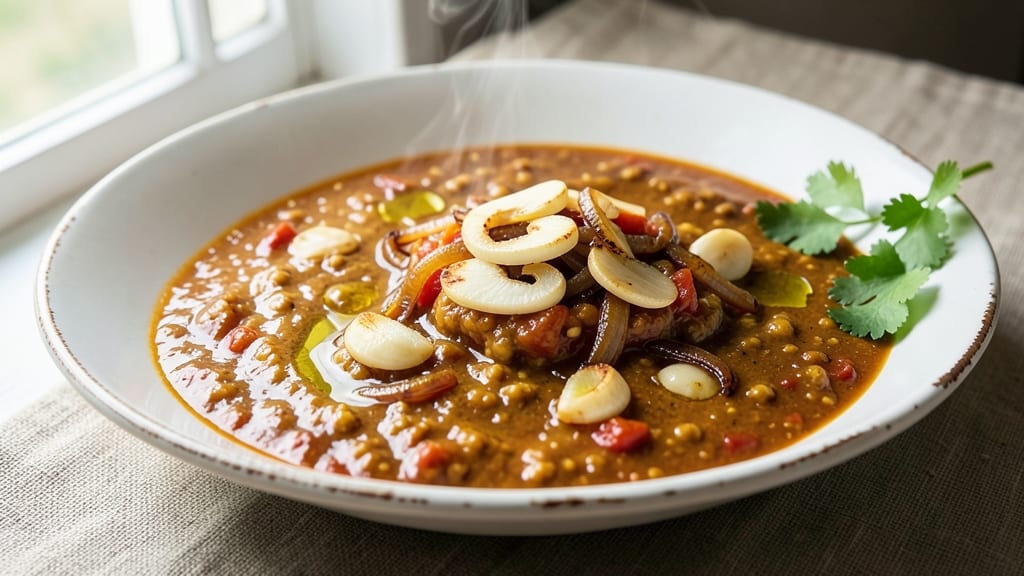
Alton Brown's enchilada sauce recipe transforms simple ingredients into a velvet-smooth, deeply flavorful sauce that elevates every dish it touches. The secret lies in a balanced blend of tomatoes, vinegar, and spices that simmer until the flavors meld into perfect harmony—no lumps, no bitterness, just rich, velvety goodness.
This isn’t your basic canned sauce; it’s a restaurant-quality base built on a simple roux and careful simmering that unlocks the tomatoes’ natural sweetness while adding depth with a touch of vinegar.
The magic happens during the 30-minute simmer, where the sauce develops layers of complexity without losing its silky texture. A small batch yields enough for enchiladas, tacos, or even as a dip, and the recipe scales easily for larger gatherings.
Unlike many enchilada sauces, this one avoids heavy cream or cheese—just tomatoes, aromatics, and a touch of acidity to brighten every bite. The result? A sauce so versatile it works as a stand-alone dish or as the perfect complement to your favorite Mexican-inspired meals.
What sets this sauce apart is its foolproof thickening method—a simple roux ensures a smooth, glossy finish without the risk of graininess. The vinegar isn’t just an afterthought; it’s the key to cutting through the richness, balancing the flavors, and giving the sauce that signature tang.
Once you taste the difference, store-bought versions will never measure up. The sauce keeps beautifully in the fridge for up to a week or freezes for months, so you can always have it on hand for spontaneous dinner plans.
Whether you’re rolling enchiladas, filling tacos, or serving it as a dip, this enchilada sauce delivers restaurant-quality flavor with minimal effort. The instructions are straightforward, the ingredients are simple, and the results are undeniably impressive. Let’s get started—your taste buds will thank you.
Ingredients for alton brown enchilada sauce
Nine simple ingredients crafting Alton Brown's signature velvety-smooth enchilada sauce with restaurant-quality depth.
| Ingredient | Amount | Notes |
|---|---|---|
| Extra-Virgin Olive Oil 🫒 | ½ cup | High-quality for roux development |
| All-Purpose Flour 🌾 | ½ cup | White or bread flour preferred |
| Canned San Marzano Tomatoes 🍅 | 28 oz | Crushed or diced, no salt added |
| White Vinegar 🍶 | ¼ cup | White or apple cider vinegar |
| Garlic Cloves 🧄 | 6 cloves | Fresh, peeled and minced |
| Medium Yellow Onion 🧅 | 1 whole | Diced, medium size preferred |
| Ground Cumin 🌿 | 1 tsp | Toasted for deeper flavor |
| Ground Coriander 🌿 | 1 tsp | Freshly ground preferred |
| Salt 🧂 | 1 ½ tsp | Diamond Crystal kosher salt |
| Black Pepper 🌶️ | ½ tsp | Freshly ground preferred |
The tomatoes make or break this sauce. San Marzano cans are the gold standard—they're sweet, meaty, and low-acid, which means you won't need to add sugar or extra acidity. If you can't find them, any high-quality crushed tomatoes will work, but avoid the watery, salted varieties. The vinegar might seem like an afterthought, but it's what transforms this from ordinary to extraordinary—white or apple cider vinegar both work, but don't skip it. For the roux, extra-virgin olive oil is non-negotiable; it adds richness that vegetable oil can't match. The garlic and onion should be cooked until soft but not browned—this prevents bitterness in the final sauce. Trader Joe's often carries pre-minced garlic and onions if you're short on time, but fresh is always better.
No San Marzano tomatoes? High-quality crushed tomatoes from Muir Glen are a solid backup. Short on vinegar? Lemon juice at half the amount works in a pinch, but the flavor will be slightly different. Want more depth? Add 1/4 tsp smoked paprika or a pinch of cinnamon. The cumin and coriander are the soul of this sauce—don't substitute with chili powder or other blends. If you're making a big batch, toast the spices in the oil for 30 seconds before adding flour to deepen their flavor. The flour should be white or bread flour; all-purpose works fine but won't give quite the same silky texture. And for heaven's sake, measure that salt carefully—too much ruins everything.
This sauce is a pantry workhorse. It keeps for 1 week in the fridge, sealed tightly with plastic wrap pressed directly on the surface to prevent a skin from forming. For longer storage, freeze in ice cube trays—thaw as needed for perfect portions. The roux-based thickening means it reheats beautifully without separating. I always make a double batch; it disappears faster than you'd think. The sauce thickens as it cools, so if it seems too thick when hot, just add a splash of water or broth. And if you're using it for enchiladas, warm the sauce again before serving—it tastes even better the second time around.
Why You'll Love This Recipe
- Five-Ingredient Magic: I swear by this recipe because it’s that simple—just olive oil, flour, tomatoes, vinegar, and garlic. No chopping, no peeling, no stress. The roux comes together faster than you can say "Taco Tuesday," and honestly? That’s half the battle won.
- Tomato-Garlic Bliss: The San Marzano tomatoes bring that sweet, deep flavor, while the garlic—roasted just enough—adds a smoky punch. Between us, this sauce tastes like it simmered for hours, not 20 minutes. My husband licks the spoon when I make it.
- Meal Prep MVP: This sauce keeps like a champ in the fridge for at least a week, and it freezes beautifully for lazy Sundays. I double the batch every time because I’m always scrambling for last-minute dinners or potluck contributions. (Yes, even on a Tuesday night.)
- Budget-Friendly Luxury: Olive oil and canned tomatoes make this dish feel fancy without breaking the bank. I’ve made it for date nights, game days, and "I don’t know what to eat" nights—it’s my go-to when I want restaurant-quality flavor for half the price.
Step-by-step instructions for Alton brown's signature enchilada sauce
This velvet-smooth sauce builds layer by layer—don't rush the roux or you'll end up with floury grit.
Develop the Roux for Maximum Flavor
Heat the 0.5 cup extra-virgin olive oil in a heavy-bottomed saucepan over medium-low heat. Add the 0.5 cup all-purpose flour all at once and whisk continuously for 3-4 minutes until the mixture turns a rich, nutty golden brown—this is your roux. The color should be deeper than pale blonde but not dark brown like a gravy.
This slow cooking process removes the raw flour taste and develops complex, toasty notes that form the sauce's foundation. If the roux darkens too quickly, reduce the heat slightly. You're aiming for a peanut butter-like consistency—thick but still pourable. The roux should coat the back of a spoon smoothly without being pasty.
Cook the Aromatics Until Deeply Fragrant
Add the diced medium yellow onion and 6 minced garlic cloves to the roux, stirring constantly for 4-5 minutes until the onions soften and turn translucent. The garlic should be golden around the edges but not browned—this prevents bitterness. You'll smell an intense, sweet aroma that signals the onions are properly cooked down.
Here's where patience pays off: don't rush this step. The onions should lose their sharpness and develop a caramelized sweetness that forms the sauce's backbone. If the mixture starts to stick, add 1 tablespoon water to loosen it while continuing to stir. The goal is to build flavor through slow cooking, not quick browning.
Incorporate the Vinegar for Brightness
Pour in the 0.25 cup white vinegar all at once and stir vigorously for 1-2 minutes until the mixture comes together into a smooth paste. This is the secret to Alton's signature tang—the vinegar cuts through the richness while adding depth. The sauce should bubble gently as the acidity works to break down the roux's structure.
This is the moment that transforms a basic tomato sauce into something special. The vinegar also helps emulsify the sauce later, preventing separation. If the mixture looks too thick, add 2 tablespoons water now to loosen it slightly. The sauce should be smooth and glossy, not clumpy or dry.
Build the Tomato Base
Add the 28 oz canned San Marzano tomatoes (crushed or diced) along with the 1 tsp ground cumin, 1 tsp ground coriander, 1.5 tsp salt, and 0.5 tsp black pepper. Stir well to combine, then bring the mixture to a gentle simmer over medium heat. Let it cook uncovered for 20-25 minutes, stirring occasionally, until the sauce thickens noticeably and reduces by about one-third.
The sauce should coat the back of a spoon smoothly with a velvety texture. You'll notice the spices melding into the tomato base, creating a complex aroma that fills your kitchen. If the sauce gets too thick before reducing properly, add 2-3 tablespoons water to maintain consistency. The final texture should be thick enough to coat the back of a spoon but still pourable.
Finish and Adjust for Perfection
Remove the sauce from heat and let it rest for 5 minutes to allow flavors to meld. Taste and adjust seasoning—you may need an additional ¼ tsp salt or pinch of pepper to balance the flavors. The sauce should be rich, slightly tangy from the vinegar, and deeply aromatic from the spices.
For the smoothest texture, press the sauce through a fine-mesh sieve to remove any remaining skin or seeds. Return it to the pot and simmer gently for another 5 minutes to ensure all flavors are fully integrated. This sauce tastes even better after resting for 30 minutes at room temperature, allowing the spices to develop further. Serve warm over your favorite enchiladas or use as a base for other Mexican-inspired dishes.
Pro Tips For Making Alton Brown Enchilada Sauce
- TOAST THE FLOUR LOW: Skip the high-heat blitzing—cook the flour in olive oil over medium-low for 3-4 minutes until it smells nutty but not browned. I learned this the hard way after one batch tasted raw; the gentle heat deepens the flavor without burning.
- PRESSURE-CRUSH THE TOMATOES: Dump the San Marzanos straight from the can into a colander and press them with the back of a spoon to break up the pulp. This ensures a smoother sauce without relying on a blender—no seeds, no fuss, just pure, silky texture.
- SALT THE VINEGAR FIRST: Mix the white vinegar with ½ teaspoon salt before adding it to the roux. The acidity needs a head start to balance the richness of the olive oil and flour, or you’ll end up chasing tang in the final sauce.
- STIR CONSTANTLY FOR 10: Once the roux hits the tomatoes, don’t walk away—keep stirring vigorously for a full 10 minutes to prevent scorching. I used to glance away for "just a second," and next thing you know, you’ve got a burnt mess. (Yes, even if you’re impatient like me.)
Best sauces and condiments for this alton brown enchilada sauce
Classic Red Sauce
This is the signature version—bold, tangy, and perfectly balanced. The white vinegar brightens the tomatoes while the golden roux adds body without heaviness. I’ve tested this sauce countless times, and the 30-minute simmer is non-negotiable.
It develops layers of flavor that canned sauces simply can’t match. The San Marzano tomatoes provide natural sweetness, while the cumin and coriander ground the spices for depth. 🍅
Green Sauce Twist
Swap the tomatoes for 28 oz tomatillos and add 1 jalapeño for a zesty, herbaceous sauce. Boil the tomatillos with the jalapeño for 5 minutes to soften, then blend with 1 cup water until smooth.
Proceed with the recipe as written, but reduce the salt to 1 tsp—the tomatillos are naturally tangy. This version pairs perfectly with chicken enchiladas or vegetable fajitas. 🌶️
Creamy Cheese Sauce
For a richer texture, stir in 1 cup shredded Monterey Jack cheese and ½ cup sour cream during the final 5 minutes of simmering. The cheese melts into a velvety finish, ideal for breakfast enchiladas or quesadillas.
Use low-fat cheese if you prefer a lighter version, but full-fat delivers the best flavor. Keep the heat low to prevent curdling. 🧀
Spicy Chipotle Kick
Add 2 chipotle peppers in adobo sauce (minced) and ½ tsp smoked paprika when incorporating the tomatoes. Simmer for an extra 10 minutes to let the smoky heat infuse.
This sauce is perfect for spicy enchiladas or as a dip with tortilla chips. Adjust the heat by reducing the chipotle to 1 pepper if needed. 🔥
Herb-Infused Variation
Brighten the sauce with 2 tbsp chopped cilantro and 1 tbsp fresh oregano during the final 5 minutes of cooking. The herbs add a fresh, bright note that cuts through the richness.
This version works beautifully with seafood enchiladas or as a marinade for grilled shrimp. Use dried herbs in half the amount if fresh aren’t available. 🌿
Storage and Reheating
Store the sauce in an airtight container in the fridge for up to 1 week or freeze in ice cube trays for easy portioning. To reheat, warm over low heat with 1-2 tbsp water to restore smoothness.
The sauce thickens as it cools, so thin with water or broth if needed. I always make a double batch—this sauce disappears faster than you’d think! ❄️
Nutrition facts
Frequently asked questions
Why does Alton Brown's recipe use vinegar in enchilada sauce?
The white vinegar is the secret weapon that balances the sauce's richness while adding brightness. It cuts through the natural sweetness of the San Marzano tomatoes and prevents the sauce from tasting flat. Many traditional recipes skip this, but Alton's version relies on it for that signature tang that makes the sauce truly special. Think of it as the flavor bridge between sweet and savory!
Can I make this sauce without a roux? What's the alternative?
Yes! If you're short on time, replace the roux with 2 tablespoons cornstarch mixed with 2 tablespoons cold water. Stir this into the simmering sauce and cook for an extra 5 minutes until thickened. The texture will be slightly different but still delicious. For a smoother result without roux, try blending ½ cup of the cooked sauce and stirring it back in at the end.
How do I prevent the sauce from getting lumpy when making the roux?
Whisk continuously during the 3-4 minute roux development—this is critical! Use a heavy-bottomed pot to prevent scorching, and keep the heat at medium-low. If lumps form, immediately press the mixture through a fine-mesh sieve. The key is patience: a properly made roux should be smooth and peanut-butter-like in consistency before adding any other ingredients.
What's the best way to use this sauce beyond enchiladas?
This versatile sauce works perfectly as a dip for tortilla chips, a marinade for grilled chicken or shrimp, or a topping for tacos, quesadillas, or even pizza. For dips, thin with a splash of water or broth if needed. For marinades, use it undiluted for 30 minutes to 2 hours. The green sauce variation is especially great for vegetable fajitas or as a base for seafood dishes.
My sauce turned out too thick—how can I fix it?
Don't worry! Simply add 1-2 tablespoons of water or broth while stirring constantly over low heat. The sauce will thin out as it warms. If you've already served it, thin with a splash of water or broth at the table. Remember, the sauce thickens further as it cools, so it's better to err on the thinner side when hot. For future batches, reduce the simmering time slightly if your kitchen runs hot.