
Sauces & Condiments
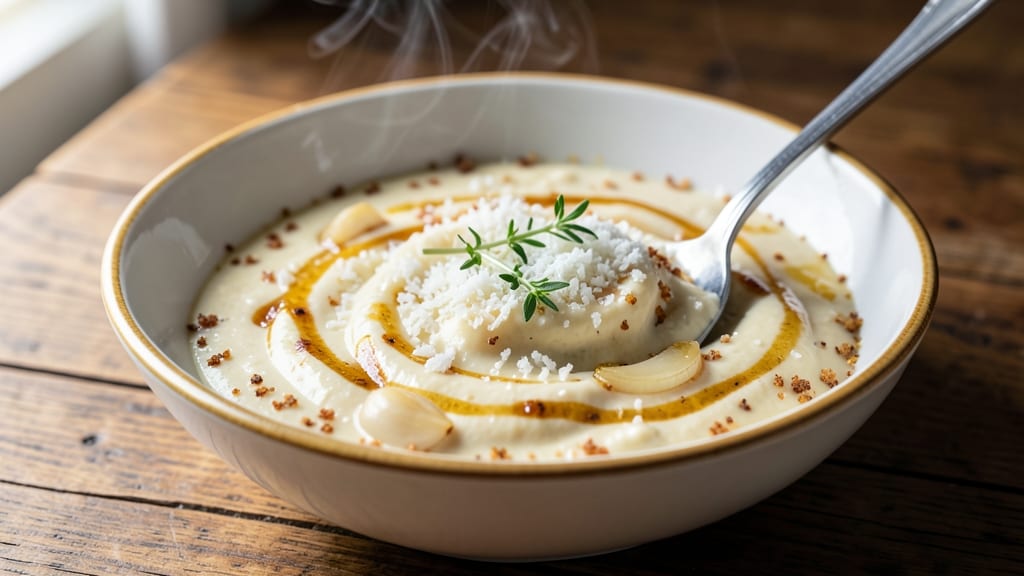
A single bottle of white wine transforms ordinary Alfredo sauce into something extraordinary—rich, velvety, and layered with complexity that store-bought versions can't match. The wine's acidity cuts through the richness of butter and cream, creating balance while adding subtle depth that lingers on the palate.
This isn't your grandmother's Alfredo; it's a restaurant-quality sauce built on a simple technique that delivers professional results every time.
The foundation starts with equal parts butter and cream, gently simmered until just before boiling to prevent curdling. Here, the wine comes in—not as an afterthought, but as the secret weapon that elevates the sauce from creamy to sophisticated.
A splash of heavy cream at the end ensures that velvety texture we all crave, while freshly grated Parmesan adds nutty, umami richness that ties everything together. The key is patience: letting the sauce reduce slowly to develop those complex flavors.
What you'll end up with is a sauce that's impossibly smooth yet vibrant, with just enough acidity to keep it from feeling heavy. The wine's influence is subtle but unmistakable—brightening the sauce without overpowering it, creating layers of flavor that make every forkful satisfying.
This sauce isn't just for fettuccine; it works beautifully with chicken, seafood, or even as a creamy dip. The best part? It reheats just as well as it tastes fresh, making it perfect for meal prep.
Store it in an airtight container in the refrigerator for up to 5 days, or freeze for longer storage. When you're ready to use it, simply reheat gently on the stove, stirring occasionally, until warmed through.
The wine-infused depth will still be there, waiting to transform your next dish into something truly special. Let's make this sauce—it's worth every step.
Ingredients for alfredo sauce recipe with wine
Eight simple ingredients create restaurant-quality Alfredo with wine's elegant touch.
| Ingredient | Amount | Notes |
|---|---|---|
| Unsalted Butter 🧈 | ½ cup | Cold, cubed for even melting |
| Heavy Cream 🥛 | ½ cup | Full-fat for richness |
| Dry White Wine 🍷 | ½ cup | Bold and dry (Sauvignon Blanc) |
| Freshly Grated Parmesan Cheese 🧀 | 1 cup | From a hard block |
| Shallots 🧅 | 2 whole | Minced for fine texture |
| Garlic Cloves 🧄 | 2 cloves | Peeled and minced |
| Extra-Virgin Olive Oil 🫒 | 1 tbsp | For finishing touch |
| Salt 🧂 | ½ tsp | Fine sea salt preferred |
| Freshly Ground Black Pepper 🌶️ | ¼ tsp | Freshly cracked |
| Heavy Whipping Cream 🥛 | ¼ cup | For final velvety texture |
The wine is non-negotiable here—any bold, dry white works (Sauvignon Blanc, Pinot Grigio). Trader Joe's or Total Wine have great affordable options. For the Parmesan, Parmigiano-Reggiano from a block is a must—pre-grated has anti-caking agents that ruin the texture. Shallots add subtle sweetness without overpowering, so don't skip them. I always grab Whole Foods shallots—they're consistently fresh. The butter should be cold when you start so it melts gradually and doesn't scorch.
No white wine? Substitute with chicken stock + 1 tbsp lemon juice for acidity, but you'll lose that wine depth. Fresh garlic is ideal, but powdered garlic at half the amount works in a pinch. For a dairy-free version, swap the heavy cream for full-fat coconut milk (though texture will differ). The olive oil at the end isn't just for flavor—it creates that signature glossy finish. If you're making this ahead, add the olive oil only when reheating to preserve freshness.
This sauce keeps beautifully—5 days refrigerated or 3 months frozen. For freezing, cool completely first, then portion into airtight containers. The wine flavor actually improves overnight as everything melds. I always make double batches because it disappears fast—great on fettuccine, chicken, or even as a creamy dip for veggies. When reheating, stir gently over low heat and add a splash of milk or cream if it thickens too much.
Why You'll Love This Recipe
- Wine in Minutes: I keep a bottle of dry white wine chilling just for this—simmer it down with butter and shallots while I chop garlic (or skip it, no one judges). By the time I grate the Parmesan, the sauce is already velvety and ready to go.
- Rich Without Effort: That creamy, nutty Parmesan and heavy cream combo does all the heavy lifting—no fancy techniques, just melt and stir. The wine cuts through the richness, so it’s never cloying, just ridiculously good.
- Pasta Party Ready: Dress up fettuccine for date night or toss it with roasted chicken for a weeknight win. Honestly, I’ve even used it as a dip for garlic bread—because why not? It’s the kind of sauce that turns ordinary meals into something special.
- Budget-Friendly Luxury: A cheap bottle of wine and a wedge of Parmesan make this taste like a five-star restaurant. Leftovers? Freeze them for next month’s lazy dinner. It’s the kind of recipe that feels indulgent but won’t break the bank.
Step-by-step instructions for Alfredo sauce with wine
This method transforms simple ingredients into a restaurant-quality sauce with layers of flavor.
Sauté Shallots and Garlic Until Fragrant
Melt the 0.5 cup unsalted butter in a medium saucepan over medium heat. Add the 2 whole shallots and cook for 3-4 minutes until they become translucent and just beginning to soften. This is your signal to add the 2 cloves minced garlic.
Cook the garlic for another 30 seconds until it releases its aromatic essence—you'll know it's ready when the pan smells irresistibly fragrant. Be careful not to let it brown, as that can create bitterness. The shallots should be soft but still hold their shape, providing a sweet foundation for the sauce.
Deglaze with Wine and Reduce
Pour in the 0.5 cup dry white wine and stir immediately to scrape up any browned bits from the bottom of the pan. This deglazing step captures all the flavor you've built so far. Let the wine simmer for 3-4 minutes until it reduces by about half and the alcohol smell dissipates completely.
The wine should coat the back of a spoon with a velvety consistency. If it reduces too quickly, lower the heat slightly to prevent scorching. This reduction step is crucial—it concentrates the flavors and forms the base of your rich sauce.
Build the Cream Base
Lower the heat to medium-low and gradually whisk in the 0.5 cup heavy cream. Stir constantly to prevent the cream from curdling or separating. Let the mixture simmer gently for 5-6 minutes until it thickens slightly and begins to coat the back of a spoon.
I like to keep the sauce on the thinner side for fettuccine, so don't over-reduce it. If it starts to thicken too much, you can always add a splash of pasta water later. The sauce should be smooth and glossy, with a luxurious texture that coats the tongue.
Incorporate Cheese and Season
Remove the saucepan from heat and gradually whisk in the 1 cup freshly grated Parmesan cheese. Start with about half and let it melt completely before adding the rest. This gradual approach prevents the cheese from clumping and ensures a silky texture.
Return the pan to low heat and stir in the 0.5 tsp salt and 0.25 tsp freshly ground black pepper. Add the 1 tablespoon extra-virgin olive oil for a finishing touch that adds brightness. The sauce should now be velvety smooth with a perfect balance of richness and acidity from the wine.
Finish with Whipping Cream for Ultimate Richness
Off the heat, stir in the 0.25 cup heavy whipping cream. This final addition creates the signature velvety texture that makes this sauce so irresistible. Taste and adjust seasoning if needed—you might want to add a pinch more salt or pepper to balance the flavors.
The sauce should be thick enough to cling beautifully to fettuccine but still flow smoothly. If you're serving immediately, keep the sauce warm over low heat. For best results, toss the sauce with freshly cooked pasta and serve right away while it's at its peak texture and temperature.
Pro Tips For Making Alfredo Sauce Recipe With Wine
- Sweat the Shallots: I learned this the hard way—raw shallots taste bitter and never fully dissolve. Cook them in the butter until translucent (about 3-4 minutes), then deglaze with wine. That’s when the magic starts.
- Low and Slow for Cream: After burning three batches, I finally figured out: simmer the cream on low heat, never a boil. If it curdles, you’ve lost the sauce. Keep it gentle—this isn’t a race.
- Use Real Wine, Not Cooking Wine: Sounds weird, but it works: a cheap dry white wine (like Sauvignon Blanc) adds depth. Cooking wine’s salt and preservatives muddy the flavor. Save the cheap stuff for marinades.
- Parmesan in Stages: Don’t dump all the cheese at once—it clumps like a disaster. Stir in half while the sauce simmers, then finish with the rest off heat. The residual warmth melts it smoother than you’d expect.
Storing and reheating your alfredo sauce recipe with wine
Refrigerator Storage
Store your wine-infused Alfredo sauce in an airtight glass container—I prefer Pyrex—and keep it refrigerated for up to 5 days. The wine's acidity actually enhances the sauce's flavor over time, so it tastes even better the next day.
Let it cool completely before sealing to prevent condensation, which can dilute the richness. 🧈
Freezer Preservation
For longer storage, freeze the sauce in quart-sized silicone molds or freezer-safe glass jars, leaving ½-inch headspace for expansion. It keeps for 3 months without texture loss.
Thaw overnight in the fridge—never microwave directly, as this can break the emulsion and create a grainy texture. Stir gently before reheating to rediscover that velvety consistency.
Reheating Gently
Reheat sauce on the stovetop over low heat, stirring constantly with a silicone spatula. Add 1-2 tablespoons of water or milk if it thickens too much during reheating.
Never boil—just warm until steaming (160°F internal temp). The wine's delicate aromas will still shine through when done right. ✨
Reviving Texture
If your reheated sauce seems too thick, thin it with 1 tablespoon of warm pasta water or heavy cream. For extra richness, finish with a drizzle of extra-virgin olive oil (like the California Olive Ranch brand) and a pinch of freshly cracked black pepper.
The wine's bright acidity cuts through any heaviness, keeping it vibrant.
Portioning Tips
Divide sauce into 4-ounce portions before freezing for easy single-use servings. Label containers with the date—this helps track freshness. When reheating, I like to add a splash of chilled white wine (just 1 teaspoon) to refresh the flavor profile before serving. The wine's acidity balances any reheating-induced richness.
Dairy-Free Adaptation
For a non-dairy version, store the sauce in a glass jar with a tight seal. When reheating, add 1 tablespoon of coconut milk to maintain creaminess. The wine's depth still shines through, though the texture will be slightly lighter.
The sauce keeps 3 days refrigerated in this version due to the coconut milk's shorter shelf life. 🌱
Nutrition facts
Frequently asked questions
Can I use red wine instead of white wine in this Alfredo sauce?
Red wine is not recommended for this recipe—it will overpower the delicate flavors of the sauce with its bold tannins. White wine's crisp acidity balances the richness perfectly, while red wine would create an unbalanced, heavy sauce. If you're set on red, use only 1 tablespoon and add ½ teaspoon lemon juice to mimic the acidity.
How do I prevent the sauce from curdling when adding the wine?
Never let the wine boil—simmer it gently until reduced by half before adding cream. Also, whisk constantly when incorporating the cream to distribute heat evenly. If it starts to curdle, immediately remove from heat and whisk in 1 tablespoon cold butter to stabilize the emulsion. The key is patience and low, steady heat.
What's the best wine to use for maximum flavor?
Look for a bold, dry white wine like Sauvignon Blanc or Chardonnay—they add bright citrus notes that complement the Parmesan. Avoid sweet wines (like Moscato) or overly oaky options, as they'll make the sauce taste flat. A $15-$20 bottle from Trader Joe's or a local vineyard works perfectly—you don't need expensive wines for cooking.
Can I make this sauce ahead of time?
Yes! The sauce actually tastes better the next day as flavors meld. Store it in an airtight container in the fridge for up to 5 days, or freeze for 3 months. When reheating, add 1 teaspoon of cold water per ½ cup of sauce to restore its silky texture. The wine's acidity keeps it fresh longer than traditional Alfredo.
What if I don't have shallots?
Use 1 small onion finely diced or 3 green onions chopped—both add sweetness but with slightly different profiles. Onion gives a milder flavor, while green onions add a subtle grassy note. For the best substitute, sauté the onion until completely translucent (about 5 minutes) to mimic shallots' gentle sweetness.