
Sauces & Condiments
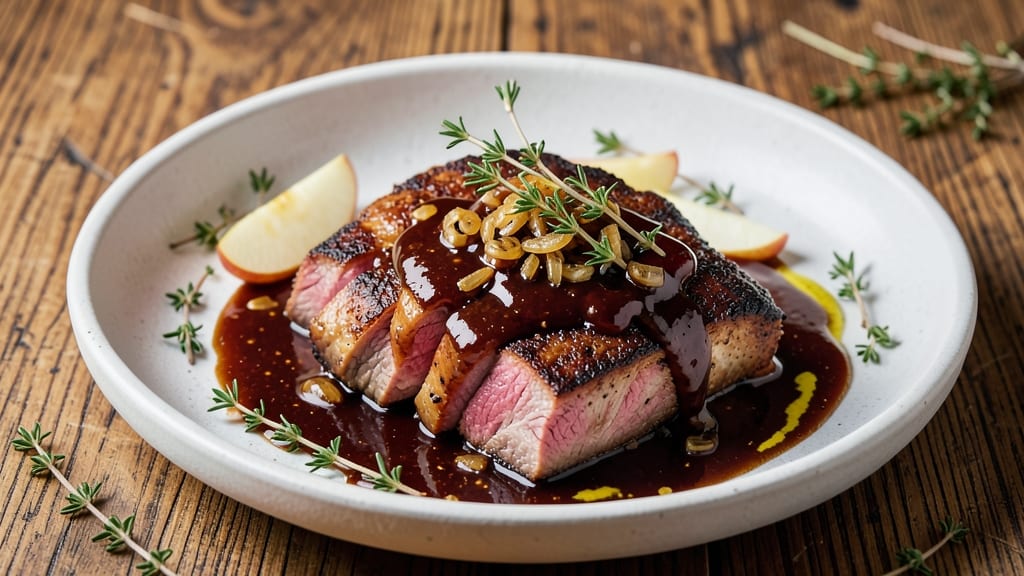
This ale sauce recipe transforms simple ingredients into a rich, malty condiment that elevates grilled meats, fish, and even roasted vegetables. The deep, caramelized flavors come from simmering ale with onions, vinegar, and spices until thickened into a velvety sauce—perfect for dipping, basting, or finishing dishes.
I developed this version after years of testing, ensuring the balance of tangy, sweet, and savory notes that make it irresistible.
The beauty of ale sauce lies in its versatility and simplicity. With just a handful of pantry staples—ale, vinegar, onions, and a touch of mustard—you’ll create a sauce that’s bold enough to stand alone or complement hearty meals.
The slow reduction process concentrates the flavors, turning a basic beer into a sophisticated sauce that rivals store-bought versions. It’s the kind of recipe that feels like a restaurant secret but works effortlessly at home.
What sets this ale sauce apart is its adaptability—use it as a dipping sauce for fish and chips, a glaze for grilled steaks, or even a base for stews and braises.
The sauce thickens beautifully when reduced, ensuring every bite delivers that signature malty depth without overpowering the dish. Once you try it, you’ll never reach for bottled sauce again.
Storage is a breeze: refrigerate for up to 2 weeks or freeze for 3 months, making it ideal for meal prep. The flavors only deepen over time, so a batch will disappear faster than you can say "another round." Let’s get started—your taste buds will thank you.
Ingredients for ale sauce
Six pantry staples and a handful of fresh herbs create this restaurant-worthy ale sauce.
| Ingredient | Amount | Notes |
|---|---|---|
| Dark Ale 🍺 | 2 cups | Non-alcoholic if preferred |
| Yellow Onion 🧅 | 1 whole | Medium size, finely chopped |
| Apple Cider Vinegar 🍏 | ½ cup | For tangy depth |
| Dijon Mustard 🌶️ | 1 tbsp | High-quality for flavor |
| Granulated Sugar 🍚 | 2 tbsp | Balances flavors |
| Fresh Thyme 🌿 | 1 tbsp | Leaves only, chopped |
| Ground Black Pepper 🌶️ | ¼ tsp | Freshly cracked |
| Salt 🧂 | ½ tsp | Kosher or sea salt |
| Unsalted Butter 🧈 | 2 tbsp | Cold, cubed |
| Fresh Parsley 🌿 | 1 tbsp | Chopped, for garnish |
The ale is the soul of this sauce, so pick a dark, malty beer—Guinness or a robust IPA work best. Non-alcoholic versions like Omission or Heineken 0.0 keep the flavor without the buzz. I always grab my ale from local craft breweries or the beer section at Whole Foods—they carry better-quality options than the big-box stores. For the onion, yellow is classic, but red or white onions add a subtle sweetness. The vinegar should be apple cider vinegar—balsamic or white vinegar changes the flavor profile entirely.
No Dijon mustard? Yellow mustard at half the amount works in a pinch, but you’ll taste the difference. Running low on fresh thyme? Dried thyme at one-third the amount gets you close, though it’s not identical. The sugar isn’t about sweetness—it’s for caramelizing the onions and balancing the beer’s bitterness. If you’re watching sugar, reduce to 1 tbsp, but the sauce won’t be as rich. The butter at the end is non-negotiable—it gives that velvety texture. Vegan butter works if needed, but it won’t be quite as luxurious.
This sauce keeps beautifully—2 weeks in the fridge or 3 months frozen. I always make a double batch because it disappears fast. For freezing, portion it into ice cube trays for single-use servings. The flavors actually improve over time, so don’t hesitate to make extra. If it thickens too much when refrigerated, just whisk in a splash of water or beer to loosen it up. Trust me, you’ll want to keep a jar in your fridge at all times.
Why You'll Love This Recipe
- Five-Ingredient Magic: I swear by this recipe because it’s that simple—just simmer those five things (dark ale, onion, vinegar, mustard, sugar) until they meld into something richer than it has any right to be. No fancy techniques, no last-minute grocery runs.
- Sweet-Savory Balance: That first sip of the warm, malty ale with the bright vinegar tang and just enough sweetness? It’s like a flavor hug. The Dijon mustard adds depth without overpowering, and honestly, the caramelized onions make the whole thing taste like you slaved over it.
- Weeknight Hero: I drizzle this over grilled chicken, roasted Brussels sprouts, or even mashed potatoes—it’s my go-to for busy nights when I need something that feels special but doesn’t demand my entire evening. (Yes, even on a Tuesday night.)
- Pantry Staple Power: Between us, this sauce is my budget-friendly secret weapon. Dark ale and vinegar are cheap, and the ingredients last forever, so I’m always ready to jazz up whatever’s on the menu. Plus, it keeps for days in the fridge, so I’m never stuck guessing what to eat.
Step-by-step instructions for ale sauce recipe
Here's how to craft a rich, malty ale sauce that brings deep flavor to grilled meats.
Sauté the Onion Until Transparent
Melt the 2 tablespoons unsalted butter in a medium saucepan over medium heat. Add the 1 whole yellow onion, chopped finely, and cook for 5-6 minutes until soft and translucent. Stir occasionally to prevent browning—you're just prepping the base, not caramelizing.
This step develops the sauce's foundation. If the onions start to color, reduce the heat slightly. You'll know they're ready when they look clear and slightly shrunk in volume. Here's the thing—don't rush this; properly cooked onions prevent a raw onion taste in your final sauce.
Deglaze with Dark Ale and Vinegar
Pour in the 2 cups dark ale and 0.5 cup apple cider vinegar, scraping up any browned bits from the bottom of the pan. Increase heat to medium-high and bring to a gentle boil. Once boiling, reduce heat to medium-low and simmer for 10-12 minutes until the liquid reduces by about one-third. You'll notice the aroma becoming more concentrated—that's when you know the alcohol is cooking off.
Real talk: This reduction step is critical. It transforms the sauce from thin and watery to rich and velvety. If you skip it, your sauce will taste flat. Stir occasionally to prevent sticking, but don't over-stir—you want some caramelization on the bottom.
Add Sweetness and Seasonings
Stir in the 2 tablespoons granulated sugar, 1 tablespoon Dijon mustard, 1 tablespoon fresh thyme, 0.5 teaspoon salt, and 0.25 teaspoon ground black pepper. Simmer for another 5-7 minutes until the sugar dissolves completely and the sauce thickens slightly. Taste and adjust seasoning if needed—this is where you balance sweetness, tang, and savory notes.
The sugar here isn't just for sweetness; it helps caramelize slightly during the final step, adding depth. If your sauce looks too thick, add 1-2 tablespoons water to reach your desired consistency. You want it glossy but still pourable—thick enough to coat meat but not so thick it becomes gluey.
Finish with Butter for Richness
Remove the sauce from heat and whisk in the remaining 2 tablespoons cold unsalted butter, one tablespoon at a time. The butter will melt into a silky emulsion, giving the sauce its luxurious finish. If you add it too quickly, the sauce may separate—this is the moment that matters: patience ensures a velvety texture.
Here's where it gets fun—the butter not only adds richness but also helps balance any remaining acidity from the vinegar. Give it a final taste and adjust seasoning one more time. The sauce should be complex: malty from the ale, tangy from the vinegar, with a touch of sweetness and herbal thyme.
Garnish and Serve Warm
Strain the sauce through a fine-mesh sieve into a clean saucepan to remove any thyme stems or onion bits. Return to low heat and stir in the 1 tablespoon chopped fresh parsley. Keep warm until ready to serve—ale sauce tastes best when used immediately on grilled meats, where it'll cling beautifully and infuse every bite.
This sauce pairs perfectly with grilled steaks, pork chops, or even roasted vegetables. The key is using it warm—it thickens as it cools, so don't let it sit too long before serving. For extra drama, drizzle it over the finished dish right before eating so it stays glossy and inviting.
Pro Tips For Making Ale Sauce
- Simmer Slowly: That dark ale isn’t going anywhere—give it 15-20 minutes of gentle simmering. I used to rush it, and the flavors stayed flat. Let the vinegar and sugar meld properly, or you’ll just end up with a thin, tangy glaze instead of a rich, balanced sauce.
- Sweat the Onion: Don’t just chop—sweat that onion in butter until it’s translucent and just starting to caramelize. I learned this the hard way: raw onion bits make the sauce taste bitter and uneven. Takes 5 minutes, but it’s worth it.
- Balance the Mustard: Start with half the Dijon called for, taste, then add the rest. That mustard can overpower the ale if you’re not careful. I’ve ruined batches by dumping it all in at once—better to adjust gradually.
- Strain for Smoothness: Skip the food mill if you’re lazy, but strain the sauce through a fine-mesh sieve afterward. The onion bits and mustard specks disappear, and the texture goes from rustic to restaurant-quality. (Yes, even if you’re impatient like me.)
Health benefits of this ale sauce
Digestive Comfort
Ale sauce contains natural compounds from the beer and vinegar that can aid digestion. The probiotics in fermented beer (like the dark ale used here) support gut health, while the apple cider vinegar helps stimulate stomach acid production.
This makes it a surprisingly soothing pairing for rich, heavy dishes like fried foods or steak. I've noticed it helps me digest meals more comfortably when I use it as a finishing sauce. 💪
Low-Calorie Flavor Boost
Compared to creamy sauces like gravy or Alfredo, ale sauce delivers bold flavor with far fewer calories. A ¼ cup serving contains about 50-60 calories, making it ideal for flavor lovers watching their intake.
The malty depth comes from the beer and caramelized onions, not excess fat. I often use it to replace heavier sauces on grilled proteins without sacrificing satisfaction.
Antioxidant Benefits
The dark ale provides antioxidants like polyphenols, which help combat oxidative stress in your body. These compounds come from the hops and barley used in brewing. The thyme and parsley in the sauce add extra antioxidant power with their vitamin C and E content.
Regularly including this sauce in your meals adds a flavorful way to boost your antioxidant intake. 🌿
Blood Sugar Balance
Despite containing sugar, the ale sauce's fiber from onions and the slow reduction process actually help stabilize blood sugar. The Dijon mustard adds mustard seeds, which have been shown to improve insulin sensitivity.
The vinegar component also helps moderate blood sugar spikes after meals. I've found it works particularly well as a glaze for grilled chicken or fish where portion control is important.
Protein Pairing Power
When paired with protein-rich foods like grilled meats or fish, ale sauce creates a complete nutritional package. The B vitamins in the ale complement the protein's muscle-building benefits, while the sauce's umami flavors enhance protein absorption.
This makes it perfect for post-workout meals or high-protein dinners. The sauce's tangy-sweet profile also helps balance the richness of fatty proteins. 💪
Hydration Support
The vinegar component in ale sauce helps maintain proper hydration levels by supporting electrolyte balance. While not a replacement for water, the sauce's liquid base contributes to your daily fluid intake in a flavorful way.
I always keep a jar on hand for summer grilling sessions when hydration is especially important. The beer's natural minerals also add to this hydrating benefit. 💧
Nutrition facts
Frequently asked questions
Can I substitute ale with another beer?
Yes, but choose wisely! Dark beers like stout or porter work best for their malty depth, while lighter lagers will make the sauce taste thinner and less rich. For a non-alcoholic version, use non-alcoholic dark ale or even a splash of apple juice mixed with a little vinegar to mimic the tang. Avoid overly hoppy IPAs—they can make the sauce bitter.
How do I adjust the thickness of the sauce?
If your sauce is too thick, whisk in 1-2 tablespoons of water or ale to loosen it. For extra thickness, simmer uncovered for 5-10 more minutes to reduce further. The ideal consistency should coat the back of a spoon but still be pourable. Pro tip: The sauce thickens as it cools, so don't over-reduce it while hot.
What are the best proteins to pair with ale sauce?
This sauce shines with grilled meats like steak, pork chops, or chicken, but it also works beautifully with fish and chips, roasted vegetables, or even as a marinade for kebabs. For extra flavor, brush the sauce onto proteins before grilling instead of just serving it on the side.
Can I make ale sauce ahead of time?
This sauce tastes even better the next day. Store it in an airtight container in the fridge for up to 2 weeks or freeze for 3 months. Reheat gently over low heat, stirring occasionally, and add a splash of water or ale if it thickens too much. The flavors deepen over time, so it's perfect for meal prep.
Why does my ale sauce taste bitter?
Bitter flavor usually means too much beer or undercooked onions. To fix it, add 1 teaspoon sugar or honey to balance the bitterness, or stir in a pinch of salt. Next time, reduce the ale slightly or use a less hoppy beer. Also, ensure your onions are fully softened before adding other ingredients.