
Sauces & Condiments
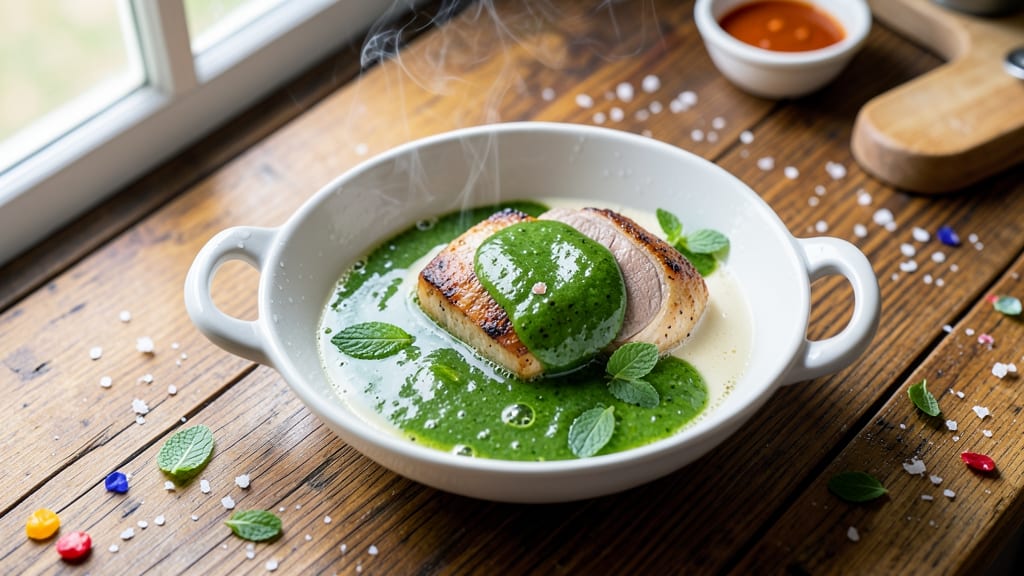
British mint sauce transforms roast lamb from good to unforgettable with its bright, herby punch—this recipe delivers the perfect balance of tangy, sweet, and fresh flavors in just minutes. The secret lies in finely chopping the mint leaves to release their vibrant oils, creating a sauce that clings beautifully to every bite of tender meat. I’ve perfected this classic condiment over years of Sunday roasts, ensuring it’s bold enough to stand up to rich lamb while remaining light and refreshing.
This sauce comes together with just five simple ingredients: fresh mint, white vinegar, sugar, water, and a pinch of salt. The vinegar cuts through the richness of roasted lamb, while the sugar balances the acidity for a harmonious finish.
Unlike store-bought versions, this homemade recipe keeps its bright green color and intense flavor—no artificial additives required. It’s also incredibly versatile, elevating not just lamb but also grilled vegetables, fish, or even as a tangy dip for chips.
Once blended, the sauce should be smooth and vibrant, with a consistency that’s thick enough to drizzle but still pourable. Store it in an airtight container in the refrigerator for up to a week, where the flavors will deepen over time. The key to success?
Using the freshest mint possible—wilting leaves will dull the flavor, so pick them just before making the sauce. This is the kind of condiment that turns a simple meal into a memorable one, and it’s easier to make than you’d think.
For an extra layer of complexity, consider adding a few sprigs of fresh thyme or a splash of lemon juice to the blend.
The sauce pairs beautifully with classic roast lamb dishes, but don’t hesitate to experiment—it’s just as delicious on grilled asparagus or as a bright accompaniment to charred fish. Let’s get started on this timeless British classic!
Ingredients for british mint sauce
Five ingredients transform fresh mint into vibrant British mint sauce for lamb.
| Ingredient | Amount | Notes |
|---|---|---|
| Fresh Mint Leaves 🌿 | 1 ½ cups | Packed, stems removed, vibrant green |
| White Vinegar 🍶 | ½ cup | Distilled or malt preferred |
| Granulated Sugar 🍚 | ¼ cup | White or light brown |
| Cold Water 💧 | ¼ cup | Room temperature preferred |
| Sea Salt 🧂 | ¼ tsp | Fine grain preferred |
The mint is non-negotiable—use only fresh, vibrant leaves from the grocery store's produce section or a local market. Trader Joe's and Whole Foods carry the freshest varieties, but any bright green bunch works. Avoid wilted leaves, which dull the flavor. For extra potency, remove stems and use only the leaves—chopping them finely releases their aromatic oils. If you're short on time, pre-washed mint from the refrigerator section saves prep work, though it may cost slightly more. The sugar should be fine granulated—no need for fancy varieties here, but avoid powdered sugar, which won't dissolve properly.
No white vinegar? Apple cider vinegar works too, though it adds a subtle sweetness that changes the flavor profile slightly. Running out of mint? Fresh parsley at half the amount gives a milder but still bright flavor—ideal for those who dislike mint's intensity. The water should be cold to help dissolve the sugar quickly, but room temperature works in a pinch. For a smoother texture, strain the sauce through a fine-mesh sieve after blending, though some texture adds authenticity. This sauce keeps its vibrant color when made with fresh ingredients—no artificial additives needed.
Store the sauce in an airtight container in the refrigerator for up to 1 week, where its flavors deepen beautifully. The consistency will thicken slightly over time, so give it a quick stir before using. For longer storage, freeze in ice cube trays—thaw and blend again to restore texture. This sauce pairs perfectly with roast lamb, but don't hesitate to drizzle it over grilled vegetables or use it as a tangy dip for chips. The key to success? Fresh mint and proper storage—simple, but effective.
Why You'll Love This Recipe
- Five-Ingredient Magic: I swear by this recipe because it’s the kind of sauce where you don’t need a degree—just a handful of mint, a splash of vinegar, and a pinch of sugar. Honestly, I’ve made it while chatting on the phone, and it still turns out bright, tangy, and spot-on every time.
- Bright & Tangy Kick: That first taste of fresh mint cutting through the sweetness? It’s like a breath of summer in a jar. The vinegar keeps it sharp without overpowering, and the sugar just balances it all—simple, but ridiculously good.
- Lamb’s Best Friend: Between us, this sauce is the reason I buy lamb chops. It’s foolproof with grilled lamb, but I’ve also drizzled it over roasted veggies or even tossed it with couscous for a quick weeknight meal. (Yes, even on a Tuesday night.)
- No-Waste Pantry Hero: The leftovers? Last me all week. I’ll keep a jar in the fridge for emergencies—dull salads, plain chicken, or even as a dip for pita. And since it’s just vinegar, sugar, and mint, it’s cheap enough to make twice if I’m feeling fancy.
Step-by-step instructions for British mint sauce
This classic accompaniment transforms simple lamb into something extraordinary. Follow these precise steps for a perfectly balanced sauce.
Prepare the Mint Leaves
Begin by thoroughly washing the 1.5 cups fresh mint leaves under cold water to remove any dirt or debris. Gently pat them dry with paper towels until completely free of moisture. I like to remove any tough stems at this stage—just pinch them off between your fingers. The leaves should be vibrant green and crisp, not wilted. For the finest texture, I recommend using a sharp chef's knife to finely chop the leaves rather than tearing them by hand. This ensures an even distribution throughout the sauce and prevents any large, unpalatable pieces.
Place the chopped mint in a medium-sized mixing bowl. You'll notice the leaves release their fresh, bright aroma as you work with them. This is your first sensory checkpoint—the mint should smell intensely herbal, not musty or stale. If it doesn't smell fresh, your sauce won't develop the bright, vibrant character that makes British mint sauce so special.
Combine Vinegar and Sugar
In a separate saucepan, combine the 0.5 cup white vinegar and 0.25 cup granulated sugar. Place the saucepan over medium heat and bring to a gentle simmer, stirring occasionally with a wooden spoon. You're looking to dissolve the sugar completely—this should take about 3-4 minutes. The mixture will bubble lightly as it heats, and you'll notice the sugar crystals disappearing as they dissolve into the vinegar.
Here's where attention to detail matters: don't let the mixture boil vigorously. A gentle simmer is all you need to dissolve the sugar without cooking off the vinegar's acidity. You want to preserve that bright, sharp tang that balances the sweetness and herbaceousness of the mint. Once the sugar is fully dissolved, remove the saucepan from heat and let it cool slightly for about 2 minutes. This prevents a sudden temperature shock when you combine it with the cold water later.
Add Water and Salt
While the vinegar mixture cools, measure out the 0.25 cup cold water and 0.25 teaspoon sea salt. Pour the cold water into the warm vinegar mixture and stir until completely combined. Then add the sea salt and stir again until fully dissolved. The salt enhances the flavors and helps balance the sweetness and acidity. At this stage, you might notice tiny sugar crystals forming on the sides of the pan as it cools—this is normal and will dissolve completely when you combine everything.
Let this mixture cool to room temperature. I usually set it aside for about 5 minutes while I prepare the mint. The sauce should now have a smooth, slightly syrupy consistency. If you taste it now, you'll notice the vinegar's sharpness and the sugar's sweetness working together. This is the base that will carry the mint's freshness when combined.
Blend the Sauce
Once the vinegar mixture has cooled to room temperature, transfer it to a blender or food processor. Add the chopped mint leaves and blend until completely smooth. Start on low speed to prevent any splattering, then increase to high for about 10-15 seconds until no chunks remain. You want a velvety smooth sauce with no visible mint pieces. If you prefer a slightly textured sauce, you can pulse briefly instead of blending fully, but traditional British mint sauce is typically smooth.
After blending, taste the sauce. It should have a bright, refreshing flavor with a perfect balance of sweet, tart, and herbal notes. If it tastes too sweet, you can adjust by adding a splash more vinegar. If it's too tart, add a pinch more sugar. Remember, the sauce will mellow slightly as it sits, so don't be afraid to taste as you go. The ideal sauce should be vibrant, not overly sweet or sharp.
Chill and Serve
Transfer the blended mint sauce to a clean glass jar or bowl and cover it with plastic wrap pressed directly onto the surface. This prevents a skin from forming. Refrigerate for at least 1 hour before serving—this allows the flavors to meld together perfectly. The longer it chills, the better the flavors develop, so you can actually make this sauce a day ahead if you're planning ahead for a meal.
When ready to serve, give the sauce a good stir. It should have a glossy appearance and a smooth, velvety texture. The color should be a vibrant green, though it might darken slightly as it sits. Drizzle this sauce generously over roasted lamb, grilled vegetables, or even as a refreshing accompaniment to fish. The perfect British mint sauce enhances rather than overpowers, letting the main dish shine while adding a bright, herbal note that cuts through rich flavors.
Pro Tips For Making British Mint Sauce
- STACK THE MINT: Use a rolling pin or the flat of a knife to bruise the mint leaves before blending—this releases more oils and aroma without turning the sauce bitter. I learned this the hard way after making sauce that tasted like mint tea instead of vibrant freshness.
- SALT THE VINEGAR: Add a pinch of salt to the vinegar before mixing everything—it balances the sharpness right from the start. Skipping this step means you’ll have to adjust later, and nothing’s worse than over-salting a delicate sauce.
- STRAIN IT RIGHT: Line a fine-mesh strainer with cheesecloth or a coffee filter for a silky texture—no pulp means no clogged bottles or weird mouthfeel. I used to skip this and ended up with sauce that looked like mint slush.
- CHILL AND THICKEN: Let the sauce sit in the fridge for at least 30 minutes before serving—it mellows the vinegar bite and thickens naturally. I was impatient once and served it too soon; the flavors were off until it had time to settle.
Wine and beer pairings for this british mint sauce
Classic Roast Lamb Pairing
The British mint sauce was practically invented for roast lamb—its bright acidity and freshness cut through the rich, fatty flavors beautifully. I always serve it with a medium-rare leg of lamb (about 145°F internal temperature) for the perfect balance.
The sauce's tangy sweetness enhances the lamb's natural juiciness, while the mint's herbal notes complement the meat's depth. For an extra touch, I drizzle it over the lamb just before serving to preserve its vibrant color and freshness. 🌿
Crispy Roasted Vegetables
Don’t limit this sauce to meat—it’s fantastic with roasted vegetables like parsnips, carrots, or Brussels sprouts. Toss them in olive oil and roast at 400°F for 20-25 minutes until caramelized, then drizzle with the mint sauce.
The sauce’s brightness elevates the earthy sweetness of the veggies, making them feel like a gourmet side. I especially love it with roasted baby potatoes tossed in garlic and rosemary.
Grilled Fish and Seafood
For a lighter option, pair the sauce with grilled salmon or cod. The mint’s freshness contrasts beautifully with the fish’s delicate flavor. I recommend grilling the fish at medium-high heat for 4-5 minutes per side (depending on thickness) and serving it with a dollop of sauce on top.
It’s also a great dip for shrimp skewers or calamari rings—just toss them in the sauce before serving for a zesty, herby kick.
Wine Pairings
A crisp Sauvignon Blanc from New Zealand or Loire Valley is my go-to wine with British mint sauce. The wine’s citrusy notes and herbal undertones mirror the sauce’s freshness, creating a harmonious match.
For red wine lovers, a light Pinot Noir (like one from Oregon or Burgundy) works well with lamb dishes. Avoid heavy, oaky whites or bold reds—they’ll overpower the sauce’s delicate flavors. 🍷
Beer Pairings
For beer drinkers, a pilsner or lager like Peroni or Heineken cleanses the palate beautifully. The crisp, light maltiness balances the sauce’s tangy sweetness. If you prefer something with a bit more character, try a Belgian witbier—its coriander and citrus notes complement the mint’s herbal brightness.
Avoid heavy stouts or IPAs, as their bold flavors can clash with the sauce’s delicate profile.
Unexpected Uses
Think beyond traditional pairings! This sauce is surprisingly good with grilled halloumi cheese or as a dip for crudités (carrot sticks, cucumber, bell peppers).
I’ve even used it as a marinade for chicken skewers—just toss the chicken in the sauce for 30 minutes before grilling for a bright, herby flavor. The possibilities are endless, so don’t be afraid to experiment! 💡
Nutrition facts
Frequently asked questions
Can I use dried mint instead of fresh?
Fresh mint is essential for authentic flavor, but you can substitute 1 tablespoon dried mint for every 1 cup fresh mint. The texture will be slightly different, and the sauce may not be as vibrant, but it works in a pinch. For best results, crush the dried leaves between your fingers to release their aroma before blending.
Why does my mint sauce look brownish instead of green?
Brownish sauce usually means the mint leaves were wilted or overcooked. Always use bright green, crisp mint and avoid heating the vinegar mixture beyond a gentle simmer. If the color is off, try adding a few drops of green food coloring (optional) or more fresh mint to restore vibrancy.
How long will homemade mint sauce keep?
Store in an airtight container in the fridge for up to 1 week. For longer storage, freeze in ice cube trays—thaw and blend again to restore texture. The sauce actually improves in flavor as it sits, so making it a day ahead works beautifully for roasts.
Can I make this sauce without vinegar?
Vinegar is key for the sauce's tangy balance, but you could substitute lemon juice (reduce by 1/4 cup) or apple cider vinegar for a slightly sweeter profile. The flavor will be milder, though—vinegar's acidity is what makes this sauce shine with rich dishes like lamb.
What if I don't have a blender?
No blender? No problem! Muddle the mint leaves with a wooden spoon or pestle in a bowl, then whisk vigorously with the vinegar mixture. For a smoother texture, strain through a fine-mesh sieve. The sauce won't be perfectly smooth, but it'll still taste delicious!