
Sauces & Condiments
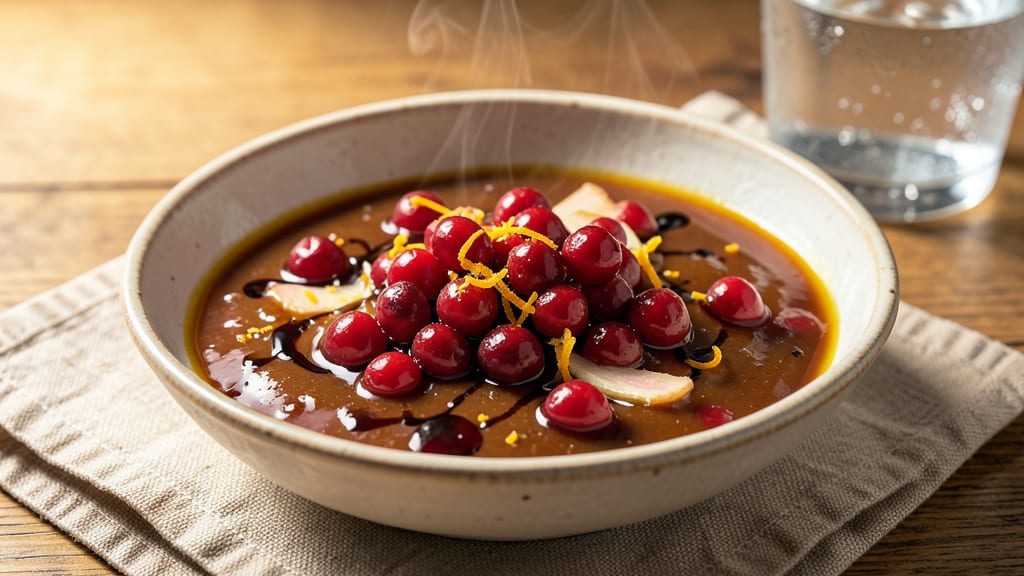
This balsamic cranberry sauce recipe transforms tart cranberries into a glossy, tangy-sweet drizzle that elevates holiday dishes and cheese boards alike. The combination of fresh cranberries and aged balsamic vinegar creates a depth of flavor that’s both sophisticated and approachable—no jarring sweetness here, just balanced richness.
I developed this version after years of testing cranberry sauces, and it’s become my go-to for Thanksgiving tables and winter entertaining.
The secret lies in simmering the cranberries until they burst, then reducing the mixture with balsamic vinegar to create a velvety, syrupy consistency that clings beautifully to roasted meats or cheese crisps.
Unlike traditional cranberry sauces, this version stays liquid and drizzle-friendly, making it perfect for garnishing without the need for a spoon. The balsamic adds a subtle complexity that pairs wonderfully with sharp cheddar, salty prosciutto, or even as a glaze for pork tenderloin.
What makes this sauce truly special is its versatility—use it as a holiday drizzle, a tangy glaze for roasted vegetables, or a bold addition to charcuterie boards.
The recipe comes together in under 30 minutes, with most of that time spent simmering, so it’s ideal for last-minute holiday prep. The sauce also keeps well in the fridge for up to 2 weeks, so you can make it ahead and enjoy it throughout the season.
Whether you’re hosting a festive dinner or simply craving a sophisticated condiment, this balsamic cranberry sauce delivers restaurant-quality flavor with minimal effort. The glossy finish and perfect balance of sweet, tart, and umami make it a standout on any table.
Let’s get started—your holiday dishes are about to get an upgrade.
Ingredients for balsamic cranberry sauce
Nine ingredients transform tart cranberries into a velvety, restaurant-worthy holiday drizzle.
| Ingredient | Amount | Notes |
|---|---|---|
| Fresh Cranberries 🍇 | 1 ½ lbs | Whole berries, no sugar added |
| Balsamic Vinegar 🍷 | ½ cup | Aged 12+ months preferred |
| Orange Zest 🍊 | 1 tbsp | From 1 large organic orange |
| Orange Juice 🍊 | ¼ cup | Freshly squeezed, no pulp |
| Granulated Sugar 🍚 | ½ cup | Light brown sugar for depth |
| Fresh Ginger 🌿 | 1 tsp | Finely grated, aromatic |
| Fresh Rosemary 🌿 | 1 tsp | Finely chopped, woody notes |
| Salt 🧂 | ½ tsp | Diamond Crystal kosher |
| Water 💧 | ¼ cup | Filtered preferred |
The cranberries are the foundation—organic berries from Trader Joe's or a local market have the best flavor. Look for deep red, firm berries with no soft spots. Balsamic vinegar makes all the difference: aged 12+ months adds complexity. I always buy Balzac or Colavita for this recipe. The orange zest should be vibrant—organic Navel or Valencia oranges work best. Fresh ginger and rosemary elevate the sauce beyond basic cranberry flavors; Penzeys has great pre-grated ginger if you're short on time, but fresh is ideal.
No fresh rosemary? Dried works at one-third the amount, but it lacks that piney aroma. Substitute thyme if you're out of rosemary. Running low on balsamic? Red wine vinegar at half the amount gives a similar tang. The sugar can be swapped for maple syrup if you prefer a less refined sweetener. For a smoother texture, strain the sauce through a fine-mesh sieve after simmering. If you're making this ahead, reduce the water by half—the cranberries will release more liquid during simmering.
This sauce keeps beautifully in an airtight jar in the fridge for 2 weeks. The flavor actually improves over time as the balsamic mellows. For gift-giving, use amber glass jars—they preserve the color and prevent oxidation. If you make extra, freeze it in ice cube trays for easy portioning. The sauce reheats beautifully—just warm it gently on the stove or microwave for 20 seconds. Perfect for drizzling over roasted meats, cheese boards, or even pancakes.
Why You'll Love This Recipe
- No-Fuss Simmer: Honestly, this sauce takes less effort than making coffee. Toss the cranberries, sugar, and orange juice into a pot, let it bubble for 15 minutes, then stir in the balsamic and zest. That’s it—no peeling, no fancy techniques, just pure, hands-off magic.
- Tangy-Sweet Magic: Between us, the balsamic and orange juice create a flavor explosion you won’t find in store-bought jars. The cranberries stay plump, the vinegar adds depth, and that bright orange zest? It’s like a little citrus hug in every bite—sweet, tart, and just a little sophisticated.
- Holiday Hero: I make this every Thanksgiving, Christmas, and even random Sunday brunches. It pairs perfectly with roasted turkey, cheese boards, or even pancakes (yes, really). The balsamic cuts through richness, and the orange keeps it from feeling too heavy—versatile enough for any gathering.
- Leftovers? More Like Free Flavor: This sauce actually tastes better the next day—if you can resist eating the whole pot. It keeps for weeks in the fridge, costs pennies per serving, and turns into the star of last-minute charcuterie boards or quick weeknight dinners. No waste, all win.
Step-by-step instructions for balsamic cranberry sauce
Here's how to craft this elegant holiday sauce with layers of bright citrus and deep balsamic richness.
Simmer the Cranberries Until Tender
In a medium saucepan, combine the 1.5 lbs fresh cranberries, 0.25 cup water, and 0.5 cup granulated sugar. Bring to a boil over medium-high heat, then immediately reduce to medium-low heat. Let the mixture simmer uncovered for 15-20 minutes, stirring occasionally, until the cranberries burst and the sauce begins to thicken.
You'll know they're ready when the cranberries collapse easily under gentle pressure with a wooden spoon. The sauce should take on a jam-like consistency while still maintaining some liquidity—this prevents it from becoming too thick later. If the cranberries aren't bursting after 20 minutes, they might need a few more minutes, but don't let them overcook or they'll turn mushy.
Build the Flavor Base with Aromatics
Once the cranberries are tender, stir in the 1 tbsp orange zest, 1 tsp finely grated fresh ginger, and 1 tsp chopped fresh rosemary. Let the mixture simmer for an additional 5 minutes to allow the flavors to meld. The ginger will infuse warmth while the rosemary adds an earthy depth that pairs beautifully with the tart cranberries.
I like to press the ginger and rosemary against the sides of the pan with a wooden spoon to release their essential oils. This step is where the sauce transforms from good to extraordinary—those bright citrus and herbal notes become the backbone of the dish. Keep the heat at medium-low to prevent the sauce from boiling over as it reduces.
Incorporate the Balsamic and Orange Juice
Remove the pan from heat and carefully stir in the 0.5 cup balsamic vinegar and 0.25 cup orange juice. The balsamic will darken the sauce and add a sophisticated tang, while the orange juice brightens the overall flavor profile. Let the mixture sit off the heat for 10 minutes to allow the balsamic to fully integrate and mellow out its sharpness.
Here's the thing—don't rush this step. The balsamic needs time to soften and blend seamlessly with the other ingredients. If you're impatient and add it while hot, you'll end up with a sauce that tastes harsh and unbalanced. The 10-minute rest is non-negotiable for achieving that perfect harmony of sweet, tart, and tangy.
Season and Simmer to Perfection
Return the pan to low heat and stir in the 0.5 tsp salt. Let the sauce simmer gently for 8-10 minutes, stirring occasionally, until it reaches your desired thickness. You want it to coat the back of a spoon but still have a glossy, drizzlable consistency—this is ideal for holiday dishes like roasted meats or cheese boards.
Taste and adjust the seasoning if needed. If it's too tart, add a pinch more sugar. If it needs more depth, a splash of balsamic vinegar can help balance the flavors. The sauce should have a vibrant ruby-red color with deep, glossy sheen—this indicates it's ready. If it's still too thin, simmer uncovered for another 2-3 minutes to reduce further.
Cool and Store for Maximum Flavor
Transfer the sauce to a clean jar or airtight container and let it cool to room temperature. The flavors will continue to develop and meld as it cools, becoming even more complex. This sauce tastes best after 24 hours in the refrigerator, as the balsamic and citrus flavors have time to fully integrate.
When ready to serve, give it a good stir—you'll notice how the colors have deepened and the texture has thickened slightly. This sauce keeps well in the fridge for up to 2 weeks, making it perfect for gifting or storing for holiday feasts. The contrast of the glossy, tangy-sweet drizzle against rich meats or creamy cheeses is what makes this sauce a holiday showstopper.
Pro Tips For Making Balsamic Cranberry Sauce
- STIR CONSTANTLY AT FIRST: The first 3 minutes of simmering are when the cranberries burst—if you walk away, you’ll end up with half-cooked berries and a gloppy mess. I learned this the hard way after serving a batch with rubbery cranberries and a sauce that looked like it belonged in a science experiment.
- USE HALF THE SUGAR: Cranberries release their own sweetness when cooked, so start with 2 tablespoons less sugar than the recipe calls for. Taste after 5 minutes of simmering, then add more if needed—this keeps the sauce from tasting like syrup and lets the balsamic shine.
- ZEST FIRST, JUICE LATER: Toss the orange zest into the pot before the cranberries and sugar—it blooms the flavor instantly. Add the juice at the end (after simmering), or it’ll turn bitter and dilute the sauce. Trust me, this small swap makes the difference between "good" and "wow."
- SKIP THE BOIL-OVER: If the sauce starts bubbling wildly, lower the heat immediately and stir like your life depends on it. I’ve seen cranberry mixtures foam over and stick to the stove top more times than I’d like to admit—just a gentle simmer keeps everything contained.
Dietary considerations for this recipe
Gluten-Free Adaptation
This sauce is naturally gluten-free as written, making it perfect for guests with celiac disease or gluten sensitivity. The ingredients—cranberries, balsamic vinegar, citrus, and spices—contain no gluten-containing grains.
I always double-check labels on balsamic vinegar (some brands add barley malt) and use certified gluten-free brands like Balzac or Colavita to ensure safety. 🌾
Low-Sugar Options
For a lower-sugar version, reduce the granulated sugar to ¼ cup and use ¼ cup maple syrup instead. The cranberries will still burst with the right amount of water, and the maple syrup adds natural sweetness without refined sugar.
If you prefer a sugar-free option, omit the sugar entirely and rely on the cranberries' natural sweetness—just be prepared for a more tart profile. Taste as you go and adjust to preference.
Vegan-Friendly Adjustments
This recipe is already vegan, but I like to emphasize that the sauce pairs beautifully with plant-based holiday dishes. The balsamic and citrus flavors complement tofu-based roasts or vegan cheese boards wonderfully.
For extra richness, add 1 tbsp vegan butter during the final simmer. The sauce's glossy texture makes it perfect for drizzling over hearty vegan mains like lentil loaves or roasted Brussels sprouts.
Diabetic-Friendly Version
To make this sauce more diabetic-friendly, reduce the sugar to 2 tablespoons and use 1 tablespoon monk fruit sweetener instead. The cranberries' natural tartness will still shine through, and the balsamic adds depth without spiking blood sugar.
Portion control is key—use it as a drizzle rather than a thick spread. This version keeps its elegant flavor while being more mindful of carbohydrate intake.
Allergen Considerations
For those with citrus allergies, omit the orange zest and juice, but keep the sauce bright with 1 teaspoon lemon zest instead. If ginger is a concern, substitute with ½ teaspoon ground cinnamon for warmth.
Always check ingredient labels for potential cross-contamination—especially with balsamic vinegar and spices. I recommend Penzeys spices as they're tested for allergens and provide clear labeling. 💡
Nutrition facts
Frequently asked questions
Can I use frozen cranberries instead of fresh?
Yes, you can substitute 1.5 lbs frozen cranberries for fresh, but you'll need to thaw them first. Spread the frozen berries on a baking sheet and let them thaw in the refrigerator overnight. This prevents excess water release during cooking. Frozen cranberries work well, but fresh ones have slightly better texture and flavor for this glossy sauce.
How do I know when the cranberries are perfectly cooked?
The cranberries are ready when they burst easily under gentle pressure with a wooden spoon and the sauce has thickened slightly. They should collapse completely but still hold their shape—overcooking turns them mushy. The sauce should coat the back of a spoon but remain drizzle-friendly, not jam-like.
Can I make this sauce ahead of time?
This sauce tastes even better after 24 hours in the refrigerator. The flavors meld and deepen over time, making it perfect for holiday prep. Store it in an airtight jar for up to 2 weeks. For gifting, use amber glass jars to preserve the vibrant color and prevent oxidation.
What's the best way to reheat this sauce?
Gently warm the sauce in a small saucepan over low heat until just heated through—about 2-3 minutes. Avoid boiling, as it can make the sauce too thin. Alternatively, microwave for 20-30 seconds, stirring halfway. The glossy texture works best when the sauce is warm but not hot.
What are the best ways to use this sauce?
This glossy sauce shines as a holiday drizzle over roasted meats like pork tenderloin or turkey. It also elevates cheese boards (especially sharp cheddar or goat cheese), pairs beautifully with charcuterie, and even works as a glaze for roasted vegetables. The tangy-sweet balance makes it versatile for both savory and slightly sweet applications.