
Sauces & Condiments
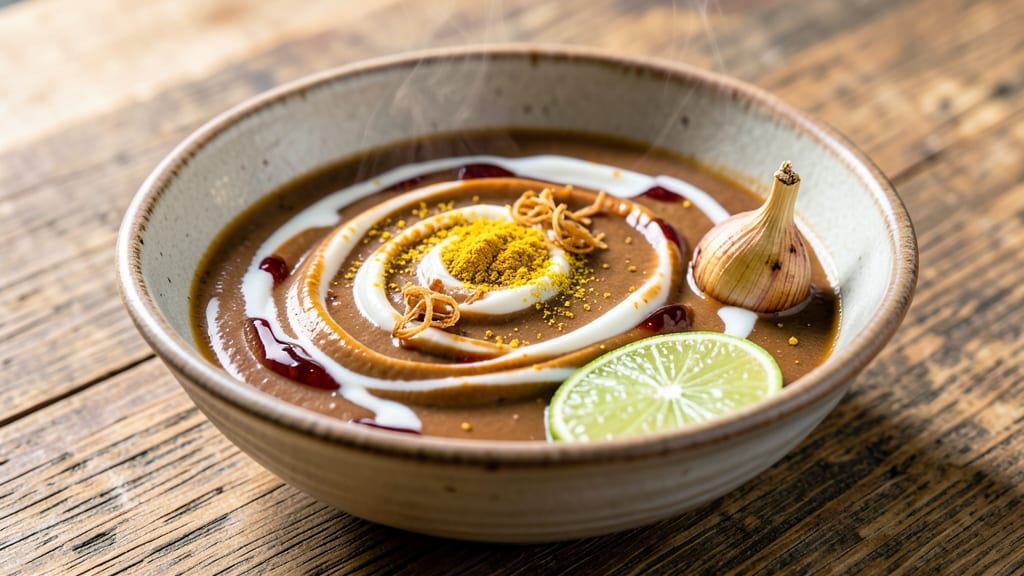
Balinese satay sauce transforms ordinary grilled meats into a symphony of nutty, tangy, and aromatic flavors—this recipe delivers restaurant-quality results at home. The secret lies in balancing rich peanut butter with bright tamarind and zesty lime, creating a sauce that's both velvety smooth and complex.
I've perfected this version to achieve that signature sweet-savory depth without overpowering the natural taste of the meat.
What sets this sauce apart is its versatility—it works as a dipping sauce for satay skewers, a marinade glaze for grilled chicken, or even a flavorful dressing for salads.
The combination of turmeric, coriander, and garlic adds warmth and depth, while coconut milk ensures a creamy texture that coats every bite. With just 10 minutes of prep and 5 simple ingredients, you'll have a sauce that's impossible to resist.
The result is a sauce that's rich, nutty, and perfectly balanced—sweet from the peanut butter, tangy from the tamarind, and brightened by lime zest. It's the kind of sauce that elevates any dish it touches, turning a simple grilled meal into something extraordinary.
The best part? It keeps well in the fridge for up to a week, so you can make a batch and enjoy it all week long.
Whether you're serving up a Balinese feast or looking to add global flavors to your weeknight dinners, this satay sauce is a game-changer. Let's get started on creating this flavor-packed sauce that will have everyone asking for seconds.
Ingredients for balinese satay sauce
Five simple ingredients transform into a sauce that'll make your grilled meals unforgettable.
| Ingredient | Amount | Notes |
|---|---|---|
| Natural Peanut Butter 🥜 | ½ cup | Creamy, unsweetened preferred |
| Coconut Milk 🥥 | ½ cup | Full-fat canned, well-stirred |
| Tamarind Paste 🍈 | 2 tbsp | Or 1 tbsp tamarind concentrate |
| Fresh Lime Juice 🍋 | ¼ cup | Zest included, freshly squeezed |
| Garlic Cloves 🧄 | 3 cloves | Minced, aromatic variety |
| Ground Turmeric 🌿 | ½ tsp | Fresh root preferred but powder works |
| Ground Coriander 🌿 | ½ tsp | Freshly ground for best flavor |
| Salt 🧂 | ½ tsp | Kosher or sea salt preferred |
| Brown Sugar 🍯 | 1 tbsp | Light or dark, adjust to taste |
| Red Chili Flakes 🌶️ | ¼ tsp | Adjust for heat preference |
Peanut butter is the star here—natural, unsweetened is key (no sugar or oil added). I grab mine from Trader Joe's or Whole Foods bulk bins for the best quality. Coconut milk? Full-fat canned is non-negotiable—shake the can well before opening. Tamarind paste can be tricky to find, but Asian markets usually have it, or sub with 1 tbsp tamarind concentrate mixed with 1 tsp water. Fresh lime juice and zest are worth the squeeze—Mexican limes have more punch than regular ones.
No tamarind? Lemon juice plus 1 tsp brown sugar gets you close, though it won't be identical. Short on peanut butter? Almond butter works too, but the flavor shifts slightly. The spices are where the magic happens—fresh turmeric root (grated) adds more warmth than powder, but if you're using the jarred stuff, don't skimp. Red chili flakes can be swapped for cayenne or sambal oelek—just taste as you go. For extra depth, toast the garlic cloves in a dry pan for 30 seconds before mincing (trust me on this).
This sauce thickens as it cools, so stir in a splash of warm water if it gets too stiff. Keeps for 1 week in the fridge, sealed tightly. Freezes beautifully for 3 months—just thaw in the fridge overnight. I like to make a double batch because it disappears fast. The first time I made this, I used it on grilled shrimp, chicken satay, and even as a salad dressing—versatility is its superpower.
Why You'll Love This Recipe
- No-Fuss Blend: I swear by this one—just toss the peanut butter, coconut milk, and tamarind into a pot, let it simmer until it’s silky smooth. No whisking marathons, no straining, just done. The garlic cloves? I crush them with the flat of my knife—five seconds—and let them mellow into the sauce while I chop veggies. Honestly, the hardest part is waiting for it to cool enough to taste.
- Tangy Creamy Magic: That first bite? Chef’s kiss. The tamarind paste cuts through the richness of the peanut butter like a bright citrus note in a jazz song, while the lime juice adds this lift—like a little umami hug. And the coconut milk? It turns this sauce from "nice" to "I’d drive across town for this" in one spoonful. (Yes, even on a Tuesday night.)
- Party in a Jar: This sauce is my go-to for game day, potlucks, or when my college-aged nephew texts, "What’s for dinner?" Drizzle it over grilled chicken, toss it with noodles, or serve it as a dip with veggies—it’s the kind of thing that makes you look like a pro without trying. Between us, I’ve even used it to glaze roasted sweet potatoes. Don’t judge.
- Budget-Friendly Pantry Hero: I make this sauce at least once a month because it’s ridiculously cheap to keep on hand. Natural peanut butter, coconut milk, and tamarind paste last for weeks, and garlic? You already have it. Plus, leftovers keep for ages—I’ve reheated a jar from last week and it was still vibrant. Not the prettiest in the fridge, but the taste makes up for it every time. My wallet thanks me.
Step-by-step instructions for Balinese satay sauce
Here's how to blend vibrant flavors into a silky, nutty sauce that elevates every skewer.
Melt Peanut Butter and Coconut Milk
In a medium saucepan over medium-low heat, combine the 0.5 cup natural peanut butter and 0.5 cup coconut milk. Stir constantly with a silicone spatula until the mixture reaches a smooth, creamy consistency—about 3-4 minutes. You'll see the peanut butter dissolve completely and the sauce take on a rich, golden hue.
Here's the thing—don't rush this step. If you see any peanut butter clumps lingering after 4 minutes, reduce the heat slightly and give it another minute. The goal is a completely smooth base where no texture remains. Keep the heat gentle to prevent burning, which would give the sauce an unpleasant bitterness.
Add Aromatics and Spices
With the peanut butter mixture still warm, add the 3 minced garlic cloves, 0.5 teaspoon ground turmeric, 0.5 teaspoon ground coriander, 0.5 teaspoon salt, and 1 tablespoon brown sugar. Stir vigorously for 1-2 minutes until the garlic becomes fragrant and the spices are fully incorporated. You should notice the sauce darkening slightly and developing a warm, earthy aroma.
This is where the magic happens. The turmeric adds that signature golden color while lending a subtle earthy depth, and the coriander brings a citrusy brightness that cuts through the richness. If you're using fresh turmeric root, you'll need about 1 teaspoon grated—just know it takes slightly longer to develop its full flavor. Taste as you go; you want these spices to harmonize rather than overpower.
Incorporate Tamarind and Lime
Reduce the heat to low and stir in the 2 tablespoons tamarind paste and 0.25 cup fresh lime juice. The mixture will bubble gently as the tamarind dissolves. Keep stirring for 2-3 minutes until the sauce becomes glossy and slightly thickened. You'll notice a beautiful balance of tangy and sweet flavors emerging.
The tamarind is crucial here—it provides that signature Balinese tanginess that sets this sauce apart. If you're using tamarind concentrate instead of paste, reduce it by half (to 1 tablespoon) as it's more potent. The lime juice brightens everything up, so don't skip this step. You want the sauce to taste vibrant, not flat. If it seems too acidic, add a pinch more brown sugar to balance.
Finish with Chili and Adjust Consistency
Remove the saucepan from heat and stir in the 0.25 teaspoon red chili flakes. Let it cool for 5 minutes—this allows all the flavors to meld together. If the sauce is too thick, thin it with 1-2 tablespoons warm water or a splash of coconut milk. For a smoother texture, strain it through a fine-mesh sieve to remove any garlic bits.
Here's the final check: The sauce should coat the back of a spoon with a velvety consistency, have a perfect balance of sweet, tangy, spicy, and nutty flavors, and be just warm to the touch. If it's too spicy, add a touch more brown sugar to mellow the heat. If it's not spicy enough, add a pinch more chili flakes. Taste as you go—this is your guide to perfect balance.
Pro Tips For Making Balinese Satay Sauce
- STIR CONSTANTLY AT FIRST: The peanut butter and coconut milk will split like oil and water if you walk away—especially when heating. Keep the pan moving until everything melts and blends smoothly, or you’ll end up with a lumpy, greasy mess. (Yes, even if you’re multitasking like you usually are.)
- USE AGED TAMARIND PASTE: Fresh tamarind paste is sour and fibrous; aged (dried) paste dissolves cleanly and delivers that deep, balanced tang without grit. If you grab the block from the store, soak it in warm water for 10 minutes first—it’s worth the wait.
- SIMMER DON’T BOIL: Once the sauce thickens, drop the heat to a bare simmer. Boiling burns the peanut butter, turning it bitter and dark. You want it glossy and rich, not scorched—like the difference between a good satay and a sad one.
- ROAST THE GARLIC FIRST: Raw garlic cloves can taste harsh in this sauce. Lightly char them in a dry pan for 2–3 minutes until fragrant, then mash them into the sauce. The caramelized flavor cuts through the peanut butter’s heaviness and adds depth. (No oven? A hot skillet works just fine.)
Essential equipment for great balinese satay sauce
Essential Blending Tools
For a silky-smooth satay sauce, I recommend using an immersion blender—it keeps everything in one pot and makes cleanup a breeze. I love the Ninja Immersion Blender because it handles peanut butter's thickness without clogging.
If you prefer a traditional route, a high-speed blender like the Vitamix works wonders, but transfer the peanut butter mixture first to avoid overfilling. 🔥
Saucepan Selection
A heavy-bottomed saucepan is non-negotiable—it prevents burning and ensures even heat distribution. I use my All-Clad stainless steel pan (1.5-quart size) because it maintains consistent temperatures. Avoid nonstick pans for this recipe; they can't handle the low-and-slow cooking required to dissolve peanut butter properly.
Measuring Essentials
Precision matters with this sauce. Grab a digital kitchen scale for spices (like turmeric and coriander) to measure 0.5 teaspoon accurately—spoon measurements can vary wildly. For liquids, a liquid measuring cup with clear markings ensures you hit the 0.25 cup lime juice and 0.5 cup coconut milk targets.
A microplane is perfect for lime zest if you want to add it for extra brightness.
Optional Upgrades
For a restaurant-quality finish, invest in a fine-mesh sieve to strain the sauce—it removes any garlic bits for a velvety texture. I also keep a small whisk handy to stir the sauce while it thickens, as it creates a smoother consistency than a spoon.
A spice grinder comes in handy if you're using whole spices instead of ground ones.
Storage Containers
Transfer the finished sauce to an airtight glass jar for fridge storage—it preserves flavors better than plastic. I use Le Parfait glass containers because they’re microwave-safe and stackable. For freezing, opt for silicone molds or freezer-safe bags with labels—write the date to track freshness.
The sauce thickens when refrigerated, so leave 1 inch headspace in containers to prevent spills.
Nutrition facts
Frequently asked questions
Can I make this Balinese satay sauce without tamarind?
Yes! Substitute with 1 tbsp lemon juice plus 1 tsp brown sugar for similar tanginess. For deeper flavor, try 1 tbsp date syrup or 1.5 tbsp apple cider vinegar>—but tamarind's unique sour-sweet balance is hard to replicate. The sauce will taste slightly different but still delicious.
How spicy should the sauce be?
The recipe calls for 0.25 tsp red chili flakes, which gives a mild kick. For heat lovers, add 0.5 tsp> or swap for 0.5 tsp sambal oelek. For milder heat, reduce to 0.125 tsp. Remember: the sauce thickens as it cools, so adjust heat before letting it sit. Taste as you go!
Can I use almond butter instead of peanut butter?
Almond butter works well, though the flavor will be slightly nuttier and less rich. Use the same amount (0.5 cup), but expect a lighter texture. For best results, blend the sauce longer to achieve that signature satay creaminess. The sauce will still pair beautifully with grilled meats.
Why did my sauce separate?
This usually happens when coconut milk isn't stirred well before opening or when heat is too high during cooking. Always use full-fat canned coconut milk> and shake the can thoroughly. For separated sauce, whisk in 1 tbsp warm water> or a splash of coconut milk until smooth. If it's still grainy, strain through a fine-mesh sieve.
What's the best way to use leftover satay sauce?
This versatile sauce works as a dipping sauce for grilled chicken or shrimp, a marinade glaze for 2-4 hours>, or even a dressing for salads. For extra flavor, simmer with 1 tbsp soy sauce> for 5 minutes. Store leftovers in an airtight container> for up to 1 week> in the fridge. Freeze for 3 months**> in silicone molds.