
Sauces & Condiments
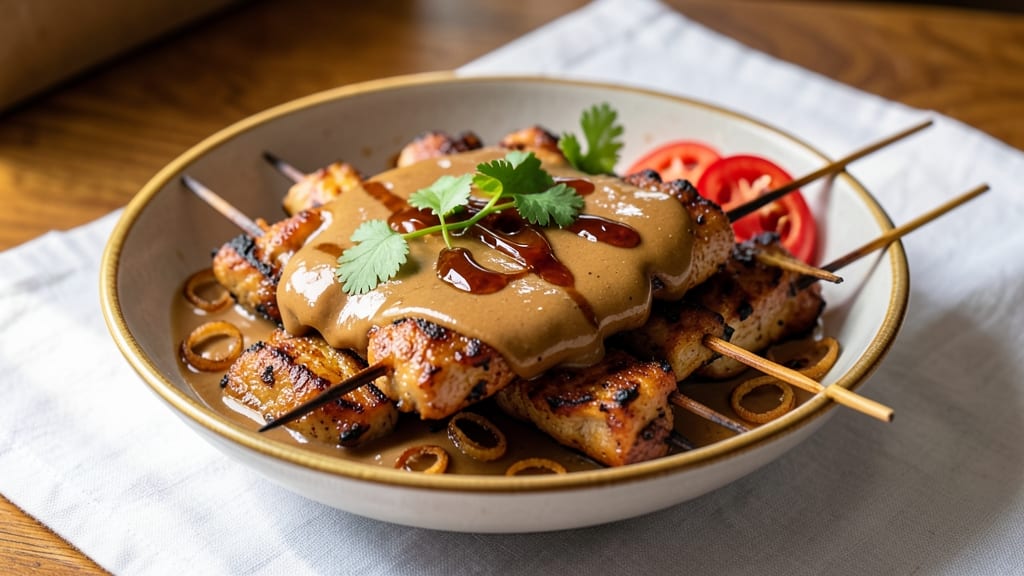
This ayam satay sauce recipe transforms simple pantry staples into a rich, nutty masterpiece that elevates grilled skewers to restaurant-quality perfection. The secret lies in balancing smoky peanut butter with tangy tamarind and fragrant spices, creating a sauce that's both traditional and deeply satisfying.
I've refined this recipe over years of testing—each batch delivers that signature satay flavor without requiring special ingredients.
The foundation begins with smooth peanut butter and coconut milk, simmered until velvety and infused with garlic, shallots, and lemongrass. Tamarind paste adds the signature tang that cuts through the richness, while chili flakes bring just enough heat to wake up every bite.
The sauce thickens beautifully as it reduces, creating a glossy finish that clings perfectly to skewers or vegetables. What makes this version special is the optional celery crown—crisp, thinly sliced celery tossed in the sauce at the end—for an unexpected crunch that adds texture contrast.
Once complete, you'll have a sauce that's bold yet balanced, with layers of peanutty warmth, citrusy brightness, and subtle smokiness. It keeps well in the refrigerator for up to 5 days, making it ideal for meal prep, or freezes beautifully for up to 3 months.
For a modern twist, swap honey for maple syrup or use vegan peanut butter and coconut aminos to adapt the recipe without sacrificing depth of flavor. The possibilities for serving are endless—drizzle over skewers, toss with noodles, or serve as a dipping sauce for spring rolls.
This sauce isn't just a condiment; it's a flavor experience that transports you to Indonesian street food stalls with every spoonful. The key to success lies in patience—letting the spices bloom and the sauce reduce properly ensures a result that's restaurant-quality at home.
Let's create this sauce that will become your new go-to for any dish that needs that signature satay touch.
Ingredients for ayam satay sauce
Simple pantry staples create this restaurant-quality satay sauce with layers of peanutty richness and tangy brightness.
| Ingredient | Amount | Notes |
|---|---|---|
| Smooth Peanut Butter 🥜 | ½ cup | Natural, unsweetened preferred |
| Coconut Milk 🥥 | 1 can | Full-fat for creaminess |
| Tamarind Paste 🍈 | 2 tbsp | Or 1 tbsp tamarind concentrate |
| Garlic Cloves 🧄 | 4 cloves | Minced for aromatic base |
| Shallots 🧅 | 2 whole | Finely chopped, 2 tbsp total |
| Lemongrass 🌿 | 2 tbsp | Minced, inner stalk only |
| Red Chili Flakes 🌶️ | 1 tbsp | Adjust for heat preference |
| Honey 🍯 | 2 tbsp | Or maple syrup for vegan option |
| Celery Sticks 🥬 | 1 cup | Thinly sliced for celery crown |
| Salt 🧂 | ½ tsp | Kosher or sea salt |
| Ground Cumin 🌿 | ½ tsp | Toasted for deeper flavor |
The peanut butter is the heart of this sauce—natural, unsweetened brands like Smucker's or Crazy Richard's work best. Coconut milk should be full-fat for that creamy texture, and Thai Kitchen brand is my go-to for consistent results. Tamarind paste can be tricky to find; Asian markets or Amazon carry it in jars or blocks. If you can't find it, tamarind concentrate works too, though the texture will be slightly different. Garlic and shallots should be fresh—no pre-minced jars here—and the lemongrass needs to be minced finely for that signature aroma. Toast the cumin seeds for 30 seconds in a dry pan before grinding to release their full flavor—worth the extra minute.
No tamarind? Substitute lime juice plus 1 tsp sugar for a similar tang, though it won't be identical. Running short on peanut butter? Almond butter or cashew butter works in a pinch, but the flavor profile shifts slightly. For extra depth, add 1 tsp soy sauce or coconut aminos—it's a secret ingredient in many authentic recipes. The celery crown is optional but adds that perfect crunch; use crisp celery sticks and toss them in the sauce only at the very end to keep them from wilting. If you're avoiding honey, maple syrup or agave works beautifully—just reduce the sauce slightly longer to account for the extra moisture.
This sauce keeps beautifully—5 days in the fridge or 3 months frozen. Store it in an airtight jar, and the flavors actually deepen over time. For the celery crown, slice it just before serving to maintain crispness. Double the batch—it disappears fast—and use it for everything from satay skewers to noodle bowls. The sauce thickens as it cools, so thin with a splash of warm water if needed. Leftovers reheat perfectly; just stir over low heat until smooth.
Why You'll Love This Recipe
- Five-Ingredient Magic: I swear by this combo—peanut butter, coconut milk, and tamarind paste do all the heavy lifting. No fancy techniques, just blend, simmer, and boom—rich, tangy sauce ready in 15 minutes.
- Tangy Peanut Bliss: That tamarind paste cuts through the creaminess like a citrusy knife. Honestly, the balance of sweet, salty, and sour makes it impossible to stop dipping—even my picky husband asks for seconds.
- Party in a Jar: Double the batch and store it for weeks. Perfect for game day, potlucks, or when your friend cancels last-minute (again). The sauce thickens beautifully, so it’s ideal for marinating or drizzling.
- Budget-Friendly Luxury: Peanut butter and coconut milk stretch this sauce far without breaking the bank. I’ve fed six people for under $10 with just this and grilled chicken—no guilt, all flavor.
Step-by-step instructions for ayam satay sauce
Here's how to craft this signature satay sauce with perfect balance of smoky, sweet, and tangy flavors.
Toast Spices and Aromatics for Deep Flavor
Heat a clean skillet over medium heat and add the 2 whole shallots and 4 cloves garlic cloves, minced. Cook for 3-4 minutes until the shallots soften and turn translucent, stirring frequently to prevent burning. Add the 2 tbsp lemongrass and 0.5 tsp ground cumin, toasting for 30 seconds until fragrant.
This step develops the aromatic foundation of your sauce. You'll notice the cumin releasing its earthy aroma and the lemongrass giving off a citrusy scent—this is where the sauce's complexity begins. Remove from heat immediately after toasting to preserve these delicate flavors.
Simmer the Peanut-Coconut Base
In a medium saucepan, combine the 0.5 cup smooth peanut butter and 1 can coconut milk. Stir over low heat for 5 minutes until the peanut butter melts completely and the mixture becomes smooth. Add the toasted shallot mixture, 1 tbsp red chili flakes, and 0.5 tsp salt, stirring constantly.
The peanut butter and coconut milk should create a rich, velvety base. You'll see the mixture thicken slightly as it warms. This is where the peanut's natural oils emulsify with the coconut milk, creating that signature satay sauce texture. Keep the heat gentle to prevent the peanut butter from separating.
Balance Sweet and Tangy Flavors
Add the 2 tbsp tamarind paste and 2 tbsp honey, stirring vigorously to combine. Simmer for 3-4 minutes until the sauce thickens slightly and coats the back of a spoon. Taste and adjust seasoning—you want a perfect balance of sweet, tangy, and slightly spicy notes.
The tamarind paste brings the essential tang that cuts through the richness of the peanut and coconut. The honey adds depth and helps balance the acidity. You'll notice the sauce becoming glossy and slightly thickened as it simmers. If it's too thick, you can thin it later with a splash of warm water or coconut milk.
Finish with Crunchy Celery Crown
While the sauce simmers, thinly slice the 1 cup celery sticks into matchstick-sized pieces. When the sauce reaches your desired consistency, remove it from heat and stir in the celery. Let it sit for 5 minutes to absorb some of the sauce's flavors while maintaining its crisp texture.
The celery adds a refreshing crunch that contrasts beautifully with the creamy sauce. This final step is crucial—it's what makes this satay sauce so distinctive. The celery should remain crisp rather than soggy, so don't add it too early. Serve immediately while the celery is at its crispest for the full satay experience.
Pro Tips For Making Ayam Satay Sauce
- BLEND PEANUT BUTTER FIRST: Start by mixing the smooth peanut butter with a splash of hot water (about 2 tablespoons) until it’s completely dissolved—no lumps. I used to skip this, and the sauce would always look grainy no matter how much I stirred later.
- LOW AND SLOW FOR COCONUT: Heat the coconut milk over medium-low heat. If you crank it too high, it’ll split and turn greasy—trust me, you’ll taste the difference. Stir constantly and keep it at a gentle simmer until it thickens just enough to coat the back of a spoon.
- GRATE TAMARIND PASTE: Tamarind paste is thick and clumpy, and if you just scoop it in, your sauce will be uneven. Grate or finely chop it first, then mix it with a little warm water to dissolve before adding to the pot. This keeps the tang smooth, not gloppy.
- TOAST GARLIC AND SHALLOTS: Don’t just chop and toss—sauté the minced garlic and shallots in a dry pan for 2-3 minutes until they’re golden and fragrant. This deepens their flavor and cuts through the richness of the peanut butter and coconut milk. (Yes, even if you’re impatient like me.)
Perfect pairings for this dish
Satay Skewers
This sauce was designed to elevate traditional ayam satay skewers, but it works beautifully with any protein. For authentic results, use chicken thigh pieces marinated in a mix of turmeric, coriander, and lime juice for 24 hours.
Skewer them and grill until golden, then drizzle generously with the sauce. I recommend serving with steamed jasmine rice to soak up every last drop. 🔥
Vegetable Stir-Fry
Transform your favorite stir-fry with this sauce's rich peanutty depth. Toss bok choy, bell peppers, and snap peas in a hot wok with 1 tbsp sesame oil, then add ½ cup sauce and toss until everything is coated.
Finish with toasted sesame seeds and thinly sliced scallions. The celery crown adds a refreshing crunch that balances the dish beautifully.
Noodle Bowls
Elevate your takeout-style noodle bowls by swapping store-bought sauces for this homemade version. Cook rice noodles according to package, then toss with shredded chicken, shredded carrots, cucumber, and bean sprouts.
Drizzle with ⅓ cup sauce and top with crushed peanuts and lime wedges. The tamarind's tang cuts through the noodles' chewiness perfectly.
Spring Roll Dip
Skip the bottled peanut sauce and make this instead for a restaurant-quality dip. Serve with store-bought or homemade spring rolls and crudités like carrot sticks, cucumber slices, and bell pepper strips.
The celery crown adds an unexpected but delightful crunch that makes this dip stand out. Double the batch—it disappears fast during parties! 🥢
Grilled Tofu
For a plant-based version, marinate extra-firm tofu in soy sauce, garlic, and ginger for 30 minutes, then grill until golden. Slice into strips and toss with ½ cup sauce, tossing gently to coat.
The peanut butter's richness complements the tofu's neutral flavor beautifully. Garnish with cilantro and lime zest for a fresh finish.
Dessert Twist
Yes, you can use this sauce for dessert! Warm ½ cup sauce with 1 tsp vanilla extract and drizzle over banana slices or pancakes. The peanut-coconut combo pairs surprisingly well with sweet treats.
For extra decadence, top with toasted coconut flakes and a sprinkle of flaky sea salt. 🍌
Nutrition facts
Frequently asked questions
Can I make this satay sauce without tamarind?
For a quick substitute, mix 1 tbsp lime juice with 1 tsp sugar to mimic tamarind's tang. The sauce will taste slightly different but still delicious. If you want to stay closer to traditional flavors, try using 1 tbsp date syrup or 1 tbsp lemon juice plus ½ tsp sugar instead.
How do I prevent the peanut butter from separating?
Keep the heat low to medium-low when melting the peanut butter and coconut milk. Stir constantly and never let it boil. If it starts to separate, whisk in 1 tsp cornstarch mixed with 1 tbsp water to help re-emulsify it. The key is patience—rushing causes separation.
Can I make this sauce vegan?
Yes! Swap the honey for maple syrup or agave nectar, use vegan peanut butter, and ensure your coconut milk is unsweetened and vegan-certified. For extra umami, add 1 tsp soy sauce or coconut aminos. The sauce will have the same rich peanutty flavor without any animal products.
Why does my sauce taste too sweet?
Adjust the balance by adding ½ tsp salt or 1 extra tbsp tamarind paste to cut the sweetness. If the sauce is already made, stir in 1 tsp rice vinegar or fresh lime juice to brighten the flavors. The tamarind's tang should always complement, not compete with, the sweetness.
How long can I store the celery crown?
For best texture, add the celery to the sauce just before serving. If you must prep ahead, store the sauce and celery separately. Refrigerate the celery in a sealed container for up to 2 days, and slice it fresh when ready to use. The celery will soften quickly once mixed into the sauce.