
Sauces & Condiments
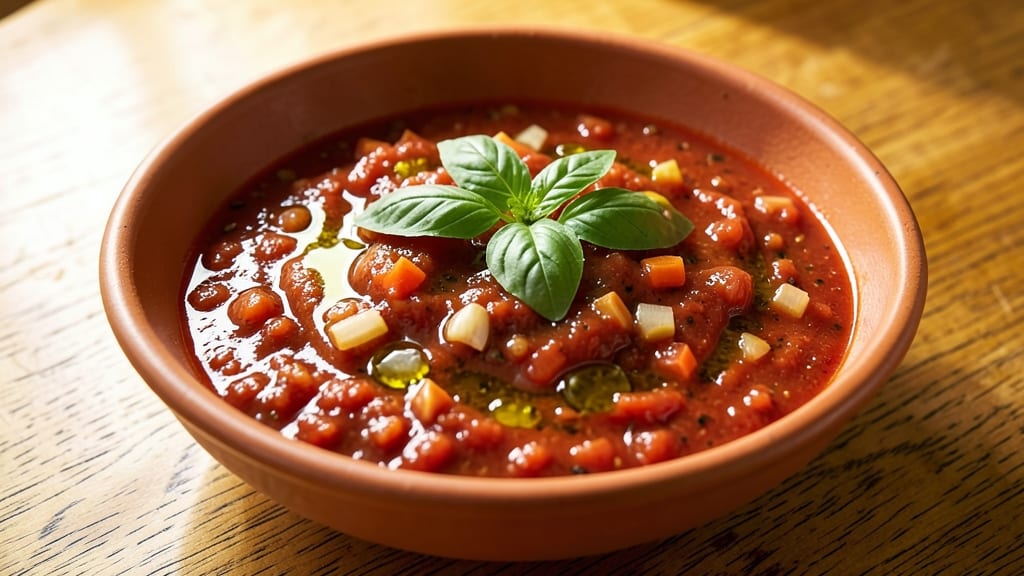
This awesome spaghetti sauce recipe transforms simple ingredients into a rich, umami-packed sauce that clings to every strand of pasta. The secret lies in slow simmering aromatic vegetables and blending for that signature velvety texture—no cooking skills required, just patience and a few key techniques.
I've been perfecting this sauce for years, and it's become the backbone of my weeknight dinners, always delivering restaurant-quality flavor without the fuss.
The magic happens when you toast the vegetables until deeply caramelized, which builds layers of flavor that no pre-made sauce can match. We'll use a blend of celery, carrots, and onions as the base, then layer in crushed tomatoes, garlic, and herbs for depth.
The celery crown crunch variation adds a delightful textural contrast that elevates even the simplest pasta dish. This sauce isn't just for spaghetti—it works beautifully with lasagna, meatballs, or even as a pizza topping.
What you'll end up with is a sauce that's rich enough to stand alone but versatile enough to complement any protein. The slow simmer develops complex flavors, while the final blend creates that signature smooth, clingy texture that makes every bite satisfying.
Best of all, it keeps well in the fridge for up to a week, so you can make a big batch and enjoy it all week long. Ready to create a sauce that will have everyone asking for seconds?
Whether you prefer a meat-based version or keep it vegetarian, this recipe adapts easily. The instructions are straightforward, and the ingredients are simple—just high-quality vegetables, canned tomatoes, and basic pantry staples. Let's get started on creating a sauce that will become your new go-to for any Italian-inspired meal.
Ingredients for awesome spaghetti sauce
Simple vegetables and pantry staples create a sauce that tastes like it simmered all day.
| Ingredient | Amount | Notes |
|---|---|---|
| Extra-Virgin Olive Oil 🫒 | ½ cup | High-quality, fruity variety |
| Yellow Onions 🧅 | 2 large | Diced into even pieces |
| Carrots 🥕 | 3 medium | Peeled, finely diced |
| Celery Stalks 🧅 | 3 medium | Diced, leaves reserved for crunch |
| Garlic Cloves 🧄 | 6 whole | Peeled, smashed for depth |
| Crushed Tomatoes 🍅 | 28 oz | San Marzano preferred |
| Tomato Paste 🍅 | 2 tbsp | High-quality, no sugar added |
| Dried Oregano 🍃 | 1 tbsp | Italian variety preferred |
| Dried Basil 🌿 | 1 tbsp | Or 0.25 cup fresh basil |
| Red Wine 🍷 | ½ cup | Bold, dry variety |
| Vegetable Broth 💧 | 1 cup | Low-sodium preferred |
| Salt 🧂 | 1 ½ tsp | Diamond Crystal preferred |
| Black Pepper 🌶️ | ½ tsp | Freshly ground |
| Celery Leaves 🌿 | ¼ cup | For celery crown crunch |
The vegetables are the flavor foundation here—look for fresh, vibrant produce at your local market. Trader Joe's has great prepped options if you're short on time, but whole carrots and celery let you control the texture. The celery leaves? Don't toss them—they add that signature crunch. For the tomatoes, San Marzano cans make all the difference, but any good-quality crushed tomatoes will work. The red wine adds depth, so grab whatever bold, dry bottle you have open—no need to splurge on a fancy vintage here.
No red wine? Substitute extra vegetable broth—just add an extra splash. Fresh basil is ideal but dried works at one-third the amount. If you're making a meat-based version, ground beef or Italian sausage can be added after toasting the vegetables. The tomato paste is non-negotiable for that concentrated umami punch—skip it and the sauce will taste flat. For the celery crown crunch, pulse the reserved leaves in a food processor until finely chopped but still slightly textured—you want that satisfying bite.
This sauce tastes even better the next day as flavors meld. Store in an airtight container in the fridge for up to 1 week, or freeze portions for 3 months. I always make double batches—one for dinner, one for lunches. The celery crown crunch stays fresh for 2 days in the fridge if stored separately in a sealed container. For extra richness, stir in a spoonful of olive oil before serving—trust me on this.
Why You'll Love This Recipe
- No-Sweat Sauté: I swear by this—just dice the onions, carrots, and celery (no fancy knife skills needed), toss them in olive oil, and let them soften while I chop garlic. The slow simmer builds flavor without standing at the stove.
- Soul-Warming Depth: That carrot-celery base? It’s the secret. The onions caramelize just enough to add sweetness, while the garlic hits you right at the end—like a warm hug in a bowl. (Yes, even on a Tuesday night.)
- Freezer-Friendly Magic: Make a double batch and freeze half. Thaw it later for lazy nights or toss it into soups—it’s my go-to when I’m too tired to cook. Honestly, I’ve had this sauce three months after making it, and it’s still rich.
- Pantry Staple Power: Onions, carrots, celery, garlic—these are things I always have. No specialty ingredients, no last-minute grocery runs. It’s the kind of sauce that makes me feel like I’m feeding a crowd without breaking the bank.
Step-by-step instructions for deep umami spaghetti sauce
Here's how to build rich, layered flavor that transforms simple ingredients into restaurant-quality sauce.
Sauté the Vegetable Base Until Translucent
Heat the 0.5 cup extra-virgin olive oil in a large Dutch oven over medium-low heat. Add the 2 large diced yellow onions, 3 medium finely diced carrots, and 3 medium diced celery stalks. Cook for 12-15 minutes, stirring occasionally, until the vegetables soften and become translucent.
This slow cooking process draws out natural sweetness from the vegetables and creates the aromatic foundation for your sauce. You'll know it's ready when the onions are golden and the carrots yield slightly when pressed with a wooden spoon. Here's the thing—don't rush this step. The deeper you cook the vegetables, the more complex flavors you'll develop.
Add Garlic and Tomato Components
Push the vegetable mixture to one side of the pot and add the 6 smashed garlic cloves to the empty space. Cook for 1-2 minutes until fragrant but not browned. Stir everything together, then add the 28 oz crushed tomatoes and 2 tbsp tomato paste, breaking up any tomato paste lumps with a wooden spoon.
This is where the magic happens. The tomato paste deepens the color and adds concentrated tomato flavor, while the crushed tomatoes provide acidity and body. Let the mixture simmer together for 5 minutes to allow the flavors to meld before moving to the next step. The sauce should be thick and glossy at this point.
Deglaze with Wine and Build Depth
Pour in the 0.5 cup red wine and scrape up any browned bits from the bottom of the pot with a wooden spoon. This deglazing step captures all the flavor that would otherwise burn. Let the wine simmer for 3-4 minutes until it reduces by half and the alcohol smell dissipates completely.
I always use a bold, dry red wine for this recipe—it adds complexity that cuts through the richness of the tomatoes. The reduction process concentrates the flavors and creates a velvety texture. This is the moment that matters: don't walk away. You want to see the wine reduce to about 2-3 tablespoons before moving forward.
Simmer with Herbs and Seasonings
Add the 1 cup vegetable broth, 1 tbsp dried oregano, 1 tbsp dried basil, 1.5 tsp salt, and 0.5 tsp black pepper. Stir well to combine, then reduce heat to low and let the sauce simmer uncovered for 45-60 minutes. This long simmering time allows all the flavors to develop and meld together beautifully.
Here's where it gets fun—stir occasionally and taste as you go. You'll notice the sauce gradually thickens and deepens in color. The herbs should infuse the sauce with their aromatic qualities, while the broth adds moisture and balance. Real talk: this is the step that makes the difference between a good sauce and an amazing one. Don't skip it.
Finish with Celery Crown Crunch
Once the sauce has simmered to your desired consistency (it should coat the back of a spoon but still be spoonable), remove it from heat. Stir in the 0.25 cup celery leaves just before serving. These crisp leaves add a refreshing crunch and bright green color that contrasts beautifully with the rich red sauce.
The celery leaves should maintain their texture—don't overcook them. They're the secret weapon that elevates this sauce from ordinary to extraordinary. Serve immediately over al dente spaghetti with a sprinkle of freshly grated Parmesan cheese. Each bite should deliver layers of flavor with that delightful textural contrast.
Pro Tips For Making Awesome Spaghetti Sauce
- Sweat, Don’t Burn: Start onions, carrots, and celery in extra-virgin olive oil over medium-low heat—high heat makes them bitter before they soften. I learned this the hard way after my sauce tasted like charred wood instead of sweet, caramelized flavor. Stir occasionally and let them cook until the onions are translucent and the carrots yield slightly when pierced with a knife.
- Mince Garlic Like You Mean It: Finely mince garlic instead of slicing or crushing—this ensures even distribution and prevents clumps that burn or taste raw. I was skeptical until I tried it; now, every bite of sauce has that deep, consistent garlic punch without any harsh aftertaste.
- Salt the Oil First: Add a pinch of salt to the olive oil before tossing in your veggies—it enhances their flavor and prevents the need for extra salt later. Sounds weird, but it works: the veggies absorb the salt, and the sauce builds flavor from the start.
- Simmer Slow and Steady: Once your veggies are soft, reduce heat to low and let the sauce simmer uncovered for at least 20 minutes—this deepens the flavors and evaporates excess moisture. I skip this when I’m lazy, but the dish is noticeably better when I don’t. Patience here makes all the difference.
Perfect pairings for these flavors
Pasta Pairings
This rich sauce clings beautifully to al dente spaghetti, but don't limit yourself—it works equally well with linguine, fettuccine, or even rigatoni. For extra flavor, toss cooked pasta with 1 tablespoon olive oil and 1 clove minced garlic before adding the sauce.
I also recommend bucatini for its hollow center that holds sauce like a sponge. 🍝
Protein Pairings
Add browned ground beef or Italian sausage for a meaty twist—simply cook the protein separately and mix it in during the final 10 minutes of simmering. For a vegetarian option, try white beans or mushrooms sautéed with garlic.
The sauce also pairs perfectly with chicken parmesan or beef meatballs for a hearty meal. 🍗
Bread Pairings
Serve with a side of garlic bread made with a baguette brushed with olive oil and garlic. For extra indulgence, try focaccia with rosemary and sea salt. I love using leftover bread to make croutons—toss cubes with olive oil, salt, and dried herbs, then toast until crispy.
These add a satisfying crunch to soups or salads. 🥖
Cheese Pairings
Finish with freshly grated Parmesan cheese for a salty, nutty contrast. For a creamy touch, stir in ricotta cheese during the last 5 minutes of simmering.
If you love bold flavors, try pecorino Romano or Gorgonzola crumbles for a tangy kick. A sprinkle of fresh basil right before serving adds brightness. 🧀
Vegetable Sides
Balance the richness with a fresh arugula salad dressed with lemon vinaigrette. Roasted broccoli rabe with garlic and chili flakes also complements beautifully. For a warm option, serve with sautéed spinach and cherry tomatoes tossed in olive oil. These sides cut through the sauce's richness while adding freshness. 🥦
Beverage Pairings
Pair with a crisp Italian white wine like Pinot Grigio or Vermentino to cleanse your palate. For beer lovers, a light lager or wheat beer works perfectly. Sparkling water with a splash of lemon juice is a refreshing non-alcoholic option. The effervescence helps reset your taste buds between bites. 🍷
Nutrition facts
Frequently asked questions
Can I make this sauce without red wine?
Simply substitute the 0.5 cup red wine with an extra 0.5 cup vegetable broth or even apple cider vinegar (2 tablespoons) for acidity. The wine adds depth, but the sauce will still be flavorful. If using vinegar, add it gradually to avoid over-acidifying the sauce.
How do I adjust the thickness of the sauce?
If your sauce is too thin, simmer uncovered for 10-15 more minutes to let the liquid reduce naturally. For a thicker texture, blend half the sauce and return it to the pot. If it's too thick, stir in 1-2 tablespoons warm water or broth at a time until you reach your desired consistency. The sauce should coat the back of a spoon but remain spoonable.
Can I make this sauce in a slow cooker?
Yes! Follow the same steps for toasting the vegetables, then transfer everything to a 6-quart slow cooker. Cook on low for 6-8 hours or high for 3-4 hours, stirring occasionally. The slow cooker method enhances the flavors even more, but keep an eye on the liquid level and add a splash of broth if needed. The celery crown crunch should be added just before serving.
What's the best way to store leftover sauce?
Store in an airtight container in the fridge for up to 1 week. For longer storage, freeze portions in ziplock bags or airtight containers for up to 3 months. When reheating, warm over medium-low heat on the stovetop, stirring occasionally. Avoid microwaving as it can make the sauce watery. The celery crown crunch should be added fresh when reheating.
Why does my sauce taste bitter?
Bitterness usually comes from overcooking the garlic or letting the tomatoes simmer too long. To fix it, stir in 1 teaspoon sugar or 1 tablespoon tomato paste to balance the flavors. For prevention, remove the garlic cloves after 1 minute of cooking (they'll infuse the sauce even if not present) and simmer the tomatoes for no longer than 60 minutes total. A splash of lemon juice can also help brighten the flavor.