
Sauces & Condiments
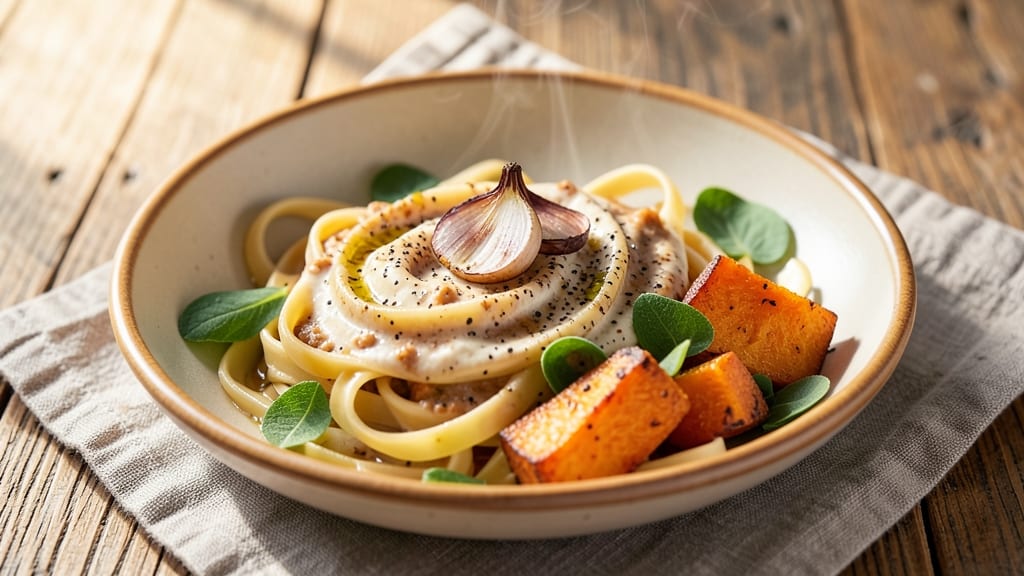
This autumn pasta sauce recipe transforms humble squash and sage into a velvety, nutmeg-kissed sauce that clings to every strand of pasta.
The secret lies in roasting butternut squash until caramelized, then blending it with toasted sage and a touch of cream—creating depth that elevates any dish from ordinary to extraordinary.
What starts as a simple sauce becomes a flavor powerhouse with just 15 minutes of active prep and 30 minutes of roasting.
The sauce’s versatility makes it perfect for both traditional and modern meals. Toss it with penne for a cozy weeknight dinner or use it as a rich glaze for roasted vegetables.
The nutmeg adds warmth that bridges the gap between sweet and savory, while the roasted squash brings natural sweetness that balances the earthy sage. Unlike heavy creamy sauces, this one stays light yet luxurious—ideal for those who crave flavor without heaviness.
Storage is simple: refrigerate for up to 5 days or freeze for 3 months. The flavors actually deepen over time, making it a perfect make-ahead sauce for busy weeks.
Pair it with farro for a heartier texture or gluten-free noodles for a lighter option—this sauce adapts to any dietary need while keeping its rich, autumnal character.
Whether you're serving it as a main course or a side, this sauce delivers restaurant-quality results with minimal effort. The caramelized squash and toasted sage create a symphony of flavors that will have everyone asking for seconds. Let’s create something special that tastes like fall in every bite.
Ingredients for autumn pasta sauce
Roasted squash, toasted sage, and nutmeg create this velvety autumn sauce—simple ingredients with restaurant-quality depth.
| Ingredient | Amount | Notes |
|---|---|---|
| Butternut Squash 🎃 | 2 cups | Cubed, peeled, and roasted |
| Fresh Sage Leaves 🌿 | ½ cup | Torn, not chopped |
| Heavy Cream 🥛 | ½ cup | Full-fat for richness |
| Extra-Virgin Olive Oil 🫒 | ¼ cup | High quality, fruity |
| Garlic Cloves 🧄 | 3 cloves | Peeled, roughly chopped |
| Ground Nutmeg 🌶️ | ¼ tsp | Freshly grated preferred |
| Kosher Salt 🧂 | ½ tsp | Diamond Crystal preferred |
| Black Pepper 🌶️ | ¼ tsp | Freshly ground preferred |
| Penne Pasta 🍝 | 12 oz | For serving suggestion |
| Parmesan Cheese 🧀 | ¼ cup | Freshly grated, optional garnish |
The butternut squash is the heart of this sauce—choose a small, dense squash for sweeter flavor. Whole Foods or Trader Joe's carry the best quality, often pre-cut for convenience. Roast until caramelized (about 30 minutes at 400°F) for that natural sweetness that balances the earthy sage. Fresh sage is non-negotiable here—dried won't give you that same aromatic punch. If you can't find fresh, dried oregano at half the amount is a decent substitute, though it won't be identical. The nutmeg should be freshly grated for maximum warmth—pre-ground loses potency quickly.
No heavy cream? Full-fat coconut milk works beautifully, though the texture will be slightly lighter. Running short on olive oil? Avocado oil has a higher smoke point and similar flavor neutrality. The garlic can be roasted with the squash for a sweeter, mellower taste—just toss it in the same pan before blending. For a dairy-free option, swap the heavy cream for cashew cream (blend soaked cashews with water). The Parmesan is optional but adds that final umami touch—Kirkland brand from Costco is my go-to for freshness and affordability. If you're making this ahead, the sauce actually improves overnight as the flavors meld.
This sauce reheats beautifully—just warm gently on the stove with a splash of water or pasta water to loosen it up. Store in an airtight container in the fridge for 5 days, or freeze for 3 months in portion-sized containers. For best results, thaw overnight in the fridge. The sauce thickens as it cools, so add a splash of water or milk when reheating. I always make a double batch—one for dinner and one to freeze for lazy weeknights. The flavors deepen over time, making it even more special the next day.
Why You'll Love This Recipe
- One-Pot Wonder: I swear by this recipe when I’m too tired to wash a second pan. Roast the squash and garlic right in the same pot you’ll toss the pasta in—just scrape, simmer, and serve. No extra dishes, no stress.
- Sage & Cream Magic: That first bite of warm pasta coated in creamy sauce, with bright sage and nutty squash? It’s the kind of flavor that makes you pause mid-chew. The heavy cream smooths out the sweetness while the olive oil keeps it rich without being heavy.
- Weeknight to Dinner Party: Between us—this sauce is my go-to for when my in-laws drop by unexpectedly. It’s hearty enough for a crowd but still feels special, like I actually planned it. (Spoiler: I didn’t. But they’ll never know.)
- Budget-Friendly Luxury: Butternut squash stretches farther than you’d think, and a few fresh sage leaves go a long way. I’ve made this for four people for under $12, and the leftovers? Even better the next day. That’s a win in my book.
Step-by-step instructions for roasted squash and sage pasta sauce
This method transforms simple ingredients into a rich, autumnal sauce with perfect balance.
Roast the Butternut Squash Until Caramelized
Preheat your oven to 400°F and line a baking sheet with parchment paper. Toss the 2 cups butternut squash with 1 tablespoon of the extra-virgin olive oil, ¼ teaspoon of the kosher salt, and ⅛ teaspoon of the black pepper. Spread in a single layer, cut-side down, for even browning.
Roast for 25-30 minutes until the edges are deeply caramelized and a knife slides in easily. The squash should be tender but still hold its shape—overcooking turns it mushy. Real talk: if you see steam when you open the oven, it's not ready yet. Let it cool slightly before scraping into a food processor.
Sauté Garlic and Sage in Olive Oil
While the squash roasts, heat the remaining 1 tablespoon extra-virgin olive oil in a large skillet over medium heat. Add the 3 cloves garlic and cook for 30 seconds until fragrant but not browned—burnt garlic tastes bitter. Immediately add the ½ cup fresh sage leaves and cook for another 1-2 minutes until just wilted.
Remove from heat and set aside. Here's the thing—don't let the sage burn. It should be bright green when you add it to the squash later. If it darkens, start fresh with a new batch. This is where the sauce's herbal depth comes from, so pay attention.
Blend the Sauce Base with Nutmeg and Cream
Transfer the roasted squash to a food processor along with the sautéed garlic and sage. Add ½ teaspoon kosher salt, ¼ teaspoon black pepper, and ¼ teaspoon ground nutmeg. Pulse until smooth, scraping down the sides as needed. With the processor running, slowly drizzle in the ½ cup heavy cream until fully incorporated.
The sauce should be velvety with a vibrant orange hue. Taste and adjust seasoning—you might need a pinch more salt to balance the sweetness of the squash. If it's too thick, thin with 1-2 tablespoons pasta water later. This is your flavor foundation, so don't rush blending.
Cook the Penne and Finish the Sauce
Bring a large pot of salted water to a boil and cook the 12 oz penne pasta according to package directions until 1 minute shy of al dente. Reserve ½ cup pasta water before draining. Add the drained pasta to the sauce in the skillet and toss to coat, adding reserved pasta water as needed to loosen the sauce.
Simmer for 2-3 minutes until the pasta absorbs the sauce completely. The sauce should cling beautifully to each strand without being watery. If it's too thick, add more pasta water 1 tablespoon at a time. The nutmeg and sage flavors should sing while the squash's natural sweetness balances the richness.
Serve with Freshly Grated Parmesan
Divide the pasta among serving plates and top each portion with 1 tablespoon freshly grated parmesan cheese. The cheese adds a bright, salty contrast to the creamy, earthy sauce. I like to finish with an extra sprinkle of black pepper and a few torn sage leaves for visual appeal and fresh aroma.
Serve immediately while the pasta is hot. The sauce will continue to meld as it sits, but this dish tastes best fresh off the stove. The nutmeg adds warmth, the sage brings herbal brightness, and the roasted squash gives depth—all perfectly balanced in every bite.
Pro Tips For Making Autumn Pasta Sauce
- Roast Squash Until Caramelized: Squash straight from the oven is where the magic happens—don’t stop at tender. Roast the cubes at 400°F (200°C) for 30-40 minutes, stirring once, until edges turn deep golden and edges crisp slightly. This caramelization adds depth that raw or steamed squash can’t match.
- Toast Sage in Olive Oil: Fresh sage needs a quick sear to wake up its flavor. Heat 1 tablespoon of olive oil in the pan until shimmering, then add whole leaves for 10 seconds until fragrant—just enough to crisp the edges. Remove them early; they’ll finish cooking in the sauce but won’t turn bitter.
- Simmer Cream Low and Slow: Heavy cream scalds faster than you think. After adding it to the sauce, reduce heat to low and let it simmer gently for 3-4 minutes, stirring often. Skipping this step makes the sauce split or taste raw—no one wants curdled autumn vibes.
- Deglaze with Garlic First: Don’t rush the garlic. After cooking it until fragrant (but not brown), splash in a splash of pasta water or white wine to lift those sticky bits before adding the squash. This builds flavor layer by layer—like a tiny, delicious foundation.
Storing and reheating this dish
Refrigerator Storage
Let your sauce cool completely before transferring to an airtight container—I prefer glass Pyrex with snap-on lids for easy reheating. Store in the fridge for up to 5 days, but I find the flavors actually deepen after 24 hours as the nutmeg and sage meld together.
The sauce thickens slightly when chilled, so stir in 1-2 tablespoons water or pasta water when reheating. 🌿
Freezer Prep Tips
For long-term storage, portion the sauce into quart-sized freezer bags or silicone molds to thaw exactly what you need. Leave ½ inch headspace to prevent expansion cracks. Label with the date—this sauce stays delicious for 3 months in the freezer.
Thaw overnight in the fridge for best texture, or use the microwave defrost setting for a quick fix. ❄️
Reheating Like a Pro
Stovetop reheating preserves texture best: warm in a saucepan over medium-low heat for 3-5 minutes, stirring occasionally. Add 1-2 tablespoons water or pasta water to loosen if needed.
For microwave reheating, cover with a damp paper towel and heat in 30-second bursts, stirring between each. Never microwave uncovered—it splatters everywhere! 🔥
Pasta Pairing Hacks
This sauce clings beautifully to penne, but I also love it with farro for a heartier texture or gluten-free spaghetti for a lighter option. For extra richness, toss in ½ cup cooked lentils when reheating.
The nutmeg and sage flavors work surprisingly well with roasted chicken or seared scallops too—great for meal prep! 🍝
Flavor Boosts After Storage
If your sauce tastes flat after reheating, it likely needs a salt adjustment or acid balance. A squeeze of fresh lemon juice (½ tsp) brightens flavors, while a pinch of smoked paprika adds depth.
For extra richness, stir in 1 tablespoon cream or butter at the end. The key is to taste and adjust—this sauce is forgiving! 💡
Freezer to Fridge Transition
When transferring frozen sauce to the fridge, place it in the coldest part of the fridge (usually the back of the bottom shelf) to prevent temperature fluctuations.
If you're short on time, run the bag under cold water while sealed to speed up thawing. Never refreeze—this sauce is best enjoyed fresh after thawing. The texture remains velvety if handled gently. 💫
Nutrition facts
Frequently asked questions
Can I use sweet potatoes instead of butternut squash?
Sweet potatoes work beautifully—they add a slightly sweeter, earthier flavor that pairs perfectly with the nutmeg and sage. Just roast them at 400°F for 20-25 minutes until tender, as they cook faster than butternut squash. The texture will be slightly denser, but the sauce will still be velvety when blended.
How do I make this sauce dairy-free?
Swap the heavy cream for ½ cup full-fat coconut milk or cashew cream (blend ½ cup soaked cashews with ¼ cup water). For extra richness, add 1 tablespoon nutritional yeast when blending. The sauce will still be creamy, though slightly lighter in texture.
Why does my sauce taste bland after reheating?
Reheated sauces often lose brightness, but this one just needs a quick flavor boost! Add ½ teaspoon lemon juice or 1 teaspoon balsamic vinegar to cut through richness, or sprinkle in ¼ teaspoon smoked paprika for depth. Stir in 1 tablespoon butter at the end for extra richness too. Taste as you go—this sauce is forgiving!
Can I make this sauce without a food processor?
Yes! Use an immersion blender directly in the skillet after roasting the squash. If you don't have one, mash the roasted squash with a potato masher, then whisk vigorously with the cream and seasonings. The texture will be slightly chunkier but still delicious. Just blend longer to achieve a smoother consistency.
What's the best pasta to use with this sauce?
This sauce clings beautifully to penne or rigatoni, but it also works with farro for a heartier texture or gluten-free spaghetti for a lighter option. For extra protein, toss in ½ cup cooked lentils or crispy chickpeas when reheating. The nutmeg and sage flavors even pair well with roasted chicken or seared scallops!