
Sauces & Condiments
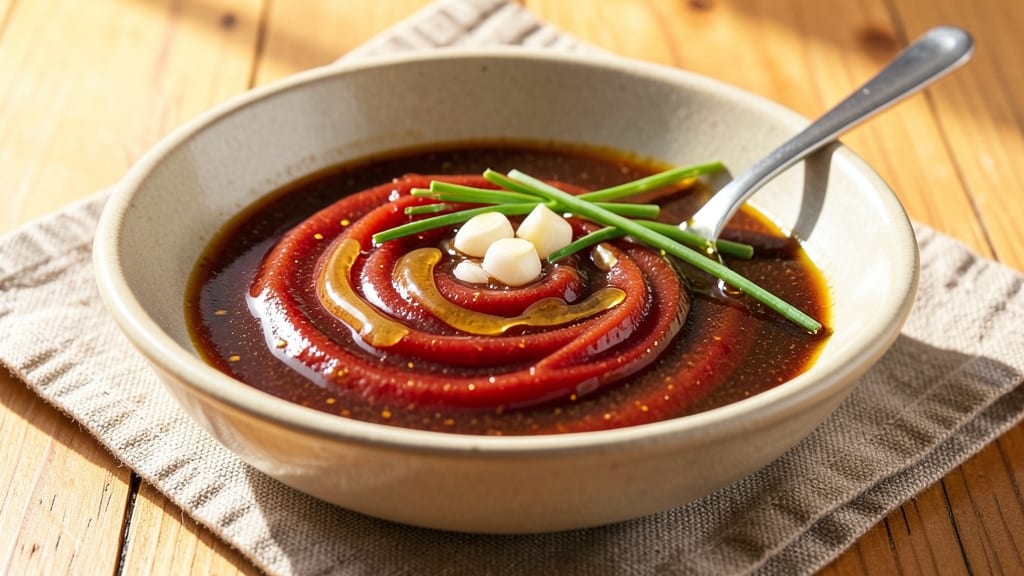
This authentic gochujang sauce recipe transforms simple ingredients into a fermented spice bomb with layers of umami, heat, and complexity.
The key lies in balancing Korean red pepper paste with sweet and savory elements—like honey, soy sauce, and garlic—to create a versatile sauce that elevates everything from marinades to dipping sauces. Unlike store-bought versions, this recipe delivers depth through fermentation, where flavors meld over time for a restaurant-quality result.
The foundation of this sauce is gochujang, a fermented chili paste that brings both heat and umami, but it’s the supporting ingredients that make it truly special.
A touch of honey or sugar balances the spice, while soy sauce and vinegar add depth, and garlic or sesame oil introduces aromatic richness.
The sauce can be made in minutes for immediate use or fermented for days to develop even more complexity—your choice depends on how soon you need it.
What sets this gochujang sauce apart is its authentic fermentation process, which enhances its flavor profile without overpowering the natural taste of the gochujang.
Whether you’re using it as a marinade for grilled meats, a dipping sauce for dumplings, or a glaze for roasted vegetables, the sauce’s versatility makes it a must-have in your kitchen. The best part?
It keeps well in the fridge for up to two weeks, so you can make a big batch and use it all season.
For those new to fermentation, don’t worry—this recipe simplifies the process without sacrificing authenticity. The instructions guide you through blending, fermenting, and adjusting the sauce to your preferred spice level, ensuring you achieve a bold, balanced, and deeply flavorful result every time. Let’s get started!
Ingredients for authentic gochujang sauce
Ten ingredients transform into a bold, fermented sauce bursting with umami and heat.
| Ingredient | Amount | Notes |
|---|---|---|
| Gochujang (Korean Red Pepper Paste) 🌶️ | ½ cup | High-quality, fermented gochujang preferred |
| Honey 🍯 | ¼ cup | Raw or wildflower for depth |
| Soy Sauce 🍶 | ¼ cup | Japanese or Korean preferred |
| Rice Vinegar 🍶 | ¼ cup | White or seasoned variety |
| Sesame Oil 🫒 | 1 tbsp | Toasted sesame oil for aroma |
| Garlic Cloves 🧄 | 4 cloves | Freshly minced for potency |
| Ginger Root 🌿 | 1 tbsp | Freshly grated, peeled |
| Sesame Seeds 🌰 | 1 tbsp | Toasted lightly for crunch |
| Salt 🧂 | ½ tsp | Kosher or sea salt |
| Water 💧 | ½ cup | Filtered preferred for clarity |
The gochujang is non-negotiable—look for Korean brands like Maesil or Gochujang at Asian markets or well-stocked grocery stores. The deeper the red color and the stronger the fermented aroma, the better. If you can't find it fresh, freeze it in small portions to preserve potency. Honey should be raw or wildflower for authentic depth, while Korean soy sauce (ganjang) adds an extra layer of complexity. For vinegar, seasoned rice vinegar works best—it’s sweeter and more aromatic than white. Toast your sesame seeds in a dry pan for 30 seconds until fragrant; they’ll add texture and aroma to the sauce.
No gochujang? Substitute with a mix of 2 tbsp red pepper flakes, 1 tbsp tomato paste, and 1 tsp smoked paprika—though it won’t ferment the same. Swap honey for maple syrup or agave if needed, but the sauce will be slightly less complex. Short on sesame oil? Avocado oil or neutral oil works, but toast the seeds separately for flavor. Fresh ginger and garlic are ideal, but powdered versions at half the amount can work in a pinch. For a smoother sauce, blend the garlic and ginger first before adding to the mix. If you’re fermenting, reduce the water slightly to concentrate flavors.
Store in an airtight glass jar in the fridge for up to 2 weeks—the longer it ferments, the deeper the flavor. For best results, shake before each use to redistribute the sesame seeds. Freeze portions in ice cube trays for single-use servings. If the sauce separates, stir vigorously before using. Leftovers? Use within 3 months when frozen. This sauce elevates everything—drizzle over noodles, use as a marinade, or serve with dumplings.
Why You'll Love This Recipe
- Five-Ingredient Magic: I swear by this combo—gochujang’s deep umami, honey’s sweet warmth, and that final hit of sesame oil. No fancy techniques, just stir, taste, adjust. The kind of sauce that makes you want to lick the spoon.
- No-Waste Flexibility: This stuff doesn’t just disappear after one use. Drizzle it over grilled chicken, toss it with noodles, or even mix it into mayo for sandwiches. Honestly, I’ve used the last bit as a marinade for tofu—works every time.
- Sweet Heat Balance: The gochujang gives it that signature Korean kick, but the honey and rice vinegar soften it into something approachable. Not too spicy, not too sweet—just perfectly addictive. (Yes, even on a Tuesday night.)
- Pantry Staple Power: You’re probably already stocked for this. Gochujang, soy sauce, honey—basic ingredients that cost next to nothing. I made a double batch last week and still have half left. That’s savings right there.
Step-by-step instructions for authentic gochujang sauce
Here's how to craft this bold, fermented sauce with perfect balance every time.
Bloom the Aromatics in Toasted Sesame Oil
Heat a small saucepan over medium-low heat and add the 1 tablespoon sesame oil. Let it warm for 30 seconds until it shimmers slightly—you'll see tiny bubbles form at the edges. This is your signal to add the 4 cloves minced garlic and 1 tablespoon freshly grated ginger root.
Cook the aromatics for 1-2 minutes until they become fragrant and just begin to turn golden at the edges. Here's the thing—don't let them brown completely, or you'll burn the delicate garlic flavor. The moment you catch that toasty aroma (it's unmistakable), remove the pan from heat and set it aside. This quick cooking preserves their freshness while developing their flavors.
Combine Wet Ingredients for Balanced Flavor
In a medium saucepan, combine the 0.5 cup gochujang, 0.25 cup honey, 0.25 cup soy sauce, and 0.25 cup rice vinegar. Stir with a wooden spoon until the gochujang is fully dissolved—it has a thick, paste-like consistency that needs to be broken down completely. Add the 0.5 cup water and the toasted garlic-ginger mixture from Step 1.
Place the saucepan over medium heat and bring to a gentle simmer. You'll notice the sauce thicken slightly as it warms, but don't let it boil vigorously. Instead, maintain a steady simmer for 5 minutes, stirring occasionally. This allows the flavors to meld without developing a harsh, cooked taste. The sauce should smell complex—sweet, tangy, and with that unmistakable fermented heat from the gochujang.
Simmer and Season to Perfection
After the initial 5 minutes of simmering, reduce the heat to low and continue cooking for another 3-4 minutes. This slow reduction deepens the flavors and allows the sauce to thicken naturally. Taste it now—you should detect layers of sweetness from the honey, acidity from the rice vinegar, umami from the soy sauce, and that signature fermented heat from the gochujang.
Add the 0.5 teaspoon salt and stir well. The salt should enhance all the flavors without overpowering them. If the sauce is too thick for your liking (it should coat the back of a spoon but still be pourable), add 1-2 tablespoons of water to reach your desired consistency. Real talk: this sauce is versatile—use it as a glaze, dipping sauce, or marinade, so adjust the thickness based on your planned application.
Finish with Toasted Sesame Seeds
Remove the sauce from heat and transfer it to a bowl. Here's where it gets good—sprinkle the 1 tablespoon sesame seeds over the surface and let them sit for 1 minute. This brief rest allows the seeds to absorb some of the sauce's moisture, which will give them a subtle toasted flavor when you stir them in.
Using a silicone spatula, gently fold the sesame seeds into the sauce until they're evenly distributed. The seeds add a delightful crunch and nutty depth that complements the fermented heat. Let the sauce cool to room temperature before serving—this allows the flavors to settle and intensify. Store any leftovers in an airtight container in the refrigerator for up to 2 weeks, though I promise you won't have any leftovers.
Pro Tips For Making Authentic Gochujang Sauce
- Warm the Gochujang First: Skip the cold paste—mix gochujang with a splash of warm water (or even a quick microwave zap for 10 seconds) before adding other ingredients. Cold gochujang thickens the sauce like glue and makes it harder to emulsify. Trust me, your sauce will be smoother and less clumpy.
- Use Raw Honey, Not Processed: Raw honey blends better and adds depth without graininess. Processed honey? It’ll separate and leave a weird film on top. If you’re in a pinch, dissolve it in a tiny bit of warm water first—just don’t overdo it or the sauce turns syrupy.
- Balance Heat Gradually: Taste as you go—add soy sauce and vinegar first, then adjust gochujang to taste. Dumping all the paste in upfront guarantees a mouth-on-fire regret. Start with half the amount, let it sit, then decide if you need more.
- Finish with Sesame Oil Last: Stir in sesame oil off the heat at the very end—it burns faster than you’d think. If you add it early, the aroma flies out the window, and your sauce loses that nutty, toasty punch. A few drops at the end? That’s the magic.
Wine and beer pairings for these flavors
Korean Rice Wine Pairings
For an authentic experience, pair your gochujang sauce with Korean rice wine (makgeolli)—its light effervescence and subtle sweetness cut through the sauce's heat while enhancing its umami depth. I recommend chilled makgeolli from brands like Sulwhasoo or Bokdam, served in small ceramic cups.
The traditional fermentation process of makgeolli mirrors the gochujang's complexity, creating a harmonious flavor bridge. 🍶
Japanese Sake Options
If you prefer sake, opt for a dry junmai ginjo with its crisp acidity and delicate floral notes. Brands like Dassai or Hakkaisan work beautifully—their clean finish balances the sauce's richness without overpowering it. Serve slightly chilled to highlight the sake's subtle sweetness and the gochujang's fermented depth.
Craft Beer Complements
For beer lovers, try a Korean hoppy IPA like Hite or Cass—their citrusy bitterness contrasts the sauce's sweet-spicy profile. Alternatively, a wheat beer such as Hite Beer's Wheat Beer provides a refreshing, slightly tangy counterpoint. The beer's effervescence also cleanses the palate between bites.
Non-Alcoholic Choices
Don’t drink alcohol? A sparkling yuja tea (citrusy and floral) or iced hibiscus tea (tart and refreshing) work wonderfully. For something bolder, try barley tea—its nutty, toasty notes complement the gochujang's depth. All of these beverages enhance the sauce's complexity without competing for attention. ✨
Wine for Western Palates
If you prefer wine, a dry Riesling with its bright acidity and hints of peach balances the sauce's heat and sweetness. Look for German or Alsatian Rieslings like Dr. Loosen Blue Slate or Trimbach Gewürztraminer for a touch of spice.
Serve slightly chilled to let the wine's crispness shine alongside the gochujang's fermented boldness.
Nutrition facts
Frequently asked questions
Can I make this gochujang sauce without fermentation?
Skip the fermentation step by simply blending all ingredients and simmering for 10-12 minutes instead of 5-7 days. The sauce will still be flavorful but less complex. For immediate use, this method works perfectly for glazes or quick marinades. Just reduce the water slightly to maintain balance.
How do I adjust the spice level?
Start with the full 0.5 cup gochujang for medium heat. For milder sauce, reduce to 0.3 cup and add 1 extra tablespoon honey. For extra spice, increase to 0.6 cup gochujang and add 0.5 teaspoon red pepper flakes. Taste as you go—adjust in 0.1 cup increments.
What's the best way to use leftover gochujang sauce?
This versatile sauce works as a marinade for grilled chicken or tofu, a dipping sauce for dumplings or spring rolls, or a glaze for roasted vegetables. For extra richness, stir 1 teaspoon miso paste into 2 tablespoons sauce before using. The sauce also freezes beautifully—portion into ice cube trays for single-use servings.
Why does my sauce separate after refrigeration?
This happens when the sesame seeds and oils separate from the liquid base. Simply stir vigorously before using—no need to remake it! For a smoother texture, blend briefly with an immersion blender. To prevent separation, store the sauce in a jar and shake well before each use. The natural oils will re-emulsify with gentle mixing.
Can I substitute honey with another sweetener?
Yes! Use maple syrup or agave at a 1:1 ratio for similar sweetness. For a deeper caramel note, try brown sugar** (dissolved in warm water) at 0.2 cup. Avoid powdered sweeteners—they can alter the sauce's texture. If substituting, taste and adjust the vinegar balance (add 0.5 teaspoon more if needed for tang).