
Sauces & Condiments
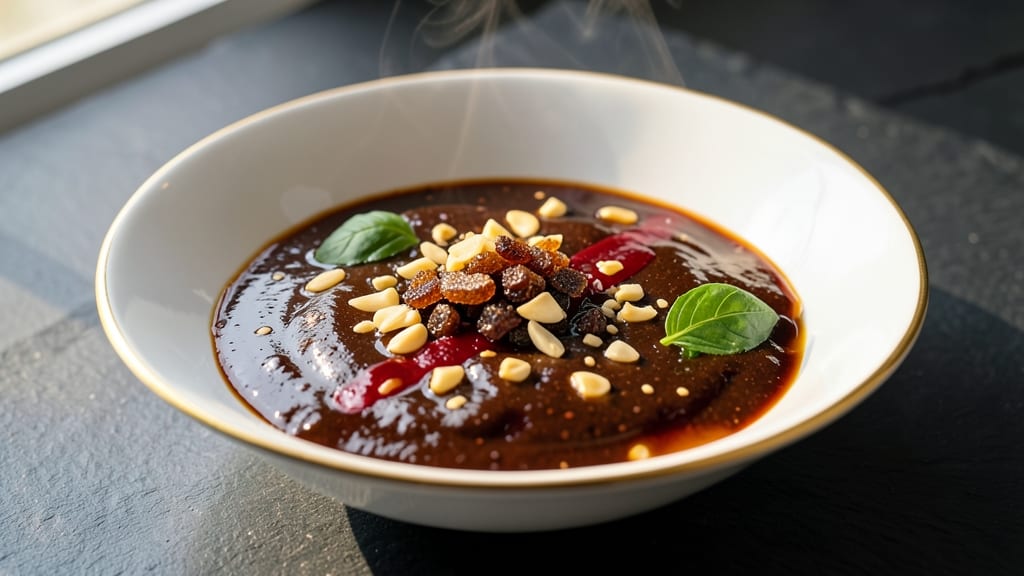
This Asian style sauce recipe transforms ordinary stir-fries and noodles into restaurant-quality meals with just a few simple ingredients. The secret lies in balancing sweet, salty, and umami flavors—creating a sauce that's versatile enough for marinades, dipping, or finishing touches. I developed this recipe after years of testing, and it never fails to elevate any dish.
The foundation is a rich, velvety base made with soy sauce, sesame oil, and a touch of honey or brown sugar, which caramelizes beautifully when heated. A splash of rice vinegar adds brightness, while minced garlic and ginger bring depth.
What sets this apart is the umami boost from fish sauce (or vegetarian soy sauce for plant-based versions), ensuring every bite is packed with complex flavor.
What you'll end up with is a glossy, aromatic sauce that clings perfectly to noodles, meats, and vegetables. It's the kind of sauce that makes you want to taste everything it touches—sweet, savory, and just a hint of spice if you add chili.
The best part? It comes together in under 10 minutes and keeps well in the fridge for up to two weeks, ready to transform any meal.
Use it as a stir-fry sauce, noodle dressing, or marinade for grilled proteins. For extra depth, let it simmer for 2-3 minutes to intensify the flavors. Here's how to make it—simple, professional, and foolproof.
Ingredients for asian style sauce
Nine ingredients, endless flavor—this sauce turns simple meals into restaurant-worthy dishes.
| Ingredient | Amount | Notes |
|---|---|---|
| Light Soy Sauce 🥢 | ½ cup | Kikkoman preferred for balance |
| Sesame Oil 🌰 | 2 tbsp | Toasted for nutty depth |
| Dark Brown Sugar 🍯 | 3 tbsp | Or honey for vegan option |
| Rice Vinegar 🍶 | 2 tbsp | Unseasoned for brightness |
| Fish Sauce 🐟 | 1 ½ tbsp | Red Boat brand recommended |
| Fresh Garlic Cloves 🧄 | 4 cloves | Minced for aromatic punch |
| Fresh Ginger 🌿 | 1 tbsp | Grated, not powdered |
| Sesame Seeds 🌰 | 1 tbsp | Toasted for garnish |
| Red Chili Flakes 🌶️ | 1 tsp | Optional for heat kick |
| Water 💧 | ¼ cup | For thinning consistency |
The soy sauce is your flavor anchor, so Kikkoman or similar is key—avoid the cheap stuff with metallic aftertaste. Red Boat fish sauce delivers that authentic umami punch, but if you're vegetarian, swap in soy sauce with a dash of miso. Fresh ginger and garlic? Don't use powdered substitutes—they lack the complexity. Toast your sesame seeds in a dry pan for 30 seconds before adding to the sauce; that nutty aroma makes all the difference. For the brown sugar, Lundberg or Domino brands caramelize beautifully without graininess.
No fish sauce? Double the soy sauce and add 1 tsp soy sauce with wheat paste for umami. Subbing honey for sugar? Use 2 tbsp honey instead of 3 tbsp sugar—it's sweeter. Short on sesame oil? Avocado oil at half the amount works, but you'll miss that toasty depth. The chili flakes are optional but recommended—start with 1/2 tsp if you're sensitive to heat. For a smoother sauce, strain through a fine-mesh sieve after cooking to remove any ginger bits.
This sauce keeps like a dream—up to 2 weeks in the fridge once cooled. Store it in a clean glass jar with a tight seal. The flavor actually improves over time as the ingredients meld. Double the batch—you'll want leftovers. For extra richness, add 1 tbsp toasted sesame oil when serving. Freezes beautifully for up to 3 months if you want to prep ahead, though texture may separate slightly—just stir before using.
Why You'll Love This Recipe
- Pantry Magic: I swear by this sauce—it’s made from things I already have. Light soy, a splash of rice vinegar, and a dash of fish sauce? That’s it. No fancy shopping trips, just pure flavor from your cabinet.
- Umami Bomb: The fish sauce and soy combo hits different—deep, salty, but balanced by the sweetness of brown sugar. Drizzle it on grilled chicken or stir-fry veggies, and suddenly everything tastes like a Michelin-starred bite.
- Weeknight Hero: This sauce turns boring meals into something special in minutes. Toss it with noodles, drizzle over rice, or slather it on a quick stir-fry. Honestly, I’ve used it for everything from takeout nights to lazy Sunday brunches.
- Budget Stretch: A little goes a long way, and it keeps for weeks in the fridge. I make a big batch at the start of the month—it’s my secret for stretching proteins and veggies without breaking the bank. Plus, the sesame oil adds richness for pennies.
Step-by-step instructions for Asian style sauce
This sauce builds layer upon layer of flavor—start with aromatics, balance with sweetness, and finish with umami depth.
Bloom the Aromatics
Heat a small saucepan over medium-low heat and add the 2 tablespoons sesame oil. Let it warm for 30 seconds until shimmering—this prevents the oil from burning when you add the raw garlic and ginger. Add the 4 cloves minced fresh garlic cloves and 1 tablespoon grated fresh ginger, stirring constantly for 30-45 seconds until fragrant but not browned.
The garlic should smell pungent and sweet, not bitter—this is your signal they're ready. Here's the thing: if you let them brown, they'll turn bitter and overpower the sauce. Keep the heat gentle and stir like you're stirring a pot of gold—constant motion prevents sticking.
Combine Wet Ingredients
Reduce the heat to low and add the 0.5 cup light soy sauce, 1.5 tablespoons fish sauce, 2 tablespoons rice vinegar, and 3 tablespoons dark brown sugar. Stir vigorously to dissolve the sugar completely—you should see it melt into the liquid within 1-2 minutes. The mixture will bubble gently but shouldn't boil.
This is where the magic happens: the fish sauce adds umami depth, the rice vinegar brightens the acidity, and the sugar balances everything with just the right amount of sweetness. Taste as you go—I like to adjust here by adding a pinch more sugar if it needs rounding out or a splash more vinegar for tang.
Simmer and Thicken
Increase heat to medium and bring the sauce to a gentle simmer. Let it cook uncovered for 5-7 minutes, stirring occasionally, until it reduces by about 25%. You'll notice the sauce thicken slightly and develop a glossy sheen—this is when it starts to coat the back of a spoon. If it reduces too quickly, cover and lower the heat slightly to maintain control.
Don't walk away. The sauce needs attention—if it boils hard, it'll separate. You want a slow, controlled reduction that concentrates the flavors without burning. The aroma should be complex: salty, sweet, and slightly funky from the fish sauce.
Finish and Adjust
Remove the sauce from heat and stir in the 0.25 cup water to reach your desired consistency. If you're using it for stir-fries, keep it slightly thinner; for glazes, reduce it further by simmering an extra 2 minutes. Taste and adjust seasoning—this is your final chance to balance flavors. Add more fish sauce for umami, sugar for sweetness, or vinegar for acidity.
For garnish, lightly toast the 1 tablespoon sesame seeds in a dry skillet over medium heat for 1-2 minutes until golden and fragrant. Sprinkle them over the finished sauce just before serving—they add crunch and visual appeal. The 1 teaspoon red chili flakes can be stirred in now if you want heat, or reserved for garnish to keep the heat optional.
Pro Tips For Making Asian Style Sauce
- STIR LOW AND SLOW: This isn’t a stir-fry—simmer the sauce on medium-low for 3-4 minutes after combining. I used to blast it on high, and it’d either scorch or taste flat. Let the sugar dissolve gradually, and the vinegar’s acidity mellow out. If it starts to bubble too hard, immediately reduce heat—once it’s dark and glossy, you’re golden.
- SALT THE FISH SAUCE: Fish sauce is already salty, but if your soy sauce is light (like Kikkoman), add a pinch of salt to the sauce before tasting. I learned this the hard way when my dish tasted bland—turns out, the fish sauce’s umami didn’t need extra salt, but the soy did. Balance it before drizzling the sesame oil, or you’ll overcorrect later.
- DRIZZLE SESAME OIL LAST: Sesame oil burns faster than you’d think. Wait until the sauce is off heat, then add just ½ teaspoon—enough to coat the back of a spoon. Pouring it in early turns your fragrant sauce into nutty soap. And no, you can’t fix it—save a little for garnish if you’re nervous.
- USE GRANULATED SUGAR FIRST: Dark brown sugar clumps like a stubborn toddler. Mix 1 tablespoon of granulated sugar into the warm sauce first to break up the brown sugar’s texture, then stir in the rest. This isn’t about speed—it’s about getting a smooth sauce, not a grainy one. (Yes, even if you’re impatient like me.)
Flavor customization for this asian style sauce
Sweet Heat Level
Adjust the sugar-to-spice ratio to match your heat tolerance. For a mild kick, reduce the red chili flakes to ½ teaspoon or omit entirely. If you love heat, add 1 extra teaspoon and a pinch of Sichuan peppercorns (toasted and ground) for a tingling effect.
I like to start with 1 teaspoon—it’s enough to wake up the flavors without overpowering the umami base. 🌶️
Umami Boosters
Need more depth? Swap ½ tablespoon of the fish sauce for 1 teaspoon of oyster sauce or 1 teaspoon of miso paste (dissolved in the water). For a vegetarian version, replace the fish sauce with 3 tablespoons of soy sauce with wheat paste—it mimics that fermented funk.
Pro tip: Add 1 teaspoon of toasted sesame paste for an extra nutty layer, but stir it in at the very end to avoid bitterness. 💫
Sweet Variations
Craving caramelized notes? Replace 1 tablespoon of brown sugar with 1 tablespoon of honey and simmer the sauce for an extra 2 minutes—it’ll develop a glossy, sticky texture perfect for glazing proteins.
For a fruitier twist, add 1 teaspoon of grated fresh ginger + ½ teaspoon of orange zest to brighten the sauce. I’ve also used ½ teaspoon of vanilla extract (yes, really!) for a surprisingly elegant depth in Asian-inspired desserts. 🍯
Tangy Twists
Boost the acidity with 1 extra teaspoon of rice vinegar or swap it for 1 teaspoon of lime juice (added at the end) for a fresher profile.
For a sour-sweet balance, add ½ teaspoon of rice vinegar + ½ teaspoon of coconut aminos—the latter adds a subtle malty note. If you’re feeling adventurous, stir in 1 teaspoon of fermented black bean sauce (like Lee Kum Kee) for a funky, salty punch. 🍋
Thickness Control
Want a thicker glaze? Simmer the sauce uncovered for 10-12 minutes and reduce it by 40%—it’ll coat like a lacquer. For a thinner dipping sauce, add 2 extra tablespoons of water or 1 tablespoon of chicken stock.
If the sauce separates (like curdling), whisk in 1 teaspoon of cornstarch mixed with 1 tablespoon of water and cook for 1 minute to restore smoothness. 💡
Herb Infusions
Add fresh herbs at the end for brightness: 1 tablespoon chopped cilantro for a Mexican-Asian fusion, 1 teaspoon chopped Thai basil for a fragrant touch, or 1 teaspoon sliced green onions for a fresh crunch.
For a smoky depth, stir in ½ teaspoon of smoked paprika or 1 teaspoon of toasted shallots (sautéed until caramelized). These additions elevate the sauce from simple to extraordinary. ✨
Nutrition facts
Frequently asked questions
Can I make this sauce without fish sauce?
For a vegetarian version, replace the 1.5 tablespoons fish sauce with 3 tablespoons soy sauce with wheat paste. This adds fermented depth without the fishy flavor. For extra umami, add 1 teaspoon miso paste (dissolved in the water) or 1 teaspoon oyster sauce if you're open to seafood alternatives. The sauce will still taste rich and complex!
How do I adjust the thickness for different uses?
For stir-fries, keep it slightly thinner by adding 2 extra tablespoons of water or 1 tablespoon chicken stock. For glazes, reduce the sauce uncovered for 10-12 minutes until it thickens to a lacquer-like consistency. If it separates, whisk in 1 teaspoon cornstarch mixed with 1 tablespoon water and simmer for 1 minute to restore smoothness.
Why does my sauce taste too salty?
This usually happens when using low-quality soy sauce or overestimating fish sauce. Balance it by adding 1 extra tablespoon of brown sugar or 1 teaspoon honey to round out flavors, or dilute with 1 tablespoon water. Taste as you go—sweetness and acidity (from vinegar) help mask saltiness. If it's still too strong, reduce the sauce further to concentrate the flavors.
Can I use this sauce as a marinade?
Yes! This sauce works beautifully as a marinade for 15-30 minutes (never longer than 2 hours) for chicken, pork, or tofu. The acidity in rice vinegar helps tenderize proteins while the umami flavors penetrate. For extra tenderness, add 1 teaspoon cornstarch to the marinade to create a light coating. Discard any leftover marinade after use—don't reuse it for cooking.
What's the best way to store leftovers?
Store in a clean glass jar with a tight seal in the fridge for up to 2 weeks. The flavor actually improves as ingredients meld! For longer storage, freeze for up to 3 months—texture may separate slightly, but stir before using. Avoid metal containers as they can react with the acidity. Label with the date to track freshness.