
Sauces & Condiments
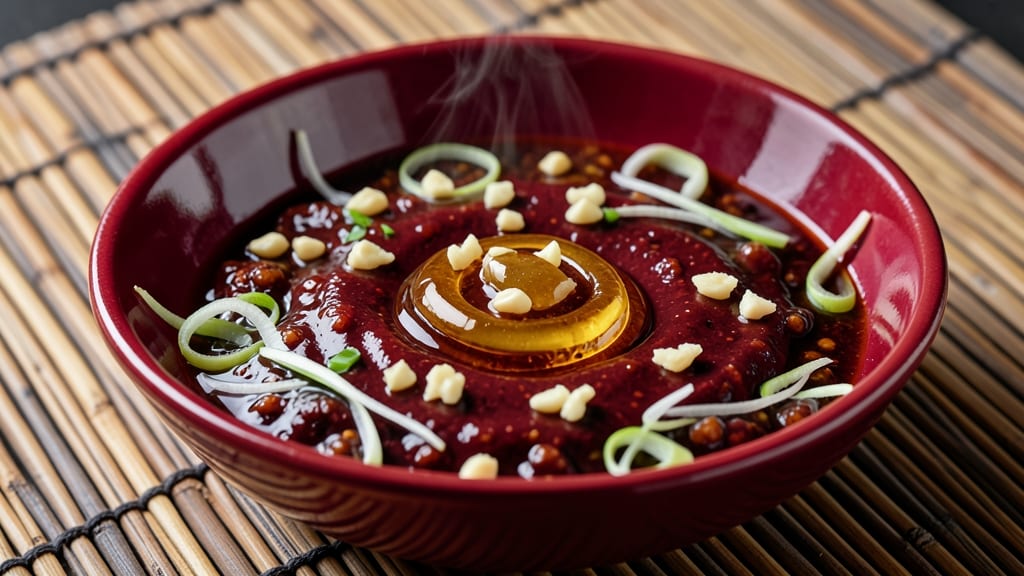
This Asian hot wings sauce recipe delivers a fiery-sweet glaze that transforms ordinary wings into addictive, sticky bites. The secret lies in balancing chili paste for heat, soy sauce for umami depth, and honey for that signature caramelized finish.
I developed this after years of testing—it’s the kind of sauce that makes people ask for seconds (and thirds). The magic happens when you simmer garlic, ginger, and chili paste until fragrant, then blend it with soy sauce, honey, and vinegar for tang. The result?
A glossy, sticky-sweet sauce with layers of heat and savory richness. It clings to every crispy bite, creating a perfect contrast between the sauce’s bold flavors and the wings’ crunch. What sets this apart is the umami-packed base that lingers long after the last bite.
The sauce thickens slightly as it cools, making it ideal for tossing or dipping. Whether you’re serving wings for a game day crowd or a weeknight treat, this recipe guarantees restaurant-quality flavor with minimal effort.
Store leftovers in the fridge for up to a week, or freeze for longer shelf life. The flavors actually deepen over time—perfect for making a big batch ahead. Let’s get cooking!
Ingredients for asian hot wing sauce
Nine simple ingredients for a sauce that sticks like glue to crispy wings.
| Ingredient | Amount | Notes |
|---|---|---|
| Red Chili Paste 🌶️ | ½ cup | Vietnamese or Thai preferred |
| Soy Sauce 🍶 | ½ cup | Light or dark, not low-sodium |
| Honey 🍯 | ⅓ cup | Wildflower or clover variety |
| Rice Vinegar 🍶 | ¼ cup | For tangy balance |
| Garlic Cloves 🧄 | 4 cloves | Freshly minced for aroma |
| Fresh Ginger 🌿 | 2 tbsp | Grated, not powdered |
| Sesame Oil 🫒 | 1 tbsp | Toasted sesame preferred |
| Extra-Virgin Olive Oil 🫒 | 1 tbsp | For smooth texture |
| Brown Sugar 🍚 | 2 tbsp | Light or dark |
| Salt 🧂 | 1 tsp | Kosher or sea salt |
The chili paste is your heat foundation—Thai or Vietnamese brands like Mae Ploy or Red Boat pack the most flavor. Grab a small jar from Asian markets or the international aisle at Whole Foods. Fresh ginger and garlic? Don’t skip the grating—pre-minced loses punch fast. For soy sauce, Kikkoman or Lee Kum Kee are solid choices, but any light or dark works. The honey should be real stuff; that cheap grocery store brand won’t cut it here.
No chili paste? Sriracha plus a pinch of cayenne gets you close, though it’s thinner. Swap honey for maple syrup or agave if you’re avoiding it. Running low on sesame oil? Toasted sesame seeds work in a pinch (but it’ll be grainier). The brown sugar adds depth—muscovado or coconut sugar for a twist. For extra umami, add a splash of fish sauce (if you’re not avoiding it), or a dash of miso paste for a vegetarian option.
This sauce thickens as it cools—perfect for tossing or dipping. Store in a sealed jar in the fridge for up to 2 weeks, or freeze for 3 months. The flavors actually get better after chilling. Double the batch—you’ll want leftovers. Trust me, the second day is when it really shines.
Why You'll Love This Recipe
- Five-Ingredient Magic: I swear by this combo—just chili paste, soy, honey, vinegar, and garlic. No fancy gadgets, no waiting for specialty items. Honestly, I keep the paste and vinegar in my pantry just for this.
- Sweet-Spicy Balance: That honey cuts the heat just enough to make it addictive. The garlic sizzles into something deeper when simmered, and the vinegar gives this sauce a tangy lift that sticks with you. (Yes, even on a Tuesday night.)
- Game for Any Meal: Drizzle it over wings, toss with noodles, or use it as a dipping sauce for dumplings. My college roommate and I lived on this stuff—it’s the ultimate lazy night fix when you’re craving flavor but not fuss.
- Lasts All Week: Make a double batch and store it in the fridge. It doesn’t lose its kick, and I’ve used it for everything from takeout-style chicken to quick stir-fries. Budget win? Absolutely. Time win? Even better.
Step-by-step instructions for Asian hot wings sauce
This sauce delivers that perfect balance of heat, sweetness, and tang—sticky, glossy, and impossible to resist.
Bloom the Chili Paste and Aromatics
Heat a small saucepan over medium-low heat and add the 1 tablespoon extra-virgin olive oil. Once it shimmers, add the 0.5 cup red chili paste and stir constantly for 2 minutes—this helps deepen the chili flavor without burning. Then add the 4 cloves minced garlic and 2 tablespoons grated fresh ginger, cooking for another 30 seconds until fragrant. Watch closely—ginger burns fast, so keep the heat gentle.
Here's the thing—if you rush this step, the sauce will taste raw. Let those aromatics bloom until you can smell that deep, toasty chili aroma. This is where the magic starts. If you notice the paste darkening too quickly, reduce the heat immediately to low and keep stirring.
Build the Sauce Base
Pour in the 0.5 cup soy sauce and 0.25 cup rice vinegar, stirring to combine. Let the mixture simmer gently for 3 minutes until slightly reduced. The sauce should start to thicken slightly and develop a glossy sheen. This is when you'll notice the vinegar cutting through the richness of the oil and chili.
Taste the mixture now—it should be tangy, salty, and spicy but still balanced. If it's too sharp, add 1 teaspoon honey now to start sweetening it. The goal is to create a foundation where all flavors can harmonize. Don't walk away; you want to control this simmer carefully to prevent scorching.
Sweeten and Balance the Flavors
Add the 0.33 cup honey and 2 tablespoons brown sugar, stirring constantly until fully dissolved. The sauce should bubble gently for 2-3 minutes until it thickens to a syrupy consistency. You'll see it coat the back of a spoon, which means it's ready for the final touches. The color should deepen to a rich amber hue—this indicates proper caramelization of the sugars.
This is where the sauce transforms from tangy to complex. If it's too thick, add 1 tablespoon water to loosen it slightly. The perfect texture should be glossy enough to cling to wings but not so thin it drips off. Taste again and adjust with salt if needed—you might need just a pinch more to balance the sweetness.
Finish with Oil and Rest
Remove the saucepan from heat and stir in the 1 tablespoon sesame oil. This adds depth and a nutty aroma that ties everything together. Let the sauce cool for 10 minutes—this resting period allows the flavors to meld completely. You'll notice the aroma intensify as it cools, which is a good sign.
I know it's tempting to use it immediately, but this waiting period makes all the difference. The sauce will thicken slightly more as it cools, creating that perfect sticky consistency. If you're using it right away, give it at least 5 minutes to thicken before tossing with wings. Store any leftovers in an airtight container in the fridge for up to 2 weeks—it only gets better with time!
Pro Tips For Making Asian Hot Wing Sauce
- STIR CONSTANTLY AT FIRST: The first 30 seconds after adding red chili paste and garlic to the pan are where flavor bonds—or burns. If you walk away, the garlic turns bitter and the paste scalds instead of melding. Keep that spoon moving until the raw garlic smell disappears and the paste darkens slightly.
- MINCE GARLIC FINE: Whole cloves or rough chopping? You’ll end up with flecks of uncooked garlic in your sauce. Use a knife or the flat side of your cleaver to smash the cloves first, then mince into tiny, even pieces—this way, they dissolve into the sauce instead of lingering as chewy surprises.
- TASTE BEFORE HONEY: Dumping honey in blindly often means your sauce ends up cloyingly sweet. After adding soy and vinegar, take a spoonful—raw—and adjust the heat first (more chili paste) or salt (soy) before even thinking about sweetness. Trust me, you’ll save yourself from scraping sticky sauce off the walls later.
- SIMMER NOT BOIL: This isn’t a race. Let the sauce bubble gently for 5–7 minutes after everything’s combined. Boiling it turns the rice vinegar sharp and the honey grainy. A low simmer lets the flavors marry without fighting each other—your wings will thank you with a glossy, balanced glaze.
Storing and reheating your asian hot wing sauce
Fridge Storage Tips
Store your sauce in a clean, airtight glass jar—I use 8-ounce Ball jars for single servings or a 16-ounce jar for larger batches. Let it cool completely before sealing to prevent condensation, which can dilute the flavors.
The sauce thickens as it chills, so you might need to stir and thin it slightly with 1 teaspoon water before using if it becomes too viscous. Keep it refrigerated for up to 2 weeks—the flavors actually deepen over time, becoming more complex and balanced. 🌶️
Freezer Preservation
For longer storage, transfer the sauce to freezer-safe silicone molds or quart-sized freezer bags, leaving ½-inch headspace for expansion. Label with the date—it stays fresh for 3 months. When ready to use, thaw overnight in the fridge, then stir well.
If it separates slightly, gently reheat in a saucepan over low heat while stirring until smooth. Avoid microwave reheating, as it can break the sauce’s delicate emulsification. ❄️
Reheating Methods
For the best texture, reheat fridge-stored sauce in a small saucepan over medium-low heat for 3-5 minutes, stirring constantly. Add 1 tablespoon water if it thickens too much. Never boil—just warm until it reaches 160°F, then adjust seasoning with a pinch of salt or honey if needed.
For freezer-thawed sauce, a 30-second microwave burst on 50% power works in a pinch, but it won’t be as glossy. Always taste before using! 🔥
Sauce Consistency Fixes
If your sauce thickens too much after chilling, thin it with 1 teaspoon rice vinegar or water at a time. For extra stickiness, simmer ½ cup sauce with 1 teaspoon cornstarch (mixed with 1 tbsp water) for 2 minutes until it reaches a glossy consistency.
Too thin? Simmer uncovered over low heat for 5-7 minutes to reduce. The key is patience—rushing leads to separation. Trust the process! ✨
Reviving Stale Sauce
If your sauce loses its vibrancy after a week, revive it by simmering with 1 teaspoon fresh ginger juice and ½ teaspoon sesame oil for 3 minutes. The ginger brightens the flavor, while the sesame oil adds depth.
For extra heat, stir in ½ teaspoon chili flakes or a dash of sriracha. This trick works wonders on leftover sauce that’s lost its punch. 💡
Batch Prep Secrets
Double the recipe and freeze half—you’ll thank yourself later! Store one batch in the fridge for immediate use and freeze the other for future game days. To save space, use ice cube trays for single-serving portions.
Pop them out, wrap in parchment, and freeze. When ready, toss straight from frozen into wings—no thawing needed! The sauce will melt and coat beautifully. 💫
Nutrition facts
Frequently asked questions
Can I make this sauce without fresh ginger?
Yes, but the flavor will be less vibrant. Use 1 teaspoon ground ginger or 1 tablespoon ginger powder as a substitute, though fresh grated ginger adds a bright, zesty depth that powder can't match. For extra punch, add ½ teaspoon ginger juice (from a blender) if you're reviving old sauce.
How spicy should the sauce be?
The recipe balances heat with sweetness—expect a moderate kick (like a spicy Asian takeout glaze). For extra heat, add ½ teaspoon cayenne pepper or 1 tablespoon extra chili paste. For milder sauce, reduce the chili paste to ¼ cup and add 1 extra tablespoon honey. Taste as you go!
What’s the best way to coat wings with this sauce?
Toss wings in ½ cup sauce while they’re still warm and crispy. For extra stickiness, brush on 1 tablespoon sauce per wing before baking/frying. Pro tip: Let wings rest 5 minutes after cooking to absorb the sauce better. For dipping, serve sauce warm in a small bowl with chopsticks.
Can I use this sauce on other foods?
It’s perfect for glazing tofu, grilled shrimp, or even roasted veggies. Toss with rice noodles or drizzle over ramen for instant flavor. The sauce also works as a marinade—coat chicken thighs or pork belly for 30 minutes before cooking.
Why did my sauce turn out too thin?
Sauce thickens as it cools—simmer uncovered over low heat for 5-7 minutes to reduce excess liquid. If it’s still too thin, mix 1 teaspoon cornstarch with 1 tablespoon water, stir into ½ cup sauce, and simmer 2 minutes. Avoid overcooking, or it may separate.