
Sauces & Condiments
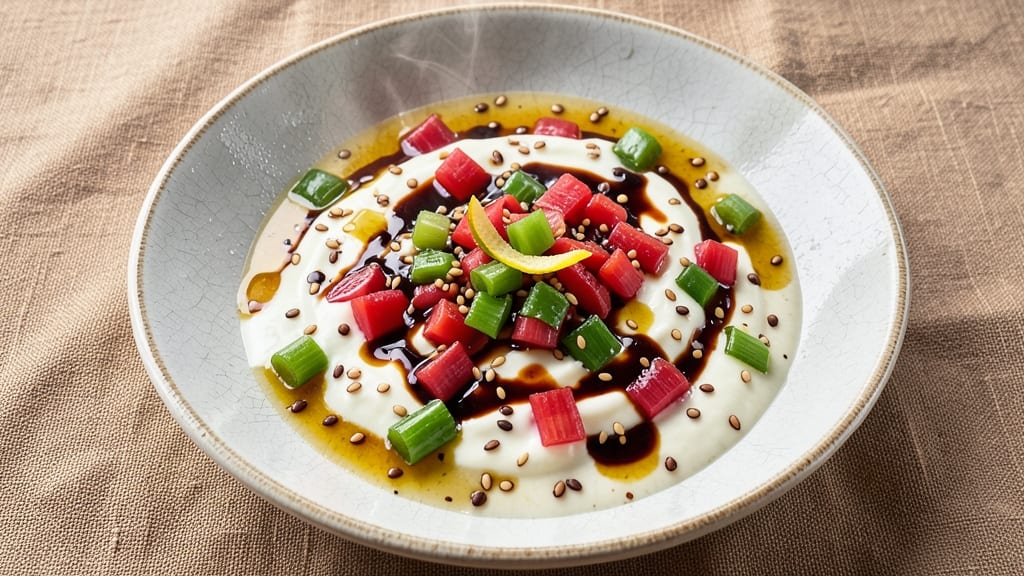
This Asian coleslaw sauce recipe transforms ordinary slaw into a vibrant, flavor-packed side that stands up to grilled meats and Asian-inspired dishes.
The secret lies in balancing tangy rice vinegar, nutty sesame oil, and a touch of sweetness—creating a dressing that clings beautifully to cabbage while adding depth to any meal.
I developed this version after testing countless store-bought sauces that fell flat against fresh coleslaw, and the difference is night and day.
The foundation is a simple vinaigrette—2 tablespoons soy sauce, 1 tablespoon sesame oil, and 1 tablespoon rice vinegar—but it’s the finishing touches that elevate it: a sprinkle of toasted sesame seeds and finely chopped celery for texture, plus a pinch of red pepper flakes for subtle heat.
What makes this sauce truly special is how it enhances rather than overpowers, making it versatile enough for everything from crisp cabbage slaw to noodle bowls or grilled chicken.
What you’ll end up with is a sauce that’s bright, aromatic, and perfectly balanced—tangy enough to cut through richness, nutty from the sesame, and just sweet enough to satisfy.
The celery adds a satisfying crunch that keeps every bite interesting, while the sesame seeds contribute a toasty depth that ties everything together. This isn’t just a side dressing; it’s the star of the show.
Store it in an airtight container in the fridge for up to 5 days, or make a double batch to have on hand for quick meals. The flavors actually improve as it sits, allowing the ingredients to meld into a cohesive, restaurant-quality sauce.
Whether you’re serving it with coleslaw, drizzling it over summer rolls, or using it as a marinade for grilled proteins, this recipe is a game-changer for Asian-inspired dishes.
Ingredients for asian coleslaw sauce
Nine essential ingredients transform a basic vinaigrette into a vibrant, restaurant-quality Asian coleslaw sauce.
| Ingredient | Amount | Notes |
|---|---|---|
| Rice Vinegar 🍶 | 3 tbsp | Unseasoned, mild acidity preferred |
| Sesame Oil 🫒 | 1 ½ tbsp | Toasted, not flavored |
| Soy Sauce 🍶 | 2 tbsp | Light or all-purpose variety |
| Honey 🍯 | 1 ½ tbsp | Substitute maple syrup if preferred |
| Toasted Sesame Seeds 🌾 | 1 ½ tbsp | Lightly toasted for aroma |
| Celery Stalk 🥬 | 1 whole | Finely chopped for texture |
| Red Pepper Flakes 🌶️ | ½ tsp | Adjust for heat preference |
| Garlic Cloves 🧄 | 1 whole | Minced for subtle depth |
| Ginger Root 🌿 | ½ tsp | Freshly grated, aromatic |
| Sesame Seeds 🌾 | 1 tsp | Extra for garnish if desired |
The foundation begins with rice vinegar—look for unseasoned varieties at Asian markets or specialty grocery stores like Whole Foods for the brightest acidity. Sesame oil is non-negotiable here; the toasted kind from Trader Joe's or Costco delivers that nutty depth. For the soy sauce, Kikkoman or Lee Kum Kee are reliable, but any light soy will work. The honey should be pure, with Manuka or clover varieties adding subtle floral notes. Fresh ginger and garlic are best, but if you're short on time, frozen grated ginger works in a pinch—just thaw and drain well. Toast your sesame seeds in a dry pan for 30 seconds until fragrant; that aroma is what elevates this sauce from ordinary to extraordinary.
No sesame oil? Avocado oil or neutral vegetable oil at half the amount will keep the texture right, though the flavor will differ. Substituting honey? Maple syrup or agave nectar work beautifully—just reduce slightly since they're thicker. The celery can be swapped for fennel or jicama for a different crunch profile, though celery's earthy bite is ideal. Running low on red pepper flakes? A pinch of cayenne or sriracha delivers similar heat. For a smoother texture, blend the celery and garlic instead of chopping by hand. The key is balancing sweet, tangy, and umami—taste as you go and adjust accordingly. This sauce is forgiving, but those finishing touches of toasted sesame and celery make all the difference.
Store the sauce in an airtight glass jar in the fridge for up to 5 days, though it keeps well for 3 months if frozen. The flavors actually deepen as it sits, so don't hesitate to make a double batch. For best results, whisk before using if the oil separates. This sauce clings beautifully to cabbage, noodles, or grilled proteins—double the recipe if you're serving a crowd. The celery and sesame seeds can be prepped ahead and stored separately until ready to combine. When ready to serve, give it a quick stir and garnish with extra sesame seeds for that professional restaurant finish.
Why You'll Love This Recipe
- Five-Ingredient Magic: I swear, this sauce comes together faster than I can say "sesame seeds." Just toss those five pantry staples in a bowl, stir, and—boom—flavor. No chopping, no fuss, no waiting for anything to cool. Honestly, it’s the kind of recipe that makes me feel like a chef even when I’m exhausted.
- Umami Bomb: That combo of soy sauce and rice vinegar? It’s like a flavor explosion in your mouth. The honey cuts the tang just enough, while the sesame oil adds this nutty richness. And those toasted seeds? They’re the cherry on top—crunchy, aromatic, and impossible to resist. (Yes, even on a Tuesday night.)
- Works Everywhere: This sauce isn’t just for coleslaw—it’s my go-to for grilled chicken, noodle bowls, or even drizzled over rice. I keep a jar in the fridge because it’s always the last thing standing when I’m scrambling to put a meal together. Between us, it’s saved more dinners than I can count.
- Budget-Friendly Staple: You’re looking at ingredients that cost pennies but taste like luxury. A little goes a long way, and I’ve had this sauce last me weeks in the fridge—no waste, no guilt. Plus, it’s the kind of thing you’ll make again and again because it’s just that good. (My wallet thanks me.)
Step-by-step instructions for Asian coleslaw sauce
This tangy sesame vinaigrette balances sweet, savory, and nutty notes for perfect coleslaw flavor.
Prepare the Celery and Aromatics
Using a sharp chef's knife, finely chop the 1 whole celery stalk into small dice—about 1/8-inch pieces. You want them to remain slightly crunchy but soft enough to blend into the sauce texture. Transfer to a small mixing bowl and set aside.
Next, peel and mince the 1 whole garlic cloves and grate the 0.5 tsp ginger root using a microplane. The ginger should yield about 1/2 teaspoon of finely grated zest. Add these to the celery in the bowl. This aromatic base will infuse the sauce with subtle depth while maintaining freshness.
Whisk Together the Wet Ingredients
In a separate small bowl, combine the 3 tbsp rice vinegar, 2 tbsp soy sauce, and 1.5 tbsp honey. Whisk vigorously for 15-20 seconds until the honey dissolves completely and the mixture becomes homogeneous. The vinegar's acidity will help emulsify the oil later, creating a stable sauce.
With the mixture still whisking, gradually drizzle in the 1.5 tbsp sesame oil in a slow, steady stream. Continue whisking for an additional 20-30 seconds until the oil fully incorporates and the sauce achieves a glossy sheen. This emulsification is critical—it prevents separation and ensures each bite delivers balanced flavor.
Combine All Ingredients for Depth
Add the celery-garlic-ginger mixture to the wet ingredients and stir thoroughly with a silicone spatula. The celery will release its natural juices, slightly thinning the sauce while adding texture. Sprinkle in the 0.5 tsp red pepper flakes and 1.5 tbsp toasted sesame seeds, mixing well to distribute evenly.
Taste and adjust seasoning if needed—this is where you can fine-tune the balance. If the sauce tastes too sharp, add a pinch more honey. If it needs more umami, a dash of soy sauce works. The goal is a harmonious blend of tangy, sweet, nutty, and slightly spicy notes that complement coleslaw perfectly.
Rest and Garnish for Optimal Texture
Cover the bowl with plastic wrap and let the sauce rest at room temperature for 10-15 minutes. This brief resting period allows all the flavors to meld together, creating a more cohesive taste profile. The sesame seeds will also soften slightly, enhancing their nutty aroma.
Before serving, sprinkle the 1 tsp sesame seeds on top for an extra layer of texture and visual appeal. These seeds should be toasted separately in a dry skillet over medium-low heat for 1-2 minutes until fragrant—just until they begin to sizzle and release their aroma. The contrast between the smooth sauce and crunchy seeds elevates the dish.
Pro Tips For Making Asian Coleslaw Sauce
- Whisk in Warm Honey: Mix the honey into the sauce while it’s still warm—just a few seconds in the microwave or dipped in hot water. Cold honey clumps like glue and ruins the smoothness, and I’ve learned this the hard way after scraping globs off my whisk.
- Toast Seeds Fresh: Skip the pre-packaged sesame seeds—buy whole and toast them yourself in a dry pan over medium heat for 60 seconds until fragrant. The nutty aroma fades fast, and store-bought versions taste dull by comparison.
- Balance Soy and Vinegar: Taste the sauce before adding honey—if the soy sauce dominates, a splash of rice vinegar (start with 1 tsp) cuts the saltiness without overpowering. I used to dump honey first and end up with something cloying.
- Use Light Sesame Oil: Light sesame oil (not toasted) blends better into the dressing and won’t overpower the other flavors. A teaspoon is enough—any more and the sauce tastes like it’s swimming in nutty perfume.
Perfect pairings for this dish
Coleslaw Perfection
This sauce transforms basic coleslaw into a vibrant, restaurant-quality side. Toss it with shredded cabbage, carrots, and green onions for a classic Asian-inspired slaw. I like to add ½ cup toasted peanuts for extra crunch and protein.
For a modern twist, mix in edamame or jicama for a refreshing, crunchy texture. 🥬
Noodle Bowl Elevator
Drizzle this sauce over ramen, soba noodles, or cold sesame noodles to add instant flavor depth. I recommend 1-2 tablespoons per serving, reserving extra for drizzling.
It pairs especially well with grilled chicken or tofu, balancing the richness of the protein. For a complete bowl, add steamed broccoli, cucumber, and scallions.
Grilled Protein Pairing
Use this sauce as a marinade for grilled shrimp, chicken, or pork skewers—let them marinate for 15-30 minutes before cooking. The sauce's tangy-sweet profile complements grilled meats beautifully. I also love brushing it on grilled salmon during the last 2 minutes of cooking for a sticky, flavorful finish. 🍗
Summer Roll Dipper
Serve this sauce alongside Vietnamese summer rolls or spring rolls for dipping. The balance of sweet, tangy, and nutty flavors cuts through the delicate rice paper and fresh herbs.
For extra flair, garnish with extra sesame seeds and sliced jalapeños. It's also perfect for fresh spring roll platters with peanut sauce on the side.
Crudité Platter Star
This sauce elevates simple veggie platters with cucumber, bell peppers, and snap peas. Arrange the vegetables on a platter and drizzle the sauce generously. Add toasted coconut flakes for a tropical twist. It's a crowd-pleasing appetizer that feels both elegant and approachable. 🥕
Breakfast Boost
Yes, this sauce works for breakfast! Toss it with shredded cabbage and carrots for a quick slaw topping on avocado toast or scrambled eggs. The tangy-sweet balance cuts through the richness of fried foods.
I also drizzle it over congee or rice porridge for a savory-sweet contrast. Start your day with a flavor-packed kick! 🍳
Nutrition facts
Frequently asked questions
Can I make this sauce without sesame oil?
Yes, but the flavor will differ slightly. Replace the 1.5 tablespoons sesame oil with 1 tablespoon neutral oil (like avocado or vegetable oil) plus ½ teaspoon toasted sesame paste for depth. The sauce will still work well, though it won't have that signature nutty aroma. For best results, use a high-quality toasted sesame oil if possible—it makes all the difference!
How do I adjust the heat level in this sauce?
Start with the ½ teaspoon red pepper flakes as written for mild heat. For medium spice, add 1 teaspoon instead. For extra heat, swap in 1 teaspoon sriracha or gochujang and reduce honey slightly to balance. Always taste as you go—you can't overdo the heat, but you can over-sweeten if you're not careful!
Will this sauce work with dairy-free coleslaw?
This recipe is naturally dairy-free and pairs perfectly with vegan coleslaw made from cabbage, carrots, and vegan mayo substitutes. The sesame and vinegar flavors complement plant-based proteins like tofu or tempeh beautifully. Just ensure your coleslaw base doesn't include dairy-based dressings or cheese toppings.
Can I make this sauce ahead of time?
Yes, this sauce actually tastes better when made 1-2 days ahead! Store it in an airtight container in the fridge, and the flavors will meld beautifully. Give it a quick whisk before using to re-emulsify any separated oil. For long-term storage, freeze for up to 3 months—thaw overnight in the fridge before using. The celery will soften slightly but still adds great texture!
What's the best way to store leftover sauce?
Keep leftovers in an airtight glass jar in the fridge for up to 5 days. The glass helps preserve the flavors better than plastic. If you notice separation, simply whisk vigorously before using. For longer storage, freeze in 1-tablespoon portions for easy use in future recipes. The sauce freezes well but may separate slightly—just whisk before using.