
Sauces & Condiments
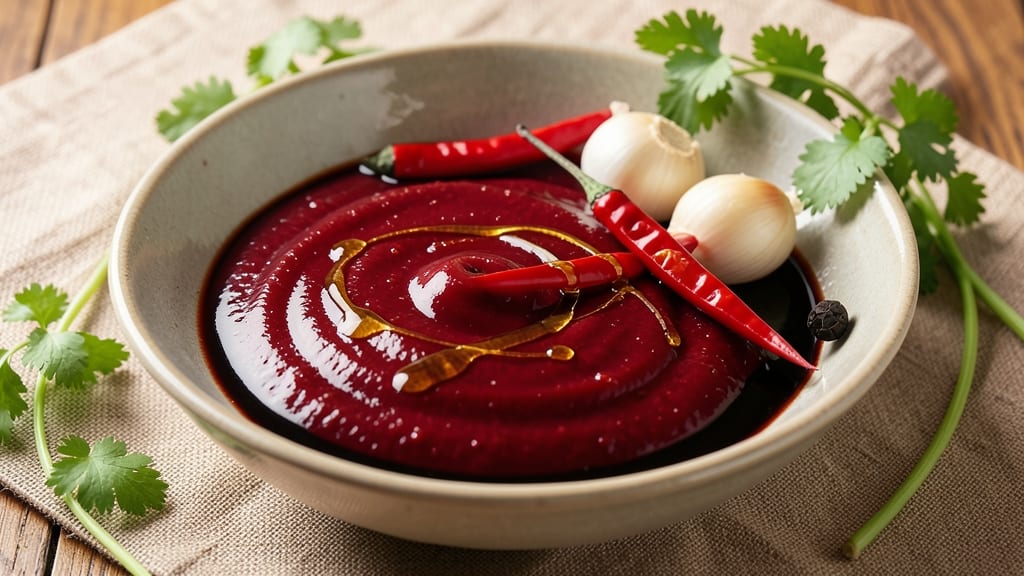
This Asian chilli sauce recipe delivers fiery, balanced heat that transforms ordinary dishes into vibrant, restaurant-quality meals. ✨ The secret lies in blending fresh chili peppers, aromatic garlic, and tangy vinegar with just the right amount of sweetness to create a sauce that's both bold and versatile.
Perfect for stir-fries, drizzling over noodles, or elevating grilled meats, this recipe requires minimal effort but delivers maximum flavor impact.
What sets this sauce apart is its customizable heat level—adjust the chili content to suit your preference, from mild to tongue-tingling. The sauce simmers gently to develop deep, complex flavors while maintaining a smooth, glossy texture.
With just a handful of simple ingredients, you'll achieve a sauce that's rich, slightly sweet, and packed with umami—ideal for adding a signature touch to any dish.
The process is straightforward: blend the ingredients, simmer until thickened, and let it cool to develop its full potential. This sauce keeps well in the refrigerator for up to two weeks, making it a perfect pantry staple for quick weeknight meals.
Whether you're cooking for family or hosting a dinner party, this chilli sauce will elevate your dishes effortlessly.
Use it as a dipping sauce, stir-fry finish, or marinade base—its versatility makes it a must-have in any kitchen. The balance of heat, tang, and sweetness ensures every bite is memorable, while the simplicity of the recipe guarantees foolproof results every time.
Let's get started on creating your own batch of this flavor-packed sauce.
Ingredients for asian chilli sauce
Simple ingredients that pack bold, customizable heat for any dish.
| Ingredient | Amount | Notes |
|---|---|---|
| Fresh Red Chili Peppers 🌶️ | ½ cup | Seeded, finely chopped (adjust for heat) |
| Garlic Cloves 🧄 | 4 cloves | Minced for aromatic depth |
| Rice Vinegar 🍶 | ¼ cup | White or seasoned variety |
| Soy Sauce 🥢 | ¼ cup | Light or dark preferred |
| Honey 🍯 | ¼ cup | For sweetness balance |
| Sesame Oil 🫒 | 1 tbsp | Toasted for nutty aroma |
| Ginger Root 🌿 | 1 tbsp | Freshly grated for zing |
| Water 💧 | ¼ cup | For thinning consistency |
| Salt 🧂 | ½ tsp | Kosher or sea salt |
The chili peppers are the heart of this sauce—fresh Thai bird's eye or serrano peppers deliver the most intense heat, but any red chili works. Asian markets often carry pre-seeded varieties, but if using fresh, remove seeds and membranes first. Garlic and ginger should be freshly minced for maximum aroma, and Trader Joe's or Whole Foods bulk bins are great for affordable, high-quality spices. For extra depth, toast the sesame seeds before adding the oil—it enhances the nutty flavor significantly.
No fresh chili peppers? Dried red chili flakes or gochujang work in a pinch (reduce by half), but the texture will differ. Short on rice vinegar? Apple cider vinegar or lime juice keeps the tang. Honey can be swapped for maple syrup or agave nectar, though the flavor profile shifts slightly. Soy sauce lovers can use coconut aminos for a gluten-free alternative. For a smoother sauce, blend everything before simmering—this eliminates any lingering texture from the peppers or garlic.
Store in an airtight jar in the fridge for up to 2 weeks, or freeze for 3 months in ice cube trays for single-use portions. The sauce thickens as it cools, so add a splash of water if needed. This sauce is incredibly versatile—drizzle over noodles, use as a marinade, or mix into stir-fries. Double the batch if you plan to use it often—it disappears fast!
Why You'll Love This Recipe
- Five-Ingredient Magic: I swear by this recipe because it’s that simple—just chop peppers, mince garlic, and toss everything in a blender. No fancy techniques, no waiting for hours. Honestly, I’ve made it while microwaving leftovers.
- Sweet Heat Balance: That honey-soy glaze on fresh chilies? It’s the perfect push of heat and sweetness—bright from the vinegar, deep from the garlic. I’ll be real: my kids ask for it on their eggs now, and they’re usually the pickiest eaters.
- Dip or Drizzle: Use it as a dipping sauce for spring rolls, a glaze for grilled chicken, or even a quick stir into noodles. Between us, I’ve even dumped it into a bowl of popcorn for a spicy snack—yes, even on a Tuesday night.
- Lasts All Week: A single batch keeps in the fridge for days, and the flavors only get better as the chilies mellow. Budget-friendly too—you’re not buying jars of store-bought sauce, just pantry staples you already have.
Step-by-step instructions for Asian chilli sauce
This balanced sauce delivers vibrant heat with perfect sweet-sour harmony—ideal for stir-fries or as a finishing drizzle.
🍳 Step 1: Bloom the Aromatics in Sesame Oil
Heat a small saucepan over medium-low heat and add the 1 tablespoon sesame oil. Let it warm for 30 seconds until fragrant but not smoking. Add the 4 cloves minced garlic and 1 tablespoon grated ginger root, stirring constantly for 1-2 minutes until the garlic turns golden and aromatic.
Watch the color carefully—garlic burns quickly. If it starts to darken too fast, reduce heat immediately. The aromatic depth from these ingredients forms the sauce's foundation, so don't rush this step. You'll know it's ready when the mixture smells intensely fragrant and the garlic releases its full flavor.
🍳 Step 2: Add Chili Peppers and Cook Until Soft
Increase heat to medium and add the 0.5 cup finely chopped fresh red chili peppers. Cook for 3-4 minutes until the peppers soften and their edges just begin to wilt. Stir occasionally to prevent sticking, but don't over-stir—this helps develop a slightly caramelized flavor.
Adjust heat if needed to maintain gentle cooking. You want the peppers to lose their raw bite while retaining their vibrant color. If using spicier peppers, reduce cooking time slightly to preserve maximum heat. The sauce's fiery character comes from these peppers, so proper cooking ensures balanced flavor without bitterness.
🥘 Step 3: Combine Wet Ingredients and Simmer
Pour in the 0.25 cup rice vinegar, 0.25 cup soy sauce, and 0.25 cup honey all at once. Stir vigorously to dissolve the honey completely and combine all ingredients. Add the 0.25 cup water and 0.5 teaspoon salt, then increase heat to medium-high.
Bring the mixture to a gentle boil, then immediately reduce heat to low and simmer uncovered for 10-12 minutes. Stir occasionally to prevent sticking and allow the sauce to thicken slightly. The honey will help create a glossy sheen while balancing the acidity from the vinegar and heat from the chili.
⏰ Step 4: Finish and Adjust Consistency
Remove the sauce from heat and let it cool for 5 minutes. Taste and adjust seasoning if needed—add more soy sauce for saltiness, honey for sweetness, or rice vinegar for acidity. For a smoother texture, strain through a fine-mesh sieve to remove any remaining chili seeds or garlic pieces.
If the sauce is too thick, whisk in 1-2 tablespoons water until it reaches a pourable consistency suitable for drizzling or tossing. The perfect sauce should coat the back of a spoon but remain fluid enough to glide over stir-fried vegetables or noodles. Store in an airtight container in the refrigerator for up to 2 weeks.
Pro Tips For Making Asian Chilli Sauce
- Char the Garlic Properly: Don’t just toss those minced cloves into the pan—they’ll burn before adding flavor. Instead, heat your oil until it shimmers, then add the garlic and let it sizzle just until the edges turn golden (about 30 seconds). Pull it out before it browns—overcooked garlic turns bitter, and this sauce needs that bright, fresh punch.
- Seed and Mince Chili Evenly: If you leave seeds in, you’ll end up with a sauce that’s more fire than finesse. Remove seeds and veins, then chop the peppers into a consistent ¼-inch dice—smaller pieces blend smoother and release heat more evenly. (I used to eyeball it and ended up with uneven texture and random hot spots.)
- Balance Heat with Vinegar First: Taste the raw chili and garlic mix before adding vinegar or soy sauce. If it’s scorching, splash in a little rice vinegar now—it mellows the heat while brightening the sauce. Waiting until the end just means you’ll have to adjust with honey later, and that’s a sweeter, less balanced result.
- Simmer, Don’t Boil: Once everything’s blended, keep the heat low and let it bubble gently for 5-7 minutes. Boiling turns the sauce thin and vinegary; a slow simmer lets the flavors meld without losing body. Stir occasionally, and resist the urge to rush—this is where the depth happens.
Wine and beer pairings for asian chilli sauce
Light Beer Pairings
A crisp Japanese lager like Asahi Super Dry or Sapporo Premium Beer complements the sauce’s heat beautifully—its clean, slightly sweet profile balances the chili’s intensity without overpowering it. The subtle malt sweetness mirrors the honey in the sauce, while the effervescence cuts through the richness.
I always keep a six-pack of Asahi on hand for Asian dishes; it’s my go-to for anything spicy. 🍺
Dry Riesling
For a wine pairing, a dry Riesling from Germany’s Mosel region—like Dr. Loosen Blue Slate—is a game-changer. The wine’s bright acidity and citrus notes (think lemon and green apple) stand up to the sauce’s heat while enhancing its umami depth.
Serve it slightly chilled to highlight its crispness. If Riesling isn’t available, a Sauvignon Blanc with zesty lime undertones works too.
Asian-Inspired Sake
Unpasteurized junmai sake (like Dassai 23) adds an authentic touch—its clean, slightly nutty profile and subtle sweetness harmonize with the sauce’s complexity. Serve it warm (110-120°F) to amplify its depth.
For a non-alcoholic option, try calpis soda, a Japanese citrus soda that’s tangy and refreshing, perfect for balancing heat.
Spicy Margarita
If you’re serving this sauce with grilled meats or tacos, a spicy margarita made with reposado tequila, lime juice, and a dash of chili powder> elevates the meal. The tequila’s earthiness pairs well with the sauce’s umami, while the lime juice echoes the rice vinegar.
Rim the glass with tajín> for an extra kick. This combo is a crowd-pleaser at summer BBQs.
Craft IPA Balance
A hazy IPA**> with tropical fruit notes (like Hazy Little Thing from New England) might seem counterintuitive, but the sauce’s sweetness and heat play surprisingly well with the IPA’s juicy hops.
The bitterness in the beer tempers the chili’s spice, creating a satisfying contrast. Just avoid overly bitter IPAs—they’ll clash with the sauce’s sweet-sour profile.
Nutrition facts
Frequently asked questions
Can I make this chilli sauce without fresh chili peppers?
Yes! Use 1-2 tablespoons dried chili flakes or 1 teaspoon gochujang (Korean chili paste) instead. For extra heat, add a pinch of cayenne pepper. Adjust the amount based on your preferred spice level—start small and taste as you go. The texture will be slightly thicker, but it still works beautifully for drizzling.
How do I adjust the heat level in this sauce?
For milder heat, reduce the chili peppers to 0.25 cup and add 1 extra tablespoon honey to balance. For extra spice, increase peppers to 0.75 cup or add 1 teaspoon chili flakes after simmering. Always taste before adjusting—this sauce is fully customizable!
Can I use this sauce as a marinade?
This sauce works perfectly as a marinade for chicken, pork, or tofu. Let proteins marinate for 30-60 minutes (longer for tougher cuts like pork shoulder). The sweetness caramelizes during cooking, creating a sticky, flavorful crust. For extra tenderness, add 1 tablespoon cornstarch to thicken it before marinating.
Why does my sauce look too thick after cooling?
Sauces naturally thicken as they cool—this is normal! Thin with 1-2 tablespoons water or rice vinegar until it reaches a pourable consistency. For a smoother texture, strain through a fine-mesh sieve. If you prefer it thicker, simmer uncovered for 5 extra minutes to evaporate excess moisture while stirring occasionally.
How can I add extra depth to this sauce?
Boost umami by adding 1 tablespoon fish sauce or 1 teaspoon miso paste during simmering. For a smoky touch, stir in ½ teaspoon smoked paprika at the end. Fresh herbs like cilantro or Thai basil add brightness—mix in just before serving. These tweaks elevate the sauce from good to restaurant-quality!