
Sauces & Condiments
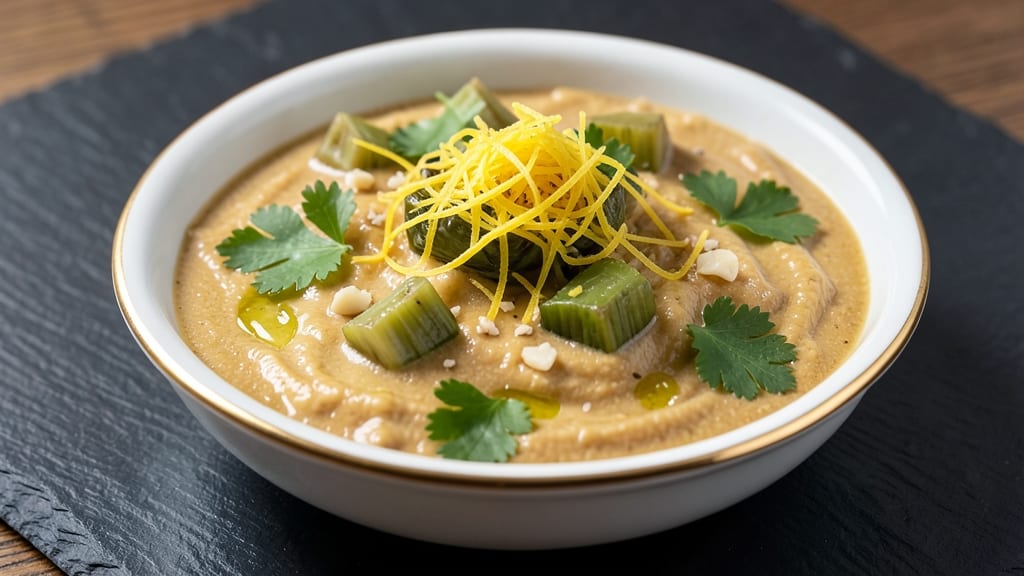
This artichoke butter sauce recipe transforms simple ingredients into a luxurious, spreadable condiment that elevates everything from pasta to crusty bread. The secret lies in blending tender artichoke hearts with rich butter, fresh garlic, and bright lemon juice until silky smooth—no heavy cream required.
I developed this recipe after craving that perfect balance of herby richness and tangy brightness, and it’s become a staple in my kitchen for adding depth to dishes without overpowering them.
The process is straightforward but precise: sautéing garlic in butter until fragrant, then blending in drained artichokes, lemon zest, and a splash of lemon juice creates a sauce that’s both creamy and vibrant.
A touch of fresh parsley and a pinch of salt brighten the flavors, ensuring every spoonful is packed with herbaceous richness. What makes this sauce truly special is its versatility—it works as a pasta drizzle, bread dip, or even a finishing touch for grilled meats.
What you’ll end up with is a velvety, golden sauce that’s effortlessly elegant yet simple to make. The artichokes add a subtle brininess that pairs beautifully with the buttery richness, while the lemon keeps the flavors bright and balanced.
This isn’t just a sauce; it’s a flavor enhancer that turns ordinary meals into something extraordinary. Ready in just 15 minutes, it’s perfect for weeknight dinners or impressing guests.
Store any leftovers in an airtight container in the refrigerator for up to 5 days, or freeze for longer shelf life. The sauce thickens slightly when chilled, so simply whisk in a splash of warm water or milk to restore its creamy consistency before using.
Whether you’re drizzling it over fettuccine or spreading it on warm bread, this artichoke butter sauce is a game-changer for adding a touch of sophistication to any dish.
Ingredients for artichoke butter sauce
Nine simple ingredients transform into this velvety, herb-infused sauce that elevates everything from pasta to bread.
| Ingredient | Amount | Notes |
|---|---|---|
| Unsalted Butter 🧈 | ¾ cup | Cold cubes for blending, full-fat preferred |
| Marinated Artichoke Hearts 🌿 | 1 cup | Drained and chopped, jarred or canned |
| Garlic Cloves 🧄 | 4 cloves | Fresh, minced for maximum aroma |
| Fresh Lemon Juice 🍋 | 2 tbsp | Freshly squeezed, no substitutes |
| Lemon Zest 🍋 | 1 tsp | Fine zest, brightens the sauce |
| Fresh Flat-Leaf Parsley 🌿 | ¼ cup | Chopped, stems removed, vibrant color |
| Diamond Crystal Kosher Salt 🧂 | ½ tsp | Fine grain, adjust to taste |
| Extra-Virgin Olive Oil 🫒 | 1 tbsp | For finishing, fruity variety |
| Heavy Cream 🥛 | ¼ cup | Optional, for extra creaminess |
The artichoke hearts are the star here—look for jarred hearts in water or brine at stores like Whole Foods or Trader Joe's for the best quality. Fresh artichokes are pricey and fiddly to prep, so jarred works perfectly. The butter should be unsalted and cold when you measure it—this ensures the sauce stays velvety rather than greasy. For the garlic, peel and mince it fresh right before blending; pre-minced garlic loses its punch fast. If you're using jarred artichokes, make sure to drain and chop them thoroughly—no watery sauce here.
No heavy cream? Skip it entirely—this sauce is delicious without it, and the butter and artichokes create enough richness. Running out of parsley? Fresh basil works at half the amount, though it’ll change the flavor profile slightly. The lemon juice is non-negotiable for brightness—bottled lemon juice lacks the same tang. For a smoother texture, pulse the ingredients in short bursts in your food processor. If you prefer a chunkier sauce, leave it out longer. The olive oil at the end is optional but adds a lovely sheen and extra richness—use a fruity, peppery variety like California Early Harvest.
This sauce keeps beautifully—5 days in the fridge in an airtight container, or up to 3 months frozen. Before using, whisk in a splash of warm water or milk if it thickens too much. I like to portion mine into small jars for easy use—perfect for a quick pasta drizzle or bread spread. If you make extra, freeze it in ice cube trays for single-serving portions. The flavor actually improves after a day or two as everything melds together—make a double batch if you can.
Why You'll Love This Recipe
- Here’s what sold me: that bright lemon cutting through the creamy butter and briny artichokes. The garlic? It caramelizes just enough to add depth, but the zest keeps it from being overpowering. Honestly, it’s the kind of flavor that makes you pause mid-bite—like a hug for your taste buds.
- No Chopping Needed: I’ll admit, I’m lazy in the kitchen sometimes—and this sauce wins me over every time. Just drain those jarred artichoke hearts (no chopping, no fuss), toss them with softened butter, garlic, and a squeeze of lemon. Five minutes tops, and you’ve got something restaurant-worthy without the prep.
- Tangy, Rich, Unforgettable: Here’s what sold me: that bright lemon cutting through the creamy butter and briny artichokes. The garlic? It caramelizes just enough to add depth, but the zest keeps it from being overpowering. Honestly, it’s the kind of flavor that makes you pause mid-bite—like a hug for your taste buds.
- Dresses Up Everything: This sauce is my secret weapon for lazy nights. Drizzle it over grilled chicken, toss it with pasta, or slather it on crusty bread—it works. I’ve even used it as a dip for roasted veggies when I’m out of hummus. Not the prettiest, but the taste makes up for it every time.
Step-by-step instructions for artichoke butter sauce
Here's how to create a velvety, herb-infused sauce that elevates everything from pasta to crusty bread.
Pulse Artichokes and Butter in a Food Processor
Cut the 1 cup marinated artichoke hearts into ¼-inch chunks and transfer them to a food processor. Add the 0.75 cup unsalted butter (cold cubes work best) and pulse until the mixture resembles coarse sand—about 15-20 pulses. You want texture, not a smooth paste.
Here's the thing—don't over-process. You're aiming for a rustic texture where you can still see tiny artichoke flecks. If it looks too smooth, the sauce will lose its character. Scrape down the sides of the bowl with a spatula to ensure even blending.
Add Aromatics and Brighten with Citrus
Add the 4 cloves minced garlic, 2 tablespoons fresh lemon juice, and 1 teaspoon lemon zest to the food processor. Pulse 3-4 times just to combine—you don't want to cook the garlic here. The lemon zest adds a bright, floral note that cuts through the richness of the butter.
Taste the mixture at this stage. It should be tangy and vibrant. If it feels too acidic, you can add a pinch of the 0.5 teaspoon diamond crystal kosher salt now, but save most of it for later to control the final seasoning. The acidity from the lemon helps balance the fat content perfectly.
Incorporate Herbs and Cream
Transfer the artichoke mixture to a mixing bowl and stir in the 0.25 cup chopped fresh flat-leaf parsley by hand. This step ensures you don't over-process the herbs, which can turn bitter. Then, if using, gently fold in the 0.25 cup heavy cream with a silicone spatula until just combined.
Real talk: The cream is optional, but it adds a luxurious silkiness that pairs beautifully with pasta. If you skip it, the sauce will still be rich and flavorful—just slightly lighter. At this point, taste again and adjust the 0.5 teaspoon kosher salt to your preference. Remember, you can always add more salt, but you can't take it out.
Warm and Finish with Olive Oil
Transfer the sauce to a small saucepan and place it over low heat. Warm gently for 3-4 minutes, stirring occasionally, until it reaches 160°F. This step ensures the flavors meld together without cooking the artichokes or butter.
Remove from heat and stir in the 1 tablespoon extra-virgin olive oil. This final touch adds a fruity brightness and helps emulsify the sauce, giving it a glossy finish. The olive oil also prevents the butter from separating when the sauce cools. Let it rest for 2 minutes before serving—this allows the flavors to settle and the sauce to thicken slightly.
Serve Warm Over Your Favorite Dishes
Use the artichoke butter sauce immediately over pasta, drizzled generously on top of crusty bread, or spooned alongside grilled meats. The sauce should coat everything in a luxurious, herby blanket with just the right amount of tang. If it thickens too much while serving, simply stir in a splash of warm water or pasta water to loosen it.
This sauce keeps well in an airtight container in the refrigerator for up to 3 days, but it's best enjoyed fresh. To reheat, warm gently over low heat, stirring frequently, until just melted. The texture might change slightly, but the flavor will still shine.
Pro Tips For Making Artichoke Butter Sauce
- Drain and Pat Dry: Marinated artichoke hearts cling to their brine like glue—skip the rinse. Drain them well, then blot them dry with a paper towel. Wet artichokes steam instead of crisp up, and you end up with a watery sauce instead of a silky one.
- Mince Garlic Like You Mean It: Nothing ruins the sauce faster than visible garlic chunks. Use a knife to smash the cloves first, then mince them finely—think dust, not confetti. I learned this the hard way when my first batch had a chewy surprise in every bite.
- Low and Slow for Butter: Melt the butter over medium-low heat—high heat burns it before the artichokes release their flavor. Keep it moving gently with a wooden spoon, or you’ll end up with browned bits instead of a smooth, golden sauce.
- Zest First, Juice Last: Add the lemon zest to the warm butter first—it infuses faster and brightens the flavor instantly. Save the juice for the end, so it doesn’t cook out and leave you with a flat, bitter finish. (Yes, even if you’re impatient like me.)
Serving suggestions for this dish
Pasta Perfection
This artichoke butter sauce transforms simple pasta into a restaurant-worthy dish. Toss it with fettuccine or linguine and finish with a sprinkle of Pecorino Romano for a briny contrast. I love it over whole wheat spaghetti for extra texture—just drizzle generously and let the sauce cling to each strand.
For a heartier meal, add grilled chicken or shrimp on top. 🍝
Bread Dipping Magic
Warm crusty baguette slices or ciabatta become irresistible dippers when paired with this sauce. I like to toast the bread lightly first to enhance its crunch. For a gourmet touch, spread the sauce on garlic bread before baking—it adds a luxurious depth that takes your appetizer to the next level.
The artichoke's slight tang cuts through the buttery richness beautifully. 🥖
Grilled Meat Elevator
Use this sauce as a finishing touch for grilled steak, chicken breast, or salmon fillets. Warm the sauce slightly and spoon it over the hot meat just before serving—it melts into the grill marks perfectly.
For a seafood twist, try it with grilled shrimp skewers. The lemon in the sauce brightens the meat's natural flavors while the butter adds richness. 🍗
Vegetable Pairings
This sauce isn't just for proteins—it elevates roasted asparagus, brussels sprouts, or mushrooms. Toss warm, roasted vegetables with the sauce and a pinch of freshly cracked black pepper for a flavor-packed side.
I particularly love it with roasted cauliflower—the sauce's herby notes complement the vegetable's natural sweetness. 🥦
Breakfast Twist
Don't limit this sauce to dinner! Spread it on toasted sourdough with a poached egg for a luxurious brunch. I also love using it as a topping for avocado toast—the creamy texture balances the avocado's richness.
For a savory breakfast sandwich, layer it between grilled cheese and your favorite deli meat. 🍳
Cheese Board Star
Create a showstopping cheese board by pairing this sauce with aged cheddar, goat cheese, and provolone. The artichoke butter cuts through the richness of the cheese while adding a vibrant herbaceous note.
I like to serve it with crackers, dried apricots, and walnuts for a sweet-savory contrast. Perfect for entertaining! 🧀
Nutrition facts
Frequently asked questions
Can I make this artichoke butter sauce without a food processor?
If you don't have a food processor, you can create a chunkier but still delicious version by finely chopping the artichoke hearts with a sharp knife, then mixing them with softened butter, lemon juice, and herbs by hand. For extra creaminess, mash the mixture with a fork or potato masher until smooth. The texture will be rustic but still packed with flavor.
How do I prevent the sauce from separating when stored?
To keep your artichoke butter sauce smooth and cohesive, store it in an airtight container with a thin layer of plastic wrap pressed directly on the surface. This prevents moisture loss and butter separation. When reheating, warm it gently over low heat while stirring constantly. If it does separate, simply whisk in a splash of warm water or milk to restore its velvety texture.
What's the best way to reheat this sauce?
Reheat your artichoke butter sauce gently in a small saucepan over low heat, stirring frequently to prevent burning. If it thickens too much, add a splash of warm water or milk to loosen it. For best results, reheat only until just melted—about 2-3 minutes. Microwaving can cause separation, so the stovetop method is always better. The sauce should remain creamy and flavorful when reheated properly.
Can I use fresh artichokes instead of jarred?
While possible, fresh artichokes require more prep work and aren't necessary for this recipe. To use them, trim off the tough outer leaves, cut off the top and bottom, then slice the heart into quarters. You'll need about 2 medium fresh artichokes to equal 1 cup jarred hearts. The flavor will be slightly more intense, but jarred hearts are more convenient and consistent.
What other herbs can I substitute for parsley?
For a different flavor profile, try fresh basil (use half the amount) or chives for a milder taste. Dill works well too, but use sparingly as it has a stronger flavor. If you prefer a more Mediterranean touch, add fresh thyme or rosemary (about 1 teaspoon each). The key is to balance the herby notes with the rich butter and tangy lemon.