
Sauces & Condiments
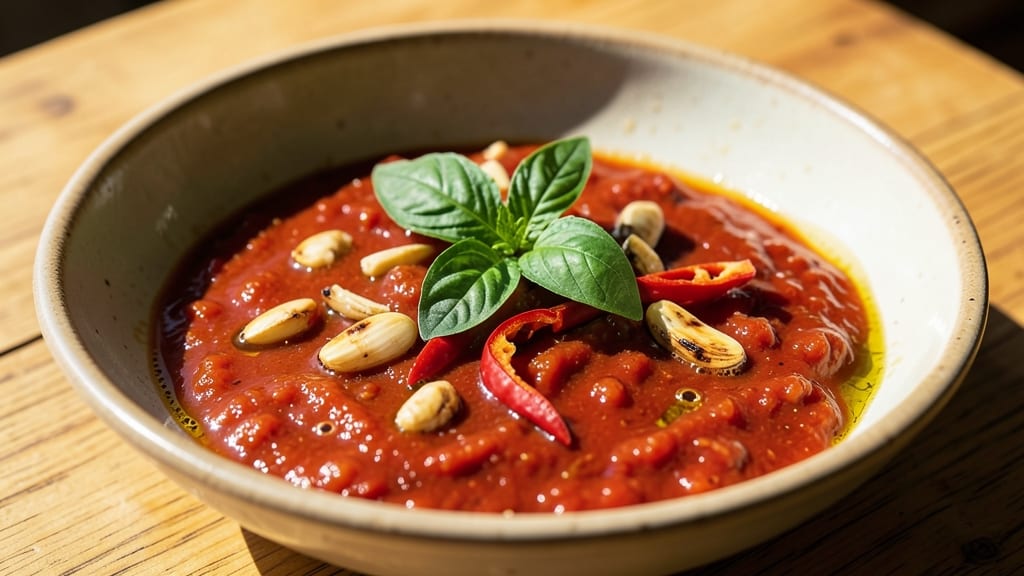
This arrabiata sauce recipe with fresh tomatoes delivers the bold, bright heat that makes Italian weeknight dinners unforgettable. I remember Nana Mae's kitchen in Atlanta, where the scent of simmering tomatoes and garlic filled the air—this is that same sauce, perfected for home cooks.
The secret lies in balancing fresh tomatoes, garlic, and chili peppers for a sauce that's quick to make but packed with restaurant-quality depth.
What sets this recipe apart is its quick-simmered technique, which preserves the tomatoes' natural sweetness while developing complex flavors. You'll start with fresh tomatoes (no canned shortcuts here), garlic, and chili peppers, all cooked down in olive oil until they transform into a velvety, spicy sauce.
The result is a sauce that's bold enough to stand up to pasta but versatile enough for pizza, grilled meats, or even as a marinade.
By the time you're done, you'll have a sauce that's bright, spicy, and perfectly balanced—with just enough heat to wake up your taste buds. The fresh tomato base keeps it vibrant, while the garlic and chili peppers add layers of depth.
This isn't just another jarred sauce; it's a flavor experience that starts in your kitchen and ends with every satisfying bite.
Best of all, this sauce keeps beautifully in the fridge for up to 5 days, making it perfect for meal prep.
Whether you're tossing it with al dente spaghetti or drizzling it over grilled chicken, this arrabiata sauce will become your new go-to for adding bold, Italian heat to any dish. Let's get cooking!
Ingredients for arrabiata sauce recipe fresh tomatoes
Fresh tomatoes, garlic, and chili peppers transform into bold, quick-simmered arrabiata sauce.
| Ingredient | Amount | Notes |
|---|---|---|
| Fresh Tomatoes 🍅 | 2 lbs | Roma or vine-ripened, chopped |
| Extra-Virgin Olive Oil 🫒 | ½ cup | High quality, fruity |
| Garlic Cloves 🧄 | 6 cloves | Peeled, thinly sliced |
| Red Chili Peppers 🌶️ | 2 whole | Fresh, like Fresno or jalapeño |
| Fresh Basil Leaves 🌿 | ¼ cup | Packed, roughly chopped |
| Dried Oregano 🍃 | 1 tsp | Italian preferred |
| Salt 🧂 | 1 tsp | Diamond Crystal preferred |
| Black Pepper 🌶️ | ½ tsp | Freshly ground |
| Red Wine Vinegar 🍷 | 1 tbsp | For brightness |
| Sugar 🍬 | 1 tsp | Balances acidity |
The tomatoes are the foundation—Roma or vine-ripened work best for their meaty texture. Trader Joe's and local farmers markets usually have perfect ones in summer, but any ripe tomato will do. Skip the canned stuff here; fresh tomatoes give that bright, vibrant flavor that jarred sauce can't match. The chili peppers are key for heat—Fresno or jalapeño add just the right kick without overpowering. If you're sensitive to heat, remove seeds and membranes first. Garlic should be fresh, not that sad powdered stuff—peel and slice just before cooking for maximum flavor.
No fresh basil? Dried oregano at half the amount works in a pinch, but fresh basil is ideal for that bright, herbal finish. Running low on red wine vinegar? Lemon juice works too, though it'll be slightly sweeter. The sugar might seem odd, but it balances the acidity from the tomatoes and vinegar—don't skip it. For a smoother sauce, blend it briefly after simmering. If you want extra depth, add a pinch of red pepper flakes at the end. This sauce is all about balance, so taste as you go and adjust the heat or acidity to your liking.
This sauce keeps beautifully for 5 days in the fridge, with flavor actually deepening over time. Freeze in ice cube trays for 3 months—perfect for quick pasta nights. The best part? It reheats like a dream. Store it in a glass jar with a splash of olive oil on top to preserve freshness. Double the batch—you'll want leftovers for pizza, grilled chicken, or even as a marinade. Trust me, once you taste this fresh tomato version, jarred sauce will feel like a sad memory.
Why You'll Love This Recipe
- Five-Ingredient Magic: The pantry already has these—no fancy shopping trip needed. I swear by this combo: tomatoes, oil, garlic, chili, and basil. That’s it. No hidden ingredients, no stress.
- Heat That Stays: Between us, the red chili peppers give it a slow-building kick that lingers. You won’t need to crank the heat—just let the sauce simmer until the flavors meld. That’s when it gets good.
- Pasta’s Best Friend: Slap it on spaghetti for dinner, toss it with grilled chicken for lunch, or drizzle it over bruschetta for a snack. Honestly, I’ve used it in three different meals this week alone.
- Leftovers That Lie: Make a big batch—it freezes like a dream and tastes even better the next day. My freezer’s always stocked with this; I just reheat and serve. (Yes, even on a Tuesday night.)
Step-by-step instructions for arrabiata sauce
Let's make this bright, spicy sauce in under 30 minutes—no waiting for tomatoes to soften.
Sauté Garlic and Chili Peppers in Olive Oil
Heat the 0.5 cup extra-virgin olive oil in a large, deep skillet over medium heat. Add the 6 cloves sliced garlic and 2 whole red chili peppers (seeds removed if you prefer less heat). Cook for 3-4 minutes, stirring often, until the garlic turns light golden and the chili peppers soften slightly. Watch closely—the garlic burns fast, and you want fragrant, not bitter.
Here's the thing—don't crowd the pan. If the oil doesn't sizzle immediately, reduce the heat slightly. You're building flavor here, and crispy garlic makes all the difference. Once the garlic smells amazing and the chili peppers release their aroma, you're ready for the tomatoes.
Add Tomatoes and Simmer Until Broken Down
Dump in the 2 lbs chopped fresh tomatoes and stir well to coat everything in the oil. Increase heat to medium-high and let the sauce bubble vigorously for 5-7 minutes. You'll see the tomatoes start to break down and release their juices—this is when the magic happens.
After about 5 minutes, reduce heat to medium-low and let it simmer uncovered. Stir occasionally, scraping up any browned bits from the bottom of the pan. The sauce will thicken gradually, and the tomatoes will soften completely. You're looking for a chunky but smooth consistency—about 15-20 minutes total simmering time.
Season and Balance the Sauce
Add the 1 tsp dried oregano, 1 tsp salt, 0.5 tsp black pepper, 1 tbsp red wine vinegar, and 1 tsp sugar. Stir well and let the sauce simmer for another 5 minutes. The vinegar brightens the acidity, while the sugar just slightly balances the heat. Taste as you go—this is where you adjust. Need more heat? Add a pinch of red pepper flakes. Too acidic? A tiny bit more sugar.
Real talk: The sauce should be vibrant red with a slightly chunky texture—not completely smooth, but not watery either. If it's too thick, add 1-2 tablespoons water to loosen it. If it's too thin, simmer uncovered for another 5 minutes to reduce. The goal is a sauce that coats the back of a spoon but still has body.
Finish with Fresh Basil and Rest
Remove the skillet from heat and stir in the 0.25 cup chopped fresh basil leaves. Let the sauce sit off the heat for 5 minutes—this lets the flavors meld without cooking away the basil's brightness. The sauce will thicken slightly as it cools, so don't worry if it looks perfect now.
For the best results, use the sauce immediately over al dente pasta, like spaghetti or linguine. If you need to store it, let it cool completely, then refrigerate in an airtight container for up to 3 days. Reheat gently over low heat, stirring occasionally, and add a splash of water if it thickens too much. This sauce tastes even better the next day as the flavors deepen!
Pro Tips For Making Arrabiata Sauce Recipe Fresh Tomatoes
- Cook Tomatoes Low and Slow: I used to blast them hard, thinking it’d speed things up—big mistake. Simmer your chopped tomatoes over medium-low heat for 20-25 minutes, stirring occasionally, until they’re broken down into a thick, jammy consistency. The sauce will taste richer, and you’ll avoid that burnt, bitter edge that sneaks in when you rush it.
- Blister Garlic First: Toss whole garlic cloves in olive oil for 1-2 minutes until golden and fragrant—before you add the tomatoes. This step deepens their flavor without turning the sauce bitter. (Yes, even if you’re impatient like me.)
- Salt the Tomatoes Early: Add a pinch of salt to the raw tomatoes right as they hit the pan. It draws out moisture, helping them break down faster and giving the sauce a brighter, more balanced acidity. Skip this, and you’ll end up with a watery, flat sauce no matter how long you simmer.
- Toast the Chili Fresh: Instead of chopping dried chili flakes into the sauce, char a fresh red chili (seeds removed if you hate heat) in the oil for 30 seconds until it smells smoky. Strain it out, then add it back after cooking—this keeps the heat sharp and the aroma intense. (Your future self will notice the difference.)
Essential equipment for arrabiata sauce recipe fresh tomatoes
Skillet Essentials
Start with a heavy-bottomed stainless steel skillet—I swear by my All-Clad 10-inch—because it distributes heat evenly and prevents burning. The deep sides help contain splattering tomatoes while simmering. Avoid nonstick pans; they can't handle the high heat needed for proper caramelization of the garlic and chili peppers. 🔥
Immersion Blender
For a smoother texture without losing that handmade charm, an immersion blender is my secret weapon. After simmering, I pulse the sauce for 10-15 seconds—just enough to break down the tomatoes slightly while keeping some texture.
The Ninja 1200-watt model handles thick sauces like this beautifully. If you prefer chunky, skip blending entirely.
Wooden Spoon
Never use metal utensils when stirring the sauce—especially after adding the fresh basil. A high-quality wooden spoon (I love my OXO Good Grips) gently folds in ingredients without crushing them.
Wood also helps prevent sticking when scraping up flavorful browned bits from the pan. Keep it handy for the entire process.
Fine-Mesh Strainer
If you want to remove seeds or skins from your tomatoes before cooking, a fine-mesh strainer (like the OXO Good Grips) makes quick work of it. Simply halve the tomatoes, press them through the strainer, and discard the pulp.
This step isn't mandatory, but it creates an ultra-smooth sauce if that's your preference. 💫
Measuring Spoons
Precision matters with spices and acidity in arrabiata sauce. Invest in a set of stainless steel measuring spoons—I use my West Bend set—to accurately measure the 1 tsp oregano, 1 tsp salt, and 1 tbsp red wine vinegar.
Even small variations can throw off the balance between sweet, spicy, and tangy flavors. Keep them within arm's reach while cooking.
Glass Storage Jars
For leftovers, transfer the sauce to glass jars with airtight lids—I prefer Ball Mason jars for their durability. The glass preserves the sauce's vibrant color, and the lids create a seal that keeps flavors fresh for up to 5 days in the fridge.
Add a thin layer of olive oil on top before sealing to protect the surface from drying out.
Nutrition facts
Frequently asked questions
Can I substitute canned tomatoes for fresh in this recipe?
Fresh tomatoes give the brightest, most vibrant flavor, but you can use canned in a pinch. For best results, choose whole peeled tomatoes (not crushed) and drain them well before cooking. Add 1 tablespoon tomato paste to deepen the color and flavor. The sauce will be slightly less fresh-tasting but still delicious.
How do I adjust the heat level in this arrabiata sauce?
For milder heat, remove seeds and membranes from the chili peppers before cooking. For extra spice, add ½ teaspoon red pepper flakes at the end or swap in hotter peppers like Fresno or serrano. Always taste as you go—you can add more heat, but you can't remove it!
What's the best pasta to pair with this sauce?
This bold sauce works perfectly with spaghetti, linguine, or bucatini—long pasta shapes that hold the sauce well. For extra texture, try rigatoni or penne. Cook pasta al dente (1 minute less than package instructions) so it doesn't get mushy when tossed with the sauce.
Can I make this sauce ahead of time?
This sauce actually tastes better after resting. Let it cool completely, then store in an airtight container in the fridge for up to 5 days. Reheat gently over low heat, stirring occasionally and adding a splash of water if needed. For longer storage, freeze in ice cube trays for up to 3 months.
What if my sauce turns out too thin?
Simmer uncovered for 10-15 minutes to reduce the liquid naturally. If you need faster results, transfer to a saucepan and cook on medium-high heat until thickened. For a quick fix, mix 1 tablespoon cornstarch with 2 tablespoons water, stir into the sauce, and simmer for 2 minutes until thickened.