
Sauces & Condiments
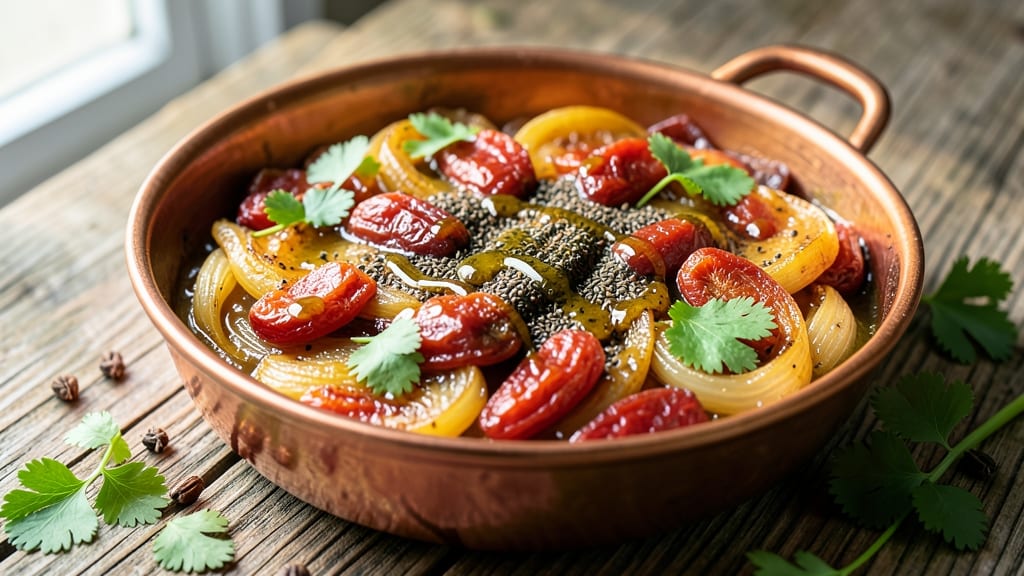
This apricot and coriander tagine sauce transforms simple ingredients into a fragrant, sweet-spiced harmony perfect for tagines, grilled meats, or roasted vegetables.
The combination of dried apricots, fresh coriander, and warm spices like cumin and cinnamon creates a sauce that's rich yet balanced—sweet with a hint of tang, aromatic with earthy depth.
What sets this apart is the slow simmering process, which allows the flavors to meld into a velvety consistency that clings beautifully to proteins and vegetables.
The sauce begins with sautéed onions and garlic, forming the aromatic base before dried apricots and spices are added to build complexity. Fresh coriander brightens the dish, while a splash of broth or water ensures the sauce remains luscious and easy to drizzle.
The result is a versatile condiment that elevates any dish with its Moroccan-inspired warmth and subtle sweetness—ideal for those who love bold, layered flavors without overpowering complexity.
What makes this sauce truly special is its ability to transform ordinary meals into something extraordinary. The apricots caramelize slightly during simmering, adding natural sweetness that pairs perfectly with the earthy coriander and warm spices.
It’s the kind of sauce that lingers on the palate, making every bite feel like a taste of Morocco. Best of all, it’s ready in just 30 minutes, with ingredients you likely already have on hand.
Once prepared, this sauce keeps beautifully in the refrigerator for up to a week, making it perfect for meal prep. Use it as a glaze for grilled chicken or lamb, a drizzle over roasted vegetables, or a dip for warm flatbread.
The possibilities are endless, and the flavors only deepen over time. Let’s create this versatile, aromatic sauce that will become a staple in your kitchen.
Ingredients for apricot and coriander tagine sauce
Moroccan-inspired flavors meet pantry staples in this velvety, aromatic sauce.
| Ingredient | Amount | Notes |
|---|---|---|
| Yellow Onions 🧅 | 1 whole | Thinly sliced for base |
| Garlic Cloves 🧄 | 4 cloves | Minced for aromatic depth |
| Dried Apricots 🍑 | 1 cup | Chopped, unsulfured preferred |
| Ground Cumin 🌿 | 1 ½ tbsp | Toasted for richer flavor |
| Ground Coriander 🌿 | 1 tbsp | Freshly ground preferred |
| Ground Cinnamon 🌶️ | ½ tsp | Sweet variety recommended |
| Fresh Coriander Leaves 🌿 | ⅓ cup | Chopped, stems removed |
| Vegetable Broth 💧 | 1 cup | Low-sodium preferred |
| Extra-Virgin Olive Oil 🫒 | ⅓ cup | High-quality for richness |
| Honey 🍯 | 1 tbsp | Wildflower preferred |
| Lemon Juice 🍋 | 1 tbsp | Freshly squeezed |
| Salt 🧂 | ½ tsp | Diamond Crystal preferred |
| Black Pepper 🌶️ | ¼ tsp | Freshly ground preferred |
The dried apricots are the heart of this sauce—unsulfured ones have the most natural sweetness. Trader Joe's or Middle Eastern markets carry the best quality, but any dried fruit aisle will work. Toast the cumin seeds briefly in a dry pan before grinding for that deep, nutty aroma that defines Moroccan cooking. Fresh coriander leaves should be vibrant green; if they're yellowing, skip them. For the onions, yellow or red both work—just slice them thinly so they caramelize beautifully during the slow simmer. This is where the magic happens: the onions develop a sweet, jammy texture that forms the sauce's backbone.
No dried apricots? Dried dates or figs will work in a pinch—just adjust the honey to balance sweetness. Fresh coriander too expensive? Dried coriander at half the amount gives a similar earthy note, though it lacks the bright finish. The honey can be swapped for maple syrup if you prefer, but wildflower honey has the most complex flavor profile. Vegetable broth is non-negotiable here—chicken broth would overpower the delicate balance. For extra depth, add a pinch of smoked paprika or a strip of orange zest when simmering. The lemon juice at the end? Freshly squeezed is essential—bottled juice lacks the bright acidity needed to cut through the richness.
This sauce tastes even better the next day as the flavors meld. Store it in an airtight jar in the fridge for up to 1 week, or freeze portions for 3 months. I like to portion it into small containers—perfect for drizzling over grilled chicken or roasted veggies. The sauce thickens as it cools, so add a splash of water or broth when reheating. For a restaurant-quality touch, finish with a sprinkle of toasted cumin seeds or a drizzle of olive oil right before serving. It's the kind of sauce that keeps getting better with each use.
Why You'll Love This Recipe
- Few Ingredients, Big Payoff: I swear by this—just onions, garlic, dried apricots, and those two spices. No fancy prep, no hidden pantry raids. The dried apricots soften into sweet, jammy bits while the cumin and coriander work their magic in one pot. Honestly, it’s the kind of recipe that makes me feel like a pro even when I’m half-asleep.
- Sweet-Savory Magic: That balance? Chef’s kiss. The caramelized onions and garlic lay the foundation, then the dried apricots bring this deep, fruity sweetness that plays off the earthy coriander like it’s been friends forever. It’s rich but not heavy, and the cumin adds this warm, cozy depth that sticks with you. (Yes, even on a Tuesday night.)
- Dinner Party or Lazy Night: Slather it on grilled chicken for a fancy-feeling weeknight meal, or drizzle it over couscous when you’ve got friends over. Between us, it’s my go-to for when I want to impress without stressing—just a few minutes of simmering, and suddenly everything feels special. The sauce even reheats beautifully, so it’s my secret weapon for last-minute plans.
- Budget-Friendly Leftovers: A single batch stretches across three meals—toss it with rice, use it in wraps, or save it for a quick pasta. Dried apricots and spices are cheap staples, and onions/garlic are always on hand. I’ll be real: this is the kind of recipe that makes me feel like I’m feeding a crowd without breaking the bank. Plus, the flavor only gets better the next day.
Step-by-step instructions for apricot, coriander, and tagine sauce
This vibrant Moroccan sauce comes together faster than you'd imagine—warm spices, sweet apricots, and bright coriander create harmony in every bite.
Build the Spiced Base with Onions and Garlic
Heat the 0.33 cup extra-virgin olive oil in a medium saucepan over medium heat. Add the 1 whole yellow onions, sliced thinly, and cook for 5-6 minutes until they soften and begin to caramelize at the edges. This step develops the sauce's foundation—don't rush it, or the onions will burn before they sweeten.
Once the onions are golden, add the 4 cloves garlic cloves, minced, and stir for 30 seconds until fragrant. Here's the thing—garlic burns in seconds, so keep a close eye on it. The moment it releases its aroma, it's time to move to the next step. This aromatic base will carry the entire sauce's flavor profile.
Toast the Spices for Depth of Flavor
Add the 1.5 tbsp ground cumin, 1 tbsp ground coriander, and 0.5 tsp ground cinnamon to the pan. Stir constantly for 1 minute until the spices are fragrant and the cumin begins to darken slightly. Toasting spices releases their essential oils, which is what gives this sauce its complex, warm character.
I like to press the spices into the onions with a wooden spoon to ensure even distribution. This step is crucial—if you skip it, the spices will just float on top and won't infuse properly. Watch for the spices to sizzle gently; that's your signal they're ready to be incorporated into the sauce.
Simmer the Apricots and Broth
Pour in the 1 cup vegetable broth and bring the mixture to a gentle simmer. Add the 1 cup dried apricots, chopped, and stir to combine. Let the mixture simmer for 8-10 minutes until the apricots soften and the liquid reduces by about one-third. You'll see the sauce thicken slightly, and the apricots will plump up beautifully.
Here's where it gets fun—the apricots should be tender enough to break down in your mouth but still hold their shape slightly. If the sauce reduces too quickly, add a splash of water to keep it balanced. The goal is a luscious, slightly syrupy consistency that coats the back of a spoon.
Finish with Sweet and Tangy Notes
Remove the pan from heat and stir in the 1 tbsp honey, 1 tbsp lemon juice, 0.5 tsp salt, and 0.25 tsp black pepper. The lemon juice brightens the dish, cutting through the richness of the apricots and olive oil, while the honey adds a delicate sweetness. Taste and adjust the seasoning—you might need a pinch more salt or a splash more lemon juice to balance the flavors.
Finally, fold in the 0.33 cup fresh coriander leaves, chopped, and stir gently. The fresh coriander adds a bright, herbal note that ties everything together. This sauce is best served immediately, but if you need to reheat it, do so gently over low heat to preserve its vibrant flavors.
Serve Over Your Choice of Protein
This versatile sauce pairs beautifully with grilled chicken, lamb, or even roasted vegetables. For an authentic touch, serve it over couscous or with warm flatbread. The sauce should coat everything it touches, creating a harmonious blend of sweet, spicy, and tangy notes in every bite.
Real talk: this sauce is even better the next day as the flavors meld together. Store any leftovers in an airtight container in the refrigerator for up to 3 days, or freeze for 3 months. When reheating, add a splash of water or broth to loosen the sauce if needed.
Pro Tips For Making Apricot And Coriander Tagine Sauce
- SOAK THE APRICOTS: Toss dried apricots in warm water for at least 20 minutes before using—this plumps them up and prevents a dry, mealy texture in your sauce. I used to skip this and ended up with apricots that tasted like raisins instead of juicy fruit.
- SWEAT THE ONIONS LOW: Cook the yellow onions over medium-low heat until they’re deep golden, not browned—about 10-12 minutes. Rushing this step burns the flavor and makes the sauce taste bitter. (Yes, even if you’re impatient like me.)
- TOAST THE SPICES: Bloom the ground cumin and coriander in the pot for 30 seconds before adding liquid—just until you smell that earthy aroma. This wakes up their flavors and makes the sauce taste deeper than if you dump them in cold.
- STIR IN THE GARLIC LATE: Add minced garlic only in the last 2 minutes of cooking to avoid burning it, which turns the sauce bitter. I learned this the hard way after a batch tasted like a failed garlic bread experiment.
Pro cooking tips for this recipe
Spice Toasting Secrets
Toast your spices over medium-low heat for 1-2 minutes until they release their aroma—this is where the magic happens. The cumin should darken slightly and sizzle, while the coriander and cinnamon will perfume the air.
I use a small, heavy-bottomed saucepan (like my Le Creuset 1.5-quart) to prevent scorching. If your spices start smoking, remove the pan immediately—burnt spices will make the sauce bitter. 🌶️
Onion Caramelization
Caramelizing the onions is non-negotiable for depth. Slice them paper-thin (about 1/8-inch) for even cooking, and spread them in a single layer in your pan. Stir every 2 minutes to prevent sticking, and resist the urge to rush—8-10 minutes of gentle cooking yields the sweetest, jammiest base.
If they stick, add 1-2 tablespoons of water and scrape with a wooden spoon. This step builds the sauce's backbone.
Apricot Texture Control
Chop the dried apricots into small, irregular pieces (not too fine) so they soften but don’t turn to mush. Simmer them for 8-10 minutes until they’re tender but still hold their shape slightly.
If the sauce reduces too quickly, add 2-3 tablespoons of broth to maintain balance. Overcooking turns apricots into a paste, which dulls the sauce’s vibrant texture. 🍑
Balancing Sweet and Tang
The honey and lemon juice are your flavor anchors. Start with the 1 tablespoon each called for, then taste and adjust—some apricot batches are sweeter than others.
If the sauce tastes cloying, add ½ teaspoon more lemon juice; if it’s too sharp, a pinch of salt or ½ teaspoon honey will help. Trust your palate—this is where the sauce comes alive. I often add a tiny pinch of smoked paprika here for extra depth.
Fresh Coriander Finish
Chop the coriander leaves just before folding them in—they lose their brightness if chopped too early. Use a sharp chef’s knife and cut them into fine, uneven pieces for maximum surface area.
Stir gently to avoid bruising the leaves, which releases bitterness. If you’re short on fresh coriander, dried coriander (½ teaspoon) works in a pinch, but it won’t have the same freshness. 🌿
Reheating Like a Pro
This sauce thickens as it cools, so reheat it gently over low heat with 1-2 tablespoons of water or broth to loosen it. Stir constantly to prevent scorching, and add more liquid as needed. If the sauce separates, blend it briefly with an immersion blender for a silky texture.
Never microwave it—this sauce deserves slow, loving heat to revive its flavors. The first reheat is always the best! ⏰
Nutrition facts
Frequently asked questions
Can I substitute dried apricots with something else?
Yes! For a similar sweetness and texture, try dried dates (pitted and chopped) or dried figs. Use about the same amount, but you may need to reduce the honey slightly since dried fruits vary in natural sweetness. For a tangier option, dried cranberries work well too—just add a pinch more salt to balance.
What’s the best way to store leftover sauce?
Transfer the sauce to an airtight container and refrigerate for up to 1 week. The flavors actually improve overnight as the spices meld! For longer storage, freeze in ice cube trays—perfect for portioning over grilled meats. Thaw in the fridge and reheat gently over low heat with a splash of water or broth.
Can I make this sauce without fresh coriander?
Use ½ teaspoon dried coriander instead, but toast it lightly first to release its aroma. For extra brightness, add a pinch of dried mint (½ teaspoon) or a strip of orange zest. The flavor won’t be identical, but it’ll still add a lovely herbal note.
How can I adjust the sweetness or spice level?
Start with the recipe as written, then taste and adjust: For more sweetness, add ½ teaspoon honey; for tang, squeeze in ½ teaspoon lemon juice. To deepen the spice, toast an extra ¼ teaspoon cumin or add a pinch of smoked paprika. Remember, spices build flavor—don’t rush the toasting step!
What’s the best way to use this sauce?
This versatile sauce shines on grilled lamb or chicken, drizzled over roasted vegetables, or spooned into tagines with chickpeas. For extra richness, stir it into yogurt-based dips or use it as a glaze for baked fish. The key is to add it at the end of cooking to preserve its vibrant texture.